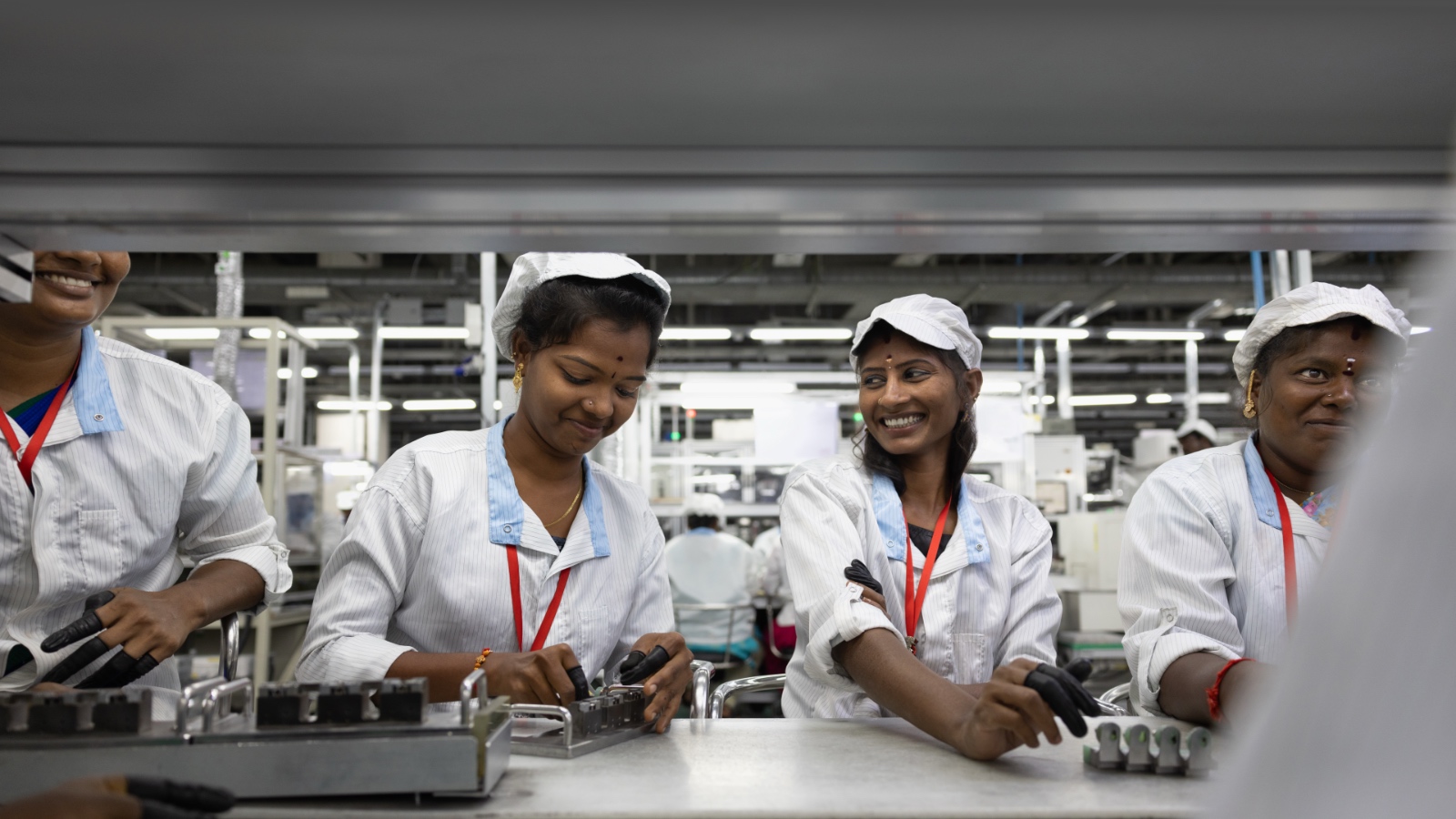
Apple iPhone factories are sophisticated, highly integrated assembly ecosystems primarily located in China, India, and Vietnam, where specialized contract manufacturers manage the complex physical production of mobile devices. These facilities operate through a model of global supply chain coordination, balancing precision engineering, massive labor force management, and rigorous quality control standards to deliver millions of units annually under Apple’s proprietary specifications.
The production of an iPhone does not occur within a single facility. Instead, it is the result of a modular assembly process that spans thousands of sub-component manufacturers and several primary final assembly hubs. Understanding these factories requires looking beyond the image of a single assembly line to see the reality of a multi-tiered manufacturing network that defines how consumer electronics are scaled for a global market.
The Role of Original Equipment Manufacturers (OEMs)
Apple does not typically own or operate the physical factories that assemble its iPhones. Instead, the company partners with major contract manufacturers, often referred to as Original Equipment Manufacturers (OEMs) or Electronics Manufacturing Services (EMS) providers. These firms—most notably Foxconn (Hon Hai Precision Industry Co.), Pegatron, and Wistron—provide the labor, infrastructure, and factory floor management required to assemble components provided by hundreds of suppliers.
These manufacturers must invest billions in specialized machinery, such as high-precision CNC (computer numerical control) milling machines, automated optical inspection systems, and clean-room environments. The relationship is governed by stringent technical requirements and Intellectual Property (IP) agreements. Apple retains control over the hardware design, software integration, and overall product specifications, while the OEMs are responsible for the physical execution of production, worker training, and facility operations.
Geographic Distribution and Supply Chain Diversification
Historically, the vast majority of iPhone production was concentrated in China, specifically within "iPhone City" in Zhengzhou, operated by Foxconn. However, since the early 2020s, Apple has aggressively pursued a strategy of geographic diversification to mitigate supply chain risks related to geopolitical tensions, pandemic-related lockdowns, and logistics vulnerabilities.
Key Production Hubs
- China: Remains the largest production hub. The infrastructure in regions like Henan and Guangdong provides an unparalleled density of component suppliers, allowing for rapid iteration and troubleshooting.
- India: Has become a significant secondary hub for iPhone assembly, particularly for the newer models. Facilities in Tamil Nadu and Karnataka now mirror the sophisticated assembly processes found in China, scaling production to serve both domestic Indian demand and global export markets.
- Vietnam: Primarily focused on broader ecosystem components, including AirPods and other accessories, though assembly capabilities continue to expand for various Apple product lines, serving as a critical hedge against supply chain volatility.
Anatomy of an iPhone Assembly Line
The manufacturing process within these factories is a blend of extreme automation and high-intensity manual labor. Despite the popular perception of fully automated robotic assembly, the actual construction of an iPhone requires human dexterity for tasks like flexible printed circuit (FPC) placement, component alignment, and final housing assembly.
- Component Integration: The process begins with the integration of the logic board, the brain of the device. This involves high-speed surface-mount technology (SMT) lines where microscopic components are soldered onto the motherboard with precision measured in micrometers.
- Sub-Assembly: Independent stations handle the assembly of the display panel, battery, camera modules, and enclosure. Each of these sub-assemblies undergoes rigorous testing before being married to the main chassis.
- Final Assembly: The sub-assemblies are brought together on the main line. This is where the device takes its final shape, requiring precise torque application for internal screws and specialized adhesives for water-resistance seals.
- Quality Assurance (QA) and Software Loading: Once assembled, the iPhone is subjected to automated functional tests. These include checking connectivity (5G, Wi-Fi, Bluetooth), sensor calibration (Face ID, accelerometer), and charging integrity. Simultaneously, the factory flashes the specific regional version of iOS onto the internal storage.
- Packaging and Logistics: The final step involves kitting the phone with cables, manuals, and protective films, followed by automated laser-etching of serial numbers and regional regulatory markings on the packaging.
Comparative Overview of Manufacturing Environments
The following table summarizes the operational focus of the primary regions contributing to the Apple manufacturing ecosystem as of 2026.
| Region | Primary Focus | Strategic Importance |
|---|---|---|
| Mainland China | Full-scale flagship production | High-density supply chain maturity |
| India | Mid-to-high tier model assembly | Market growth and export diversification |
| Vietnam | Accessory and peripheral manufacturing | Cross-product regional integration |
| Taiwan | Component R&D and semiconductor design | Technical innovation and supply stability |
Labor Standards and Ethical Manufacturing
Apple mandates that all factories in its supply chain adhere to a strictly defined "Supplier Code of Conduct." This document outlines requirements for working hours, wages, workplace safety, and the prohibition of forced or child labor. Compliance is monitored through regular audits conducted by Apple’s internal teams and third-party inspectors.
Despite these measures, the scale of these operations means that transparency remains a complex challenge. Reporters and labor rights organizations have historically scrutinized the working conditions in major hubs, particularly during periods of high-volume production cycles surrounding product launches. The industry has shifted toward greater transparency in recent years, with Apple publishing annual "Supplier Responsibility Progress Reports" that detail audit findings, environmental initiatives, and labor management improvements.
Environmental and Sustainability Initiatives
Apple has set a goal to have its entire supply chain be carbon neutral by 2030. This impacts iPhone factories directly. Facilities are increasingly transitioning to renewable energy sources, such as on-site solar installations and wind energy procurement programs. Furthermore, the factories are tasked with implementing "zero waste" protocols, where waste generated during production—such as aluminum scraps or plastic packaging—is recycled or repurposed.
The factory floor is also evolving to support the use of recycled materials in the iPhones themselves. For example, assembly lines have been adapted to handle high-purity recycled aluminum and rare earth elements recovered from older devices, requiring new handling procedures and material tracking protocols within the assembly facility.
Common Operational Challenges
Operating an iPhone factory involves solving persistent logistical and technical hurdles.
- Yield Rate Management: "Yield" refers to the percentage of iPhones that pass final testing without needing rework. Even a 1% decline in yield can result in significant financial losses due to the high cost of components like OLED displays and custom silicon. Factories must maintain high-speed, high-accuracy calibration to minimize these losses.
- Component Syncing: Since components arrive from various global suppliers, a single delay in the shipment of a camera lens module or a specific microchip can halt an entire assembly line. The logistics of "just-in-time" manufacturing require precise synchronization across international borders.
- Labor Turnover: Maintaining a skilled workforce in regions with high labor mobility is a constant operational drain. Factories invest heavily in housing, training, and retention programs to ensure that the individuals manning the assembly stations are proficient in the latest device specifications.
Frequently Asked Questions (FAQ)
Does Apple own the factories where iPhones are made? No. Apple operates an "asset-light" manufacturing model. They design the products and define the specifications, but the factories are owned and operated by third-party companies, most notably Foxconn, Pegatron, and Wistron, which provide the labor and facilities.
Why are iPhones mostly made in China? China possesses an unrivaled concentration of component suppliers, skilled labor, and logistics infrastructure. This allows Apple to scale production to millions of units in a short timeframe, as most parts can be sourced, assembled, and shipped from within a relatively small geographic radius.
How does Apple ensure the quality of iPhones across different countries? Apple deploys its own engineering and quality-control teams to every factory in its network. Regardless of where an iPhone is assembled—whether in Zhengzhou or Chennai—the device must pass the exact same automated testing protocols and meet identical hardware specifications.
Are working conditions in these factories monitored? Yes. Apple maintains a Supplier Code of Conduct and conducts annual audits of its supply chain partners. These audits cover labor rights, environmental impact, and workplace health and safety, with results summarized in public-facing annual reports.
Can a user track which factory their iPhone was built in? While you cannot find the factory name on the box, the serial number of an iPhone contains codes that, when decoded, reveal the manufacturing origin. However, these codes are for internal Apple and service-center identification and do not typically provide consumer-facing insights into specific production runs.
What happens to the waste produced at these factories? Apple enforces a "Zero Waste to Landfill" program for its final assembly facilities. Waste materials, such as metals, plastics, and paper, are required to be diverted from landfills and processed through certified recycling streams to ensure they are reused in the manufacturing cycle.
Next Steps for Stakeholders
For those tracking the movement of iPhone manufacturing, it is essential to monitor shifts in Apple's annual "Supplier List" and the company's "Supplier Responsibility" reports. These documents provide the most accurate, verified data regarding the distribution of production and the evolution of labor standards. If you are conducting research on supply chain resilience, focus on the capital expenditure (CapEx) reports of primary OEMs, as these indicate where new assembly lines are being commissioned and where manufacturing capacity is being expanded in emerging hubs like India and Vietnam.