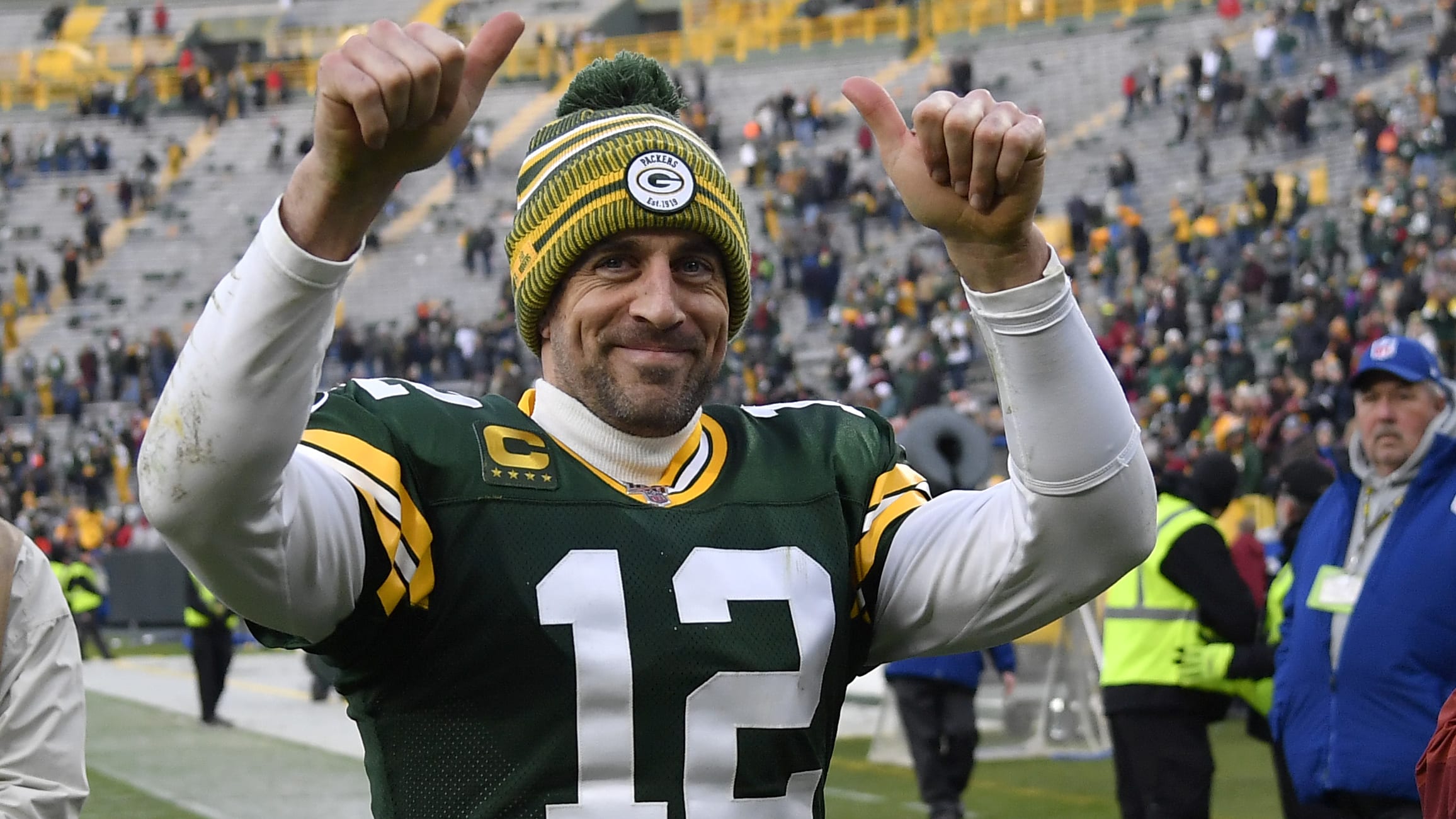
As of the 2026 NFL season, Aaron Rodgers’ total career cash earnings from his professional football contracts exceed $420 million. This figure represents strictly the salary, signing bonuses, and roster bonuses paid out by the Green Bay Packers and the New York Jets, excluding significant income derived from off-field endorsements, investment portfolios, and private business ventures.
Since entering the National Football League in 2005, Aaron Rodgers has functioned as a central figure in the financial landscape of professional sports. His career earnings trajectory reflects not only his longevity as a starting quarterback but also the evolving salary cap structure and the rapid inflation of quarterback market value over the last two decades. Understanding the total earnings of an elite athlete requires looking past the "headline" contract numbers and examining the actual cash flow realized over the course of multiple decades of professional play.
The Foundation: Early Career and Rookie Scale (2005–2007)
Aaron Rodgers began his professional career after being selected 24th overall in the 2005 NFL Draft. During this era, rookie contracts were dictated by a specific slotting system that existed before the implementation of the 2011 Collective Bargaining Agreement (CBA). His initial five-year contract was valued at approximately $7.7 million, with a modest signing bonus by today’s standards.
During these formative years, Rodgers served as a backup to Brett Favre. While his salary was competitive for a first-round pick, he did not command the massive quarterback salaries that would define his later career. These early years served as a period of significant professional development, during which he refined his craft under the mentorship of the coaching staff, building the reputation that would eventually lead to high-value contract extensions.
The Breakout and First Major Extensions (2008–2012)
The 2008 season marked a shift in Rodgers’ financial profile. Following his promotion to the starting role, the Green Bay Packers moved to secure his services long-term. In 2008, he signed a six-year extension worth $65 million. This deal moved him into the upper echelon of the league's highest-paid players.
The strategy behind these contracts was consistent: high base salaries combined with robust roster bonuses and signing bonuses that offered immediate cash liquidity. By 2010, after leading the Packers to a Super Bowl XLV victory, his market value surged. The organization recognized that a franchise quarterback of his caliber was the most valuable asset in the league, resulting in successive deals that prioritized guaranteed money and long-term security.
Mid-Career Market Dominance (2013–2020)
Between 2013 and 2020, Rodgers consistently maintained a position among the highest-paid athletes in American sports. In 2013, he signed a five-year, $110 million contract, followed by an even more lucrative four-year, $134 million deal in 2018. During this period, the NFL salary cap saw significant year-over-year increases, and quarterback market prices began to decouple from other positions.
Financial analysis of this period shows that Rodgers’ earnings were heavily weighted toward signing bonuses. These bonuses are typically prorated for salary cap purposes, but they provided him with significant upfront cash payments. His ability to negotiate these terms was bolstered by his consistent individual accolades, including multiple NFL Most Valuable Player (MVP) awards, which gave him immense leverage in contract negotiations.
The Transition to the New York Jets (2021–2026)
The most recent phase of Rodgers’ career earnings involved his 2023 trade to the New York Jets. His final years in Green Bay and his subsequent tenure in New York were marked by complex restructuring to allow both teams to remain competitive under the salary cap.
Upon joining the Jets, his contract structure focused on maximizing immediate earnings while providing the franchise with the necessary cap space to acquire talent. As of 2026, his cumulative earnings are a reflection of both base salary performance and the fulfillment of guaranteed roster bonuses stipulated in his final contract structures.
Understanding Cash Earnings vs. Cap Hit
When analyzing a player's career earnings, it is crucial to distinguish between "cash earnings" and "salary cap hit."
- Cash Earnings: The actual currency deposited into a player’s account. This includes base salary, signing bonuses, roster bonuses, and workout bonuses. This is the figure that contributes to the "career earnings total" of over $420 million.
- Salary Cap Hit: An accounting figure used by the NFL to regulate team spending. It involves proration of bonuses over the life of a contract (up to five years). A player may have a $50 million cash salary in a single year but count for only $15 million against the team's salary cap due to clever accounting and bonus proration.
For the reader, the "career earnings" figure is the most accurate reflection of wealth generated through NFL labor. It is important to note that these figures are gross earnings before taxes, agent fees (typically 3%), and management expenses.
Comparative Earnings Table
The following table illustrates the approximate breakdown of earnings across different phases of his career. These figures are estimates based on annual cash payouts and contract structures.
| Period | Career Phase | Estimated Total Cash Earnings |
|---|---|---|
| 2005–2007 | Early Development | $8 Million |
| 2008–2012 | Initial Starting Years | $55 Million |
| 2013–2017 | Prime MVP Years | $105 Million |
| 2018–2022 | High-Value Extensions | $145 Million |
| 2023–2026 | New York Jets Era | $110 Million |
Note: Figures are cumulative estimates for each phase and may vary slightly based on specific team incentive structures and void years included in later contracts.
Factors Influencing Total Wealth
While his NFL salary is the primary driver of his reported earnings, several factors have influenced the total accumulation of his wealth:
- Guaranteed Money: Unlike many other professional leagues, NFL contracts are notoriously difficult to fully guarantee. Rodgers successfully negotiated a high percentage of guaranteed base salary, ensuring he was paid regardless of injury or team performance decline.
- Market Inflation: The rapid growth of NFL broadcast revenues over the last 15 years has forced the salary cap to climb steadily. Rodgers’ ability to hit free agency (or threaten it) at the right time allowed him to reset the quarterback market on multiple occasions.
- Restructuring: Throughout his later years, Rodgers agreed to restructure his deals multiple times. While this often shifts money into future years (increasing long-term earnings), it provides the teams with the flexibility to sign high-impact supporting players, which in turn preserves the player's value and career longevity.
Addressing Common Misconceptions
It is a common point of confusion to conflate Aaron Rodgers’ total net worth with his career earnings. His career earnings are strictly derived from football contracts. His net worth includes these earnings but is further modified by external factors:
- Taxes: As a professional athlete, Rodgers pays income taxes in every state where he plays a game, known as "jock taxes." This significantly reduces the take-home percentage of his career earnings.
- Endorsements: Beyond the NFL, Rodgers has been the face of major brands, including State Farm. These commercial partnerships are independent of his NFL contracts and generally do not count toward the "career earnings" figures reported by sports databases.
- Investment Income: Wealth generated from professional football is typically reinvested. The growth of these assets over two decades represents a significant portion of his overall financial picture, distinct from the cash paid out by his teams.
Frequently Asked Questions
Does the $420 million figure include endorsements? No. The total of $420 million refers exclusively to cash earned through NFL playing contracts. Endorsements, commercial appearances, and private investments are separate financial streams and are not part of his league-reported career earnings.
How does Aaron Rodgers' salary rank historically? By the conclusion of his career, Aaron Rodgers consistently ranked among the top three highest-earning players in NFL history, competing with contemporaries like Tom Brady, Matthew Stafford, and Russell Wilson for the top spot. His ranking is bolstered by his high level of play and his ability to remain a starter for over two decades.
What happens to his salary if he retires mid-contract? If a player retires, they typically forfeit the remaining non-guaranteed base salary in their contract. However, signing bonuses that have already been paid are generally kept by the player, although specific "clawback" clauses can exist in complex contracts depending on the nature of the retirement.
Are these earnings net or gross? These figures are gross earnings. They do not account for federal, state, or city taxes, nor do they account for the standard 3% agent commission or other professional management fees paid by the athlete.
Why does the media report different totals for his earnings? Discrepancies often arise from whether a source is counting "contract value" (the potential total) versus "cash realized" (what has actually been paid out). This article focuses on cash realized to ensure accuracy regarding his actual financial gain.
Final Financial Perspective
For any follower of professional football, Aaron Rodgers’ career earnings serve as a case study in the power of sustained high-level performance and prudent contract negotiation. By consistently leveraging his value as a franchise quarterback, he managed to secure significant capital during a period of massive growth in the NFL’s overall revenue. For those looking to understand the financial mechanics of modern sports, his career provides a transparent view of how professional athletes transition from rookie prospects to generational wealth builders.
When evaluating the performance and value of a player, it is always recommended to consult official NFL transaction logs and league-wide salary databases, as these provide the verified, audited figures necessary for accurate financial analysis.