An estate can own a life insurance policy after the owner dies if no valid beneficiary is named, the named beneficiary is deceased, or the policy was intentionally left to the estate. Additionally, if the owner held a policy on someone else’s life, that active policy becomes an asset of the owner’s estate, requiring legal transfer through probate.
Life insurance is generally designed to bypass the probate process, providing immediate liquidity to named beneficiaries. However, there are specific legal and administrative circumstances where a policy—either the right to its proceeds or the ownership of an active contract—falls into the hands of a deceased person's estate. In 2026, with the recent shifts in federal estate tax exemptions and evolving probate laws, understanding the mechanics of estate-owned life insurance is critical for executors, heirs, and policyholders.
The Distinction Between Ownership and Beneficiary Status
To understand how an estate comes to "own" a policy, one must first distinguish between the three primary roles in a life insurance contract: the owner, the insured, and the beneficiary. The owner holds the legal rights to the policy, including the power to change beneficiaries, borrow against cash value, or cancel the coverage. The insured is the person whose life the policy covers. The beneficiary is the entity designated to receive the death benefit.
When we talk about an estate owning a policy after the owner dies, we are usually looking at one of two distinct scenarios:
- The Death Benefit Reverts to the Estate: The owner was also the insured. Upon their death, the policy terminates, and the payout (the death benefit) is paid into the estate because there are no living or valid beneficiaries.
- The Ownership of an Active Policy Transfers to the Estate: The owner was not the insured (third-party ownership). For example, a grandfather might own a policy on his adult son’s life. If the grandfather dies while the son is still alive, the policy remains active, but the "owner" is now deceased. In this case, the policy contract itself becomes a piece of personal property held by the grandfather’s estate.
Why a Life Insurance Policy Enters an Estate
There are several pathways through which an estate becomes the owner of a life insurance policy or its proceeds. While some of these are intentional estate planning strategies, many are the result of administrative oversight.
Failure of Beneficiary Designations
The most common reason proceeds move into an estate is the lack of a "living" beneficiary. If the primary beneficiary predeceases the insured and no contingent (secondary) beneficiary was named, the insurance company typically defaults the payment to the owner’s estate. In legal terms, this is often referred to as the "default clause" within the insurance contract.
Intentional Designation
Some individuals intentionally name their "Estate" as the beneficiary. This is often done to ensure the executor has immediate cash to pay off debts, funeral expenses, or specific cash bequests outlined in a will. However, as of 2026, financial advisors generally discourage this practice because it subjects the money to the delays and costs of probate, which life insurance is otherwise designed to avoid.
The "Simultaneous Death" Scenario
If the insured and the primary beneficiary die at the same time (for example, in a car accident), and it cannot be determined who died first, most jurisdictions and policy contracts apply the Uniform Simultaneous Death Act. This legal fiction assumes the beneficiary died first, meaning the proceeds would go to the contingent beneficiary or, if none exists, to the estate of the insured.
Ownership of Third-Party Policies
When a person owns a policy on another person's life (e.g., a business partner owning a policy on a co-founder), the policy is an asset with a specific "interpolated terminal reserve" value (similar to cash value). If the owner dies, that asset must be accounted for. Unless a "successor owner" was named in the policy documents, the ownership rights pass to the estate, and the executor must eventually transfer that ownership to a new party through the probate court's authority.
The Role of Probate in Estate-Owned Policies
Probate is the court-supervised process of authenticating a last will and testament and distributing assets. When a life insurance policy is owned by an estate, it becomes "probate property."
The Executor's Responsibility
Once a policy is part of the estate, the executor or personal representative assumes control. They must notify the insurance company of the owner's death by providing a death certificate and "Letters Testamentary" (the court document granting them authority). If the policy is still active (third-party ownership), the executor must continue paying premiums using estate funds to prevent the policy from lapsing until it can be legally transferred to a new owner.
Delays in Distribution
One of the primary benefits of life insurance is speed. Most claims are paid within 30 to 60 days. However, if the proceeds are owned by the estate, the money is locked in the probate account. It cannot be distributed to the ultimate heirs until the court clears the estate of debts and taxes, a process that in 2026 can take anywhere from six months to two years depending on the jurisdiction.
Legal and Financial Implications
Having an estate own a life insurance policy is not merely an administrative hurdle; it carries significant legal and financial consequences that can diminish the value of the inheritance.
Creditor Access
In most U.S. states, life insurance proceeds paid to a named beneficiary (like a spouse or child) are legally protected from the deceased person's creditors. However, once those proceeds are paid into an estate, that protection usually vanishes. The money becomes part of the general pool of assets used to pay off credit card debts, medical bills, and other liabilities. For estates with significant debt, this can result in the entire life insurance payout being consumed by creditors before the family receives a dime.
Federal and State Estate Taxes
In 2026, the landscape of estate taxes is a primary concern for high-net-worth individuals. Following the sunset of several provisions from the Tax Cuts and Jobs Act (TCJA), the federal estate tax exemption has effectively been halved compared to the early 2020s.
If the deceased held "incidents of ownership" in the policy at the time of death, the entire face value of the death benefit is included in the taxable estate. If the estate is the owner/beneficiary, this is a certainty. This can push an estate over the exemption limit, resulting in a tax hit of up to 40% on the proceeds. This is why many utilize an Irrevocable Life Insurance Trust (ILIT) to own the policy instead of the individual or the estate.
Administrative Costs
Probate fees are often calculated as a percentage of the total estate value. By moving life insurance proceeds into the estate, the "value" of the estate increases, thereby increasing the fees paid to executors and probate attorneys.
Comparison: Direct Beneficiary vs. Estate Ownership
The following table outlines the key differences between a policy paid to a named beneficiary and one that falls into an estate.
| Feature | Named Beneficiary | Estate as Owner/Beneficiary |
|---|---|---|
| Speed of Payment | Typically 2–8 weeks. | Subject to probate (6–24 months). |
| Privacy | Private; not a matter of public record. | Public; part of the probate filings. |
| Creditor Protection | High (in most jurisdictions). | Low; assets are available to creditors. |
| Estate Tax Impact | Included if the deceased owned the policy. | Always included in the taxable estate. |
| Probate Fees | Not applicable. | Increases total estate value and fees. |
| Control of Funds | Beneficiary receives funds directly. | Executor manages funds per Will or law. |
How to Transfer Ownership Out of an Estate
If an estate finds itself in possession of an active life insurance policy (where the insured is still alive), the executor must take specific steps to move that asset to a permanent owner.
- Review the Policy Contract: Check if a "Successor Owner" was previously named. If so, the transfer is automatic upon proof of the original owner's death.
- Obtain Court Authority: If no successor is named, the executor needs a court order from the probate judge authorizing the transfer of the policy to the rightful heir.
- File Change of Ownership Forms: The executor must submit the insurance company's specific "Transfer of Ownership" or "Assignment" forms, accompanied by the court's authorization.
- Valuation for Tax Reporting: For estate tax purposes, the executor must obtain IRS Form 712 from the insurance company, which provides the value of the policy at the time of the owner's death.
- Address Premium Payments: Until the insurance company confirms the new owner, the executor remains responsible for ensuring premiums are paid to avoid a lapse in coverage.
Common Mistakes to Avoid
Managing life insurance within an estate is a technical process where small errors can lead to large tax bills or legal disputes.
- Assuming the Will Overrides the Policy: A common misconception is that naming a beneficiary in a Will changes the beneficiary of a life insurance policy. It does not. The contract with the insurance company takes precedence. If the policy names "Estate," but the Will says the money goes to "John Doe," the money goes to the estate first and is subject to all estate debts.
- Neglecting the Successor Owner Clause: When purchasing a third-party policy (e.g., a wife owning a policy on her husband), many fail to name a successor owner. If the wife dies first, the policy is unnecessarily thrust into probate.
- Forgetting to Update Beneficiaries After Divorce: In many jurisdictions, divorce automatically revokes a spouse's status as a beneficiary. If no new beneficiary is named, the policy may default to the estate.
- Directing Proceeds to a Minor: If a minor is named as a beneficiary without a designated guardian or trust, the court may require the proceeds to be managed by the estate or a court-appointed conservator, adding complexity and cost.
Frequently Asked Questions
Can an executor change the beneficiary of a life insurance policy owned by the estate?
Generally, no. An executor's role is to carry out the instructions already in place or follow state law. They cannot change a beneficiary designation on a policy after the owner has died. If the estate is the beneficiary, the executor must distribute those funds according to the deceased's Will or state intestacy laws.
Does an estate have to pay taxes on life insurance proceeds?
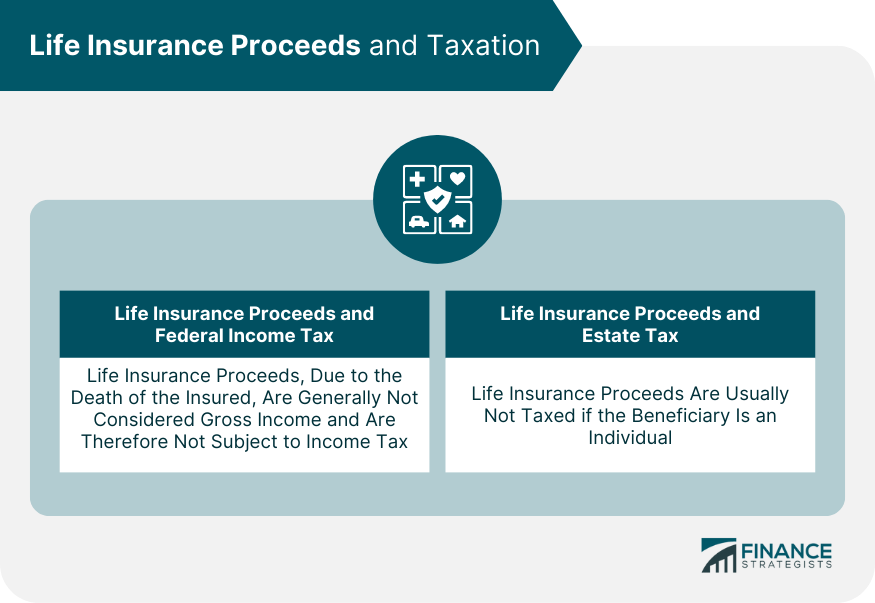
While life insurance death benefits are usually not subject to income tax, they are subject to federal estate tax if the total value of the estate (including the insurance) exceeds the 2026 exemption limits. Some states also impose their own inheritance or estate taxes on these proceeds.
What happens if the insurance company cannot find the executor?
If a policy is payable to an estate but no executor has been appointed, the funds will be held by the insurance company as "unclaimed property." Eventually, after a period defined by state law (escheatment), the money may be turned over to the state's treasury department until a legal representative for the estate comes forward.
Can a policy be "removed" from an estate after death to avoid probate?
No. Once the owner/insured has passed away, the legal status of the proceeds is fixed. If the proceeds are designated for the estate, they must go through the probate process. You cannot retroactively name a beneficiary after the insured has died.
Is it ever beneficial for the estate to own the policy?
In very specific cases, such as when an estate is "illiquid" (meaning it has valuable assets like real estate but no cash) and needs to pay immediate estate taxes to avoid selling property at a loss, having insurance proceeds paid to the estate can be helpful. However, this is usually better handled through an Irrevocable Life Insurance Trust (ILIT).
Practical Recommendations
If you are an executor dealing with a policy that has fallen into an estate, your first action should be to secure the original policy document and contact the insurance carrier's "Claims" or "Life Transitions" department. Do not assume the payout will be automatic.
For those planning their own estates in 2026, the best course of action is to review all beneficiary designations annually. Ensure that you have both primary and contingent beneficiaries named for every policy. If you own a policy on someone else's life, contact the insurer to name a Successor Owner. This simple administrative step ensures that if you die, the policy transfers directly to the next person without ever touching the probate court, preserving the policy's value and the speed of its benefits.
Finally, given the lowered estate tax exemptions in 2026, consult with a qualified estate attorney to determine if your life insurance ownership structure exposes your heirs to unnecessary taxation or creditor claims.