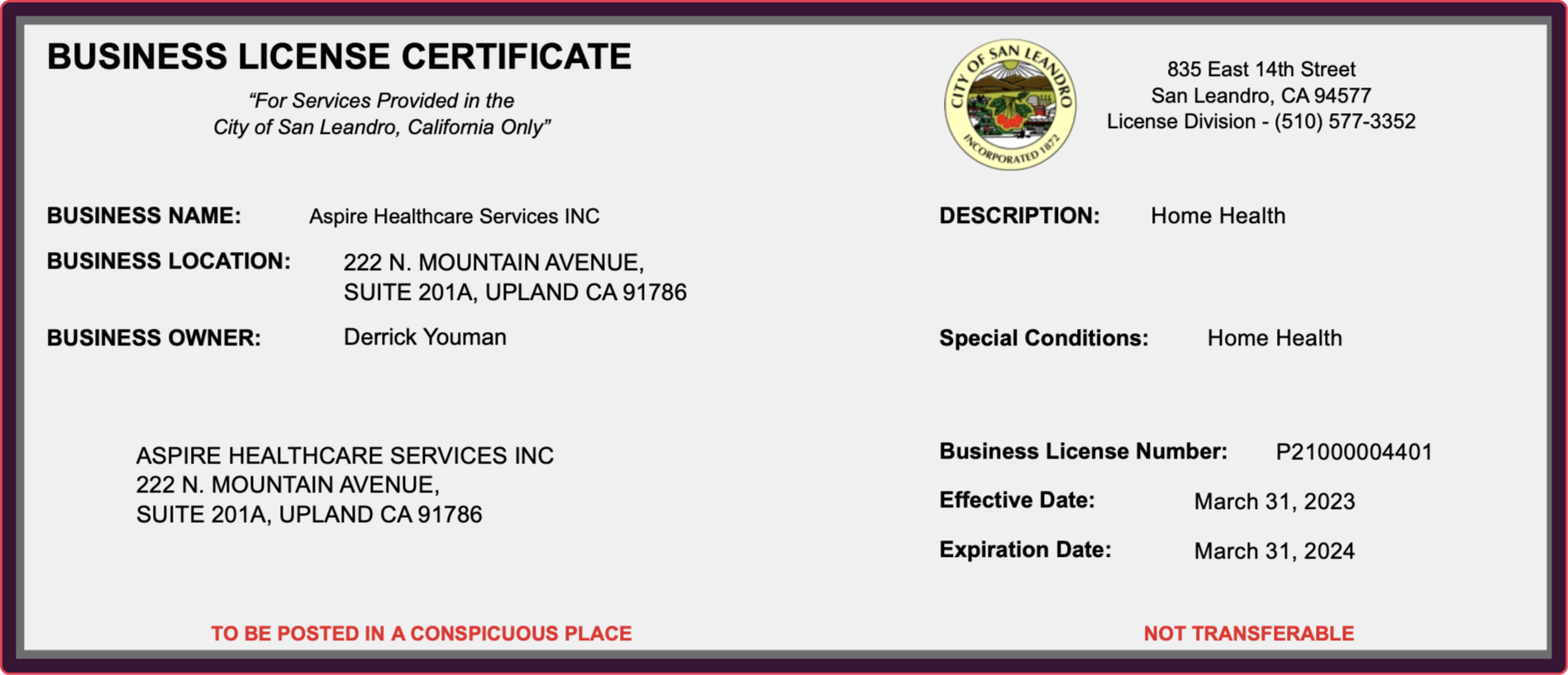
A business license number is a unique alphanumeric identifier assigned by a government agency—at the local, state, or federal level—that authorizes a specific entity to conduct commercial activities within a particular jurisdiction. While formats vary by location, a typical example is the Washington State Unified Business Identifier (UBI), a nine-digit number (e.g., 604-123-456) that links a business to multiple state agencies for taxation and regulatory oversight.
Understanding the Anatomy of a Business License Number
To understand what a business license number looks like and how it functions, one must first recognize that "business license" is an umbrella term. In the United States and many other jurisdictions in 2026, a business does not usually have just one number. Instead, it possesses a suite of identifiers that serve different regulatory purposes.
The Standard State-Level Identifier
In many states, the primary business license number is issued when the entity registers with the Secretary of State or the Department of Revenue. Using the Washington State UBI as a primary example, the number serves as a "one-stop" identifier.
An example of a UBI number is 604 555 123.
- The First Three Digits (604): Often indicate the type of registration or the era in which the business was formed.
- The Middle Three Digits (555): A sequential or randomized identifier for the specific entity.
- The Final Three Digits (123): Completion of the unique string to ensure no two businesses share the same identity.
In 2026, these numbers are increasingly integrated into digital "smart certificates" that include embedded QR codes for instant verification by inspectors or consumers.
Municipal and Local License Numbers
While state numbers are common, many cities require a local business tax certificate or operating permit. These numbers often follow a different logic. For instance, a New York City Department of Consumer and Worker Protection (DCWP) license number might look like 2012345-DCA.
- Prefixes/Suffixes: The letters often denote the category of the business (e.g., "DCA" for Department of Consumer Affairs or "GEN" for general vendor).
- Year Markers: Some jurisdictions include the year of initial issuance within the string itself.
Why Business License Numbers Are Essential
A business license number is more than a bureaucratic requirement; it is a tool for public safety, consumer protection, and revenue collection. Without this number, a business cannot legally sign contracts, open certain types of commercial bank accounts, or apply for specialized permits.
Revenue and Taxation
The primary reason governments issue these numbers is to track tax obligations. In 2026, most state-level license numbers are directly linked to the state’s Department of Revenue. When a business files its quarterly excise or sales tax returns, the license number ensures the funds are credited to the correct account.
Consumer Trust and Verification
For consumers, the license number is a badge of legitimacy. If a contractor performs substandard work, the consumer can use the license number to file a claim against the contractor's bond or insurance. Professional licensing boards (for doctors, lawyers, or engineers) use specialized license numbers to track disciplinary actions and continuing education credits.
Regulatory Compliance
Certain industries—such as firearms, alcohol, and tobacco—require federal licenses. For example, a Federal Firearms License (FFL) follows a very specific 15-digit format (e.g., 9-33-005-01-1A-12345). This number tracks the movement of controlled goods across state lines and ensures that the business adheres to the strict regulations of the Bureau of Alcohol, Tobacco, Firearms and Explosives (ATF).
Business License Number vs. EIN: Avoiding the Common Confusion
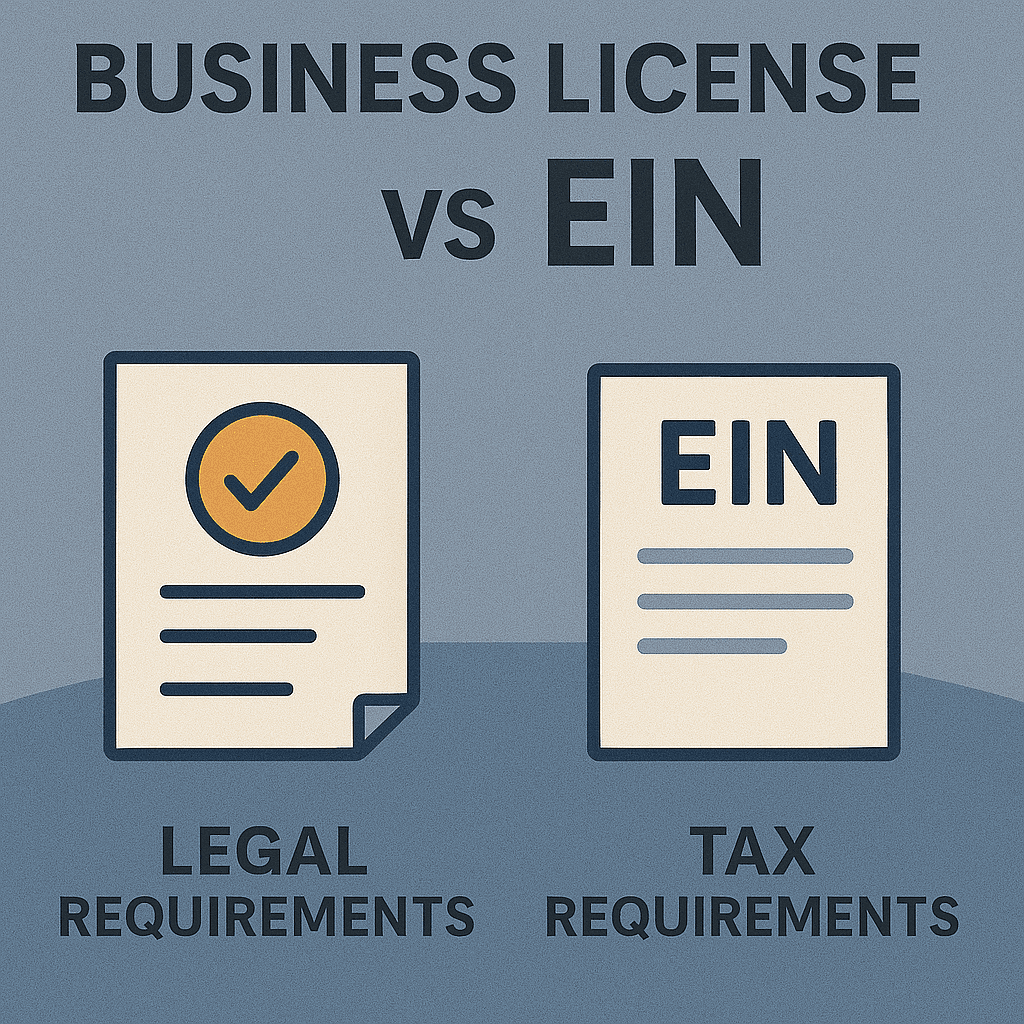
One of the most frequent errors business owners make is confusing their Business License Number with their Employer Identification Number (EIN). While both are identification strings, they serve entirely different masters and functions.
The Federal Employer Identification Number (EIN)
The EIN is issued by the Internal Revenue Service (IRS). It is a nine-digit number formatted as XX-XXXXXXX. Its sole purpose is federal tax administration. Every corporation, partnership, and most LLCs must have an EIN to file federal income tax returns and manage payroll taxes.
The Local Business License Number
In contrast, the business license number is usually state or city-specific. An entity will have one federal EIN but may have multiple business license numbers if it operates in multiple cities or states.
| Feature | Employer Identification Number (EIN) | Business License Number |
|---|---|---|
| Issuing Authority | Federal (IRS) | State or Municipal Government |
| Primary Purpose | Federal Income & Payroll Tax | Legal Right to Operate & Local Tax |
| Standard Format | 9 Digits (00-0000000) | Varies (often 6-12 alphanumeric chars) |
| Public Access | Generally Private (Sensitive) | Public Record (Verifiable) |
| Quantity | One per legal entity | Multiple (per jurisdiction/location) |
How to Locate a Business License Number
Finding a business license number depends on whether you are looking for your own number or verifying someone else’s. As of 2026, most jurisdictions have moved toward transparent, searchable online databases.
For Business Owners
If you have lost your number, the first place to look is your Certificate of Occupancy or your Business Tax Certificate. These documents are usually required to be displayed prominently at your place of business.
- Check Digital Portals: Most states (like Florida’s Sunbiz or California’s Secretary of State portal) allow owners to log in and download digital copies of their licenses.
- Tax Filings: Your state sales tax returns will always require your business license or registration number.
- Bank Statements: When you originally opened your business bank account, you provided these documents. The bank often lists the primary registration number in your entity profile.
For Consumers and B2B Partners
Verifying a partner's license number is a critical step in due diligence.
- Secretary of State (SOS) Search: Almost every state provides an "Entity Search" tool. By entering the business name, you can retrieve their registration number, status (Active/Dissolved), and registered agent.
- Professional Licensing Boards: If you are hiring a professional (like an architect), check the state's specialized board. For example, the California Department of Consumer Affairs provides a "License Search" tool where you can verify the standing of over 250 license types.
- Better Business Bureau (BBB): While not a government agency, the BBB often lists license numbers provided by businesses during the accreditation process.
Regional Examples of License Number Formats
Because there is no federal "Business License Number" for general businesses in the U.S., the format is entirely dependent on the geography of operation.
1. California Secretary of State (SOS) Number
In California, corporations and LLCs are assigned a 7-digit or 12-digit number.
- Example: C1234567 (The "C" denotes a Corporation).
- Usage: This is used for all filings with the Secretary of State, including Statements of Information.
2. Washington Unified Business Identifier (UBI)
As mentioned earlier, Washington uses a 9-digit system.
- Example: 600-111-222.
- Unique Feature: This single number acts as the account number for the Department of Revenue, the Secretary of State, and the Department of Labor & Industries.
3. Nevada Business ID
Nevada issues a specific "NV Business ID" which is distinct from the entity number.
- Example: NV20211234567.
- Context: Nevada’s SilverFlume portal is one of the most integrated in the country, using this ID to link state and local requirements.
Common Mistakes When Handling License Numbers
Errors in recording or applying for business license numbers can lead to significant legal and financial friction. In 2026, with automated auditing becoming more prevalent, accuracy is paramount.
Using the Wrong Number on Invoices
Some businesses mistakenly put their EIN on public-facing invoices. This is a security risk. Your EIN should be treated similarly to a Social Security Number. Public-facing documents should only feature your state or local business license number, which is already a matter of public record.
Failure to Update Number After Entity Change
If a business converts from a Sole Proprietorship to an LLC, it is usually considered a "new" legal entity. This transition typically requires a new EIN and a new business license number. Continuing to operate under the old number can result in "voidable contracts," meaning the legal protections of your LLC might not apply to transactions made under the old license.
Ignoring Renewal Deadlines
A license number remains the same for the life of the business, but its validity expires if not renewed. Most licenses in 2026 are valid for one to two years. Operating with an expired license number is effectively the same as operating without a license at all, leading to fines and potential "cease and desist" orders from the city.
The Role of the NAICS Code
While not a license number, the North American Industry Classification System (NAICS) code is often requested alongside your license number during applications.
- Example: 236115 (New Single-Family Housing Construction).
- Explanation: This 6-digit code tells the government what your business does. Many license numbers are issued based on the specific NAICS code, as some industries (like construction) require higher insurance minimums than others (like consulting).
Verification and Public Records Search in 2026
In 2026, the process of verifying a business license has become highly streamlined through the use of Application Programming Interfaces (APIs). Many large corporations now use automated software to verify the license status of their vendors in real-time.
- Primary Source Verification: Always rely on the government's official ".gov" website.
- Cross-Referencing: Ensure the address listed on the license matches the physical location of the business.
- Status Check: Look for terms like "Active," "In Good Standing," or "Current." Avoid doing business with entities labeled "Delinquent," "Suspended," or "Administrative Dissolution."
For those operating in the construction or trade industries, verifying a license number is often coupled with checking the National Association of State Contractors Licensing Agencies (NASCLA), which provides a centralized point for cross-state verification.
FAQ: Frequently Asked Questions
Is a business license number the same as a tax ID?
Not exactly. While a business license number can be used for state tax purposes, "Tax ID" usually refers to the federal EIN (Employer Identification Number). In some states, your "State Tax ID" and your "Business License Number" are the same, but you should always verify with your local Department of Revenue to ensure you are using the correct string for filings.
Can I look up a business license number by owner name?
In most jurisdictions, yes. Most Secretary of State websites allow you to search by "Registered Agent" or "Officer Name." However, this may not show all licenses held by that individual, only the entities they are legally associated with as an owner or officer.
What happens if I operate without a business license number?
Operating without a valid license number can result in heavy daily fines, the inability to enforce contracts in court, and the potential closure of your business by local law enforcement. Furthermore, if an accident occurs, your professional liability or general liability insurance may refuse to cover the claim if you were operating unlicensed.
Does a sole proprietorship need a business license number?
Yes. Even if you do not have an EIN or employees, most cities and counties require every business—regardless of size or structure—to register and obtain a local business tax certificate or license number. Some states also require a "Doing Business As" (DBA) registration, which comes with its own filing number.
How do I find my business license number if I lost my paperwork?
You can find it by searching your business name on your state’s Secretary of State website or your local city/county business tax office portal. If you pay local taxes online, the number is likely saved in your user profile on the government’s payment gateway.
Summary and Next Actions
Understanding your business license number is fundamental to maintaining a compliant and credible enterprise. Whether it is a state UBI, a city-specific permit, or a specialized professional credential, these numbers serve as the bridge between your private commercial activity and public regulatory oversight.
Next Actions for Business Owners:
- Audit Your Licenses: Ensure you have both your state-level registration and your local municipal permits.
- Secure Your EIN: Keep your federal tax ID private, while ensuring your business license number is accessible for client verification.
- Set Renewal Reminders: In 2026, most jurisdictions offer digital reminders, but it remains the owner’s responsibility to ensure the license status remains "Active."
- Verify Vendors: Before signing a contract with a new partner, use their license number to perform a quick check on the relevant Secretary of State or Department of Professional Regulation website.