An example life insurance policy document is a formal, legally binding contract between an insurer and a policyholder. It specifies the coverage amount (death benefit), premium obligations, identified beneficiaries, and the specific conditions or exclusions under which the insurer will pay the claim upon the death of the insured individual.
Understanding the structure of a life insurance policy is essential for ensuring your beneficiaries are protected and that you are not paying for coverage that fails to meet your specific financial goals. Whether you are reviewing a term life policy or a complex permanent life insurance contract in 2026, the document follows a standardized architecture designed to meet state and federal regulatory requirements.
The Anatomy of an Example Life Insurance Policy Document
A standard life insurance policy is rarely a single page. Instead, it is a multi-part document that combines personalized data with standardized legal language. When you receive a policy, it is typically divided into several key segments: the Declarations Page, the Insuring Agreement, Policy Definitions, General Provisions, and any applicable Riders or Endorsements.
In 2026, most policyholders receive these documents digitally via secure portals, though the legal weight and structure remain identical to physical paper copies. Understanding each section allows you to verify that the "meeting of the minds"—the legal agreement between you and the insurance company—is accurately reflected in the text.
The Declarations Page (The "Dec" Page)
The Declarations Page is the first substantive part of an example life insurance policy document. It acts as a personalized summary of the entire contract. If you need to find a quick answer regarding your coverage, this is the section to consult.
Key information found on the Declarations Page includes:
- Policy Number: The unique identifier used for all administrative actions and claims.
- The Insured: The individual whose life the policy covers.
- The Policyowner: The person or entity (such as a trust) that owns the policy and has the right to change beneficiaries or cancel the coverage.
- Face Amount: The total death benefit that will be paid out.
- Premium Amount and Frequency: How much you must pay (e.g., $50.00) and how often (e.g., monthly or annually).
- Issue Date and Expiration Date: Crucial for term policies to know when coverage ends.
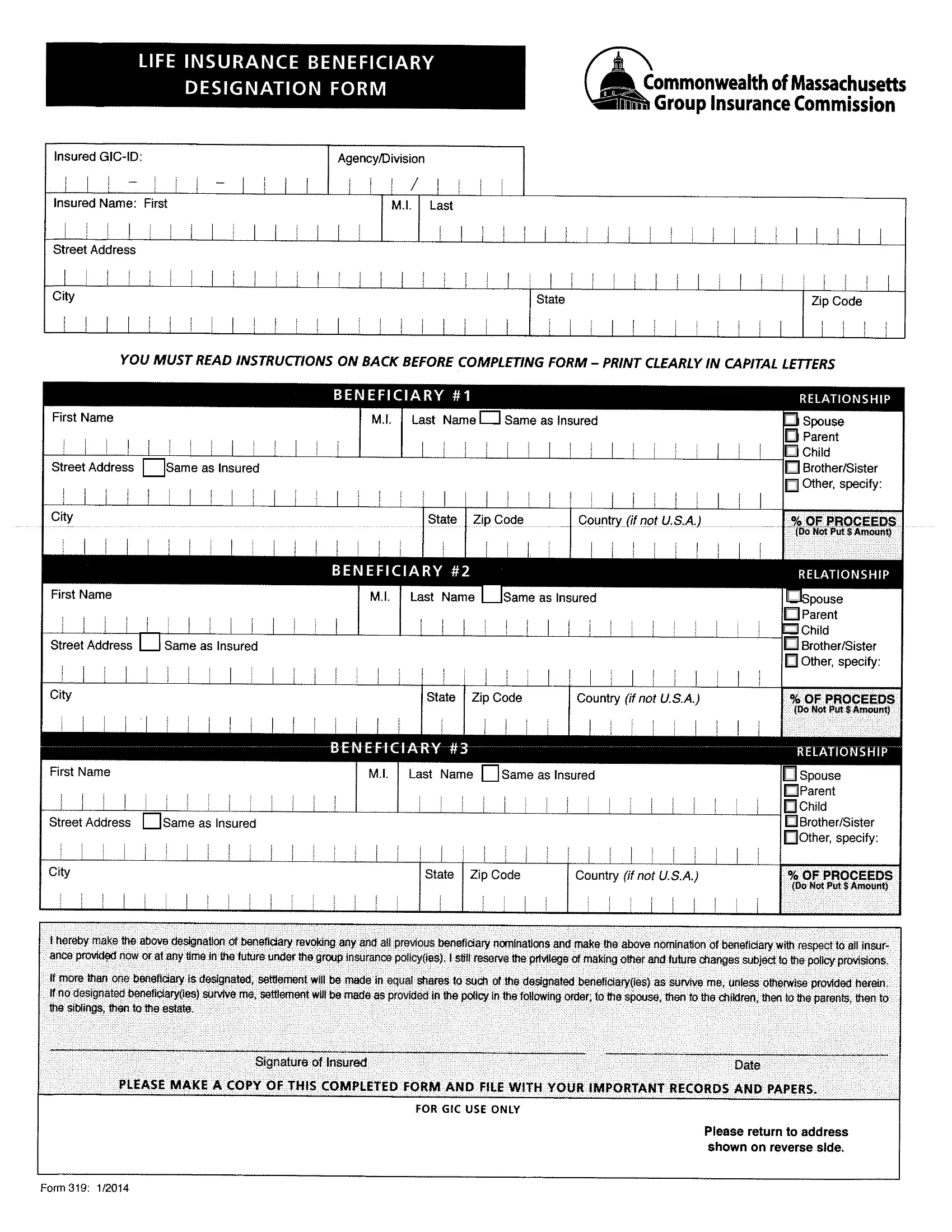
- Beneficiary Designations: The primary and contingent individuals or entities set to receive the proceeds.
The Insuring Agreement
The Insuring Agreement is the heart of the contract. It is a brief statement where the insurance company makes its fundamental promise: in exchange for the payment of premiums, the company will pay the death benefit to the named beneficiary upon receipt of proof of the insured’s death.
This section also clarifies that the policy is issued based on the "Application," which is usually attached to and made part of the contract. In the legal world, this is known as the Entire Contract Clause. It prevents the insurance company from citing external documents or oral promises to deny a claim.
Navigating Policy Definitions and Terms
To avoid ambiguity, life insurance documents include a "Definitions" section. Insurance companies use specific terms that may have narrower or broader meanings than they do in everyday conversation. Reviewing these definitions is critical because they dictate the boundaries of your coverage.
For instance, the term "Evidence of Insurability" refers to the medical and financial data you provide to prove you are a standard risk. "Attained Age" refers to the insured's age at a specific point in time, which is used to calculate premium increases in certain types of policies. In 2026, many policies also define "Terminal Illness" specifically to determine when an "Accelerated Death Benefit" might be triggered, allowing the insured to access funds while still alive.
Common Provisions and Policy Rights
Standard provisions are clauses required by state insurance departments to protect the consumer. These clauses define your rights as a policyowner and the limits of the insurer’s power.
The Free Look Period
Every example life insurance policy document must include a Free Look Period. This is a window—typically 10 to 30 days after you receive the policy—during which you can cancel the contract for any reason and receive a full refund of all premiums paid. This provision is designed to protect consumers from high-pressure sales tactics, giving them time to read the document thoroughly.
The Grace Period
The Grace Period is a safeguard against the immediate lapse of coverage. If you miss a premium payment, the policy remains in force for a specific window, usually 31 days. If the insured dies during this period, the insurer will still pay the death benefit, though they will deduct the overdue premium from the payout. According to the National Association of Insurance Commissioners (NAIC), this is one of the most critical consumer protections in life insurance law.
The Incontestability Clause
Perhaps the most misunderstood part of an insurance document is the Incontestability Clause. Generally, after a policy has been in force for two years, the insurance company cannot "contest" or void the policy based on misstatements made in the original application.
However, there are exceptions. In 2026, most states allow insurers to adjust the death benefit if the insured’s age or gender was misstated, even after the contestability period has passed. In such cases, the insurer will pay the amount of coverage that the actual premium would have purchased if the correct age or gender had been disclosed at the start.
Exclusions: What the Policy Does Not Cover
While life insurance is designed to provide broad protection, every example life insurance policy document contains exclusions. These are specific scenarios where the insurer is not obligated to pay the death benefit.
- The Suicide Clause: Almost all policies include a suicide clause stating that if the insured takes their own life within the first two years of the policy, the death benefit will not be paid. Instead, the insurer will simply refund the premiums paid to date.
- The Aviation Exclusion: While rare in standard policies today, some contracts exclude deaths resulting from private aviation (e.g., piloting a small plane) unless a specific rider is purchased. Commercial flight as a passenger is always covered.
- War or Terrorism Exclusions: Some policies may exclude deaths resulting from acts of war or specific hazardous activities, though these are more common in group policies than in individual private policies.
- Illegal Acts: If the death occurs while the insured is committing a felony, the claim may be denied.
Riders and Endorsements: Customizing the Document
Riders are optional amendments that add, delete, or exclude coverage. They allow you to tailor an example life insurance policy document to your specific needs. Adding riders usually increases the premium, but they provide specialized benefits that standard policies lack.
- Waiver of Premium: If the insured becomes totally disabled and unable to work, the insurance company "waives" the premiums, keeping the policy active without further payment.
- Accidental Death Benefit: Sometimes called "Double Indemnity," this pays an additional amount if the death is purely accidental.
- Child Term Rider: Provides a small amount of term insurance for the insured's children under the parent’s primary policy.
- Accelerated Death Benefit: This allows the policyholder to receive a portion of the death benefit if they are diagnosed with a terminal illness with a short life expectancy (usually 12–24 months).
| Provision Type | Primary Purpose | Standard Timeframe |
|---|---|---|
| Free Look | Allows policy return for full refund | 10 to 30 Days |
| Grace Period | Prevents lapse for late payments | 31 Days |
| Contestability | Period during which insurer can audit application | First 2 Years |
| Suicide Clause | Limits liability for self-inflicted death | First 2 Years |
| Reinstatement | Allows a lapsed policy to be put back in force | Typically 3 to 5 Years |
Differences Between Term and Permanent Policy Documents
While the core provisions are similar, the physical document for a term life policy is significantly different from a permanent (whole life or universal life) policy.
Term Life Insurance Documents
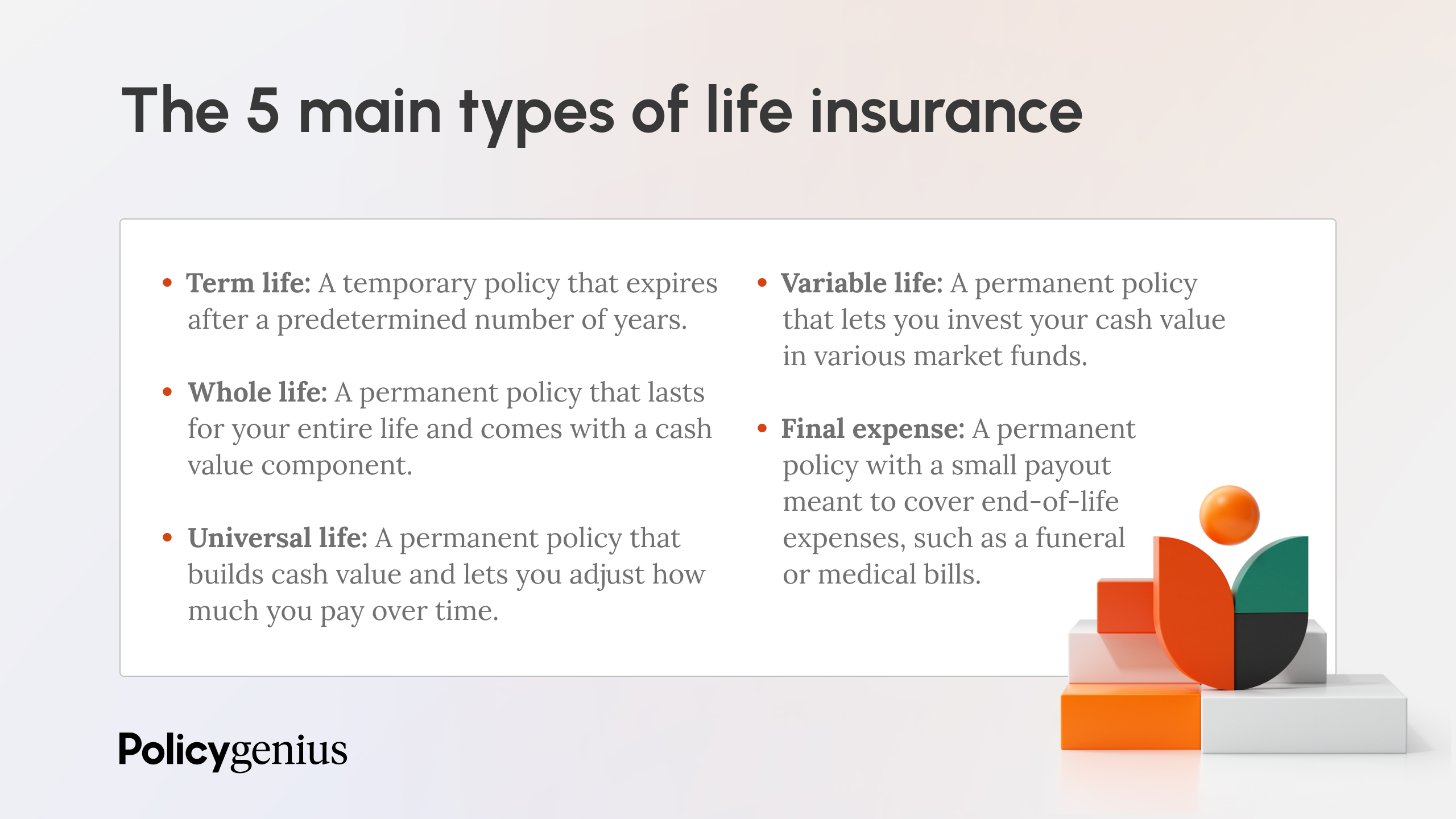
A term life policy is relatively straightforward. It focuses on the "Term" of coverage. The document will clearly state that at the end of the term (e.g., 20 years), the coverage ceases unless renewed at a much higher rate. There is rarely a section for "Cash Value" because term insurance does not build equity.
Permanent Life Insurance Documents
A whole life or universal life document is much thicker. It includes several additional sections:
- Table of Guaranteed Values: A year-by-year breakdown showing how much cash value the policy will accumulate.
- Loan Provisions: Details on how the policyowner can borrow against the cash value, including the interest rates and repayment terms.
- Dividend Options: If it is a "participating" policy from a mutual company, this section explains how dividends are calculated and whether they can be used to buy more insurance, reduce premiums, or be taken as cash.
- Surrender Charges: A schedule explaining the fees charged if the policyholder cancels the policy for its cash value in the early years.
How to Verify Your Policy Document in 2026
In the current year of 2026, verifying the authenticity and status of your policy is more streamlined than in previous decades. You should use your example life insurance policy document as a reference when logging into your insurer's official portal.
Step 1: Check the Effective Date. Ensure that the "Issue Date" on your document aligns with when your first premium was drafted. Step 2: Verify Beneficiary Names. Life events like marriage, divorce, or births often necessitate changes. Your document reflects the legally binding choice until a "Change of Beneficiary" form is officially processed. Step 3: Review the "Entire Contract" Clause. Ensure that any riders you paid for are physically attached to the end of the document. If a rider is missing, the insurer may not be legally required to honor it. Step 4: Contact Your State's Insurance Department. If the language in your document seems to contradict state laws (such as the mandatory grace period), you can verify the policy's compliance with your state's regulator. You can find your local regulator through the NAIC Map.
Common Mistakes to Avoid When Reading the Document
Many people receive their policy and file it away without reading it, which can lead to significant problems during a claim.
One common mistake is assuming that "Accidental Death" coverage is the same as standard life insurance. If you have an Accidental Death and Dismemberment (AD&D) policy, the document will specify that it only pays if the death is a direct result of an accident. If the insured dies of a heart attack or cancer, an AD&D policy will pay nothing.
Another mistake is failing to understand the Ownership rights. In some corporate or trust-owned policies, the person whose life is insured has no right to change the beneficiary or borrow against the cash value. This distinction is clearly laid out in the "Ownership" section of the document.
FAQ: Understanding Life Insurance Policy Documents
What is the most important part of a life insurance policy document?
The Declarations Page is the most important for a quick summary, but the Insuring Agreement and Exclusions sections are the most critical for legal purposes. The Insuring Agreement defines the company's obligation, while the Exclusions list the only reasons they can legally deny a valid claim.
Can a life insurance company change the terms of my document after I sign?
Generally, no. Life insurance is a unilateral contract where the insurer is bound by the terms as long as the policyowner pays the premiums. The only major exception is in "Variable" or "Universal" policies where certain costs of insurance or interest rates may fluctuate as defined within the original document's parameters.
What happens if I lose my original policy document?
In 2026, losing the physical document is no longer a crisis. You can request a "Duplicate Policy" from the insurer. The contract remains in force regardless of whether you have the paper copy, as the official record exists in the insurer's database.
What is a "Free Look" period?
The Free Look period is a consumer protection window, usually 10 to 30 days, that starts the day you receive your policy. It allows you to review the document and return it for a full refund if you are not satisfied with the terms.
How do riders affect the structure of the document?
Riders are typically added as "Endorsements" at the very end of the policy document. They essentially modify the base contract. When reading your policy, always check the endorsements first, as they can override certain standard provisions found earlier in the document.
Final Recommendation
When reviewing an example life insurance policy document, do not rely on the marketing brochure or the agent's summary alone. The policy itself is the "final word" in any legal dispute. Take thirty minutes during your Free Look Period to read the Definitions and Exclusions sections specifically. If you find terms that are unclear, or if the beneficiary names are misspelled, contact your insurance company immediately to issue an endorsement. Proper documentation today ensures a seamless claim process for your loved ones in the future.