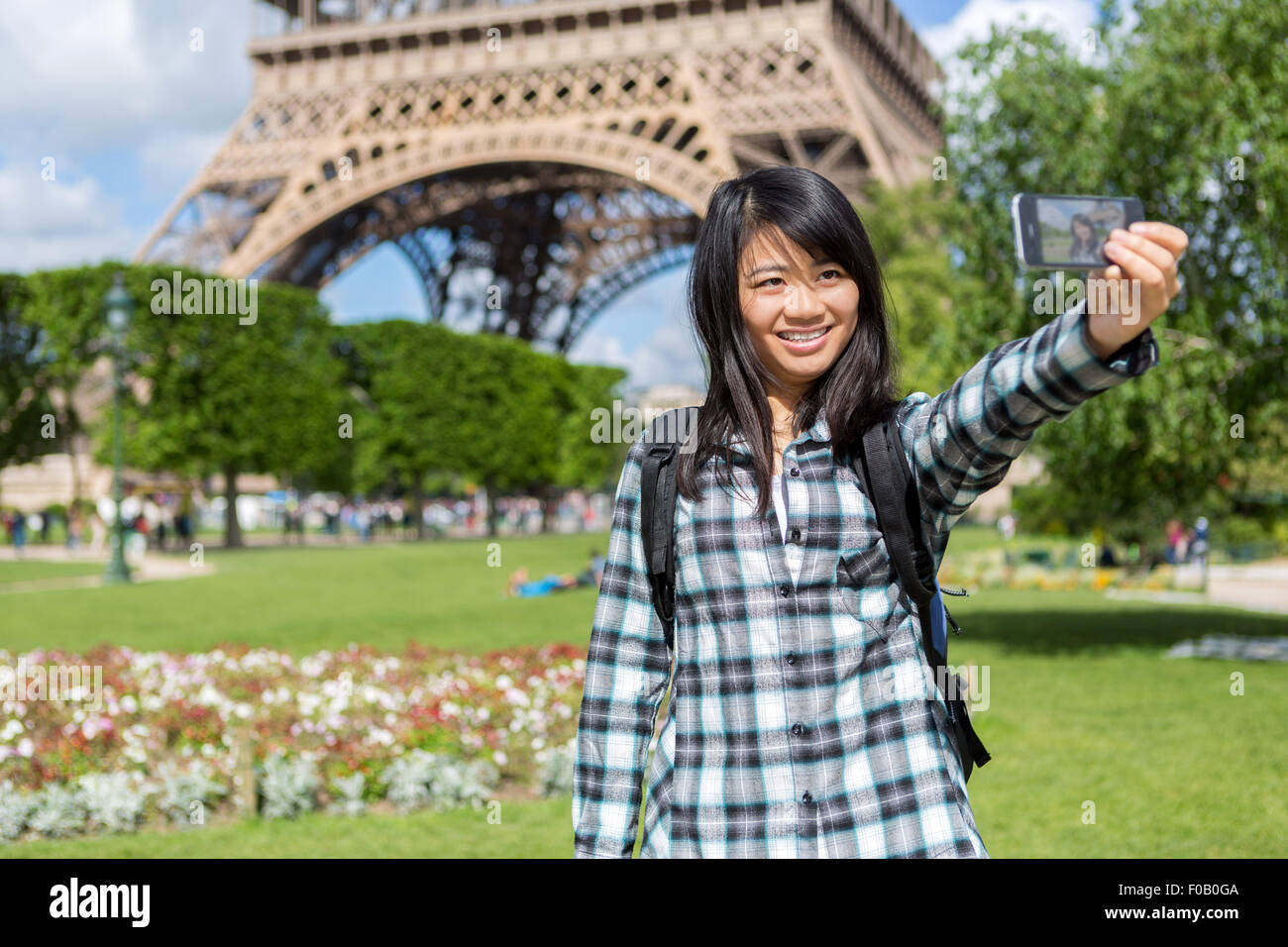
The term "an attractive tourist" carries a dual meaning: it describes individuals whose presence enhances the aesthetic appeal of a destination and, more importantly, those who embody the qualities of an effective, responsible, and desirable visitor. In the context of 2026, being an attractive tourist is less about physical appearance and more about how one’s behavior, cultural sensitivity, and economic contribution shape the travel experience for the host community and fellow travelers alike.
Defining the Modern Tourist Identity
In the mid-2020s, the travel industry has moved toward a model of "regenerative tourism." An attractive tourist in this era is not merely a passive consumer of sights but an active participant in the destination's ecosystem. This shift reflects a move away from superficial tourism toward meaningful engagement.
To be considered an "attractive" guest by locals and service providers, a traveler must demonstrate three core attributes: cultural literacy, economic respect, and environmental consciousness. This is not a formal status or a VIP designation; rather, it is a social currency that often leads to better service, deeper access to local experiences, and more genuine interactions. When you approach a destination with the mindset of a guest rather than a customer, you influence the local perception of your nationality or tourist group, effectively becoming an ambassador for your home country.
The Role of Cultural Literacy and Etiquette
The most significant factor that makes a tourist "attractive" to locals is their adherence to local norms. Cultural literacy involves more than learning "hello" and "thank you" in the local language; it involves understanding the nuances of dress codes, sacred spaces, and social hierarchy.
For example, when visiting major religious sites in Southeast Asia or the Middle East, an attractive tourist researches appropriate attire—covering shoulders and knees—before arriving. This simple act of preparation signals respect for local values. In Japan, understanding the concept of omotenashi (hospitality) and the reciprocal nature of politeness can significantly alter the quality of one's stay. When a tourist respects these boundaries, they reduce the friction often associated with over-tourism and foster a welcoming atmosphere.
Economic Impact and Local Empowerment
An attractive tourist makes conscious decisions about where to spend their money. In many developing economies, the leakage of tourism revenue—where money paid to international chains leaves the country—remains a major concern.
By prioritizing locally owned accommodations, restaurants, and tour operators, you become an "attractive" economic participant. This approach ensures that your presence contributes directly to the host community's livelihood. In 2026, digital platforms often label these businesses with "locally owned" or "community-supported" certifications. Utilizing these labels helps you identify opportunities where your expenditure has the maximum positive impact, making you a preferred guest for the local economy.
Comparison of Tourist Archetypes
Understanding the difference between common tourist archetypes can help you evaluate your own travel footprint.
| Archetype | Primary Focus | Economic Impact | Local Perception |
|---|---|---|---|
| Transactional Tourist | Instant gratification | Often high leakage | Neutral to Negative |
| Passive Observer | Aesthetic consumption | Minimal/Mixed | Neutral |
| Attractive/Engaged Tourist | Mutual benefit/Learning | High local retention | Highly Positive |
| Extractive Tourist | Personal gain/Disruption | Disruptive/Low | Negative |
Environmental Stewardship as a Core Responsibility
Sustainability is no longer an optional "green" initiative; it is a standard expectation for the modern traveler. An attractive tourist recognizes the fragility of the ecosystems they visit. This includes avoiding single-use plastics, participating in water conservation efforts in arid regions, and adhering to designated pathways in protected natural areas.
In 2026, many destinations have implemented "tourist contributions" or environmental taxes. Rather than viewing these as mere costs, the savvy traveler recognizes them as tools for infrastructure maintenance. An attractive tourist pays these fees willingly and often goes a step further by supporting local conservation groups or wildlife rehabilitation centers that do not exploit the animals they claim to protect.
Ethical Photography and Social Presence
The rise of the "influencer" culture has changed how people record their travels. Being an attractive tourist involves a high degree of digital ethics. Posting images that commodify local people or sacred rituals without context can be harmful and intrusive.
True beauty in travel photography comes from capturing the essence of a culture through collaboration and permission. Always ask before photographing individuals, especially children or those in private settings. Furthermore, avoid the "tagging trap," where viral social media posts lead to mass overcrowding in fragile, non-commercialized areas. Responsible photography preserves the integrity of the destination for future visitors.
Managing Expectations and Conflict Resolution
Even the most well-intentioned traveler will encounter friction. Whether it is a misunderstood cultural cue or a logistical failure, how you respond defines your status as a tourist. The attractive tourist is patient, adaptable, and solution-oriented.
- De-escalation: If a dispute arises over a bill or a service, avoid aggressive or entitled behavior. Public displays of anger are viewed poorly in most cultures and rarely lead to a favorable resolution.
- Problem Solving: Seek local assistance from neutral parties, such as a tourist police office or a trusted hotel manager, rather than engaging in heated debates with service staff.
- Flexibility: When flights are canceled or weather impacts plans, the ability to pivot with grace is a hallmark of a seasoned, attractive traveler.
Supporting Local Communities Through Education
A critical component of being an effective traveler is the "pre-trip study." Before departing for a new region, invest time in understanding its history, current social climate, and ongoing challenges. This knowledge prevents you from asking ignorant questions and allows you to engage in deeper, more meaningful conversations with residents.
For instance, understanding the legacy of colonialism or current political sensitivities in a destination can prevent you from inadvertently causing offense. When you arrive with background knowledge, locals are generally more willing to share stories, provide insights into hidden gems, and offer a more authentic view of their home.
Frequently Asked Questions
1. Does being an "attractive tourist" require a large budget? No. Being an attractive tourist is defined by behavior and mindset, not financial status. It is about how you treat people, manage your impact on the environment, and respect local laws and customs.
2. How can I verify if a tour operator is ethical? Look for certifications from recognized global bodies like the Global Sustainable Tourism Council (GSTC). Additionally, search for reviews that specifically mention how the company treats its staff and how it engages with the local environment.
3. Is it ever okay to haggle? In many cultures, haggling is a standard social ritual in markets. However, it is important to know where it is appropriate. In traditional markets, it is expected; in established shops with fixed prices or with service providers like restaurants and taxis, it is often seen as disrespectful.
4. How can I avoid "over-tourism" while still seeing popular sites? Visit during the "shoulder season"—the period between the peak and off-peak travel times. You can also explore cities during off-peak hours or focus on secondary, less-visited areas that offer a more genuine look at the country’s culture.
5. What is the most important rule for interacting with locals? The "Golden Rule of Travel" is to treat the host country's residents with the same level of respect you would expect someone to show you in your own home. Always ask for permission before entering private spaces or photographing people.
Final Recommendations for the Conscious Traveler
To maximize your positive impact, adopt the "Leave Only Footprints, Take Only Memories" philosophy with a modern update: "Leave a positive economic impact, take a deeper cultural understanding."
Before your next trip, ensure you have researched the local etiquette of your destination. Identify at least three local, non-chain businesses you plan to support. By making these small, intentional choices, you transition from a mere visitor to an attractive, respected guest who helps preserve the beauty and dignity of the places you visit.