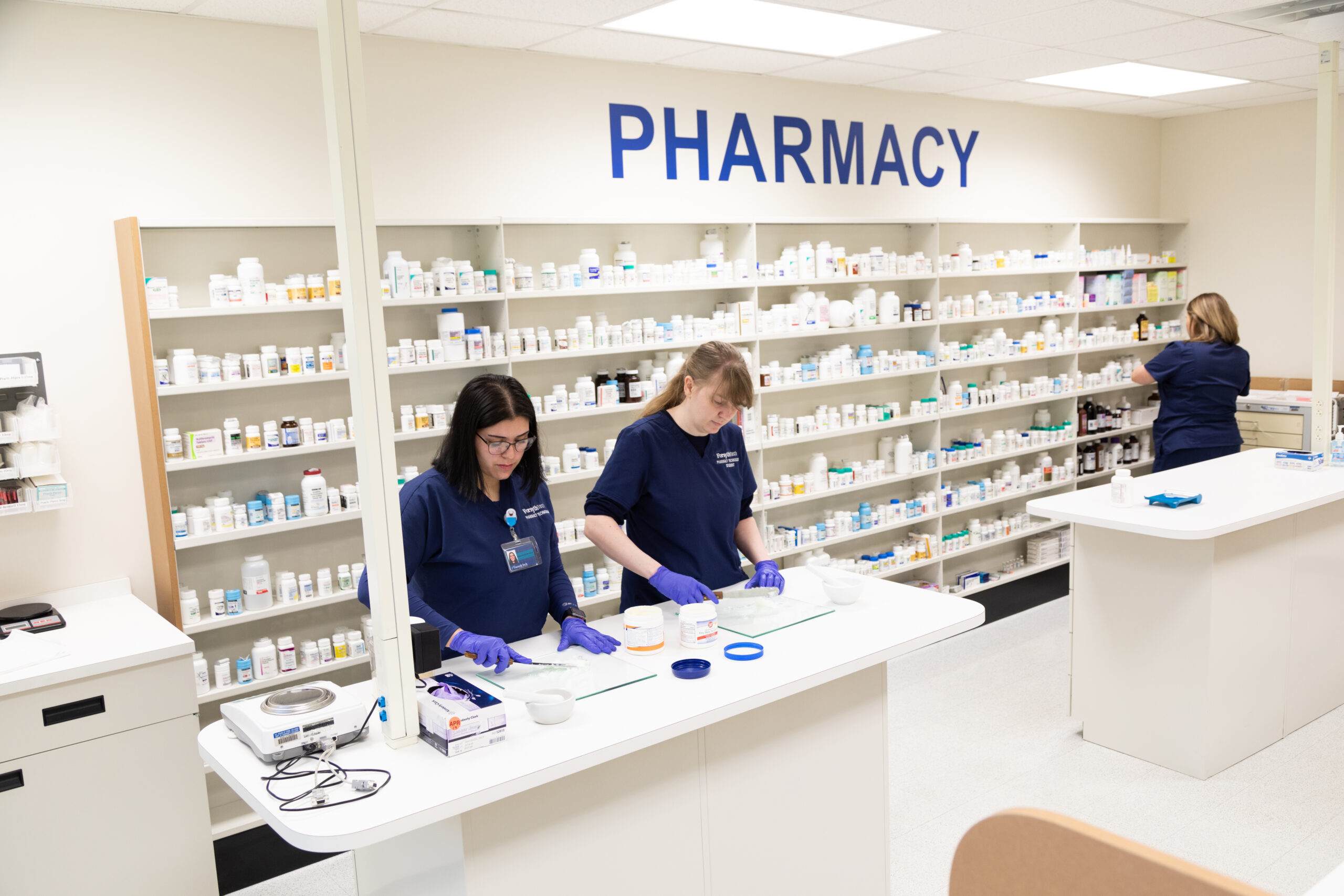
An associate degree in pharmacy tech is a comprehensive two-year college program that prepares students for advanced roles in pharmacy settings by combining classroom instruction in pharmacology, pharmacy law, and mathematics with hands-on clinical externships.
Entering the healthcare sector as a pharmacy technician offers a reliable pathway into a vital and expanding industry. While many entry-level workers enter the field via high school diplomas paired with short certificate programs or on-the-job training, an associate degree in pharmacy tech provides a deeper academic foundation. This extended educational path often leads to higher starting responsibilities, broader career advancement opportunities, and specialized roles within hospital systems, compounding facilities, and healthcare administration.
Evaluating whether this degree aligns with your professional aspirations requires a careful look at prerequisites, curriculum structures, clinical expectations, and the regulatory landscape surrounding pharmacy practice.
What is an Associate Degree in Pharmacy Tech?
An associate degree in pharmacy tech is typically offered by community colleges, technical schools, and select four-year institutions. Unlike a short-term certificate program that can be completed in a few months, an associate degree usually spans two years of full-time study, culminating in an Associate of Applied Science (AAS) or an Associate of Science (AS) degree.
The primary distinction between a certificate and an associate degree lies in the inclusion of general education requirements. Alongside core pharmacy courses—such as pharmaceutical calculations, drug classifications, and pharmacy law—students complete general education classes in English, mathematics, psychology, and biology. This broader educational exposure develops critical thinking, communication, and interpersonal skills, which are essential when interacting with patients, pharmacists, and other healthcare providers.
Furthermore, accredited associate programs often carry programmatic recognition from organizations such as the American Society of Health-System Pharmacists (ASHP) and the Accreditation Council for Education in Pharmacy (ACEP). Graduating from an ASHP/ACEP-accredited program frequently satisfies state board education requirements and streamlines the process of sitting for national certification exams.
Core Curriculum and Technical Training
The academic journey through a pharmacy technician associate program is divided between foundational science, administrative training, and practical laboratory work. Understanding the structural breakdown of this coursework helps prospective students prepare for the academic rigor of the program.
Pharmaceutical Calculations and Mathematics
Accuracy is paramount in pharmacy practice. Even a minor calculation error can lead to adverse patient outcomes. Consequently, intensive coursework in pharmaceutical calculations is a cornerstone of the curriculum. Students learn to calculate dosages, convert measurements between metric, apothecary, and household systems, determine flow rates for intravenous (IV) solutions, and calculate concentrations and dilutions.
Pharmacology and Drug Classifications
Students must memorize hundreds of brand and generic names, therapeutic uses, mechanisms of action, and potential side effects of common medications. Courses in pharmacology cover major drug classifications, including:
- Cardiovascular agents
- Central nervous system drugs
- Anti-infectives and antibiotics
- Endocrine and metabolic medications
- Respiratory treatments
Pharmacy Law, Ethics, and Quality Assurance
Pharmacy operations are heavily regulated at both state and federal levels. Future technicians study federal legislation such as the Controlled Substances Act, HIPAA privacy regulations, and Occupational Safety and Health Administration (OSHA) standards. Instruction also covers institutional policies, inventory control, prescription processing errors, and quality assurance protocols designed to protect patient safety.
Lab Work and Practical Simulations
Classrooms frequently feature simulated dispensary environments where students practice dispensing techniques, prescription data entry, inventory management, and sterile compounding procedures. Learning proper aseptic technique for preparing intravenous admixtures and chemotherapy drugs in laminar flow hoods is a vital technical skill taught during these lab sessions.
Admissions Prerequisites and Program Requirements
Gaining entry into an associate degree program typically requires meeting specific academic and administrative thresholds. While requirements vary by institution, applicants generally encounter the following criteria:
- Educational Foundation: A high school diploma or a General Educational Development (GED) certificate is mandatory. Many programs also require a minimum high school or college GPA, often around 2.0 or 2.5.
- Placement Testing: Colleges often require placement exams in mathematics and English to ensure students possess the baseline literacy and numeracy skills necessary for rigorous pharmacology coursework.
- Background Checks and Drug Screening: Because students participate in clinical rotations within active healthcare facilities, programs universally require criminal background checks and comprehensive drug panels. A criminal record involving drug offenses or felonies can disqualify a candidate from participating in clinical training and securing state licensure.
- Immunization and Health Clearances: Clinical affiliates mandate proof of vaccination, including annual influenza shots, tuberculosis (TB) skin tests, Hepatitis B series, and up-to-date immunizations for MMR and varicella.
Clinical Externships and Hands-On Experience
A vital advantage of an associate degree program is the inclusion of a supervised clinical externship. Classroom knowledge alone cannot replicate the fast-paced environment of a working pharmacy. During the final semesters of the program, students are placed in real-world healthcare settings—such as community retail pharmacies, regional hospitals, long-term care facilities, or specialty compounding pharmacies.
During these externships, students work under the direct supervision of registered pharmacists and experienced certified pharmacy technicians (CPhTs). Responsibilities transition from observation to active participation, allowing students to refine skills in:
- Receiving and reviewing prescription orders
- Interacting professionally with patients and medical staff
- Operating pharmacy management software systems
- Packaging and labeling medications
- Managing inventory and stock rotation
These clinical hours not only reinforce theoretical lessons but also serve as an extended networking opportunity. Many graduates secure employment directly with the healthcare systems or retail chains where they completed their clinical rotations.
Certificate vs. Associate Degree: Making the Choice
Deciding between a short-term certificate and a two-year associate degree depends on immediate financial goals, career ambitions, and time constraints. The following comparison highlights the operational differences between these two educational pathways.
| Feature | Pharmacy Technician Certificate | Associate Degree in Pharmacy Tech |
|---|---|---|
| Duration | 6 months to 1 year | 2 years (full-time) |
| General Education | None or minimal | Included (Math, English, Science) |
| Curriculum Focus | Core technical skills and exam prep | Comprehensive pharmacology, management, and clinical practice |
| Clinical Hours | Varies; often shorter | Extensive, structured institutional and retail rotations |
| Career Advancement | Entry-level retail and hospital roles | Leadership tracks, specialized compounding, institutional operations |
| Cost | Generally lower | Higher due to extended credit hours |
For individuals seeking the fastest route to an entry-level job, a certificate program may suffice. However, candidates looking to move into supervisory roles, hospital pharmacy operations, or specialized technical tracks often find that the associate degree provides a stronger competitive advantage.
Certification, Licensure, and Professional Credentialing
Completing an associate degree prepares graduates to take national certification examinations, which are increasingly required by employers and state boards of pharmacy. There are two primary national credentials recognized in the United States:
- Certified Pharmacy Technician (CPhT): Administered by the Pharmacy Technician Certification Board (PTCB).
- Certified Pharmacy Technician (CPhT): Administered by the National Healthcareer Association (NHA) via the ExCPT exam.
State requirements vary significantly. Some states require formal registration or licensure, background checks, continuing education (CE) credits, and passage of a national exam, while others maintain more flexible standards. Graduates should consult their specific State Board of Pharmacy to verify local compliance mandates before beginning practice.
Career Opportunities and Advancement Potential
While traditional community retail pharmacies employ the largest share of pharmacy technicians, an associate degree opens doors to diverse practice settings that often offer higher compensation and improved working conditions:
- Hospital Health-Systems: Inpatient hospital pharmacies require technicians to manage complex medication distribution systems, prepare sterile IV admixtures, and work closely with clinical pharmacists in intensive care or surgical units.
- Specialty and Compounding Pharmacies: These facilities create custom medications for patients with unique dosage requirements, requiring advanced technical training in aseptic handling and chemical measurements.
- Home Infusion Therapy: Technicians assist in preparing intravenous therapies that are administered directly in patients' homes, coordinating supply logistics and patient communications.
- Pharmacy Operations and Management: With additional education and experience, associate degree holders often transition into lead technician roles, inventory management specialists, or pharmacy operations supervisors.
Common Challenges and Practical Guidance
Pursuing and working in this field comes with distinct challenges that prospective students should anticipate:
- Physical Demands: Pharmacy technicians spend long hours standing, walking, bending, and lifting inventory bins. Physical stamina is essential.
- Mental Focus and Multitasking: The work environment can be high-stress, requiring constant attention to detail amid phone calls, patient inquiries, and prescription queues. Developing strong organizational habits early in training is critical.
- Continuing Education: Certification is not a one-time event. Credentialing bodies require ongoing continuing education credits (typically 20 hours every two years) to maintain active CPhT status, ensuring technicians stay current with evolving pharmacology.
Next Steps for Prospective Students
If you are ready to pursue an associate degree in pharmacy tech, your immediate action steps should involve researching accredited local community colleges or technical institutes. Verify their programmatic standing with organizations like the ASHP, request information regarding clinical placement partnerships, and speak with admissions counselors about financial aid and prerequisite timelines. Ensuring your chosen program aligns with your state's licensure requirements will set a solid foundation for a long and rewarding career in healthcare.