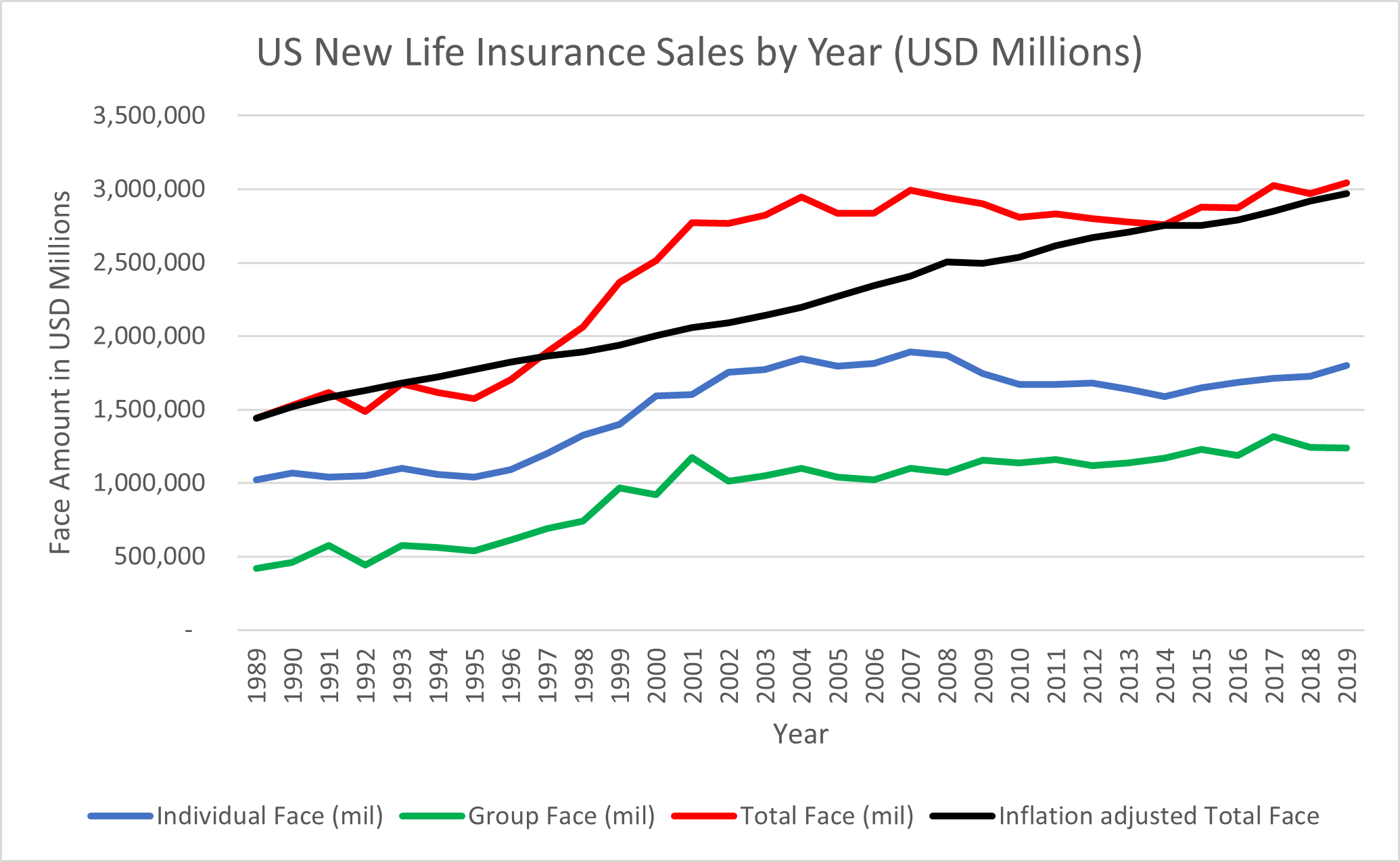
After five years of employment, an employee’s group life insurance typically remains a fundamental piece of their financial safety net, but it often undergoes changes in tax liability, portability eligibility, and benefit tiering. At this milestone, coverage is generally stable, yet the employee may face increased imputed income taxes under IRS Section 79 or gain access to enhanced "buy-up" options without additional medical underwriting.
Group life insurance is one of the most common employee benefits offered by mid-to-large-sized organizations. While the core mechanics of the policy—providing a death benefit to beneficiaries—remain constant, the administrative and financial nuances of the policy evolve as an employee’s tenure increases. After five years, an individual is no longer a "new hire" in the eyes of the benefits department; they are often a vested participant in the company’s broader culture and, potentially, its more complex insurance structures.
Understanding what happens to this coverage after a half-decade of service requires a deep dive into the intersections of tax law, contract rights, and estate planning.
The Significance of the Five-Year Tenure Milestone
In the landscape of employee benefits, five years is a symbolic and often practical threshold. For many retirement plans, this mark signifies full vesting. For group life insurance, while "vesting" in the traditional sense does not apply to term policies, this duration often correlates with changes in the employee’s life stage and professional standing.
By the fifth year, an employee has likely experienced salary increases, which directly impact the "multiple of salary" calculation used for most basic group life plans. If a policy provides two times the annual salary, and that salary has grown by 20% over five years, the death benefit has expanded proportionally without the employee taking any proactive steps. Furthermore, many corporate benefit packages are designed with "tenure tiers." Some organizations offer increased coverage limits or reduced premiums for supplemental coverage once an employee hits specific milestones, such as five or ten years.
Understanding Policy Types: Basic vs. Supplemental
To evaluate an insurance position after five years, an employee must distinguish between the two primary types of group coverage: Basic and Supplemental (or Voluntary).
Basic Group Term Life (GTL)
Basic group life insurance is usually employer-paid. The employer covers the premium, and the coverage is typically a flat amount (e.g., $50,000) or a percentage of the annual salary. After five years, this remains the "floor" of the employee's protection. Because the employer pays the premium, the employee rarely sees the cost, though they may see the tax implications on their W-2.
Voluntary/Supplemental Life Insurance
Supplemental life insurance is an elective benefit where the employee pays the premium, often through payroll deduction. After five years, the employee may have reached a point where their family needs have grown—perhaps they have bought a home or had children. At this stage, many employees look to "buy up" their coverage. A critical advantage of group plans is that many offer a "guaranteed issue" amount during initial enrollment. However, after five years, an employee wishing to increase this amount may be required to provide Evidence of Insurability (EOI), which involves answering health questions or undergoing a medical exam.
Tax Implications and IRS Section 79 in 2026
One of the most overlooked aspects of holding group life insurance for five years is the tax treatment of the benefit. Under Internal Revenue Code Section 79, the first $50,000 of employer-paid group term life insurance is tax-free to the employee.
However, if the total coverage (employer-paid) exceeds $50,000, the "value" of the excess coverage is considered a taxable fringe benefit. This value is calculated using the IRS Premium Table (often referred to as Table I).
The Impact of Age Brackets
The IRS calculates the cost of insurance based on five-year age brackets. As an employee hits the five-year mark at a company, they are five years older than when they started. If this tenure coincides with moving into a new age bracket (e.g., moving from the 35–39 bracket to the 40–44 bracket), the imputed income—the amount added to their taxable gross income—will increase.
For 2026, the IRS continues to enforce these tables strictly. An employee who was 39 when they joined the company may have had a very low imputed income tax hit. At 44, the cost per $1,000 of coverage increases significantly. Employers are required to report this imputed income on the employee's Form W-2, and it is subject to Social Security and Medicare taxes.
Portability and Conversion Rights
After five years, an employee may begin to consider their "exit strategy," whether that involves a new job, a career change, or early retirement. This is where the concepts of portability and conversion become vital. Most group life insurance policies are governed by the Employee Retirement Income Security Act (ERISA), which mandates certain disclosures regarding what happens to benefits when employment ends.
Portability: Taking the Coverage with You
Portability allows an employee to "port" their group term coverage into a separate individual term policy if they leave the company. After five years of service, an employee is often well-entrenched in the plan, making portability a convenient option. The advantage is that the rates are still based on "group" metrics, though they are usually higher than the active employee rates.
Conversion: Switching to a Permanent Policy
Conversion is a different right. It allows the employee to convert their group term coverage into a permanent (whole life) policy without a medical exam. This is a crucial protection for an employee who may have developed health issues during those five years that would make them uninsurable on the private market. While conversion is expensive, it guarantees that the coverage will not lapse as long as premiums are paid.
The Role of Evidence of Insurability (EOI)
As tenure increases, the likelihood of needing to use EOI also increases. Most employees enroll in the "guaranteed issue" amount when they are hired. If an employee decides after five years that they need more coverage—perhaps due to a life event like marriage or the birth of a child—the insurance carrier will likely require EOI.
The EOI process typically includes:
- A Health Questionnaire: Questions regarding tobacco use, chronic conditions, and recent hospitalizations.
- Attending Physician Statement (APS): The carrier may request records from the employee's doctor.
- Paramedical Exam: A physical check involving blood pressure, height, weight, and blood samples.
For an employee who has been with a company for five years, it is often easier to increase coverage during a "Qualified Life Event" (QLE) window, where some carriers waive or relax EOI requirements for a small increase in coverage.
Comparison: Portability vs. Conversion
For an employee evaluating their options after five years, the following table clarifies the differences between these two exit-rights.
| Feature | Portability | Conversion |
|---|---|---|
| Policy Type | Usually Term Life | Usually Permanent (Whole/Universal) Life |
| Medical Exam | Not required (within limits) | Never required |
| Cost/Premiums | Moderate (Group-based rates) | High (Standard individual rates) |
| Duration | Ends at a certain age (e.g., 70 or 75) | Coverage for life |
| Cash Value | No | Yes, builds over time |
| Best For | Healthy individuals between jobs | Individuals with health issues |
Beneficiary Designations: A Five-Year Review
A critical task for any employee who has held a policy for five years is the audit of beneficiary designations. Life changes significantly over a half-decade. An employee may have named a parent or a sibling when they started, but after five years, they may now have a spouse or children who should be the primary beneficiaries.
It is important to remember that life insurance is a non-probate asset. This means the death benefit is paid directly to the named beneficiary on file with the insurance company, regardless of what a will or trust might say. If an employee's records are five years out of date, the money could go to an ex-spouse or a deceased relative, leading to legal complications and financial hardship for the intended heirs.
Primary vs. Contingent Beneficiaries
- Primary: The first person (or entity) in line to receive the death benefit.
- Contingent: The "backup" who receives the benefit only if the primary beneficiary is deceased or unable to accept the funds.
After five years, an employee should ensure that both levels are clearly defined and that the contact information for these individuals is updated in the employer’s benefits portal.
Common Challenges and Troubleshooting
Even with five years of history, issues can arise with group life insurance.
- The "Actively at Work" Clause: If an employee is on long-term disability or an extended leave of absence at the five-year mark, their coverage may be at risk. Most policies require the employee to be "actively at work" for coverage to remain in force or for increases to take effect.
- Carrier Changes: Employers frequently shop for new insurance carriers to save costs. If the employer switches carriers after an employee has been there for five years, the employee should verify that all "grandfathered" supplemental amounts and EOI approvals transition to the new carrier correctly.
- Salary Caps: Many group plans have a maximum benefit cap (e.g., $500,000). A high-earning employee who has seen significant raises over five years may hit this cap, meaning their "2x salary" benefit is actually lower than they expect. In these cases, supplemental private insurance is necessary to bridge the gap.
Practical Next Steps for Employees
If you are an employee who has reached the five-year milestone with your employer, take the following actions to optimize your group life insurance:
- Download the Summary Plan Description (SPD): This document contains the legal definitions of your rights, including the specific timelines for portability and conversion.
- Check Your Paystub: Look for "GTL Imputed Income" or similar codes. Calculate if the tax hit is worth the coverage or if you should adjust your supplemental elections.
- Verify Beneficiaries: Log into your benefits portal today and ensure the names and Social Security numbers of your beneficiaries are accurate.
- Assess Total Need: Life insurance needs often grow faster than salary. Use a "DIME" (Debt, Income, Mortgage, Education) calculation to see if your group coverage is still sufficient after five years of lifestyle changes.
- Consult a Financial Advisor: Group life insurance is a "perk," but it should not be your only insurance. Because it is tied to your job, losing that job means losing your coverage (unless you pay the higher conversion rates). A private policy can provide more permanent, portable security.