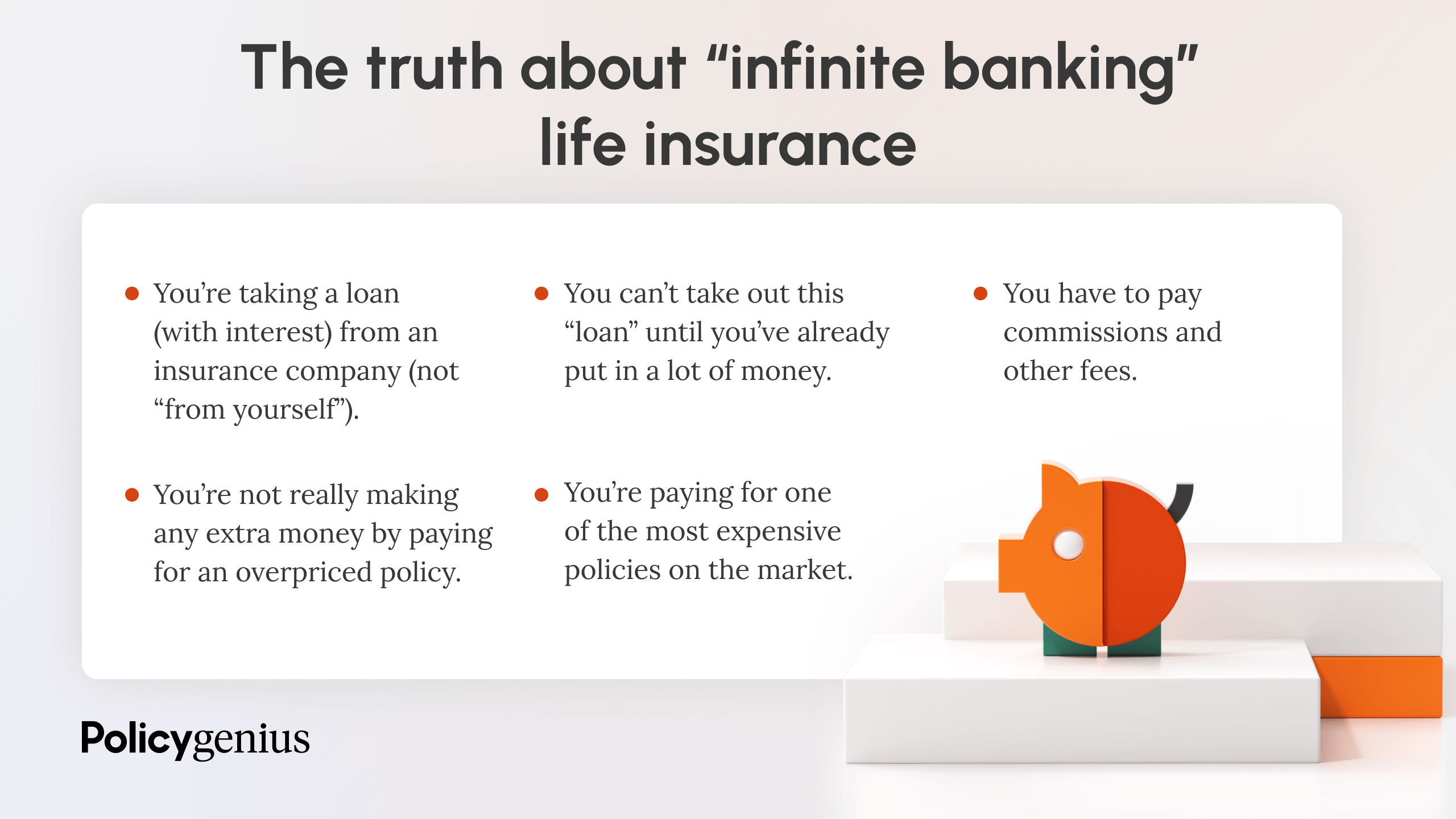
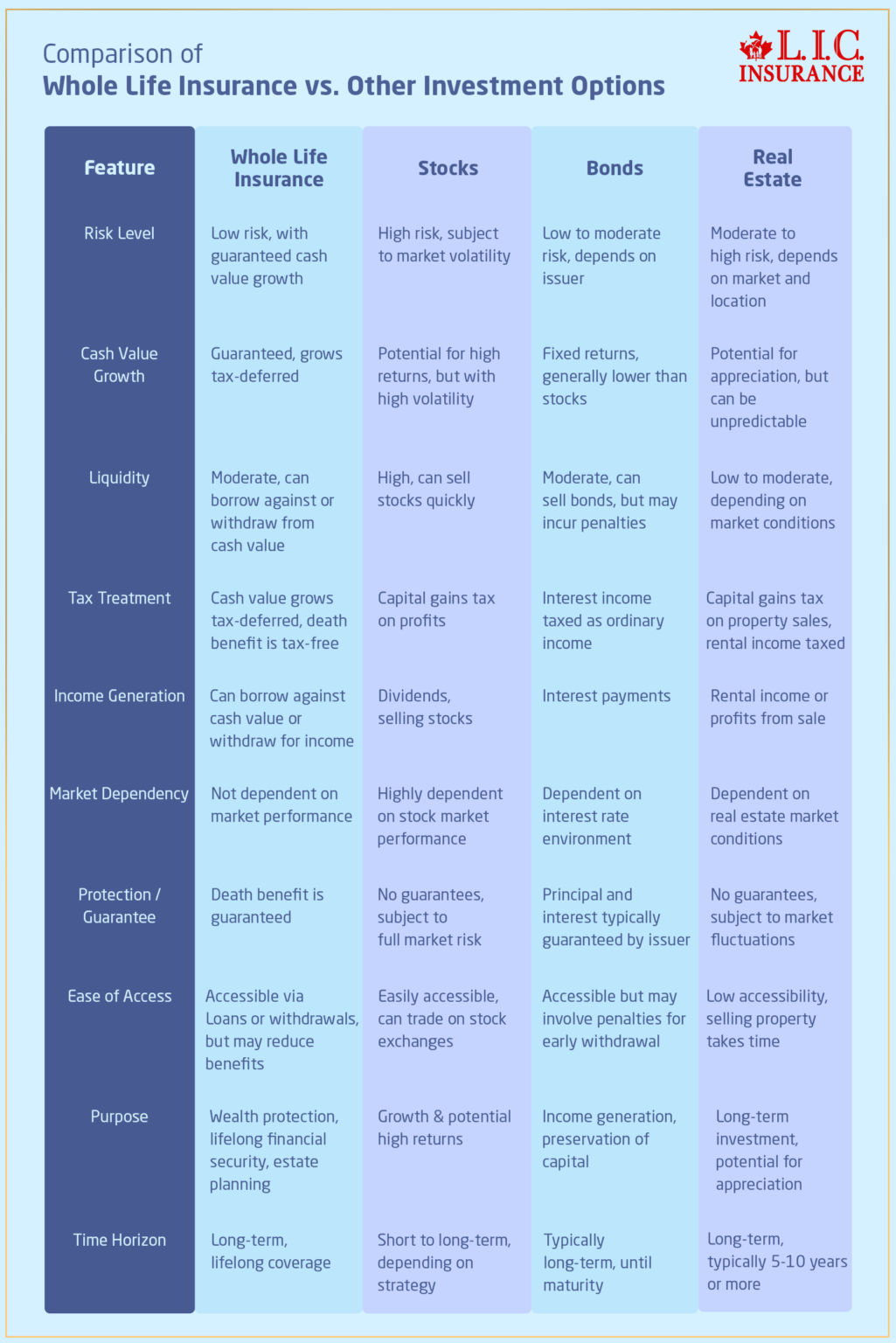
An alternative approach to purchasing whole life insurance is to use infinite banking, a financial strategy that restructures standard dividend-paying whole life policies to prioritize cash value growth over initial death benefit coverage. By allocating a higher percentage of premium payments toward Paid-Up Additions (PUA) riders while maintaining compliance with internal revenue tax limits, policyholders create high-liquidity financial reserves that can be borrowed against to self-finance personal purchases, investments, or business expenses.
Traditional purchasing of whole life insurance historically focused on providing a permanent death benefit with slow, long-term equity build-up. In contrast, using the Infinite Banking Concept (IBC)—popularized by financial author R. Nelson Nash in the early 2000s—transforms the policy into an active cash-management repository. This guide breaks down how an alternative approach to purchasing whole life insurance works through infinite banking, examining policy structure, tax mechanics, loan operations, strategic benefits, and critical risk factors.
Traditional Whole Life vs. The Infinite Banking Approach
To understand how infinite banking alters life insurance design, one must contrast standard insurance purchasing practices with liquidity-focused policy engineering.
- Traditional Whole Life Approach
- Base Premium (~90-100%)
- Maximum Initial Death Benefit
- Slow Early Cash Value Accumulation
- Base Premium (~90-100%)
- Infinite Banking Approach (IBC)
- Base Premium (~10-30%)
- Required Minimum Death Benefit
- PUA Rider (~70-90%)
- Immediate Liquidity & Accelerated Cash Growth
- Base Premium (~10-30%)
The Traditional Whole Life Model
When an individual purchases a standard whole life insurance policy, virtually 100% of the initial premium payments fund the base policy contract. In the early policy years (typically years 1 through 5), a massive portion of these funds covers front-loaded insurance costs, underwriting fees, and agent commissions. Consequently:
- Early Cash Value is Negligible: The policyholder often has zero access to cash reserves during the first two years.
- Primary Goal is Protection: The policy is optimized to maximize the face value (death benefit) paid to beneficiaries upon the insured's passing.
- Static Asset Utilization: Cash value grows steadily over decades according to guaranteed schedule rates, but functions as a passive savings vehicle rather than a flexible cash-flow tool.
The Infinite Banking Model
When applying the infinite banking strategy, the approach to purchasing whole life insurance shifts from passive protection to active capital management. The policy design is customized to minimize the base insurance cost while maximizing the cash accumulation speed:
- High Initial Cash Accumulation: Up to 70% to 90% of the first-year premium can be converted into accessible cash value immediately (often within 30 days of policy issuance).
- Capital Velocity Focus: The owner uses accumulated cash value as collateral for low-friction policy loans, putting capital to work in private investments, debt payoff, or business expansion while the underlying insurance cash value continues compounding.
- Optimized Death Benefit: The initial death benefit is kept at the minimum allowable level necessary to preserve tax-advantaged life insurance status under federal law.
Policy Engineering: How Infinite Banking Restructures Whole Life Contracts
Implementing infinite banking requires working with specialized insurance agents who understand how to blend baseline coverage with policy riders. A standard off-the-shelf policy will not accomplish the liquidity goals of this strategy.
The Paid-Up Additions (PUA) Rider
The foundation of an infinite banking policy is the Paid-Up Additions (PUA) rider. A paid-up addition is a small piece of fully paid-up whole life insurance that carries its own mini-death benefit and immediate cash value.
When premiums are directed into a PUA rider rather than the base premium:
- The cash value component of the payment is available almost immediately.
- The small accompanying death benefit permanently expands the overall policy contract size.
- Future dividends declared by the insurer compound based on the total accumulated cash value, including all paid-up additions.
Base Premium vs. Rider Split
In a standard whole life policy, 100% of the payment is base premium. In an infinite banking policy design, the target split is frequently engineered around 10/90 to 30/70, where 10% to 30% of the total annual outlay goes toward the base premium, and 70% to 90% is directed into the PUA rider.
Lowering the base premium reduces agent commissions and structural administrative fees, ensuring that a significantly larger portion of every dollar paid into the policy translates into equity owned by the policyholder.
Managing Modified Endowment Contract (MEC) Limits
The primary constraint when engineering a high-cash-value policy is federal tax regulation. Under the U.S. Internal Revenue Code (IRC Section 7702), insurance contracts that are funded too quickly lose their tax-free withdrawal and loan privileges and are classified as Modified Endowment Contracts (MECs).
To maintain non-MEC status under the Internal Revenue Service (IRS) rules:
- The policy must pass the "7-Pay Test," which limits the total amount of cumulative premium that can be paid into a policy during its first seven years relative to the death benefit.
- Designers must precisely calibrate the minimum base death benefit to accommodate the desired annual PUA contributions without crossing the MEC threshold.
- If a policy becomes a MEC, policy loans and withdrawals are taxed on a Last-In, First-Out (LIFO) basis, and distributions taken prior to age 59½ become subject to a 10% federal tax penalty.
Financial Mechanics: How Policy Loans and Uninterrupted Compounding Function
The core financial thesis of infinite banking relies on leveraging policy loans rather than liquidating assets to finance expenses.
- Mutual Life Insurance Co.
- Policy Loan Collateral (Cash Value Remains Intact)
- Policyholder Liquid Capital
- Policy Dividends & Guaranteed Interest
- Total Cash Value (Compounds 100% of Original Account)
- Policy Loan Collateral (Cash Value Remains Intact)
Borrowing Against Cash Value vs. Direct Account Withdrawal
In standard banking, withdrawing money from a savings account reduces the principal balance to zero, halting all future interest earnings on those spent funds.
Under the infinite banking model, policyholders do not withdraw their cash value. Instead, they request a policy loan from the issuing mutual life insurance company, using their policy's cash value as sole collateral.
- Uninterrupted Growth: Because the cash value remains inside the insurance policy contract, 100% of the principal continues to earn guaranteed interest rates and potential non-guaranteed dividends, regardless of the outstanding loan balance.
- No Credit Checks or Approval Delays: Because the loan is fully collateralized by the insurance company’s internal contract, there are no credit score checks, debt-to-income evaluations, or formal approval applications required.
- Flexible Repayment Terms: The policyholder sets their own loan repayment schedule. Interest accrues on the outstanding loan balance, but there are no mandatory monthly payments or fixed amortizations enforced by external lenders. If the insured passes away with an open loan, the outstanding loan balance plus accrued interest is deducted from the tax-free death benefit paid to beneficiaries.
Mutual Insurance Companies and Dividend Performance
Infinite banking strategies are executed almost exclusively through participating mutual insurance companies rather than publicly traded stock insurance companies.
| Policy Feature | Participating Mutual Insurance Company | Stock Insurance Company |
|---|---|---|
| Primary Ownership Structure | Owned entirely by policyholders | Owned by public stock shareholders |
| Profit Distribution Target | Profits distributed to policyholders as dividends | Profits distributed to stock investors |
| Policyholder Dividend Eligibility | Eligible for non-guaranteed annual policy dividends | Generally ineligible for participating policy dividends |
| Focus of Management | Long-term solvency and policyholder value | Quarterly earnings expectations for shareholders |
Dividends received from a mutual insurance company are classified by the IRS as a non-taxable return of premium (up to the policy's cost basis), allowing account balances to grow compoundingly on a tax-deferred basis under IRC Section 72.
Direct vs. Non-Direct Recognition Lenders
When selecting an insurer for infinite banking, the carrier's loan recognition method dictates long-term performance:
- Non-Direct Recognition: The insurance carrier pays the exact same dividend rate on the cash value, regardless of whether a policy loan is outstanding against it. This is the preferred method for infinite banking practitioners because capital productivity is unaffected by borrowing.
- Direct Recognition: The carrier adjusts the dividend rate paid on the specific portion of cash value that is encumbered by a policy loan. Depending on prevailing market interest rates, the dividend on borrowed capital may be higher or lower than the dividend paid on unencumbered capital.
Comparing Whole Life Strategies: Traditional Purchasing vs. Infinite Banking
The functional differences between purchasing standard whole life coverage and building an infinite banking structure impact policy structure, liquidity schedules, and total capital availability.
| Feature / Metric | Traditional Whole Life Purchasing | Infinite Banking (IBC) Structuring |
|---|---|---|
| Primary Strategic Objective | Permanent death benefit protection for heirs | High early liquidity, capital preservation, and cash flow control |
| Typical Premium Allocation | 90%–100% Base Insurance / 0%–10% PUA Rider | 10%–30% Base Insurance / 70%–90% PUA Rider |
| First-Year Cash Value Liquidity | 0% – 10% of total paid premium | 60% – 90% of total paid premium |
| Initial Death Benefit Size | Maximized per dollar of annual premium outlay | Minimized to floor necessary to prevent MEC tax status |
| Underwriting Focus | Pure mortality risk appraisal | Integrated mortality risk and cash flow capitalization planning |
| Loan Management Strategy | Emergency liquidity resource of last resort | Primary financing mechanism for investments, debt, and purchases |
| Underlying Insurance Carrier Type | Mutual or Stock Insurance Companies | Participating Mutual Insurance Companies only |
| Tax Status Compliance | Standard Non-MEC Life Contract | High-PUA Non-MEC Contract engineered to IRC §7702 |
Practical Steps to Implement an Infinite Banking Strategy
Executing an alternative approach to purchasing whole life insurance requires careful steps to protect tax efficiency and maintain contract integrity.
- STEP 1: Assess Financial Liquidity & Long-Term Cash Flow Capacity
- STEP 2: Select a Participating Mutual Life Insurance Carrier
- STEP 3: Engineer Policy Architecture (Blend Base Premium + PUA Rider below MEC)
- STEP 4: Complete Medical Underwriting & Policy Issue
- STEP 5: Capitalize Cash Value & Utilize Policy Loans for Strategic Cash Flow
Step 1: Health and Insurability Assessment
Because whole life insurance policies require mortality underwriting, the contract owner or named insured must undergo medical screening.
- If the prospective owner has severe health impairments that elevate base insurance costs, the policy can often be written on a family member (such as a spouse, child, or business partner) in whom the contract owner has an insurable interest.
- The owner retains full control of the cash value, loan access, and dividend distributions regardless of who is named as the insured individual.
Step 2: Selecting a Mutual Insurance Company
Evaluate mutual insurance carriers based on standard financial stability ratings provided by independent rating agencies like A.M. Best, Fitch, Moody's, or Standard & Poor's. Key selection criteria include:
- Continuous history of paying annual dividends to participating policyholders (preferably 100+ unbroken years).
- Availability of flexible PUA riders that allow variable or lump-sum contribution adjustments.
- Favorable policy loan terms, competitive interest rate structures, and explicit non-direct or favorable direct recognition rules.
- Detailed policy guidelines monitored through regulatory bodies like the National Association of Insurance Commissioners (NAIC).
Step 3: Structuring the Policy (MEC Limit Optimization)
Work with a qualified financial professional or life insurance specialist to draft illustrations.
- Set the target annual premium outlay based on consistent, reliable cash flows rather than speculative future income.
- Calibrate the base death benefit floor precisely to maximize PUA absorption while leaving a buffer against IRS Section 7702 MEC violations.
- Determine whether the policy should include term insurance blenders—a temporary term rider that inflates the total death benefit at low cost, allowing for higher PUA deposits in early years without triggering a MEC.
Step 4: Capitalizing and Funding the Policy
Commit to funding the contract on schedule during the capitalization phase (typically years 1 through 5).
- Treat the premium payment as a non-negotiable transfer of capital into personal cash reserves.
- Pay PUA premiums consistently to maximize account compounding dynamics.
Step 5: Utilizing Policy Loans and Managing Cash Flow
Once sufficient cash value accumulates, execute planned financial transactions using policy loans:
- Request policy loans directly through the carrier's policyholder portal.
- Use borrowed capital to purchase cash-flowing assets (e.g., real estate, private business debt) or replace high-interest commercial bank loans.
- Establish a disciplined personal repayment schedule to return principal and loan interest back to the insurance policy, restoring available borrowing capacity for future opportunities.
Risks, Limitations, and Common Pitfalls
While using infinite banking offers cash management flexibility, it is not a universally suitable solution for all financial situations. Consumers must evaluate key operational limitations and structural risks.
- Critical Risks & Pitfall Factors
- Early Capital Drag: First 3-5 years cash value < total premium paid
- Policy Over-Leverage: Unpaid loan interest can trigger policy lapse & massive tax liabilities
- Cost Commitment: Inability to pay base premium causes contract loss
- Agent Misdesign: Over-promising results or high-commission base setup
1. The Early Capital Drag Period
Even when optimized with high PUA allocations, whole life policies experience a breakeven lag. During the first 3 to 5 years, total accumulated cash value will generally be lower than the total cumulative premiums paid. Investors looking for immediate 1:1 liquidity on day one or short-term speculative returns will find infinite banking inefficient compared to basic liquid money market accounts.
2. Policy Lapse and Tax Catastrophe
The most severe risk of infinite banking is policy surrender or lapse caused by unmanaged policy loans.
- If a policy loan balance grows larger than the total remaining cash value—due to compounding unpaid loan interest—the insurance carrier will terminate the policy contract.
- If a policy lapses while policy loans are active, the IRS treats all forgiven loan amounts over the policy's cost basis as taxable ordinary income. This can trigger a sudden tax liability without cash on hand to pay it.
3. Illiquidity of Base Premium Commitments
Unlike contributions to brokerage accounts or standard bank savings deposits, the base premium portion of a whole life policy represents a mandatory long-term contractual commitment. If a policyholder experiences job loss or severe financial hardship and fails to pay the required base premium during early policy years, the contract risks surrendering at a substantial net loss.
4. Over-Optimistic Illustrations and Aggressive Sales Tactics
Prospective buyers must remain cautious regarding policy sales illustrations.
- Dividend rates declared by mutual life insurance carriers are non-guaranteed. An illustration assuming a historical 5.5% or 6.0% dividend rate over 30 continuous years is a projection, not a guaranteed return rate.
- Regulatory disclosures published by authorities such as FINRA highlight that insurance products should not be misrepresented as identical substitutes for traditional checking or savings bank accounts.
- Working with an agent who designs a policy with high base insurance premiums to maximize their upfront commission—rather than optimizing PUA riders—will severely sabotage the cash accumulation speed required for infinite banking.
Frequently Asked Questions
Is infinite banking a legally recognized tax loop?
No, infinite banking is not a legal loop or tax shortcut. It is an application of long-standing federal tax laws governing dividend-paying whole life insurance policies. Under IRC Section 7702 and Section 72, growth inside a life insurance policy is tax-deferred, death benefits pass tax-free to beneficiaries, and loans taken against the policy cash value are not considered taxable income as long as the policy remains active and non-MEC.
Can I use infinite banking instead of an emergency fund?
Once an infinite banking policy reaches its breakeven point (typically years 4 through 7), the cash value can serve as an accessible liquidity reserve. However, during the initial capitalization phase, cash value may be less than total premiums paid. Individuals should maintain a standard short-term liquid emergency fund in a high-yield bank savings account before committing major cash flows to building an infinite banking contract.
What happens if I stop paying premiums into an infinite banking policy?
If you can no longer fund the policy, mutual life insurance contracts offer several non-forfeiture options. You can use existing cash value to convert the policy into a "Reduced Paid-Up" policy, which eliminates future premium obligations while preserving a lower, permanent tax-free death benefit and cash value balance. Alternatively, accumulated policy dividends can be directed to pay the base premium automatically.
How does policy loan interest work in an infinite banking strategy?
Insurance companies charge interest on policy loans because they are lending their own capital while your cash value remains intact to earn dividends. If the policy dividend rate is 5.0% and the loan interest rate is 5.5%, your net cost of borrowing capital is 0.5%. Some policies operate with non-direct recognition, allowing your total cash value to compound at the full dividend rate regardless of outstanding loan balances.
How is infinite banking different from Bank-Owned Life Insurance (BOLI)?
While both strategies use high-cash-value life insurance policies, Bank-Owned Life Insurance (BOLI) is purchased by commercial banking institutions on executive employees to offset employee benefit costs and shelter reserves tax-efficiently. Infinite banking applies similar cash-management concepts for individuals, small business owners, and private investors using individually owned participating whole life policies.
Strategic Recommendations and Next Steps
Using infinite banking as an alternative approach to purchasing whole life insurance changes the asset from a passive death-benefit strategy into a private liquidity reservoir. However, executing this strategy successfully requires precise policy engineering, disciplined long-term budgeting, and ongoing management.
Who Should Consider This Strategy:
- High-Income Earners & Business Owners: Individuals with consistent cash flow who want an accessible capital pool to fund equipment, payroll, or business growth without relying on commercial bank approvals.
- Real Estate and Private Equity Investors: Investors looking to keep capital earning compound returns inside an insurance environment while simultaneously leveraging policy loans to acquire tangible assets.
- Long-Term Wealth Builders: People seeking tax-advantaged capital preservation tools who have a 10-to-20-year financial planning horizon.
Action Plan for Implementation:
- Verify Cash Flow Stability: Ensure you have reliable income to cover the mandatory base premium component for at least 5 to 10 years without causing personal financial strain.
- Work with an Experienced IBC Specialist: Seek an insurance professional certified in infinite banking practices who is willing to construct maximum-PUA, low-commission policy illustrations.
- Audit Policy Design for Non-MEC Compliance: Review the policy contract to verify that the blend of base premium, term blenders, and PUA riders sits safely below the IRS 7-pay MEC threshold.
- Establish a Personal Loan Repayment Plan: Develop a disciplined repayment system for any funds borrowed against the policy to protect cash value growth and prevent policy lapse risks.
Professional Advice Limitation
This article is provided strictly for educational and informational purposes and does not constitute formal legal, tax, or financial investment advice. Tax laws (including IRC Sections 72 and 7702), insurance carrier dividend rates, and regulatory rules are subject to change. Always consult a certified financial planner (CFP), CPA, or licensed insurance professional to evaluate your personal financial circumstances before purchasing or modifying any life insurance product.