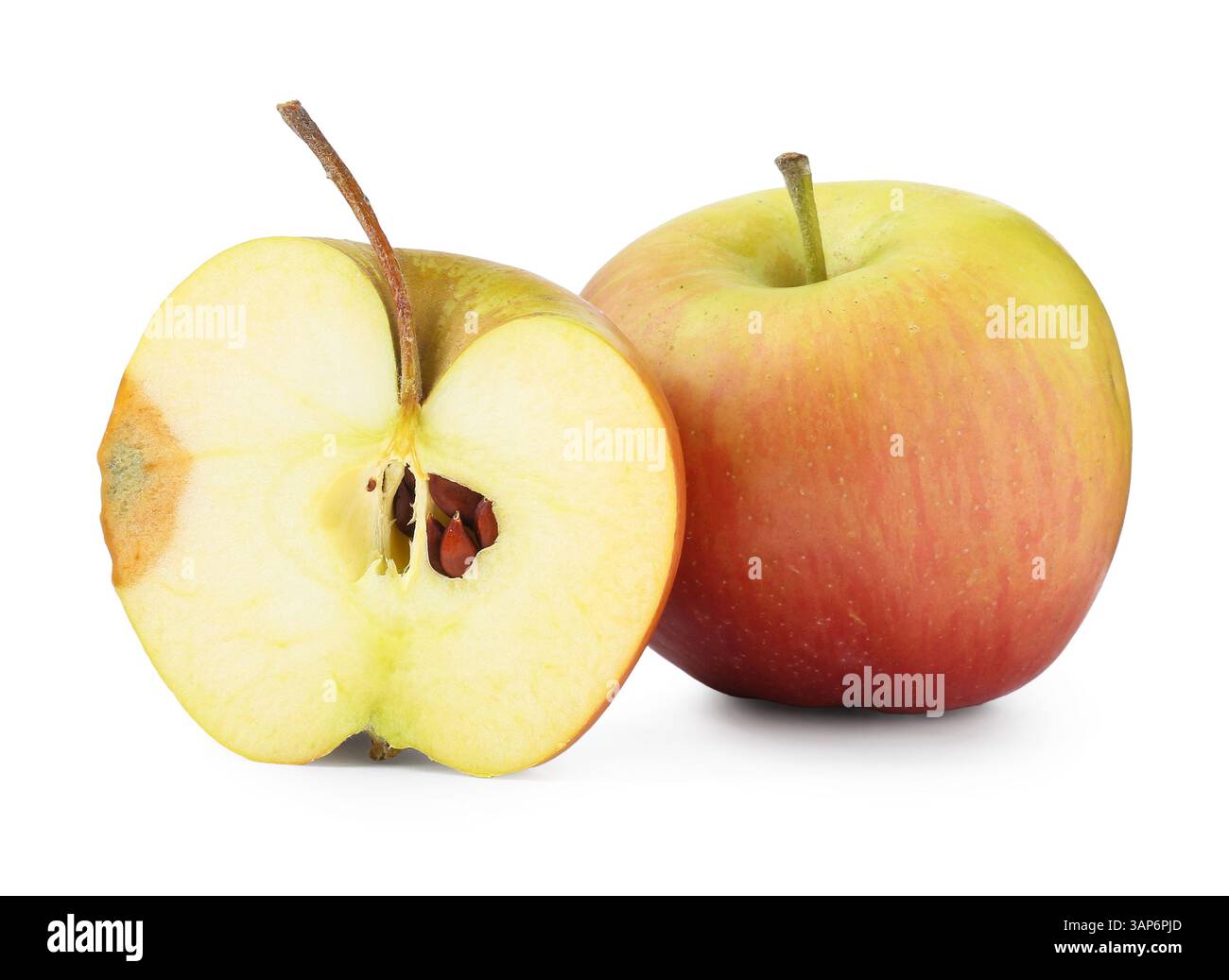
When an apple is cut, it undergoes a physical change because its size, shape, and surface area are altered without changing its underlying chemical composition. However, the exposed flesh almost immediately initiates a separate secondary chemical process known as enzymatic browning. Understanding this distinction clarifies the fundamental difference between altering an object's external state and transforming its molecular identity.
Understanding Matter Changes: Physical Versus Chemical
To evaluate what happens when an apple is cut, one must first establish the scientific criteria that separate physical changes from chemical changes. In chemistry, matter constantly undergoes transformations driven by external forces, temperature fluctuations, and interactions with other substances. These transformations are categorized based on whether the molecular bonds of the substance are broken and rearranged to form entirely new chemical species.
A physical change alters the form, appearance, state, or size of a material, but it does not alter its internal chemical identity. The molecules that make up the substance before the change remain identical to the molecules after the change. Examples include melting ice, tearing paper, dissolving sugar in water, and slicing fruit. No new substances are created during a physical change, and the process can often be reversed using simple physical or mechanical methods.
Conversely, a chemical change, or chemical reaction, occurs when bonds between atoms are broken and new bonds are formed. This results in the creation of one or more entirely new substances with different chemical and physical properties than the starting materials. Indicators of a chemical change include unexpected color changes, the release or absorption of heat, the production of light, the formation of a gas (bubbling or fizzing), or the creation of a precipitate. Chemical changes are generally difficult to reverse without undertaking subsequent chemical reactions.
The Mechanics of Cutting an Apple
When a chef's knife or utility blade slices through an apple, mechanical force is applied to overcome the intermolecular forces holding the cellular structure of the fruit together. This action separates the apple into distinct pieces, reducing the macroscopic dimensions of the whole fruit while creating smaller segments, slices, or cubes.
At the microscopic level, slicing an apple severs countless individual plant cells. Plant cells feature rigid cell walls composed of cellulose, hemicellulose, and pectin. Inside these walls are cell membranes containing cytoplasm, vacuoles filled with sugars and organic acids, and various organelles. When the blade passes through, these structures are ruptured cleanly along the cutting plane.
Despite this cellular destruction, the chemical compounds inside the apple—such as fructose, sucrose, water, malic acid, and various vitamins—remain structurally intact. The water molecules are still water, the sugar molecules are still sugar, and the organic acids have not bonded with new elements to form foreign compounds. Because the molecular formula of the apple's tissue components remains unchanged by the act of slicing, the cutting action itself is exclusively a physical change.
The Secondary Process: Enzymatic Browning
The initial confusion regarding whether cutting an apple is a physical or chemical change arises because slicing triggers an immediate secondary process that is chemical. This phenomenon is known as enzymatic browning, and it transforms the bright white or yellowish flesh of the apple into an unappealing brown color after a few minutes of air exposure.
Enzymatic browning occurs because the cutting action breaches the barriers that normally keep specific enzymes and substrates compartmentalized within the apple's cells. Under normal conditions, polyphenol oxidase (PPO) enzymes are located in the chloroplasts and cytoplasm, while phenolic compounds (substrates) are safely stored inside the plant cell vacuoles.
When the cell walls are ruptured by the knife blade, PPO and phenolic compounds are released from their separated compartments and come into direct contact with one another. Furthermore, atmospheric oxygen gas ($O_2$) diffuses into the newly exposed cellular surfaces.
This three-way interaction sets off a rapid biochemical cascade:
- Hydroxylation: The polyphenol oxidase enzyme catalyzes the oxidation of colorless phenolic compounds into colorless diphenols.
- Oxidation: The diphenols are further oxidized by the enzyme in the presence of oxygen to form highly reactive colored compounds known as quinones.
- Polymerization: The quinones spontaneously polymerize into complex, dark-colored pigments called melanins, which create the visible brown surface layer on the sliced apple.
This sequence is a textbook chemical change. New chemical substances (melanins and quinones) are synthesized through the breaking and forming of chemical bonds, driven by enzyme catalysis and oxidation. However, it is vital to note that this chemical reaction is a consequence of the physical cut, not the cutting process itself. The knife does not chemically alter the apple; rather, it removes the physical barriers that prevented the apple's internal chemicals from reacting with atmospheric oxygen.
| Aspect | Cutting the Apple (Physical Change) | Browning Reaction (Chemical Change) |
|---|---|---|
| Primary Driver | Mechanical force applied via a blade | Enzymatic catalysis and atmospheric oxidation |
| Molecular Impact | Cell walls are ruptured; molecules remain unchanged | Phenolic compounds are converted into melanins |
| New Substances | None created; fragments retain original composition | New compounds (quinones and melanins) are formed |
| Reversibility | Impossible to re-fuse the cells seamlessly without growing tissue | Irreversible at the molecular level once melanin forms |
| Timing | Instantaneous upon contact with the blade | Gradual, developing over several minutes of air exposure |
Real-World Implications in Culinary Science
Recognizing the boundary between the physical act of cutting and the subsequent chemical browning process is essential for food preservation, culinary preparation, and agricultural storage. Chefs, food scientists, and home cooks utilize principles of chemistry and physics to inhibit enzymatic browning without altering the nutritional value or physical structure of the fruit.
Inhibiting Enzymatic Browning
Because enzymatic browning requires active polyphenol oxidase enzymes, oxygen, and optimal pH levels, intervention methods target one or more of these requirements:
- Excluding Oxygen: Submerging apple slices in water or vacuum-sealing them in plastic bags restricts access to atmospheric oxygen, slowing down the oxidation phase of the chemical reaction.
- Acidification: Polyphenol oxidase operates best at a neutral or slightly acidic-to-alkaline pH (optimal around pH 6 to 7). Applying lemon juice, ascorbic acid (vitamin C), or citric acid drops the pH of the apple's surface, which inhibits enzyme activity. Furthermore, ascorbic acid acts as an antioxidant, preferentially reacting with oxygen before the PPO enzymes can oxidize the phenolic compounds.
- Thermal Inactivation (Blanching): Exposing apple slices to high heat (such as boiling water or steam) denatures the polyphenol oxidase proteins. High temperatures alter the tertiary structure of the enzyme, rendering it incapable of binding to phenolic substrates. While effective at stopping browning, this process also softens the apple tissue, initiating a physical change in texture.
Common Misconceptions Regarding Fruit Transformations
Food science concepts often generate debate regarding classification. Analyzing common misconceptions helps solidify the distinction between physical and chemical processes in everyday items like fruit.
Some observers argue that because the apple's texture softens over time, or because it eventually rots, the entire sequence from cutting to decay must be a single chemical phenomenon. In reality, food spoilage and ripening involve complex biological and chemical shifts (such as the breakdown of pectin by microbes and the emission of ethylene gas), but these are distinct from the mechanical act of slicing.
Another frequent point of confusion involves the energy expended during cutting. Slicing an apple requires physical work and generates microscopic amounts of friction heat. However, this energy transfer does not alter molecular bonds within the apple tissue, distinguishing it fundamentally from combustion, baking, or digesting food.
Frequently Asked Questions
Does cutting an apple change its nutritional value?
The initial physical act of cutting does not significantly alter the nutritional value of an apple. However, prolonged exposure to air can lead to the gradual degradation of sensitive nutrients like vitamin C (ascorbic acid) through oxidation. Storing sliced apples properly minimizes this loss.
Can you reverse the browning reaction on a cut apple?
No, the enzymatic browning reaction is chemically irreversible. Once colorless phenolic compounds are converted into dark melanin pigments, those molecules cannot be converted back. However, you can mask the appearance or prevent further browning by applying antioxidants like lemon juice immediately after slicing.
Why do some apple varieties brown faster than others?
Different apple cultivars contain varying concentrations of polyphenol oxidase enzymes and phenolic substrates. Varieties bred for high sweetness or specific textures may have higher or lower enzymatic activity. For instance, modern non-browning apple varieties are genetically modified or selected to suppress the expression of PPO enzymes entirely.
Is the brown layer on a cut apple harmful to eat?
The brown layer resulting from enzymatic browning is entirely safe to consume. It consists of harmless melanin pigments similar to those found in human skin pigmentation. While the texture may become slightly dry or spongy, and the flavor may develop a mild bitterness, eating browned apples poses no health risk.
Conclusion and Practical Recommendations
Slicing an apple is fundamentally a physical change because it alters only the size, shape, and macroscopic structure of the fruit while leaving its internal molecules intact. The brown color that appears afterward is a separate, secondary chemical change driven by enzyme-catalyzed oxidation. To keep sliced apples fresh and visually appealing for school lunches, meal prep, or culinary presentations, apply a mild food-safe acid such as lemon juice or submerge the slices in water to block atmospheric oxygen from contacting the exposed cellular contents.