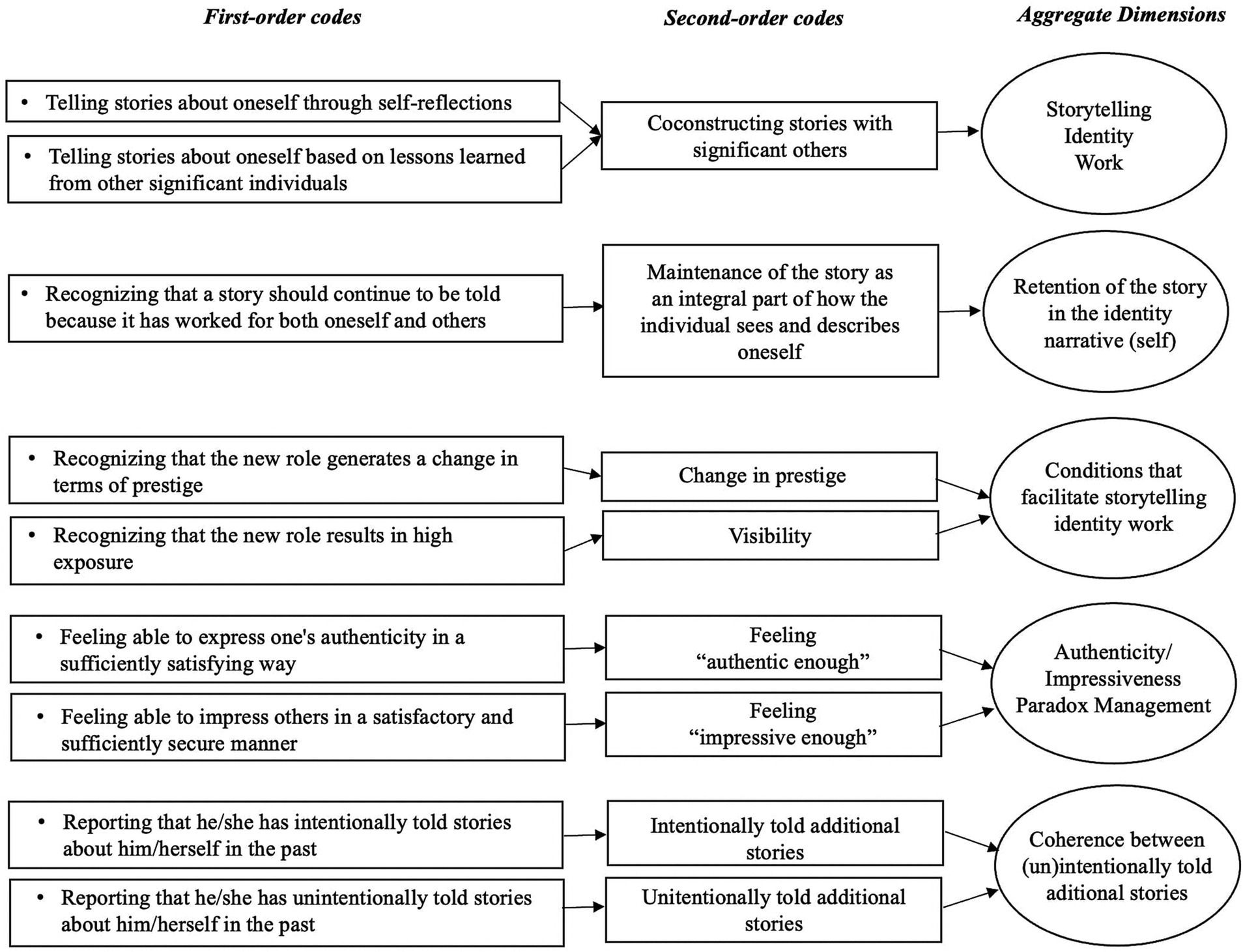
Authenticity in storytelling is the practice of aligning a narrative’s emotional core, characters, and conflicts with genuine human experience to build trust and resonance. It requires moving beyond polished marketing tropes to highlight vulnerability, specific historical or situational detail, and the messy, uncurated realities that define the subject, thereby allowing the audience to see themselves in the narrative.
The Mechanics of Authenticity
Authenticity is not a fixed quality but a strategic choice in narrative construction. When we analyze an authenticity example in storytelling, we are looking for the point where a narrator sacrifices "perfect" presentation in favor of "truthful" representation. This often involves documenting failures, admitting uncertainty, or providing sensory details that serve no purpose other than anchoring the story in a verifiable reality.
In corporate and personal branding, authenticity is frequently mistaken for radical transparency. However, true authenticity is selective. It is the art of highlighting the specific friction points that make a success story believable. If a narrative presents a triumph without acknowledging the path of errors, exhaustion, or doubt, the audience senses a disconnect. Authenticity acts as the bridge that validates the struggle and justifies the eventual outcome.
Case Study: The Pivot of a Founder
Consider the common scenario of a startup founder describing a major business shift. A generic, unauthentic account might read: "After realizing the market potential, we pivoted our strategy to meet demand, resulting in record growth."
An authentic version provides the "how" and the "why" by including the internal cost. It would look like this: "We were three weeks away from running out of cash when the primary product failed to find a user base. I spent four nights in the office with our lead engineer arguing about whether to cut the features we had spent six months building. We chose to cut them, lost two key clients who didn't understand the change, and spent the next quarter in total uncertainty before the current model finally gained traction."
This is a potent authenticity example because it includes:
- High stakes: The mention of running out of cash.
- Internal conflict: The argument with the lead engineer.
- Negative consequences: The loss of key clients.
- The resolution: The period of uncertainty before success.
By detailing these elements, the narrator invites the audience to understand the stakes rather than just reading a summary of success.
Identifying the Components of an Authentic Narrative
To replicate this in your own storytelling, you must audit your content against four primary dimensions. Authenticity is rarely found in the "what"—the final result—but almost always in the "how" of the journey.
1. Vulnerability and Failure
Audiences are conditioned to filter out polished success stories. When a narrator explicitly identifies a point of failure, the audience’s defenses lower. This does not mean revealing irrelevant personal information; it means highlighting professional or creative missteps that were critical to the development of the final product or idea.
2. Specificity over Generalization
Generic language is the enemy of authenticity. If a story claims, "I worked hard for years," it is forgettable. If the story details, "I worked at a kitchen table that wobbled every time I typed, and I stayed until 2 a.m. because that was the only time the house was quiet," the reader creates a mental image. Specificity proves that the narrator was actually there and experienced the event.
3. Emotional Consistency
A narrative loses its authentic feel if the emotional tone shifts abruptly without explanation. If a story starts as a high-stakes drama and ends as a breezy, lighthearted marketing pitch, the credibility of the entire narrative suffers. An authentic story maintains a consistent emotional temperature that matches the weight of the events described.
4. The "Unnecessary" Detail
Sometimes, the most authentic part of a story is a detail that adds nothing to the plot but adds everything to the truth. Mentioning the smell of a specific room, the frustration of a technical bug that took three days to fix, or the exact feeling of relief when a problem was finally solved—these are the markers of reality.
Comparative Table: Generic vs. Authentic Storytelling
| Feature | Generic Approach | Authentic Approach |
|---|---|---|
| Focus | Outcome-oriented (The win) | Process-oriented (The struggle) |
| Tone | Promotional and polished | Conversational and grounded |
| Detailing | Vague, hyperbolic adjectives | Specific, sensory, and situational |
| Conflict | External hurdles easily solved | Internal doubts and real-world losses |
| Purpose | To impress the reader | To connect with the reader |
The Role of Verification in Storytelling
While storytelling is a creative endeavor, the "authenticity" of an account relies on the accuracy of its foundational facts. In 2026, where audiences are increasingly adept at spotting manufactured narratives, accuracy acts as a safety mechanism.
If you are using a story to explain a technical service or a historical event, you must ensure that your timeline, technical specifications, and organizational roles are precise. Authenticity does not permit you to "round up" the facts to make a story sound better. If you alter the facts of a situation, you move from storytelling into fiction. While fiction has its own value, it is not "authentic" in the sense of building trust for a business or a personal brand.
Common Pitfalls in Attempting Authenticity
Many creators fall into the trap of "performative vulnerability." This occurs when someone shares a failure that is either too small to matter (a "humble brag") or too disconnected from the narrative to provide any value.
- The Humble Brag: "I worked so hard I only got four hours of sleep!" This is often read as a flex rather than a display of vulnerability.
- Oversharing: Sharing trauma or private information that does not serve the narrative can make the audience uncomfortable. Authenticity should serve the story, not replace professional boundaries.
- Manufactured Conflict: Creating a villain or a fake crisis to make a journey seem more dramatic is easily detected by an experienced audience and often leads to the destruction of the narrator's credibility.
How to Build an Authentic Narrative: A Step-by-Step Guide
If you are tasked with developing a story that requires an authentic touch, follow this sequence to ensure your message lands correctly.
- Identify the Core Lesson: Before you begin, define what the reader should learn or feel. If you don't know the point of your story, it will wander.
- Select the "Turning Point" Moment: Choose the specific moment where the situation changed. This is the heart of your story.
- Draft the Conflict: Clearly articulate the obstacle. This must be a real obstacle—a budget constraint, a technical limitation, or a misunderstanding—not a vague abstract concept.
- Apply Sensory Anchors: Review your draft and add at least three sensory details. What did you hear, see, or feel during the peak of the conflict?
- Review for Tone: Read the story aloud. Does it sound like a person talking, or does it sound like a press release? If it sounds like a press release, strip away the adjectives and use direct verbs.
- Verify the Facts: Check your dates, product versions, and locations. Accuracy is the final check on authenticity.
Frequently Asked Questions
Why does authenticity matter in marketing and professional communication? Authenticity matters because trust is the primary currency of interaction in 2026. When a story feels authentic, the audience views the narrator as a reliable source. This trust reduces friction in decision-making and fosters long-term loyalty, whereas hyper-polished content is often dismissed as noise.
Is it possible to be too authentic? Yes. When a narrative focuses too heavily on irrelevant personal details or excessive negativity, it loses its focus and utility. Authenticity should always be in service of the main subject. The goal is to provide enough reality to create trust, not to provide a complete, unfiltered account of every thought or action.
Does an authentic story have to be about a failure? No. An authentic story can be about a success, provided it acknowledges the nuances, luck, and hard work required to achieve it. An authentic success story validates the difficulty of the process rather than presenting the outcome as inevitable.
How do I handle sensitive or private details while staying authentic? Focus on the impact of the event rather than the private details themselves. You can describe the feeling of frustration or the weight of a decision without disclosing private identifiers or data that could compromise others.
Next Steps for Implementation
To start, choose one recent project or experience you intend to share with an audience. Strip away any marketing language or pre-written templates you might be using. Write a one-page account of the experience starting from the point of greatest friction. Focus exclusively on the "how" and the specific sensory details of that moment. By grounding your narrative in the reality of your specific experience, you will naturally create a more authentic and compelling piece of storytelling that resonates with your target audience.