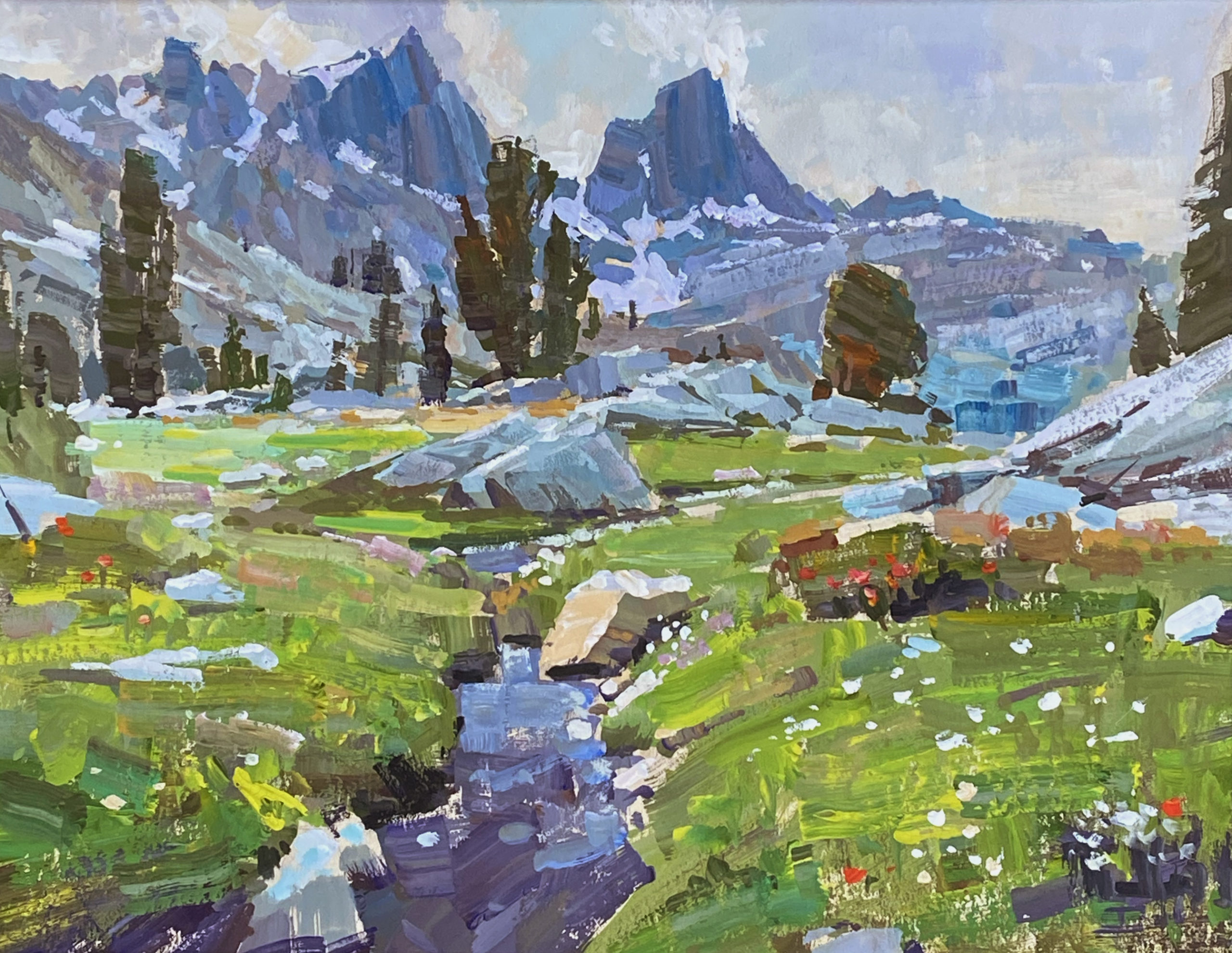
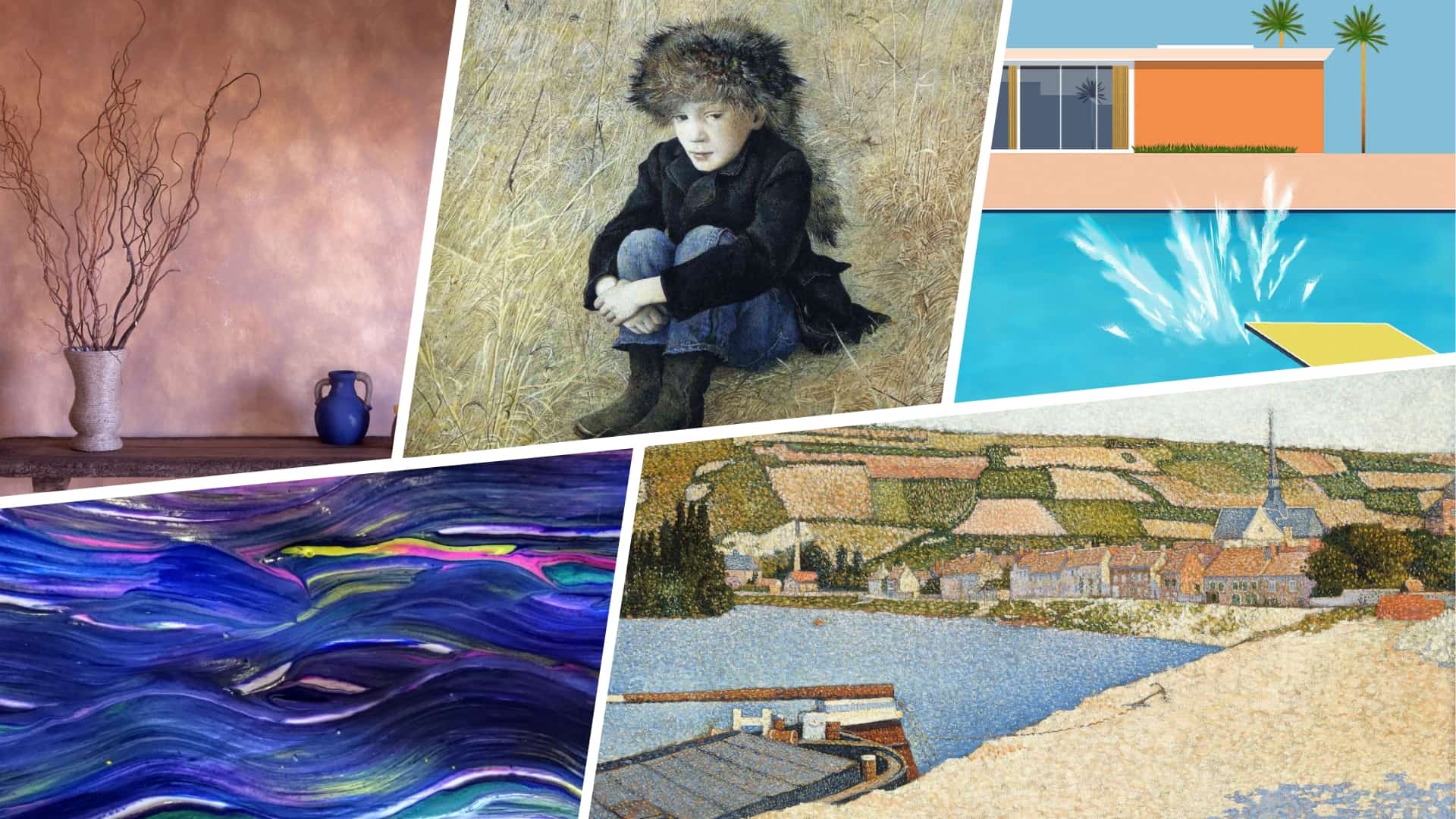
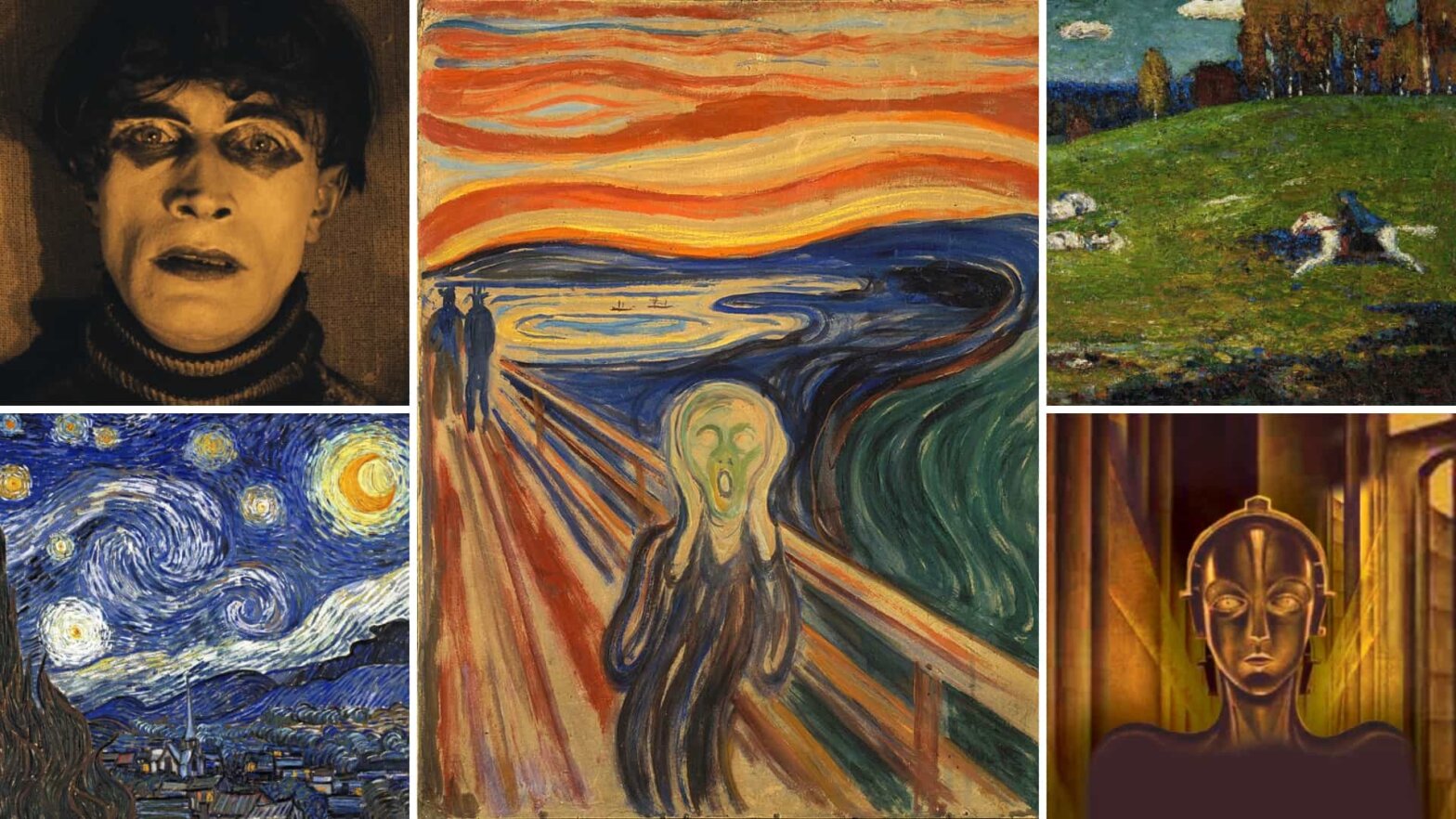
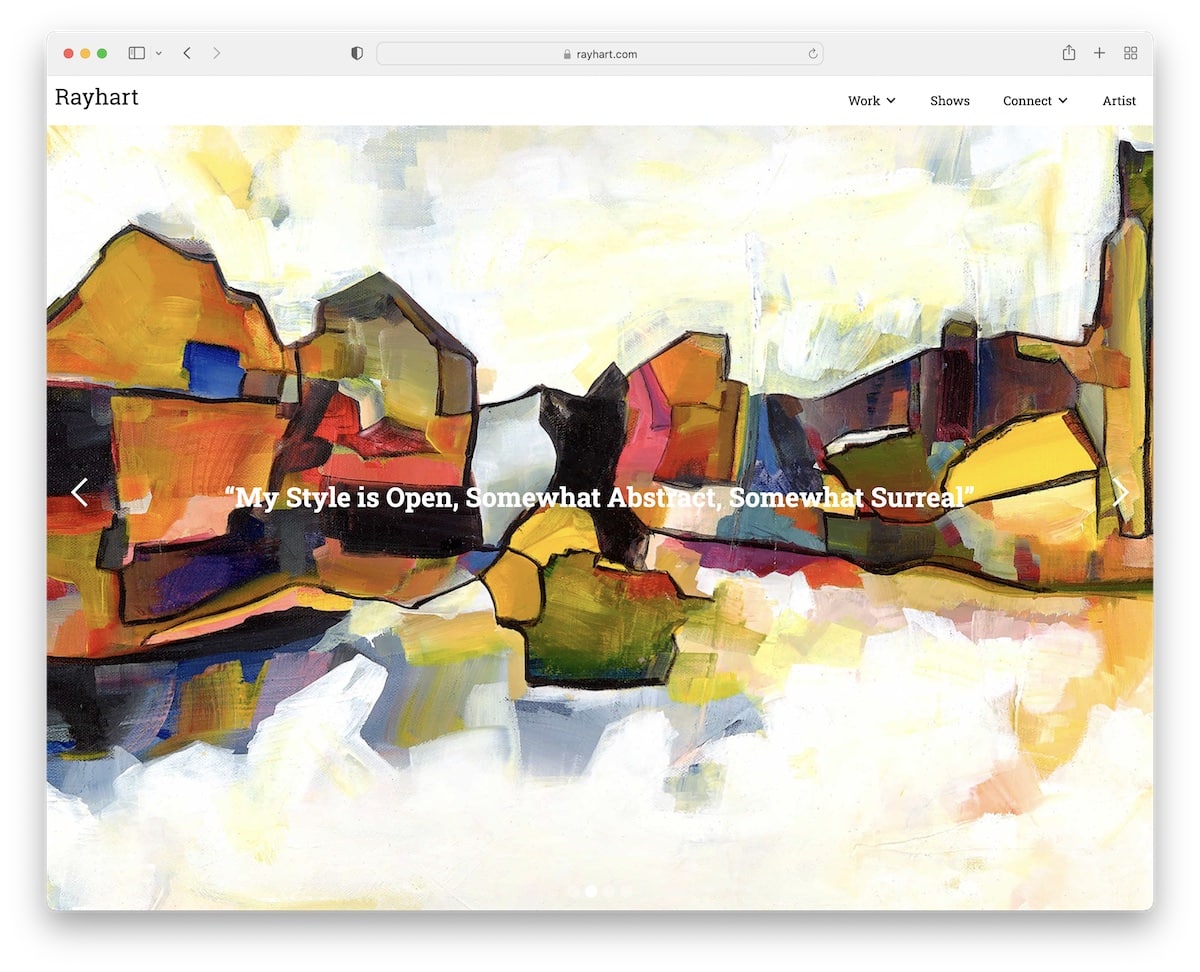
An example of an artist is Vincent van Gogh, a 19th-century Post-Impressionist painter who used expressive brushwork and vivid color to communicate raw human emotion. More broadly, an artist is any individual who uses skill, imagination, and conceptual intent to create works—spanning visual media, sound, literature, or performance—that convey aesthetic value or complex ideas.
What Defines an Artist? Core Concepts and Classification
At its fundamental level, an artist is a practitioner engaged in activities related to creating art, practicing the arts, or demonstrating an art form. While the term historically referred primarily to visual creators such as painters, sculptors, and engravers, modern definitions encompass individuals working across a wide spectrum of creative disciplines.
What elevates a craftsperson, designer, or amateur practitioner to the broader designation of an artist is the intentional integration of original aesthetic vision, emotional expression, and conceptual inquiry. An artist does not merely execute technical tasks; they use medium-specific tools to interpret reality, critique societal structures, evoke emotional responses, or push the boundaries of human perception.
Artistic practice can be categorized across several major domains:
- Visual Arts: Disciplines producing works primarily appreciated through sight, including painting, drawing, sculpture, photography, printmaking, and architecture.
- Auditory and Performing Arts: Formats relying on sound, motion, and temporal presence, such as musical composition, theater, dance, and performance art.
- Literary Arts: The creative application of written language through poetry, prose, playwriting, and essayistic forms.
- Digital and New Media Arts: Contemporary practices utilizing digital technology, artificial intelligence, video, interactive software, and virtual environments.
Understanding an artist requires examining both their medium of choice and the conceptual framework driving their output. Whether working in traditional oil paint or algorithms, artists share a common commitment to structuring form, space, sound, or language to communicate meaning.
Historic and Modern Examples of Artists by Medium
To understand what an artist is in concrete terms, it helps to analyze iconic figures across different creative fields. Each example demonstrates how specific techniques, conceptual perspectives, and historical contexts shape artistic practice.
Visual Arts: Painting and Drawing
Vincent van Gogh (1853–1890)
Vincent van Gogh serves as a archetypal example of a Post-Impressionist visual artist. Operating in France during the late 19th century, van Gogh rejected the strict realism of traditional academic painting in favor of dramatic, emotional expression.
- Key Works: The Starry Night (1889), Sunflowers (1888), Portrait of Dr. Gachet (1890).
- Defining Techniques: Impasto (thick application of paint leaving visible brushstrokes), dramatic color contrast, and rhythmic organic lines.
- Artistic Legacy: Van Gogh demonstrated how painting could serve as a direct portal into an artist’s subjective psychological experience rather than a photographic recording of physical objects. His masterworks are held in major public institutions globally, including the Museum of Modern Art and the Van Gogh Museum.
"I put my heart and my soul into my work, and I have lost my mind in the process." — Vincent van Gogh
Frida Kahlo (1907–1954)
Mexican painter Frida Kahlo represents an artist who fused indigenous folk art traditions with Surrealist elements to explore themes of identity, pain, gender, and post-colonial politics. Known extensively for her self-portraits, Kahlo turned personal autobiography into universal meditations on physical suffering and cultural pride.
- Key Works: The Two Fridas (1939), Self-Portrait with Thorn Necklace and Hummingbird (1940).
- Defining Techniques: Symbolic iconography, vivid flat color palettes, and intimate portraiture reflecting personal trauma and political ideology.
Sculpture and Spatial Installations
Auguste Rodin (1840–1917)
French sculptor Auguste Rodin is widely considered the progenitor of modern sculpture. Breaking away from the rigid idealization of classical Greek and Roman traditions, Rodin introduced realism, texture, and deep anatomical dynamism to three-dimensional art.
- Key Works: The Thinker (1880–1882), The Gates of Hell (1880–1917), The Burghers of Calais (1889).
- Defining Techniques: Modeling in clay and plaster prior to bronze casting, leaving visible tool marks to emphasize the physical labor of creation, and depicting emotional stress through muscular tension.
Kara Walker (Born 1969)
Contemporary American artist Kara Walker is renowned for her large-scale room-sized installations featuring cut-paper silhouettes. Her work directly confronts the history of American slavery, racism, and gender dynamics.
- Key Works: Gone: An Historical Romance of a Civil War as It Occurred b'tween the Dusky Thighs of One Young Negress and Her Heart (1994), A Subtlety, or the Marvelous Sugar Baby (2014).
- Defining Techniques: Shadow imagery, historical tableau reinvention, and site-specific architectural sculpture.
Digital, Generative, and New Media Arts
Refik Anadol (Born 1985)
Turkish-American media artist Refik Anadol exemplifies the contemporary digital artist. Anadol operates at the intersection of architecture, data visualization, and artificial intelligence, transforming large datasets into immersive visual installations.
- Key Works: Unsupervised (2022–2023), Machine Hallucinations (2019).
- Defining Techniques: Machine learning algorithms, generative neural networks, and projection mapping on large architectural surfaces.
- Artistic Significance: Anadol demonstrates how code and data can serve as raw material, expanding the definition of art from physical pigment or bronze to ephemeral digital calculation.
Performance and Conceptual Art
Marina Abramović (Born 1946)
Serbian conceptual and performance artist Marina Abramović has spent over five decades exploring the physical limits of the body, the relationship between performer and audience, and the possibilities of endurance art.
- Key Works: Rhythm 0 (1974), The Artist Is Present (2010).
- Defining Techniques: Long-duration live performance, physical isolation, sensory deprivation, and direct silent audience interaction.
- Artistic Significance: Abramović illustrates that an artist does not necessarily produce physical objects for purchase; rather, the artist can create experiential moments in real time where presence itself constitutes the artwork.
Literary and Musical Arts
Nina Simone (1933–2003)
Eunice Kathleen Waymon, known professionally as Nina Simone, was an American singer, songwriter, pianist, and civil rights activist. Formally trained in classical piano, Simone blended jazz, blues, folk, and classical counterpoint to create a distinct musical voice.
- Key Contributions: Mississippi Goddam (1964), To Be Young, Gifted and Black (1969), Balm in Gilead (1978).
- Artistic Significance: Simone proved that performing musicians function as vital artists when their creative choices fuse formal innovation with social commentary and raw vocal storytelling.
Comparative Analysis of Artistic Disciplines
To understand how different types of artists function, it is useful to contrast their primary mediums, working methods, historical frameworks, and cultural functions.
| Discipline | Representative Artist | Primary Medium / Materials | Key Tools & Technologies | Primary Output / Format |
|---|---|---|---|---|
| Traditional Visual Art | Vincent van Gogh | Oil paint, canvas, ink, paper | Palettes, brushes, palette knives | Easel paintings, sketches |
| Classical Sculpture | Auguste Rodin | Clay, bronze, plaster, marble | Chisels, armatures, casting molds | Physical statues, relief panels |
| Installation & Paper | Kara Walker | Cut paper, projection, sugar | Scalpels, projectors, physical space | Panoramic wall silhouettes, installations |
| Digital / AI Art | Refik Anadol | Data arrays, neural networks, algorithms | Custom code, GPUs, high-res screens | Data sculptures, media walls |
| Performance Art | Marina Abramović | Human body, time, audience interaction | Physical presence, endurance, silence | Temporal live performance events |
| Musical Art | Nina Simone | Sound, vocal timbre, piano compositions | Grand piano, vocal microphone | Audio recordings, live performances |
The Role and Creative Process of an Artist
Understanding an artist requires moving past the finished product to analyze the underlying creative process. Whether creating a symphony, a digital render, or a fresco, artists engage in a continuous cycle of observation, conceptualization, material trial, and public presentation.
- Observation & Research: Gathering experiences, study, historical reference, sensory input.
- Conceptualization: Formulating an core idea, metaphor, message, or aesthetic intent.
- Experimentation & Execution: Applying technical skills to manipulate chosen medium/tools.
- Refinement & Critique: Editing, structural adjustment, polishing form and composition.
- Presentation & Reception: Exhibiting, publishing, or performing for public interpretation.
Technical Mastery vs. Conceptual Expression
A common point of discussion in art theory is the balance between technical execution and conceptual depth. Technical skill involves mastering a craft—such as learning color theory, perspective, counterpoint in music, or software programming. Conceptual depth refers to the clarity, originality, and intellectual resonance of the idea behind the work.
Historical periods emphasized these elements differently:
- Renaissance Era (14th–17th Century): Prioritized technical precision, naturalistic realism, perspective, and mastery of materials. Artists like Leonardo da Vinci balanced scientific observation with visual draftsmanship.
- Modernist Era (Late 19th–Mid 20th Century): Shifted focus toward personal vision, abstraction, and breaking formal rules. Artists like Pablo Picasso deconstructed perspective to invent Cubism.
- Contemporary Era (Late 20th Century–Present): Prioritizes conceptual frameworks, cultural critique, and interdisciplinary approaches. The physical execution may even be outsourced, while the primary artistic act lies in the concept and curation.
Cultural and Social Function of Artists
Artists fulfill critical functions within society:
- Historical Documentation: Artists capture the psychological, cultural, and political atmosphere of their era. For instance, Pablo Picasso’s Guernica (1937) remains one of history's most powerful anti-war statements, documenting the bombing of a Basque town during the Spanish Civil War.
- Cultural Critique: Artists question institutional power, societal norms, and ethical boundaries. The work of anonymous street artist Banksy frequently uses stencil graffiti to critique consumerism, militarism, and corporate greed in public spaces.
- Emotional and Aesthetic Resonance: Art offers viewers an opportunity for empathy, reflection, and catharsis. Viewing a painting or hearing a musical composition allows individuals to connect with shared human experiences across centuries and cultures.
For deeper educational resources on art history and technical terminology, public archives such as the National Gallery of Art provide curated historical databases and object research.
Common Misconceptions About What Constitutes an Artist
Despite the broad cultural appreciation for creative work, several persistent myths obscure what it means to be an artist.
Myth 1: An artist must possess innate, effortless talent
A widespread misconception is that artists are born with fully formed gifts that allow them to create without rigorous effort. In reality, artistic achievement relies heavily on deliberate practice, technical study, historical research, and iterative failure. Most recognized artists spend years honing their craft, studying composition, and refining their techniques.
Myth 2: Artists only work in traditional physical media
Some views mistakenly limit artists to painters and sculptors who work with traditional materials like canvas, paper, stone, or clay. Modern artistic practice embraces digital painting, sound design, virtual reality, coding, video editing, and conceptual performance. An artist is defined by creative intent and conceptual framework, not by a specific set of physical tools.
Myth 3: Commercial success defines whether someone is a real artist
Financial valuation and commercial viability are distinct from artistic identity. Many historic artists, including Vincent van Gogh and Paul Gauguin, achieved minimal commercial success during their lifetimes yet produced works of monumental artistic significance. Conversely, commercial illustrators and graphic designers perform vital creative work regardless of whether their output is classified as fine art or commercial media.
Frequently Asked Questions
What is the difference between an artist and an artisan or craftsperson?
An artisan or craftsperson primarily focuses on creating functional objects with high technical proficiency, such as furniture, pottery, or textiles designed for daily use. An artist typically focuses on expressing abstract concepts, emotional themes, or aesthetic ideas where functional utility is secondary or entirely absent. However, the boundaries between craft and fine art often overlap in contemporary practice.
Can someone be an artist without formal academic training?
Yes. Self-taught artists, historically referred to as "outsider artists" or naïve artists, can achieve profound creative milestones without formal institutional schooling. Famous examples include Henri Rousseau and Grandma Moses. While formal education provides technical guidance and historical context, artistic validity stems from original expression, vision, and sustained practice.
How does a designer differ from an artist?
A designer creates visual or structural solutions aimed at solving a specific practical problem for a client or target audience, such as designing a website user interface or a commercial product package. An artist generally begins with personal, conceptual, or aesthetic questions, creating work whose primary purpose is artistic expression, contemplation, or cultural inquiry rather than utilitarian problem-solving.
Is digital art considered real art, and are digital creators true artists?
Yes. Digital art utilizes software, digital drawing tablets, algorithms, and immersive displays as valid creative tools. Just as traditional artists master brush control and paint mixing, digital artists master digital brush dynamics, lighting models, layer composition, and 3D rendering environments. Institutions like the Tate Modern regularly exhibit and preserve digital and computer-generated artworks.
What makes an artwork "good" or historically significant?
Evaluating an artwork involves multiple criteria: technical skill, conceptual clarity, historical context, originality, and emotional impact. A work becomes historically significant when it alters how subsequent artists approach their medium, challenges prevailing cultural beliefs, or provides a poignant reflection of the social conditions of its era.
Recommended Next Steps for Exploring or Developing Artistic Practice
Whether analyzing art history or developing a personal creative practice, consider these actionable steps:
- Visit Local and International Museums: Examine physical artworks firsthand to analyze brushwork, material scale, texture, and lighting that digital screens cannot fully replicate.
- Select a Primary Medium and Commit to Fundamentals: Aspiring visual creators should focus on core principles such as line quality, value contrast, perspective, and color theory before jumping into complex abstract concepts.
- Maintain a Creative Journal or Sketchbook: Use a dedicated notebook to sketch ideas, record observations, write conceptual notes, and draft visual or literary layouts daily.
- Study Art History and Theory: Read original exhibition catalogs, monographs, and academic resources available through major institutions like the Getty Research Institute to contextualize your work within broader historical movements.
- Seek Direct Critique: Share work with peers, local art collectives, or academic mentors to receive constructive feedback on both technical execution and conceptual presentation.