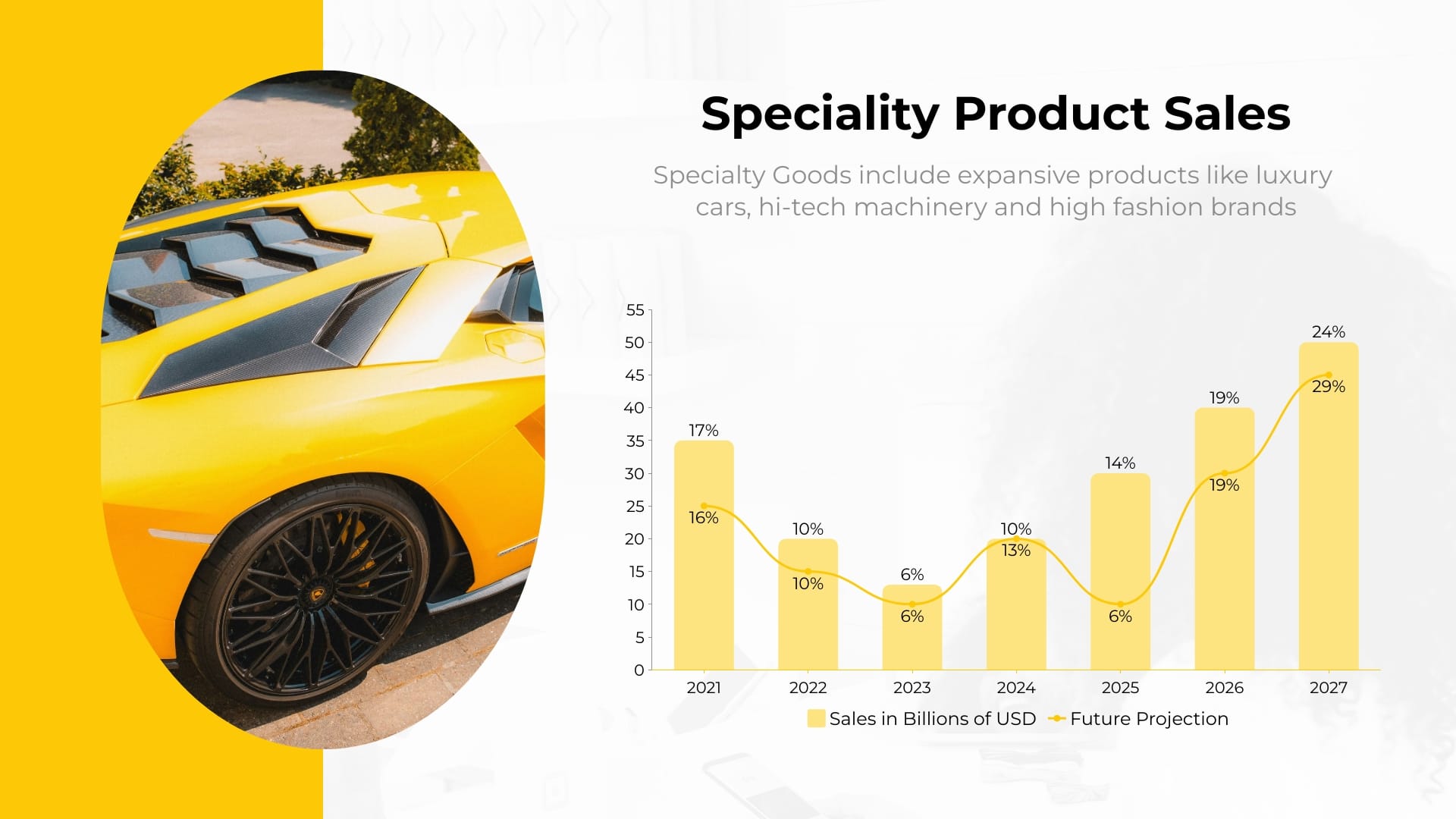
A Rolex luxury watch is a classic example of a specialty product. Specialty products are high-value consumer goods with unique characteristics or iconic brand identification. Buyers demonstrate strong brand insistence, actively seek out specific models, and willingly travel long distances or wait on extended allocation lists without accepting substitutes.
What Is a Specialty Product in Marketing?
In classical marketing theory, consumer goods are categorized into four distinct classes based on consumer buying habits: convenience goods, shopping goods, specialty products, and unsought goods. Originally conceptualized by economist Melvin T. Copeland in 1923 and refined by modern marketing scholars such as Philip Kotler, this classification system explains how purchasing involvement influences distribution, pricing, and promotional strategy.
A specialty product is defined by two primary conditions:
- Unique Product Identification: The item possesses distinct technical features, historic craftsmanship, or brand equity that sets it apart from all alternatives.
- High Buyer Investment and Insistence: Consumers plan the purchase in advance, conduct minimal comparative shopping at the point of sale (because their decision is already made), and expend significant time, effort, or capital to acquire that specific brand or item.
Unlike shopping goods—where consumers evaluate multiple competing brands based on price, quality, and style before deciding—specialty product buyers enter the market with a predetermined destination. If a consumer decides to buy a Leica camera or a Gibson Custom Shop guitar, they rarely switch to a Panasonic camera or a Yamaha guitar simply because the alternative is on sale or available at a closer retail outlet.
Consumer Purchase Intent Trajectory:
- Shopping Good Pathway:
- Need Arises
- Compare Brands A, B, & C
- Evaluate Price/Features
- Select Best Value
- Specialty Good Pathway:
- Need Arises
- Demand Specific Brand X
- Locate Authorized Dealer
- Complete Acquisition
Understanding specialty products requires examining buyer psychology. The purchasing process is driven by brand insistence rather than brand preference. Brand preference means a buyer favors one name over another but will accept a substitute if their preferred choice is out of stock. Brand insistence means the buyer considers no substitute acceptable; they will defer the purchase, travel to another city, or wait months on a reservation list to secure the exact item.
Prime Examples of Specialty Products Across Industries
Specialty products span multiple product categories, ranging from personal luxury items and specialized equipment to automotive engineering and high-fidelity audio equipment.
1. Luxury Timepieces: Rolex Submariner and Patek Philippe Grand Complications
The horological industry provides some of the clearest real-world examples of specialty products. A Rolex Submariner or a Patek Philippe Nautilus does not compete on basic timekeeping functionality—a standard quartz movement or smart device keeps time with equal or superior precision at a fraction of the cost.
Buyers seek these timepieces for mechanical artistry, prestige, material heritage, and store of value. Customers routinely register with authorized dealers, submit to multi-year waitlists, or travel internationally to complete a purchase. The lack of immediate availability rarely deters the buyer; instead, scarcity often reinforces brand insistence.
2. High-Performance Automotive: Ferrari and Bugatti
In the automotive sector, standard passenger sedans operate as shopping goods, whereas hypercars and exotic sports cars operate as specialty products. A Ferrari 812 GTS or a Bugatti Tourbillon requires buyers to undergo an explicit application process, commit significant earnest deposits, and accept build timelines that can span several years.
Ferrari buyers rarely cross-shop a commuter vehicle or a mass-market sports sedan when seeking a V12 Ferrari. The engineering lineage, distinct exhaust note, track performance, and limited production run turn the vehicle into an irreplaceable collector's item rather than a standard transport vehicle.
3. Professional Photography Gear: Leica M-Series Cameras
While entry-level point-and-shoot cameras or mainstream mirrorless setups function as shopping goods, the Leica M-series rangefinder camera occupies the specialty tier. Leica cameras feature manual rangefinder mechanisms, minimalist body design, and specialized optics crafted to exacting optical tolerances.
Photographers who use Leica gear often choose it for tactile manual focusing, glass quality, and decades of street-photography heritage. These buyers do not compare technical spec sheets dollar-for-dollar against lower-cost digital cameras; they seek the specific image rendering and tactile operational experience that only the Leica ecosystem provides.
4. Fine Musical Instruments: Steinway & Sons Pianos and Custom Shop Guitars
Concert pianists and recording institutions rarely buy grand pianos based on temporary promotional discounts. A Steinway & Sons Model D concert grand piano is an investment-grade specialty product. Each instrument requires over a year of intensive hand craftsmanship using aged hardwoods and specialized acoustic engineering.
Similarly, in the fretted instrument sector, custom-built creations from the Fender Custom Shop or Paul Reed Smith (PRS) Private Stock serve musicians who demand exact wood densities, historical pickup wire winding specifications, and hand-applied finishes. Substitutes are unacceptable because subtle acoustic nuances directly impact the performer's tone and studio performance.
5. High-Fidelity Audio Equipment: McIntosh Amplifiers and Wilson Audio Speakers
In high-end consumer electronics, audiophile gear operates entirely under specialty product dynamics. A McIntosh MC275 tube power amplifier—with its iconic stainless steel chassis and blue watt meters—appeals to audio purists who demand specific analog signal amplification.
These buyers design dedicated acoustic listening rooms around their audio hardware. They do not visit big-box electronics stores to purchase mass-market soundbars; they engage directly with boutique audio dealers, attend specialized listening sessions, and pay premium prices for boutique engineering.
Core Characteristics That Define a Specialty Product
Specialty products share specific structural, economic, and operational traits across different industries.
Specialty Product Core Pillars:
- Brand Insistence (Zero Substitutes)
- Selective / Exclusive Distribution Outlets
- High Price / Premium Profit Margins
- Extensive Buyer Effort & Involvement
High Brand Insistence and Zero Substitutability
The most critical feature of a specialty product is how consumers react to stockouts or obstacles. If an item is unavailable, the buyer delays the purchase or undergoes operational inconvenience to get it. Price sensitivity is minimal because the consumer perceives no alternative product as offering equivalent functional or emotional utility.
Exclusive or Highly Selective Distribution
Specialty goods are almost never distributed through wide retail networks. Manufacturers strictly control wholesale channels to preserve brand equity, enforce uniform customer service standards, and maintain price integrity. Distribution is limited to:
- Dedicated flagship boutique stores.
- Carefully vetted, authorized third-party dealers.
- Direct-to-consumer digital portals backed by authentication protocols.
By restricting point-of-sale locations, manufacturers create an atmosphere of exclusivity that reinforces the product's premium position.
Premium Pricing and High Profit Margins
Specialty products command premium prices that far exceed direct material and manufacturing costs. This pricing model reflects:
- Heavy investments in precision manufacturing, research, and hand assembly.
- Intangible brand equity accumulated over decades or centuries.
- Low sales volumes relative to mass-market consumer goods.
High per-unit profit margins offset limited production volumes, allowing businesses to maintain financial viability without relying on economies of scale.
High Buyer Effort and Deep Market Research
Purchasing a specialty product involves deep consumer engagement. Buyers frequently study technical documentation, historical provenance, material specifications, and secondary market valuations long before contacting a seller. The physical effort to acquire the product—such as traveling to an authorized dealer in a major metropolitan area—is viewed by the buyer as part of the overall ownership experience rather than a barrier to transaction.
Comparative Analysis: Specialty Goods vs. Other Product Categories
To understand where specialty goods fit within consumer goods strategy, it helps to compare them directly across the four primary classifications established in marketing literature.
| Classification Dimension | Convenience Goods | Shopping Goods | Specialty Products | Unsought Goods |
|---|---|---|---|---|
| Consumer Buying Behavior | Frequent, impulsive purchase; minimal thought or planning. | Infrequent purchase; extensive comparison on price, quality, style. | Strong brand preference; explicit intent; zero search for substitutes. | Little product awareness or knowledge; negative purchase intent initially. |
| Price Point | Low unit price. | Moderate to high price. | High to extremely high price. | Varies widely (e.g., life insurance, burial plots). |
| Distribution Density | Widespread / Intensive distribution (grocery stores, gas stations). | Selective distribution (department stores, specialty retail chains). | Exclusive or highly limited distribution (authorized boutiques). | Varies; direct sales channels, direct mail, targeted digital outreach. |
| Promotion Strategy | Mass advertising, sales promotions, high-visibility shelf placement. | Targeted digital ads, personal selling, comparative advertising. | Highly targeted prestige marketing, relationship building, VIP events. | Aggressive personal selling, direct response marketing, educational campaigns. |
| Substitutability | Very high (buyer easily swaps brands if out of stock). | Moderate (buyer chooses based on best combination of traits). | Non-existent (buyer rejects alternatives completely). | N/A (buyer is typically not actively seeking the category). |
| Representative Example | Bottled water, chewing gum, household cleaner. | Mid-tier television, sofa, winter coat. | Rolex watch, Leica camera, Ferrari automobile. | Prepaid funeral services, life insurance policy, radon detection. |
Marketing Strategies for Specialty Products
Selling specialty products requires commercial approaches that differ fundamentally from conventional mass-market strategies. Pushing high volume through price discounting or broad distribution networks can diminish brand equity and weaken consumer demand.
1. Controlled Scarcity and Allocation Management
Specialty product marketers strictly align supply with—or slightly below—actual market demand. Controlled supply protects brand prestige and helps prevent inventory devaluation.
For example, high-end fashion houses like Hermès manage production capacities for items like the Birkin and Kelly bags. This controlled access supports robust resale valuations on the secondary market and maintains long-term consumer demand.
2. Experiential and Relationship-Driven Sales Channels
Because transactions are infrequent and involve significant capital, the point-of-sale experience must reflect the quality of the product itself. Authorized sales points invest heavily in retail architecture, private consultation rooms, highly trained sales specialists, and complimentary client services.
| Mass-Market Transactions | Specialty Product Transactions |
|---|---|
| High Foot Traffic / Volume | Private Consultations / VIP Rooms |
| Self-Service / Minimal Staffing | Dedicated Relationship Managers |
| Transactional / Speed-Focused | Long-Term Clienteling Strategy |
| Frequent Promotional Discounts | Strict Price Integrity / No Sales |
The purchasing process becomes an experiential milestone rather than a standard commercial transaction. Brands maintain ongoing client relationships through private preview events, factory tours, and owner-club memberships.
3. Storytelling, Provenance, and Heritage
Marketing communications for specialty goods focus heavily on history, engineering achievement, and material craftsmanship rather than utility or promotional pricing. Advertisements emphasize origin stories, artisan credentials, technical tolerances, or historical milestones.
Patek Philippe’s long-running "Generations" campaign highlights heirloom longevity with the slogan: "You never actually own a Patek Philippe. You merely look after it for the next generation." This positioning framing redefines the purchase from an discretionary expense into a legacy investment.
Common Misconceptions About Specialty Products
Marketing professionals and business students often confuse specialty products with adjacent market concepts. Clarifying these distinctions prevents strategy missteps.
Misconception 1: "Any Expensive Item Is a Specialty Product"
Price alone does not define a specialty product. A high-end central air conditioning unit or a home roof replacement can cost tens of thousands of dollars, but most consumers treat them as shopping goods or unsought items.
They compare multiple contractors, request competitive bids, and evaluate functional specs. The distinction lies in buyer psychology: if the consumer cross-shops alternative brands based on price or features, the product functions as a shopping good regardless of price tag.
Misconception 2: "Specialty Products Are the Same as Specialty Stores"
A specialty store (such as a dedicated shoe retailer or an organic spice shop) refers to a retail format that focuses on a narrow product category. A specialty product refers to a specific classification of consumer demand.
A specialty store may sell standard shopping goods (like athletic running shoes from multiple competing brands), whereas a specialty product buyer is seeking one specific brand, regardless of the retail environment in which it is sold.
Misconception 3: "Specialty Goods Are Restricted to the Ultra-Wealthy"
While many specialty products sit in the luxury tier, specialty market dynamics also occur at lower price points among dedicated hobbyist and professional communities.
For instance, specialized technical climbing equipment, custom mechanical keyboard switches, or specific niche tabletop gaming miniatures can operate as specialty goods. Within these subcultures, enthusiasts demonstrate absolute brand insistence and refuse alternative substitutes, even if the total transaction value is hundreds rather than tens of thousands of dollars.
Frequently Asked Questions
What is the main difference between a shopping product and a specialty product?
The primary difference lies in buyer attitude toward substitution and brand comparison. When buying a shopping product (such as a laptop, dishwasher, or winter coat), consumers actively compare several competing brands based on price, quality, and features before making a decision. When buying a specialty product (such as a Leica camera or a Rolex watch), the consumer has already chosen the exact brand or model and accepts no alternative, bypassing competitive cross-shopping.
Can a specialty product turn into a shopping product over time?
Yes. If a manufacturer expands distribution too broadly, reduces material quality, or over-saturates the market, the brand can lose its exclusive position. As consumers perceive the item as comparable to competitors, they begin evaluating it on price and convenience, shifting its classification from a specialty product to a shopping good.
How does distribution strategy differ for specialty products?
Specialty products rely on exclusive or highly selective distribution strategies. Instead of placing inventory in as many retail locations as possible (intensive distribution), manufacturers restrict sales to owned flagship boutiques or a vetted network of authorized dealers. This maintains brand control, ensures high customer service standards, and reinforces product scarcity.
Why do specialty product marketers rarely run price discounts?
Discounting price damages the perceived quality, status, and long-term resale value of a specialty product. Because buyers purchase these items for superior craftsmanship, prestige, or non-substitutable performance, price cuts can signal excess inventory or declining quality, eroding brand equity among core consumers.
Is brand loyalty the same thing as brand insistence in specialty goods?
Brand loyalty means a consumer prefers a specific brand and buys it regularly, though they may accept a substitute if their primary choice is unavailable. Brand insistence is a stronger form of loyalty unique to specialty goods: the buyer considers no substitute acceptable and will delay the purchase, travel long distances, or wait on allocation lists until the specific item is acquired.
Strategic Implications for Business Owners and Marketers
Classifying a product accurately within the consumer goods framework dictates every aspect of commercial execution. If your organization produces or distributes a specialty product:
- Protect Price Integrity: Avoid broad promotional discounting. Value must be reinforced through product enhancements, limited production runs, and customer service rather than temporary price cuts.
- Audit Retail Touchpoints: Ensure that every third-party dealer or direct-to-consumer channel delivers an elevated customer experience consistent with the product's positioning.
- Build Authenticity and Provenance: Allocate marketing efforts toward content that highlights craftsmanship, material quality, engineering standards, and brand heritage.
- Manage Demand and Scarcity: Carefully balance production volume with market demand. Maintaining an order backlog or controlled distribution system often generates higher long-term brand equity than over-expanding production to meet short-term sales targets.
To evaluate your product position, conduct direct customer research to measure substitution willingness. If your customers systematically reject competing products during stockouts and express a willingness to wait or travel to complete their purchase, your product exhibits true specialty dynamics—and your operational strategy should reflect that status.