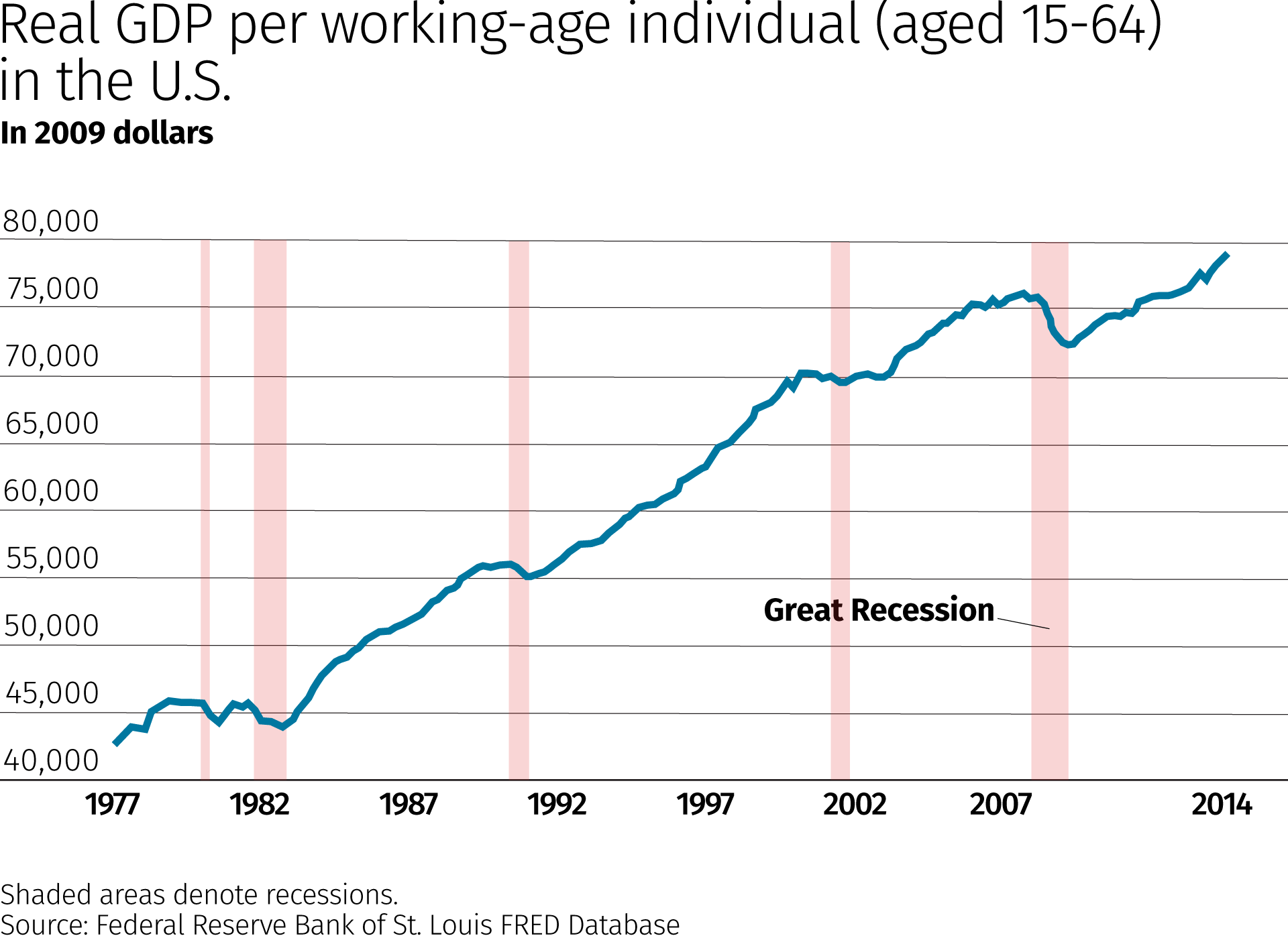
The Great Recession, lasting from December 2007 to June 2009, stands as the most significant example of a modern economic recession in the United States. Triggered by a collapse in the housing market and fueled by a systemic failure in the financial sector, it resulted in a 4.3% decline in GDP and a peak unemployment rate of 10%.
Understanding the Anatomy of a U.S. Economic Recession
In the United States, an economic recession is formally defined by the National Bureau of Economic Research (NBER) as a "significant decline in economic activity spread across the economy, lasting more than a few months." While many practitioners use the "rule of thumb" of two consecutive quarters of negative Gross Domestic Product (GDP) growth, the NBER looks at a broader set of data, including real personal income, nonfarm payrolls, and industrial production.
Recessions are a natural, albeit painful, part of the business cycle. They typically follow a period of expansion where "irrational exuberance" or low interest rates lead to asset bubbles. When these bubbles burst, the resulting contraction forces a correction. As of 2026, looking back through the lens of nearly two decades of economic evolution, the Great Recession remains the benchmark for understanding how financial interconnectedness can turn a localized sector crisis into a global catastrophe.
The Technical Thresholds
To understand why the 2007–2009 period was so devastating, one must look at the depth, diffusion, and duration of the downturn. A standard recession might see a mild dip in consumer spending, but the Great Recession saw a complete freeze in the credit markets. When banks stop lending to one another, the "circulatory system" of the economy fails. This leads to a feedback loop: businesses cannot fund operations, leading to layoffs; unemployed workers stop spending, leading to further business declines.
The Catalyst: The Subprime Mortgage Crisis
The primary driver of the Great Recession was the bursting of the U.S. housing bubble. In the early to mid-2000s, low interest rates and a relaxation of lending standards led to a surge in homeownership. However, much of this growth was built on subprime mortgages—loans given to borrowers with poor credit histories.
The Role of Securitization
Financial institutions bundled these high-risk mortgages into complex financial products known as Mortgage-Backed Securities (MBS) and Collateralized Debt Obligations (CDO). These products were then sold to investors worldwide, often carrying "AAA" ratings from credit rating agencies that failed to account for the underlying risk.
The logic at the time was that home prices would never fall nationally. When interest rates began to rise in 2006 and home prices started to plateau, many subprime borrowers found themselves with "underwater" mortgages—they owed more than the home was worth. Foreclosures skyrocketed, causing the value of MBS and CDOs to plummet. Because these toxic assets were held by nearly every major financial institution, the entire global banking system faced an existential threat.
Systemic Failure and the Fall of Lehman Brothers
By 2008, the crisis transitioned from a real estate problem to a systemic banking failure. The "shadow banking system"—non-bank financial institutions that provided credit—began to collapse because they relied on short-term funding that vanished overnight.
The defining moment of this recession occurred on September 15, 2008, when Lehman Brothers, a storied investment bank, filed for bankruptcy. The U.S. government’s decision not to bail out Lehman Brothers sent shockwaves through the markets. It signaled that no institution was truly safe, leading to a massive sell-off in the stock market and a total "credit crunch" where even healthy businesses could not get the loans necessary to pay their employees.
The Collapse of Wealth
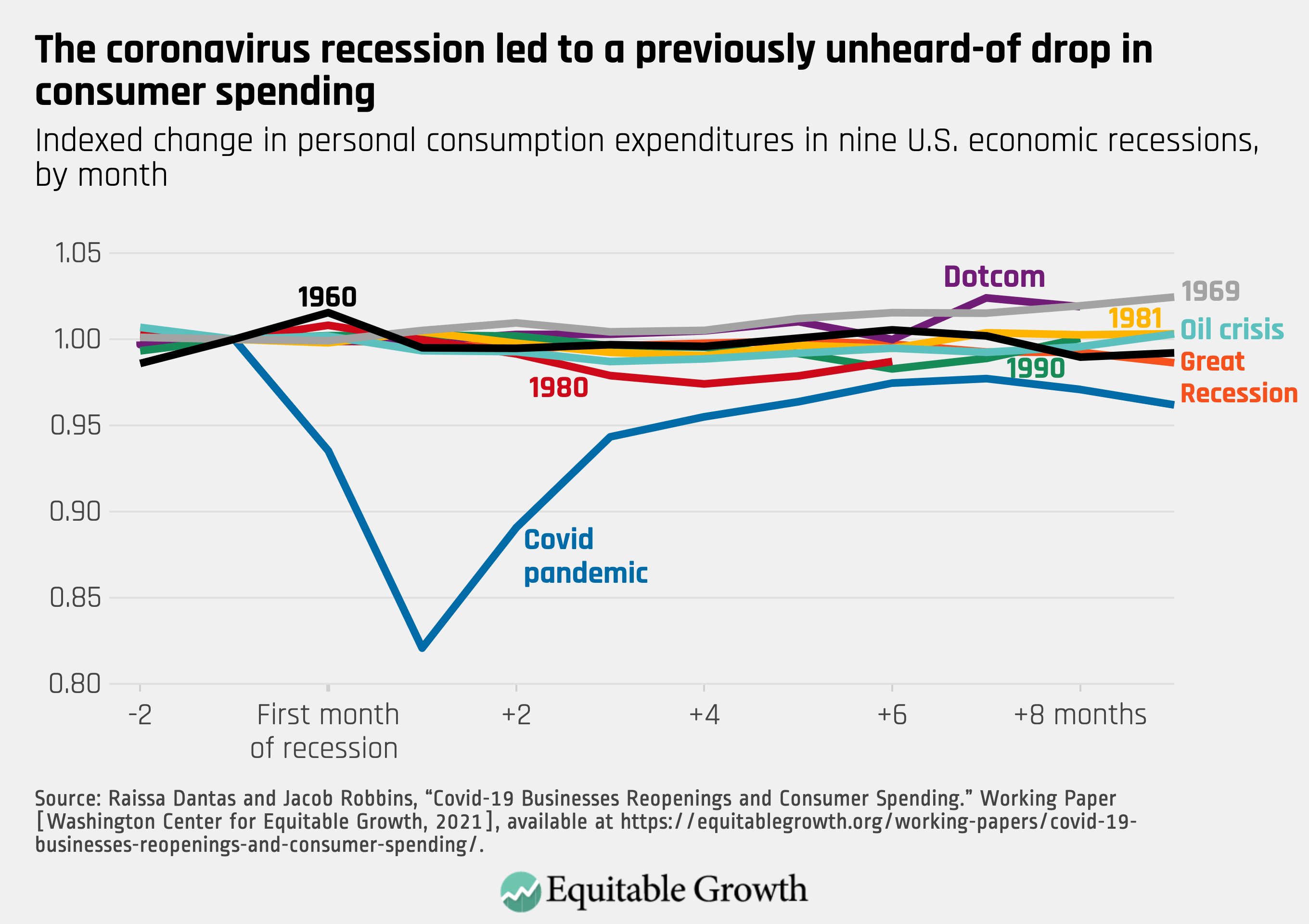
The impact on American households was immediate and severe. Total household net worth in the U.S. fell by approximately $19 trillion between 2007 and 2009. For many Americans, their home was their primary asset; when home values collapsed, their retirement security evaporated. This "wealth effect" in reverse caused a sharp contraction in consumer spending, which accounts for roughly 70% of the U.S. economy.
Comprehensive Impact on the Labor Market
The labor market during the Great Recession was characterized by what economists call "secular stagnation." It wasn't just that people lost jobs; it was the speed of the losses and the duration of the subsequent unemployment.
- Unemployment Peaks: The unemployment rate doubled from 5% in late 2007 to 10% by October 2009.
- Long-Term Unemployment: For the first time in the post-WWII era, the median duration of unemployment exceeded 20 weeks. Many workers became "discouraged," leaving the labor force entirely.
- Underemployment: Millions of Americans were forced into part-time work or positions far below their skill levels, a phenomenon that suppressed wage growth for a decade.
The recovery was famously known as a "jobless recovery." Even after GDP began to grow again in mid-2009, it took until 2014 for the total number of jobs to return to pre-recession levels. This lag created deep-seated economic anxiety that influenced American politics and social structures for years to come.
Government and Federal Reserve Interventions
The response to the Great Recession changed the playbook for economic management. Faced with a potential Second Great Depression, the U.S. government and the Federal Reserve took unprecedented steps.
Fiscal Policy Responses
Congress passed several major pieces of legislation to stabilize the economy:
- The Emergency Economic Stabilization Act of 2008: This created the Troubled Asset Relief Program (TARP), a $700 billion fund used to inject capital into failing banks and the American auto industry (specifically GM and Chrysler).
- The American Recovery and Reinvestment Act of 2009 (ARRA): An $831 billion stimulus package focused on infrastructure, education, health care, and renewable energy, as well as tax credits for individuals.
Monetary Policy and "Quantitative Easing"
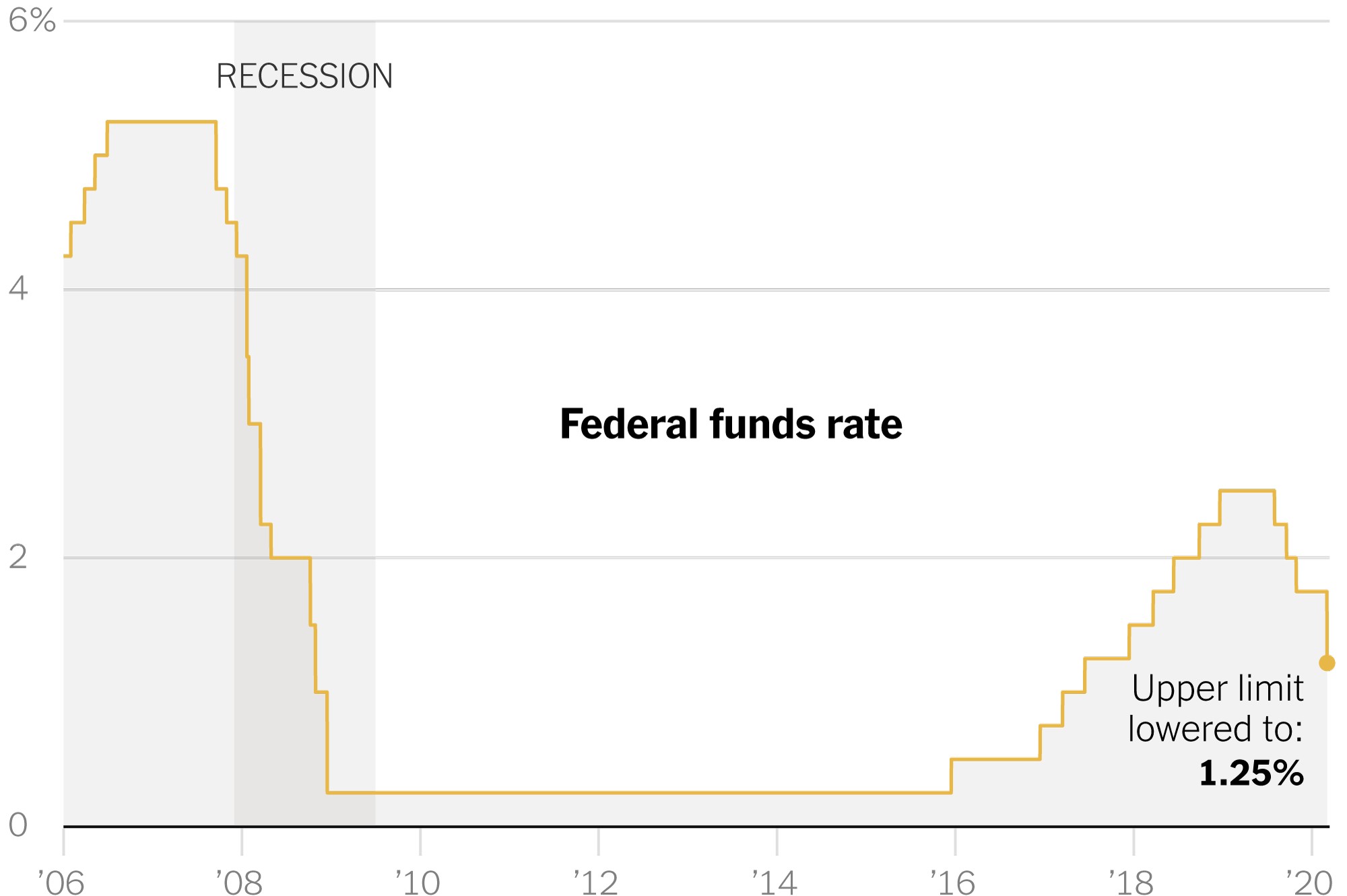
The Federal Reserve, led by Ben Bernanke, dropped the federal funds rate to near zero. When that wasn't enough to stimulate the economy, they turned to Quantitative Easing (QE). This involved the Fed buying trillions of dollars in long-term Treasury bonds and mortgage-backed securities to lower long-term interest rates and encourage borrowing.
| Metric | Pre-Recession (2007) | Recession Peak/Trough | Recovery (2014) |
|---|---|---|---|
| GDP Growth | +2.0% | -4.3% (Real GDP) | +2.5% |
| Unemployment Rate | 4.7% | 10.0% | 5.6% |
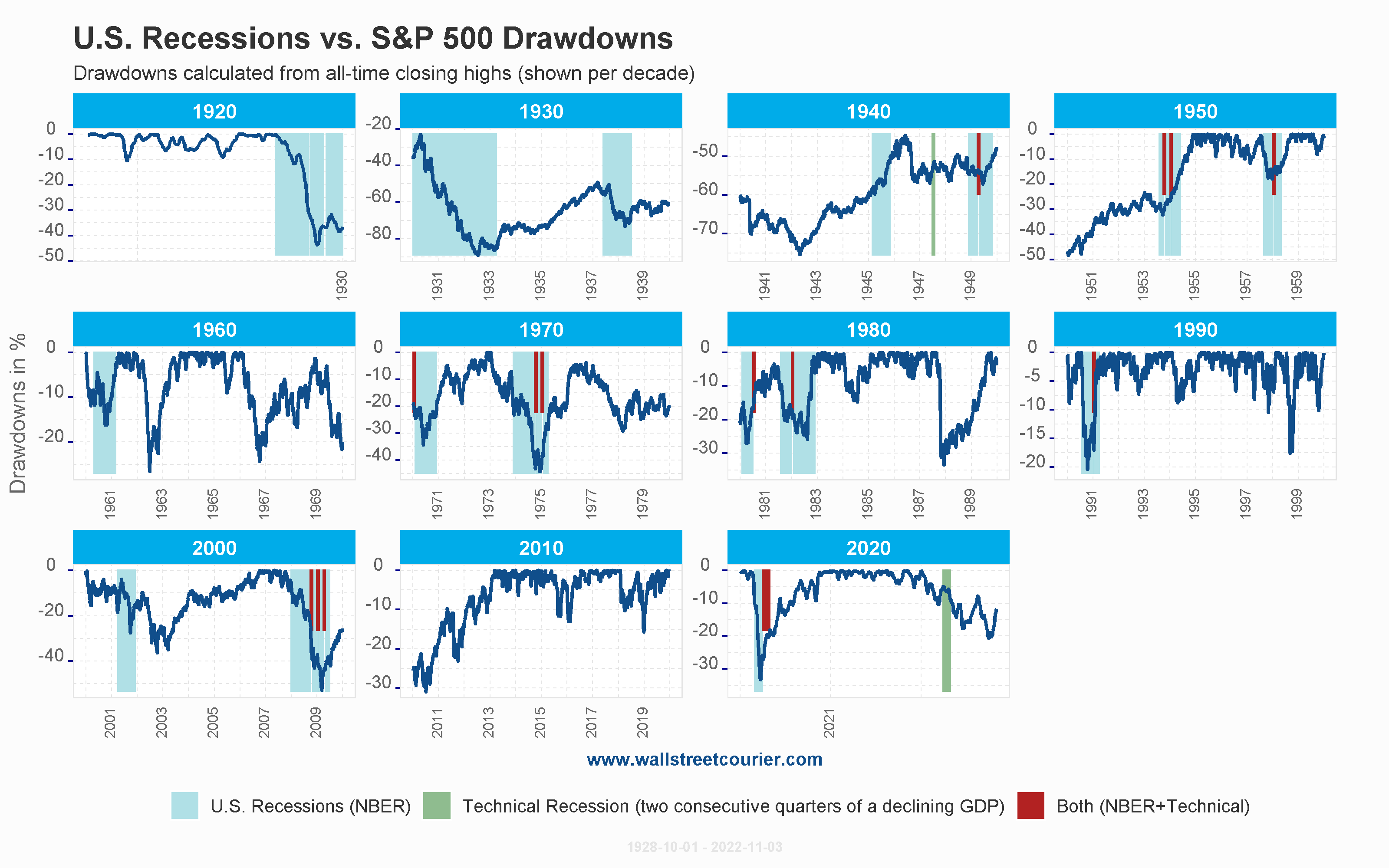
| S&P 500 Index | ~1,500 | ~676 | ~2,000 |
| Federal Funds Rate | 5.25% | 0.0% - 0.25% | 0.0% - 0.25% |
| Home Prices (Case-Shiller) | Peak (2006) | -33% from peak | Significant recovery |
Comparison: The 2020 COVID-19 Recession
While the Great Recession is the best example of a structural economic failure, the 2020 COVID-19 recession provides a stark contrast in terms of cause and velocity. The 2020 downturn was an "exogenous shock"—a sudden, external event rather than an internal economic imbalance.
The 2020 recession was the shortest on record, lasting only two months (February to April 2020). However, it was also the deepest, with GDP falling at an annualized rate of over 30% in the second quarter of 2020. Unlike 2008, the 2020 recovery was incredibly rapid due to massive direct cash transfers to citizens and the unique nature of a "forced" shutdown rather than a financial collapse.
As we stand in 2026, the lessons of 2008 remain more relevant for long-term policy. The regulatory frameworks established in the wake of the Great Recession, such as the Dodd-Frank Wall Street Reform and Consumer Protection Act, continue to govern how banks manage risk today, preventing the same type of housing-led contagion from recurring.
Practical Lessons for Individuals and Businesses
The Great Recession taught Americans several critical lessons regarding financial resilience. These principles remain the cornerstone of sound financial planning in 2026:
- Liquidity is King: During a recession, credit disappears. Businesses and individuals with liquid cash reserves (emergency funds) are the ones who survive and eventually capitalize on lower asset prices.
- Diversification Limits Contagion: Many investors in 2008 were over-exposed to real estate or financial stocks. A diversified portfolio across different sectors and asset classes is the only defense against systemic shocks.
- Understanding Leverage: The recession was fueled by debt (leverage). When asset prices fall, leverage amplifies losses. Lowering debt-to-income ratios is the most effective way to "recession-proof" a household.
Frequently Asked Questions
What is the difference between a recession and a depression?
A recession is a normal, though negative, part of the business cycle, typically lasting 6 to 18 months. A depression is a more severe and prolonged downturn, characterized by a decline in GDP of more than 10% or a recession lasting two or more years. The Great Recession was severe but did not reach the 25% unemployment levels seen during the Great Depression of the 1930s.
How do I know if the U.S. is currently in a recession?
You can track official announcements from the National Bureau of Economic Research (NBER), though they often declare a recession months after it has begun. Real-time indicators include three consecutive months of rising unemployment (the Sahm Rule), significant drops in consumer confidence, and an inverted yield curve in the bond market.
Do all recessions cause the stock market to crash?
Not necessarily, but they are highly correlated. The stock market is a forward-looking indicator; it usually begins to drop before a recession is officially declared and often begins to recover before the recession ends. In the Great Recession, the S&P 500 lost more than 50% of its value before bottoming out in March 2009.
How long does the average U.S. recession last?
Historically, since World War II, U.S. recessions have lasted an average of about 11 months. The Great Recession was significantly longer than average, lasting 18 months, which contributed to its "Great" moniker.
Can the government prevent a recession from happening?
Governments and central banks can use "counter-cyclical" policies—like lowering interest rates or increasing spending—to soften the blow or delay a downturn. However, most economists believe that recessions are inevitable corrections for market excesses and cannot be prevented indefinitely without creating even larger imbalances.
Next Steps for Economic Preparedness
If you are concerned about future economic volatility, the most effective action is to conduct a personal "stress test." Evaluate your job security, calculate your monthly "burn rate" against your savings, and ensure your investment portfolio is aligned with your risk tolerance. For business owners, focusing on debt reduction and maintaining strong relationships with multiple lenders can provide a safety net during periods of restricted credit.