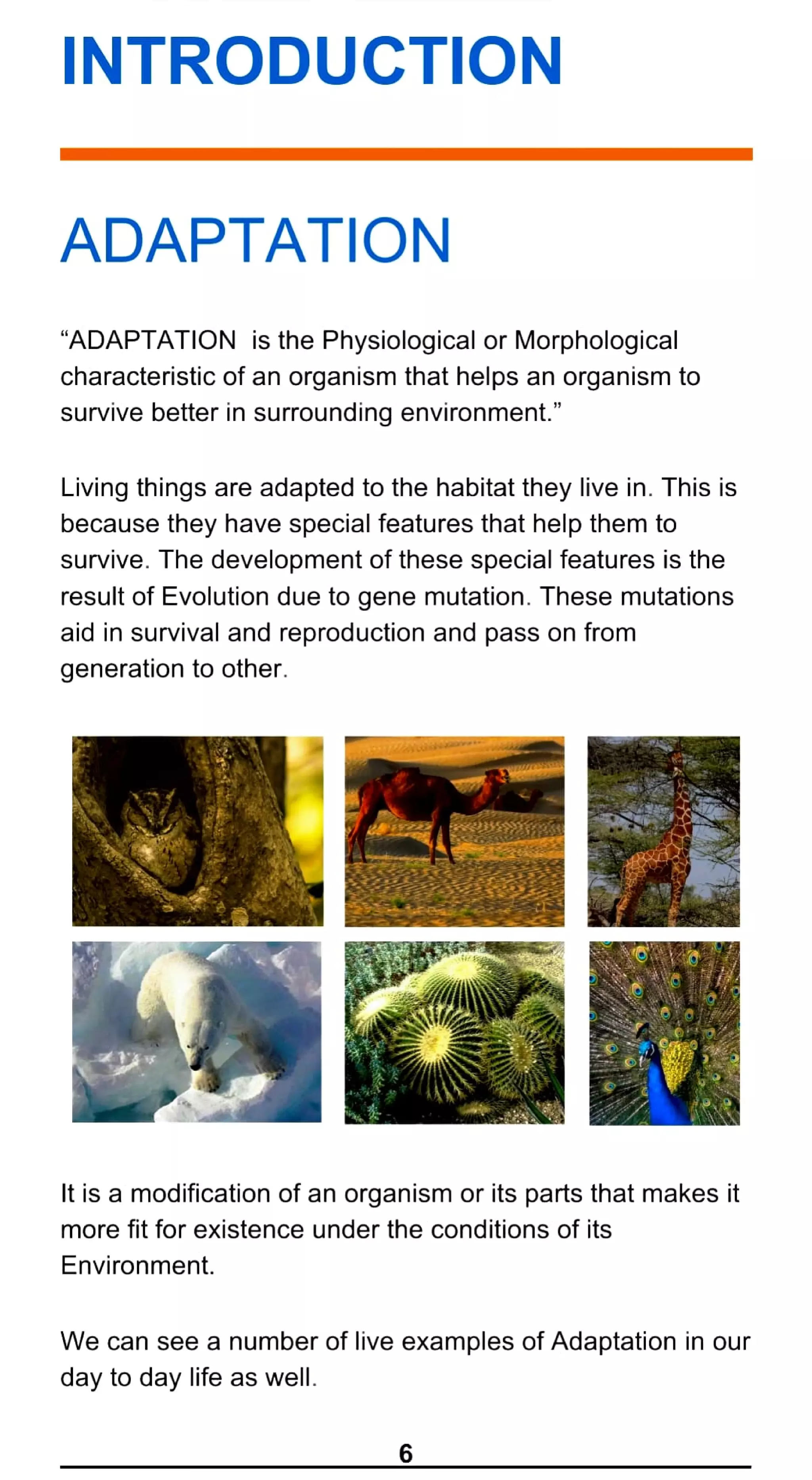
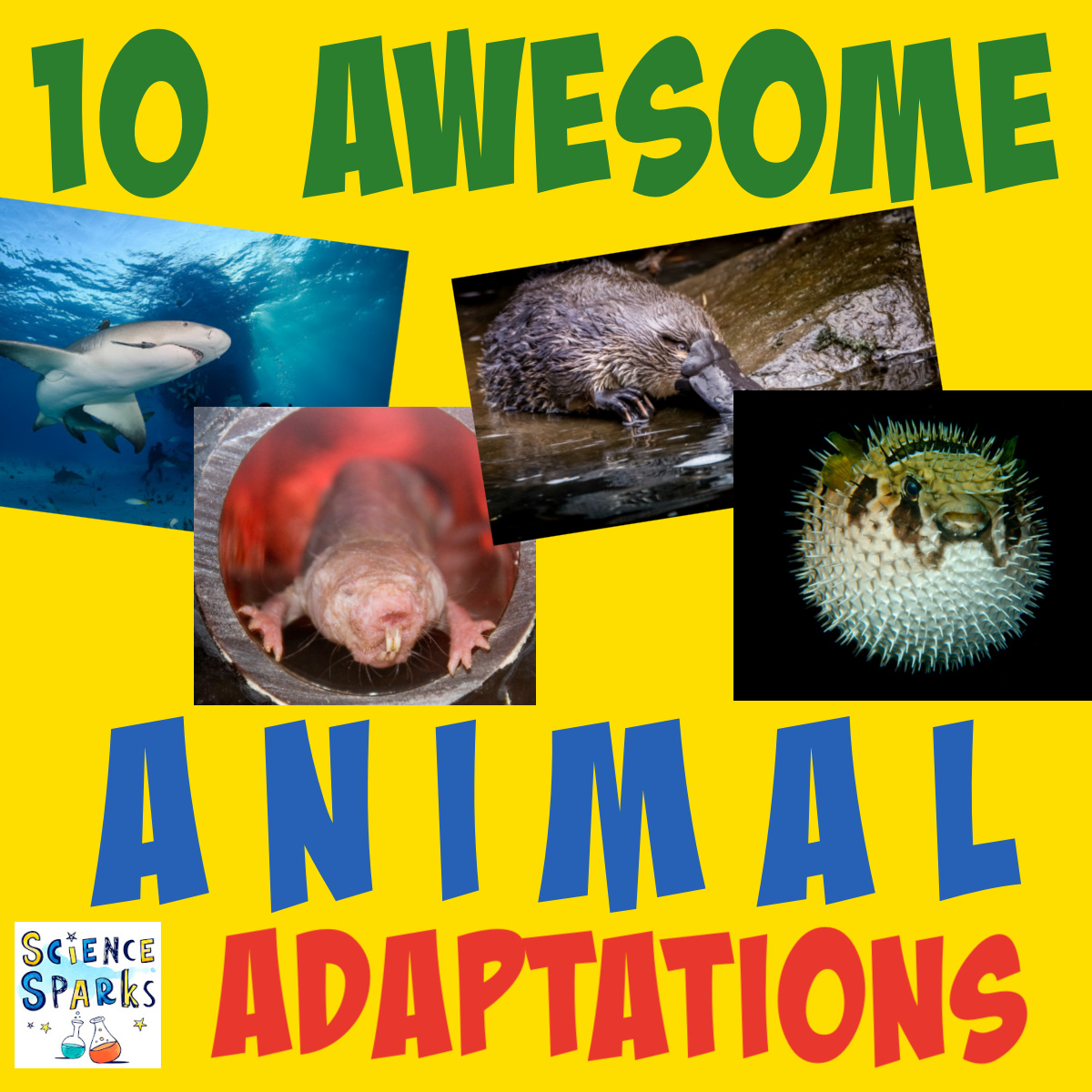
An example of adaptation is the thick blubber and translucent fur of a polar bear, which enable it to trap body heat and survive in sub-zero Arctic temperatures. In evolutionary biology, an adaptation is a genetically driven physical, physiological, or behavioral trait that enhances an organism's ability to survive and reproduce in its specific environment.
Understanding Adaptation: The Evolutionary Foundation
Adaptation is the central mechanism through which living organisms adjust to changing environments, resource limitations, predator pressures, and climate shifts. Driven primarily by natural selection, adaptation occurs over multiple generations. Random genetic mutations create variation within a population; individuals possessing traits that offer a survival or reproductive advantage are more likely to pass those beneficial genes to their offspring. Over time, these advantageous traits become predominant within the species.
To understand biological adaptation clearly, it is essential to distinguish it from acclimation (or acclimatization). Acclimation refers to short-term, reversible physiological adjustments made by an individual organism within its own lifetime—such as a human producing more red blood cells when traveling to a high-altitude region. Adaptation, in contrast, involves permanent changes encoded in an organism's genome that are inherited across generations.
Adaptations are generally categorized into three main types:
- Structural (or Morphological) Adaptations: Physical features of an organism's anatomy that enhance survival.
- Physiological Adaptations: Internal bodily processes, chemical reactions, and cellular functions that maintain homeostasis or perform specialized tasks.
- Behavioral Adaptations: Actions, patterns of movement, or social habits that organisms display to respond to external stimuli and environmental challenges.
Structural Adaptations: Physical Form Matched to Function
Structural adaptations are the physical traits—such as body shape, coloration, leaf structure, or protective armor—that directly aid an organism's survival. These traits evolve over thousands or millions of years as environmental pressures select for anatomical features that maximize efficiency and protection.
Types of Adaptation:
- Structural: Physical anatomical features (e.g., camel padded feet, polar bear blubber).
- Physiological: Internal metabolic & cellular processes (e.g., snake venom, concentrated urine).
- Behavioral: Actions, instincts, & social patterns (e.g., bird migration, meerkat sentinels).
The Desert Camel (Camelus dromedarius)
The dromedary camel provides one of the most comprehensive examples of structural adaptation to arid environments. Every physical aspect of the camel is specialized to combat extreme heat and shifting sand:
- Padded Hooves: Broad, flat footpads spread out when striking the ground, preventing the heavy animal from sinking into soft sand dunes.
- Double Row of Eyelashes and Sealable Nostrils: Long, interlocking eyelashes and slit-like nostrils that can close tight act as physical barriers against blowing dust and sandstorms.
- Fat-Storing Hump: Rather than distributing fat across its entire body—which would trap internal heat—the camel concentrates its adipose tissue in a localized hump. This leaves the rest of the body thin, allowing body heat to dissipate more effectively.
The Polar Bear (Ursus maritimus)
In stark contrast to the camel, the polar bear possesses structural adaptations designed to minimize heat loss in icy maritime Arctic environments:
- Translucent Guard Hairs: The outer hairs of a polar bear are hollow and clear. They direct sunlight down toward the skin while trapping a layer of insulating air.
- Black Skin Beneath White Fur: Beneath its pale fur, the polar bear’s skin is jet-black, allowing it to absorb heat from solar radiation efficiently.
- Thick Layer of Subcutaneous Blubber: A layer of fat up to 4 inches (10 centimeters) thick provides thermal insulation and buoyancy while swimming in frigid ocean waters.
Specialized Beak Shapes in Avian Species
Bird beaks represent classic structural adaptations tailored to specific feeding niches:
- Hummingbirds: Possess long, slender beaks and specialized extensible tongues to probe deep into tubular flowers for nectar.
- Hawks and Eagles: Feature sharp, hooked beaks designed to tear flesh from prey.
- Crossbills: Have crossed upper and lower mandibles that allow them to pry open pine cone scales to extract seeds.
Physiological Adaptations: Internal Biochemical and Metabolic Mastery
Physiological adaptations occur at the cellular, tissue, and systemic levels. Unlike physical anatomical modifications, physiological adaptations involve chemical processes, enzyme secretions, hormonal regulations, and osmotic balancing mechanisms.
Water Conservation in the Kangaroo Rat (Dipodomys)
The desert kangaroo rat of North America can live its entire life without drinking liquid water. Its extreme survival capability relies on advanced physiological mechanisms:
- Metabolic Water Production: The kangaroo rat derives moisture entirely from the cellular oxidation of dry seeds. As carbohydrate and lipid molecules are broken down during cellular respiration, water is generated as a byproduct.
- Elongated Loops of Henle: The microscopic filtering units (nephrons) in the kangaroo rat's kidneys feature exceptionally long loops of Henle. This anatomical and physiological configuration allows the kidneys to extract almost all moisture from waste, producing urine that is roughly five times more concentrated than human urine.
- Nasal Heat Exchangers: Specialized passages in the snout cool exhaled air, causing moisture to condense inside the nose before it can escape into the dry desert air.
Venom Production in Reptiles and Insects
Venom is a complex physiological adaptation that evolved independently across multiple animal lineages, including snakes, spiders, scorpions, and jellyfish.
In venomous snakes such as the diamondback rattlesnake (Crotalus atrox), modified salivary glands produce complex cocktails of proteins, enzymes, and neurotoxins or hemotoxins. These biochemical compounds perform two vital functions: immobilizing prey quickly without physical conflict and initiating internal tissue digestion before the prey is even swallowed.
High-Altitude Adaptations in Human Populations
Human populations living at high elevations provide a clear demonstration of genetic physiological adaptation in response to atmospheric hypoxia (low oxygen pressure).
- Tibetan Plateau Inhabitants: Native Tibetans carry a specific variant of the EPAS1 gene, inherited in part through ancient gene flow with Denisovans. This genetic adaptation regulates hemoglobin production, preventing the blood from becoming dangerously thick at high altitudes while maintaining efficient cellular oxygen transport.
- Andean Populations: Andean highlanders have adapted through a different physiological pathway, maintaining higher concentrations of hemoglobin per red blood cell, allowing them to extract maximum oxygen from thin atmospheric air.
Behavioral Adaptations: Learned and Inherited Actions for Survival
Behavioral adaptations encompass the actions organisms take to find food, avoid predators, mate, regulate body temperature, and raise offspring. These actions can be innate (genetically hardwired instincts) or learned through social interaction and experience.
Seasonal Bird Migration
Many species of birds undergo long-distance seasonal migrations to track food availability and favorable breeding conditions.
For example, the Arctic Tern (Sterna paradisaea) completes an annual round-trip migration of over 44,000 miles (70,000 kilometers) from its Arctic breeding grounds to the Antarctic wintering areas. This behavioral pattern ensures that the tern remains in regions with continuous daylight and abundant marine life throughout the year. Migration is triggered by photoperiod (changes in day length) and relies on celestial navigation, magnetic field perception, and landmarks.
Sentinel Behavior in Meerkats (Suricata suricatta)
Meerkats exhibit cooperative behavioral adaptations essential for survival in open African savannas. While the group searches for food, one or more meerkats act as sentinels, climbing to an elevated vantage point to scan the sky and horizon for predators such as eagles, jackals, and snakes.
If a predator is spotted, the sentinel emits specific alarm calls—distinct vocalizations that signal whether the threat is aerial or terrestrial and how close it is. Upon hearing the call, the rest of the mob flees directly into nearby underground burrows. This social behavior increases the overall survival rate of the kin group.
Thermoregulatory Behavior in Ectotherms
Cold-blooded animals (ectotherms) cannot regulate their body temperature through internal metabolic heat production. Instead, they rely on behavioral thermoregulation:
- Basking: Desert iguanas position themselves perpendicular to the sun's rays on warm rocks early in the morning to raise their metabolic rate.
- Shade-Seeking and Burrowing: As temperatures peak at mid-day, the reptiles move under vegetation or retreat into underground burrows to prevent overheating.
Classic Case Studies of Observable Evolutionary Adaptation
Biological adaptation is not just an ancient process recorded in fossils; scientists regularly document rapid evolutionary shifts in response to sudden environmental changes.
Industrial Melanism in Peppered Moths:
- Pre-Industrial Era:
- Tree trunks covered in lichen.
- Light moths camouflaged (high fitness).
- Dark moths eaten by birds (low fitness).
- Result: Light phenotype dominant.
- Industrial Revolution:
- Lichen killed by soot; trunks blackened.
- Dark moths camouflaged (high fitness).
- Light moths eaten by birds (low fitness).
- Result: Dark phenotype dominant.
The Peppered Moth (Biston betularia) and Industrial Melanism
One of the most famous examples of natural selection and adaptation occurred in England during the 19th-century Industrial Revolution:
- Pre-Industrial Environment: Light-colored, speckled peppered moths blended seamlessly with lichen-covered birch tree bark. A rare dark (melanic) mutant form existed but was easily spotted and eaten by birds, keeping its population frequency low (around 1-2%).
- Industrial Pollution: Heavy coal smoke killed light-colored lichens and coated tree trunks with dark soot across industrial centers like Manchester.
- Selective Shift: Light moths became highly visible against dark bark and were preyed upon heavily. Dark moths were now camouflaged, surviving longer and reproducing at higher rates.
- Rapid Adaptation: Within decades, the dark form made up over 90% of the peppered moth population in industrial areas.
- Reversal: Following clean air legislation in the mid-20th century, tree trunks returned to their natural state, and the frequency of light-colored moths rebounded—proving that adaptation is dynamic and tied directly to environmental conditions.
Darwin’s Finches of the Galápagos Islands
During his voyage on the HMS Beagle, Charles Darwin observed distinct bird species across the Galápagos archipelago. Modern research by biologists Peter and Rosemary Grant documented adaptive radiation in action among these finches:
- Beak Diversity: Different species evolved distinct beak sizes and shapes adapted to specialized food sources—cactus nectar, hard seeds, insects, or foliage.
- Drought-Induced Selection: During a severe drought in 1977 on the island of Daphne Major, small, soft seeds became scarce, leaving primarily large, tough seeds. Birds with slightly larger, deeper beaks were better able to crack these seeds and survived at significantly higher rates. The average beak depth of the next generation increased measurably, demonstrating natural selection operating in real time.
Antibiotic Resistance in Bacteria
In medical science, the rapid emergence of antibiotic-resistant bacteria provides a stark example of microevolutionary adaptation.
When a population of bacteria is exposed to an antibiotic such as penicillin, most susceptible individuals die. However, individual bacteria possessing rare genetic mutations that neutralize or pump out the drug survive. These resistant individuals multiply quickly, transferring their resistance genes vertically to offspring and horizontally to adjacent bacteria via plasmids.
This adaptive process has driven the widespread rise of multi-drug resistant pathogens like Methicillin-resistant Staphylococcus aureus (MRSA), creating major challenges for contemporary global public health.
Adaptation Beyond Biology: Human Infrastructure and Climate Resilience
While adaptation originated as a biological concept, it is now widely applied in environmental engineering, urban planning, and climate risk management. Climate adaptation refers to adjustments in natural or human systems in response to actual or expected climatic stimuli or their effects, which moderate harm or exploit beneficial opportunities.
Ecosystem-Based Adaptation (EbA)
Ecosystem-based adaptation utilizes natural biodiversity and ecosystem services to help human communities adapt to climate impacts:
- Mangrove Restoration: Mangrove forests act as natural coastal barriers. Their dense root systems trap sediment, attenuate wave energy, attenuate storm surges, and reduce coastal erosion far more cost-effectively than concrete sea walls while preserving fish nurseries.
- Wetland Restoration: Restoring inland wetlands provides natural floodwater storage during extreme precipitation events, mitigating downstream urban flooding.
Urban Heat Island Mitigation
Cities construct built environments that absorb and trap heat, creating localized temperature spikes known as urban heat islands. Engineered adaptations include:
- Cool Roofs: Applying reflective coatings or solar tiles to roof surfaces to reduce heat absorption and lower building energy demand.
- Urban Tree Canopies: Planting strategic native trees along streets to increase shade and lower surface temperatures via evapotranspiration.
- Permeable Pavement: Utilizing porous asphalt and interlocking pavers that allow rainwater to infiltrate the ground, cooling urban surfaces and replenishing local aquifers.
Comparing the Three Categories of Biological Adaptation
The table below contrasts structural, physiological, and behavioral adaptations across diverse taxa:
| Adaptation Category | Primary Mechanism | Primary Biological Goal | Notable Organism Example | Specific Adaptive Trait |
|---|---|---|---|---|
| Structural | Physical/Anatomical modification | Protection, mobility, resource capture | Polar Bear (Ursus maritimus) | Hollow translucent guard hair & thick blubber layer |
| Structural | Physical/Anatomical modification | Water retention, heat dissipation | Dromedary Camel (Camelus dromedarius) | Fat-concentrated hump & wide flat footpads |
| Physiological | Chemical/Metabolic pathway shift | Osmoregulation, metabolic efficiency | Kangaroo Rat (Dipodomys) | Long loop of Henle yielding hyper-concentrated urine |
| Physiological | Enzymatic/Biochemical secretion | Defense, prey incapacitation | Rattlesnake (Crotalus atrox) | Specialized venom glands producing hemotoxins |
| Physiological | Gene expression alteration | Hypoxia resistance | High-altitude Humans | EPAS1 gene variation controlling red blood cell production |
| Behavioral | Instinctive or learned action | Climate avoidance, resource tracking | Arctic Tern (Sterna paradisaea) | 44,000-mile annual migration between polar regions |
| Behavioral | Social communication & vigilance | Predator detection and protection | Meerkat (Suricata suricatta) | Dedicated sentinel duty and vocal alarm systems |
Frequently Asked Questions
What is the difference between adaptation and evolution?
Evolution is the broader, overarching process by which allele frequencies and genetic traits of a population change over successive generations. Adaptation is the specific outcome of natural selection within evolution—a trait that has been honed because it provides a functional benefit for survival and reproduction in a specific habitat.
Can an individual animal adapt within its own lifetime?
No, individual animals cannot undergo biological adaptation in the genetic sense within their lifetime. An individual can undergo short-term acclimation (such as a mammal growing a thicker coat in winter or a human building endurance at high elevation), but genetic adaptations are inherited traits passed down through populations across generations.
How do plants show structural adaptations?
Plants exhibit numerous structural adaptations. Cacti (Cactaceae) possess leaves modified into sharp spines to deter herbivores and reduce water loss from transpiration, while their green stems perform photosynthesis and store water. Carnivorous plants like the Venus flytrap (Dionea muscipula) have modified leaf blades that snap shut to capture insects in nutrient-poor soils.
What happens if an organism fails to adapt to environmental changes?
If environmental conditions change faster than a species can adapt through genetic variation and natural selection—and if the species cannot migrate to a suitable habitat—it faces population decline and potential extinction. Historical mass extinction events demonstrate the vulnerability of highly specialized species when environmental disruption outpaces adaptive capability.
Are all physical features of an organism considered adaptations?
No. Some physical features are evolutionary remnants (vestigial structures) that once served a purpose but no longer provide an adaptive advantage, such as the pelvic bones in whales or the human appendix. Other traits exist as side effects of development (spandrels) or due to genetic drift rather than selective advantage.
Summary and Next Steps
Adaptation is the cornerstone of life's diversity on Earth. Whether manifested as physical structures (such as a camel's padded hooves), internal chemistry (such as a kangaroo rat's metabolic water production), or complex instincts (such as bird migration), adaptive traits allow life to thrive in every ecological niche on the planet. Understanding these principles helps scientists monitor ecosystem health, manage conservation efforts, and design resilient human infrastructure facing global climate change.
To deepen your understanding of biological adaptation and evolutionary processes:
- Study local plant and animal species to identify their unique structural and behavioral traits.
- Explore academic resources on population genetics and evolutionary biology through open-access repositories like the National Center for Biotechnology Information (NCBI).
- Review environmental management reports from agencies such as the U.S. Environmental Protection Agency (EPA) to see how ecosystem-based adaptation principles are implemented in modern infrastructure planning.