Logistics in practice is the strategic process of planning, implementing, and controlling the efficient flow and storage of goods, services, and information from the point of origin to the point of consumption. In 2026, this typically involves a highly integrated network of automated warehouses, real-time data analytics, and multimodal transportation systems designed to meet specific consumer demands.
The Framework of Modern Logistics
To understand an example of logistics in practice, one must first distinguish between the various layers of the supply chain. While "supply chain management" is the overarching umbrella that includes procurement and manufacturing, logistics focuses specifically on the movement and positioning of inventory. In a modern 2026 context, logistics is no longer a back-office function; it is a competitive differentiator that utilizes Artificial Intelligence (AI) to predict demand and optimize routes before a customer even places an order.
Logistics is generally divided into two primary flows: inbound logistics, which manages the movement of raw materials or finished goods from suppliers to a company’s warehouse, and outbound logistics, which handles the distribution of those products to the end customer. A breakdown of these flows reveals the complexity of "practice" versus "theory." In practice, a delay at a shipping port in Southeast Asia can trigger a cascading failure in a domestic fulfillment center unless the logistics framework includes robust contingency planning and real-time visibility.
A Practical Example: The Journey of a Consumer Electronic Device
To illustrate logistics in practice, consider the lifecycle of a high-end smartphone produced by a global manufacturer and sold through an e-commerce platform. This example highlights the integration of international shipping, warehousing, and "last-mile" delivery.
Stage 1: Inbound Logistics and Procurement
The process begins with the movement of components—lithium batteries from South Korea, semiconductors from Taiwan, and camera modules from Japan—to a central assembly facility. Logistics in practice here involves freight forwarding and customs brokerage. The logistics manager must coordinate the arrival of these parts so that assembly lines do not sit idle (the "Just-in-Time" or JIT model).
Once the finished smartphones are packaged, they are moved in bulk via container ships or air freight to regional distribution centers (RDCs). In 2026, many companies utilize predictive shipping, where historical data suggests that 50,000 units will be needed in the North American market by a certain date, allowing the logistics team to begin movement before the sales are even finalized.
Stage 2: Warehousing and Inventory Management
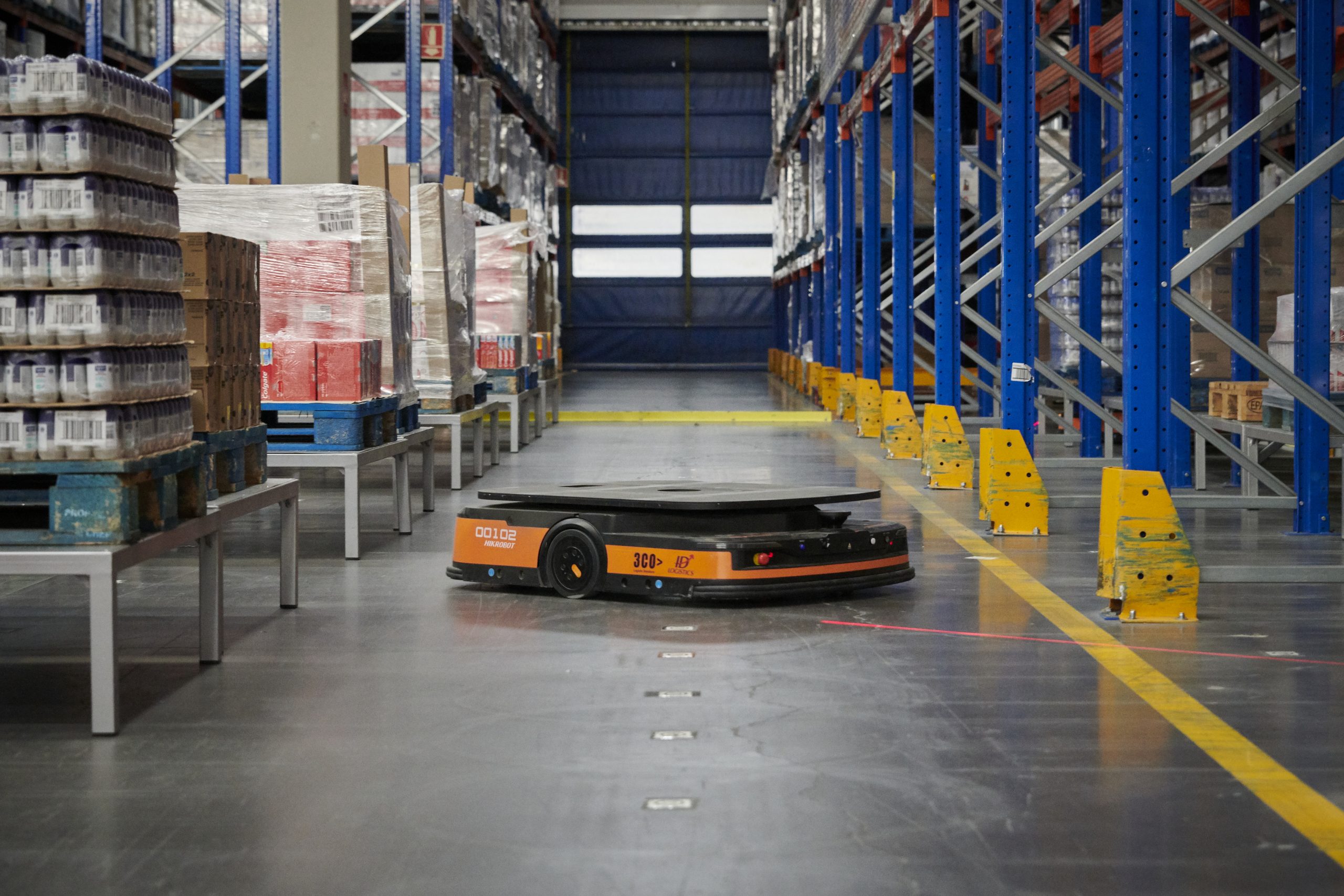
Upon arrival at a domestic port, the containers are offloaded and transported via rail or truck to a primary fulfillment center. Here, the practical application of a Warehouse Management System (WMS) becomes critical.
- Receiving and Slotting: The smartphones are scanned into the system using RFID (Radio Frequency Identification) tags. The WMS determines the optimal "slotting" location—placing high-velocity items closer to the packing stations to minimize travel time for robotic pickers.
- Inventory Control: Logistics practitioners must maintain a balance between "carrying costs" (the expense of storing the phones) and "stockout risks" (the loss of a sale due to lack of inventory). In 2026, many warehouses use automated storage and retrieval systems (AS/RS) that operate in dark environments to save on energy costs.
Stage 3: Order Processing and Picking
When a customer clicks "buy" on the website, the outbound logistics phase is triggered. The order is transmitted to the fulfillment center, where a "picking" strategy is executed.
In practice, this might involve zone picking, where different workers (or robots) are responsible for different sections of the warehouse. The smartphones are collected, matched with any accessories (like cases or chargers), and sent to a packing station. Here, automated systems select the smallest possible box to reduce "dim weight" (dimensional weight) charges from carriers, a crucial cost-saving measure in logistics.
Stage 4: Outbound Transportation and the Last Mile
The "last mile" is often the most expensive and complex part of the logistics chain. It involves moving the package from a local delivery hub to the customer's doorstep.
- Line-haul: The package travels via a large truck from the fulfillment center to a local sortation hub.
- Route Optimization: Dynamic routing software analyzes traffic patterns, weather, and delivery density to create the most efficient path for the delivery driver or autonomous delivery vehicle.
- Proof of Delivery: In 2026, this is often handled via biometric confirmation or high-resolution photo evidence transmitted instantly to the customer's mobile app.
Comparison of Logistics Service Models
Different companies require different levels of logistical support. The following table compares the most common models used in practice today.
| Model | Definition | Best For | Key Advantage |
|---|---|---|---|
| 1PL (First-Party) | The manufacturer handles all its own transport and storage. | Local farms or small shops. | Total control over the process. |
| 2PL (Second-Party) | The company hires a carrier (like a trucking line) for a specific leg. | Companies with large, consistent volume. | Reduced capital investment in trucks. |
| 3PL (Third-Party) | An external provider manages warehousing and distribution. | Growing e-commerce brands. | Scalability and expertise. |
| 4PL (Fourth-Party) | An integrator that manages multiple 3PLs and the entire supply chain. | Large multinational corporations. | Strategic oversight and technology integration. |
| 5PL (Fifth-Party) | Focuses on e-business and managing entire supply networks via AI. | Tech-heavy global marketplaces. | Maximum efficiency through big data. |
The Role of Reverse Logistics
A comprehensive example of logistics must include reverse logistics, or the management of returns. In the e-commerce sector, return rates can exceed 20%. Logistics in practice requires a streamlined process for:
- Gatekeeping: Inspecting returned items to determine if they can be resold, refurbished, or must be recycled.
- Disposition: Moving the item back into the active inventory or sending it to a secondary market (liquidators).
- Sustainability: Reducing the carbon footprint of returns by consolidating shipments rather than individual courier pickups.
Failure to manage reverse logistics effectively can erode profit margins significantly. High-performing organizations treat returns as a "circular" logistics opportunity rather than a mere cost center.
Essential KPIs for Measuring Logistics Success
To ensure that the "practice" of logistics is actually working, managers track several Key Performance Indicators (KPIs). These metrics provide the data necessary to troubleshoot bottlenecks.
- Order Cycle Time: The total time from when a customer places an order to when it is delivered.
- Transportation Cost per Unit: Total freight costs divided by the number of items shipped. This is vital for pricing products accurately.
- Inventory Accuracy: The discrepancy between the physical stock and the numbers recorded in the WMS.
- On-Time Delivery (OTD): The percentage of orders that reach the customer within the promised timeframe.
Current Challenges in Logistics Practice (2026)
While technology has advanced, logistics remains susceptible to external shocks. In 2026, the industry faces three primary challenges:
Labor Shortages and Automation: Despite the rise of robotics, human expertise is still required for complex problem-solving. Logistics companies are currently balancing the high upfront cost of automation with the rising wages of specialized logistics technicians.
Sustainability Mandates: Regulatory bodies, such as the Environmental Protection Agency (EPA) and international maritime organizations, have implemented stricter carbon emission standards. Moving goods in practice now requires a mix of electric delivery vans, hydrogen-powered freight ships, and carbon-offsetting protocols.
Data Silos: Many companies struggle because their inbound logistics data does not communicate with their outbound sales data. Practical success depends on "End-to-End Visibility," where every stakeholder in the chain—from the raw material supplier to the courier—shares a single source of truth.
Frequently Asked Questions
What is the difference between logistics and a supply chain?
Logistics is a functional subset of the supply chain. While the supply chain encompasses everything from product development and sourcing to manufacturing and customer service, logistics specifically focuses on the physical movement and storage of goods. If the supply chain is the entire blueprint of a building, logistics is the plumbing and electrical system that keeps everything flowing.
How do small businesses implement logistics in practice?
Small businesses often begin with a 1PL or 2PL model, handling their own storage but hiring couriers for delivery. As they grow, they typically transition to a 3PL provider. This allows the business to "rent" warehouse space and shipping expertise, converting a fixed cost (a warehouse lease) into a variable cost (per-package fees), which is essential for managing cash flow during seasonal peaks.
Why is "last-mile" delivery so difficult?
The last mile is difficult because it lacks the "economies of scale" found in long-haul shipping. A cargo ship can move 20,000 containers at once, but a delivery van might only deliver 150 packages, each to a different address with different parking, traffic, and security constraints. In 2026, solving this involves micro-fulfillment centers located in urban basements to get the inventory closer to the final destination.
What is "cross-docking" in logistics?
Cross-docking is a logistical practice where products from an inbound truck or rail car are unloaded and directly loaded into outbound vehicles with little to no storage in between. This is commonly used for perishable goods or high-demand items to reduce handling costs and speed up the delivery process. It requires precise synchronization between arriving and departing transport.
How has AI changed logistics by 2026?
By 2026, AI has moved from a speculative tool to a core operational requirement. It is used for demand sensing, which predicts local surges in orders based on social media trends or weather events, and for autonomous orchestration, where AI systems re-route shipments automatically when a port strike or natural disaster is detected, often before the human managers are even aware of the problem.
Practical Recommendation for Businesses
For organizations looking to improve their logistics in practice, the first step is to conduct a logistics audit. This involves mapping out every touchpoint a product has from the moment it leaves the supplier to the moment it reaches the customer.
- Identify Bottlenecks: Look for stages where inventory sits idle for more than 24 hours.
- Evaluate 3PL Partners: If your internal costs for warehousing and shipping exceed 10-15% of your gross revenue, consider outsourcing to a specialist provider.
- Invest in Integration: Ensure your e-commerce storefront, your inventory system, and your shipping carriers are all connected via API. Real-time data is the only way to manage customer expectations in an era of "instant" gratification.
By focusing on visibility and flexibility, businesses can turn logistics from a necessary expense into a powerful tool for customer retention and operational efficiency.