A 1099 life insurance wholesaler contract is a legal agreement between an insurance carrier or an Independent Marketing Organization (IMO) and an independent contractor who promotes life insurance products to financial advisors and agents. Unlike an employee, a 1099 wholesaler operates their own business entity, manages their own expenses, and is primarily compensated through overrides or commissions based on the sales volume generated by the agents they support.
Understanding the Role of the 1099 Wholesaler
In the life insurance industry, the wholesaler acts as the vital link between the product manufacturer (the carrier) and the distributor (the agent or broker). As of 2026, the landscape of wholesaling has shifted toward a "consultative" model, where the wholesaler provides not just product quotes, but complex case design, tax strategy insights, and technological support for digital applications.
A 1099 wholesaler, often referred to as an external wholesaler or a brokerage director, is not a direct employee. This distinction is critical because it dictates the tax obligations, the degree of control the hiring entity has over the wholesaler’s daily activities, and the structure of the compensation package. The contract serves as the foundational document that defines these boundaries, ensuring that both the carrier/IMO and the wholesaler are protected from regulatory scrutiny and financial disputes.
The Foundation of Independent Contractor Status
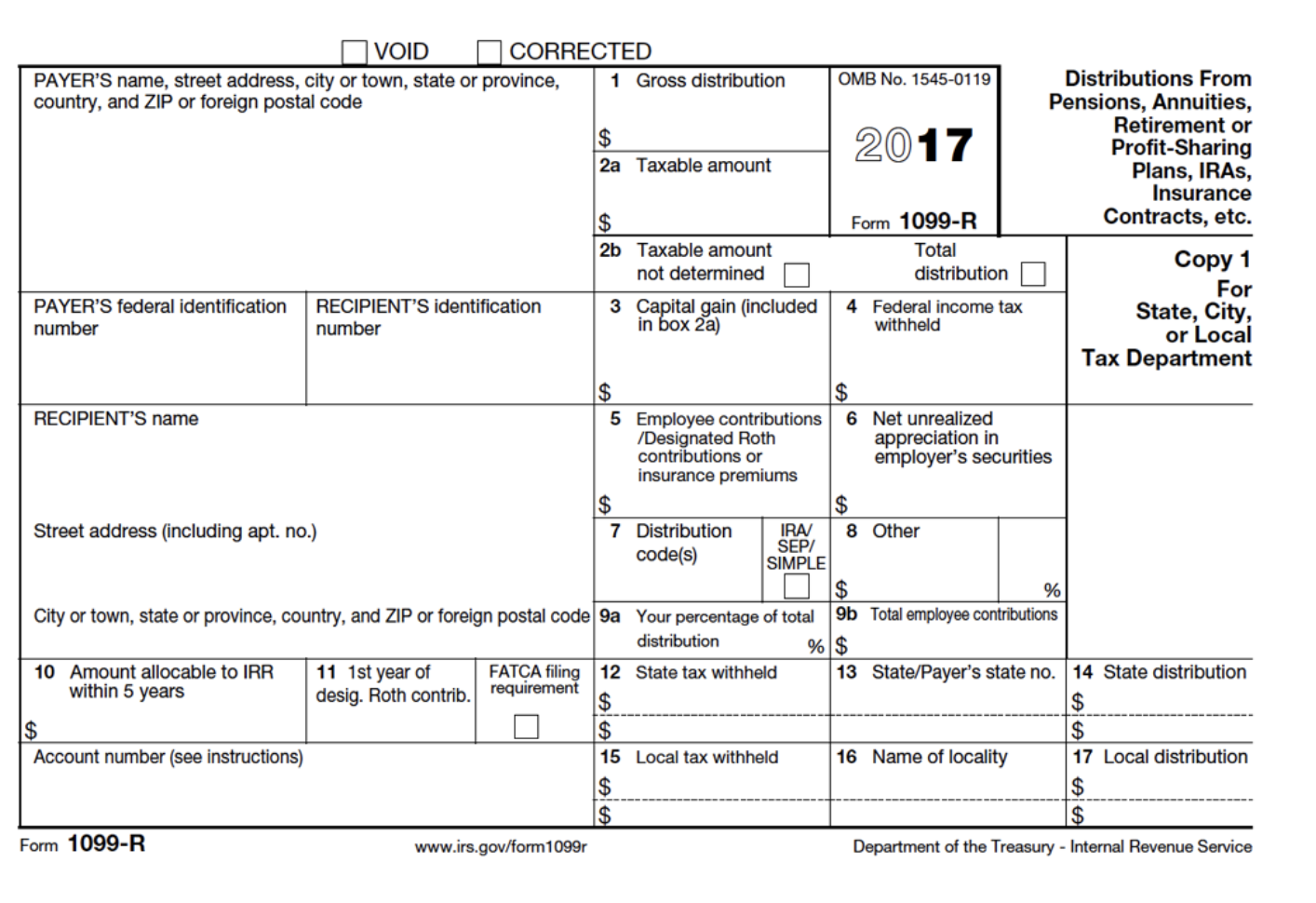
The "1099" designation refers to the IRS Form 1099-NEC used to report non-employee compensation. For a wholesaler contract to remain valid under IRS and Department of Labor guidelines in 2026, it must clearly establish that the wholesaler is an independent business owner.
Control and Autonomy
The contract usually specifies that the wholesaler has the "right of control" over the means and methods of their work. While the hiring entity can set goals—such as target production numbers—they cannot dictate the wholesaler’s specific working hours, the sequence of their office visits, or the specific software they use for their CRM (Customer Relationship Management). If the contract exerts too much control, the wholesaler could be reclassified as a W-2 employee, leading to significant tax penalties for the hiring firm.
Business Expenses and Tools
A standard 1099 wholesaler contract will state that the contractor is responsible for all business-related expenses. This includes travel, lodging, marketing materials, home office costs, and licensing fees. In exchange for this financial risk, the wholesaler typically receives a higher commission rate or override than a salaried internal wholesaler would.
Key Compensation Structures and Overrides
Compensation is the most detailed section of any wholesaler agreement. Because the wholesaler does not usually sell directly to the public, their income is derived from the "spread" or "override" on the premiums paid for policies sold by the agents in their territory or "downline."
The Override Mechanism
The contract defines the specific percentage the wholesaler earns on various product lines. For instance, a wholesaler might earn 5% of the first-year target premium on a Whole Life policy and 3% on a Term Life policy. The contract must clarify if these overrides are paid upon the issuance of the policy or upon the receipt of the first premium payment.
Renewal Commissions and Vesting
One of the most contested areas in 1099 contracts is the right to renewal commissions. A "vested" contract means the wholesaler continues to receive overrides on recurring premiums even after they stop working for the firm. In 2026, many firms offer "partially vested" or "tenure-vested" schedules, where the right to renewals increases the longer the wholesaler remains with the organization.
Chargebacks and Debts
The contract must include a "chargeback" provision. If an agent writes a policy that is subsequently cancelled or "surrendered" within the first year, the carrier usually recoups the commission paid to the agent. Consequently, the wholesaler must also pay back the override they earned on that specific sale. The contract typically allows the hiring entity to offset these chargebacks against future earnings.
Regulatory Compliance and Licensing Requirements
Life insurance is a highly regulated financial product. A 1099 wholesaler contract is not just a business agreement; it is a compliance document that must align with the standards set by the National Association of Insurance Commissioners (NAIC) and state-specific insurance departments.
Licensing Provisions
The wholesaler must maintain valid life and health insurance licenses in every state where they conduct business. If the products involve variable components (like Variable Universal Life), the contract will also require the wholesaler to maintain FINRA Series 6 or 7 and Series 63 registrations. The contract usually stipulates that any lapse in licensing results in an immediate suspension of compensation.
The Fiduciary and Best Interest Standards
By 2026, the industry has largely standardized "Best Interest" protocols. Wholesaler contracts now explicitly require the contractor to ensure that the marketing materials and case designs they provide to agents meet the "best interest" of the end consumer. Even though the wholesaler does not meet the consumer, they are legally obligated to provide accurate, non-misleading information to the agent who does.
Anti-Money Laundering (AML) Training
To comply with federal law, 1099 wholesalers must complete periodic AML training. The contract will often cite the USA PATRIOT Act requirements, noting that the wholesaler must report any suspicious activity observed within their agent network.
Restrictive Covenants: Protecting the Business
Since a wholesaler’s primary value lies in their relationships with agents, firms use restrictive covenants to protect their "distribution channel."
Non-Solicitation Agreements
This clause prevents the wholesaler from "poaching" agents or staff if they leave the firm. In a 1099 context, this is often limited to agents the wholesaler specifically serviced while under contract. Courts in 2026 generally look more favorably on non-solicitation clauses than on broad non-compete clauses, especially for independent contractors.
Confidentiality and Data Privacy
Wholesalers have access to sensitive agent production data and, occasionally, "Personally Identifiable Information" (PII) of policyholders. The contract must mandate strict adherence to data privacy laws, such as the California Consumer Privacy Act (CCPA) or similar state regulations. The wholesaler is typically required to encrypt all communications containing sensitive data and to notify the hiring firm immediately in the event of a data breach.
Errors and Omissions (E&O) Insurance
A 1099 wholesaler is a professional providing expert advice. If a wholesaler provides an incorrect product illustration that leads to a lawsuit against the agent and the carrier, the wholesaler can be held liable.
The contract will specify a minimum amount of E&O coverage that the wholesaler must carry, often ranging from $1 million to $5 million per occurrence. The wholesaler must provide a "Certificate of Insurance" (COI) annually to prove the policy is in force. The contract will also include an "Indemnification" clause, stating that the wholesaler will hold the carrier harmless for any losses resulting from the wholesaler’s negligence or misconduct.
Comparison of 1099 vs. W-2 Wholesaler Contract Terms
The following table highlights the material differences in how these roles are structured within a standard agreement in 2026.
| Feature | 1099 Independent Wholesaler | W-2 Employee Wholesaler |
|---|---|---|
| Tax Status | Responsible for SECA taxes (15.3%) | Employer pays 50% of FICA/Medicare |
| Expenses | Contractor pays all (travel, tech, marketing) | Employer reimburses all business expenses |
| Compensation | High override, no base salary | Base salary + lower bonus/commission |
| Work Schedule | Defined by the contractor | Defined by the employer |
| Benefits | None (must fund own 401k/Health) | Health, 401k match, and paid time off |
| Equipment | Contractor provides laptop, phone, CRM | Employer provides all necessary hardware |
| Liability | Wholesaler carries personal E&O | Covered under corporate E&O policy |
Termination and "The Tail"
How a contract ends is as important as how it begins. A 1099 contract usually allows for termination "without cause" by either party with a written notice period (e.g., 30 or 60 days).
Termination for Cause
The hiring firm can terminate the contract immediately if the wholesaler loses their license, is convicted of a felony, or violates compliance protocols. In these cases, all future commissions and renewals are typically forfeited.
Post-Termination Compensation (The Tail)
The "tail" refers to the period after termination during which the wholesaler may still be entitled to overrides on business that was "in the pipeline" before the contract ended. A well-drafted 1099 contract will define a specific window—often 90 days—where the wholesaler is paid for policies that were submitted but not yet issued at the time of departure.
Intellectual Property and Marketing Materials
Wholesalers often create their own sales presentations, "cheat sheets," or webinars. The contract must clarify who owns this intellectual property (IP). Generally, if the wholesaler creates the content using the carrier’s branding and proprietary data, the carrier retains the rights. However, if the wholesaler develops a unique "sales system" or branding for their own independent agency, the contract should explicitly state that the wholesaler retains ownership of that specific IP.
Frequently Asked Questions
Can a 1099 wholesaler represent multiple insurance carriers?
Yes, unless the contract includes an "exclusivity" clause. Many 1099 wholesalers work for an IMO, which allows them to offer products from dozens of different carriers. If a wholesaler is contracted directly with a single carrier, that contract may prohibit them from promoting competing products.
Is a 1099 wholesaler responsible for agent licensing?
While the wholesaler doesn't physically issue licenses, the contract usually requires them to "verify and monitor" that the agents they work with are properly appointed and licensed before any business is submitted. If a wholesaler knowingly accepts business from an unlicensed agent, it is a major breach of contract.
What happens to my commissions if the IMO goes out of business?
This depends on whether the contract is "direct-to-carrier" or "through the IMO." If the contract is through an IMO, and that entity fails, the wholesaler might lose their overrides unless there is a "tri-party agreement" or "succession clause" that allows the wholesaler to move their downline directly to the carrier.
Do 1099 wholesalers get 13th-month bonuses?
Some contracts include "production bonuses" or "profitability kickers" based on the performance of the block of business over a calendar year. These are not guaranteed and are strictly defined by the performance metrics outlined in the compensation schedule of the contract.
How are disputes handled in these contracts?
Most modern 1099 wholesaler contracts include a mandatory arbitration clause. This means any legal disputes regarding commissions or contract breaches will be handled by a private arbitrator rather than in a public courtroom, which is usually faster but limits the right to appeal.
Recommendation for Moving Forward
If you are considering signing a 1099 life insurance wholesaler contract, your first action should be to have the compensation and "restrictive covenant" sections reviewed by a qualified attorney who specializes in the financial services industry. Specifically, look for "hidden" chargeback liabilities and ensure that the non-solicitation language does not prevent you from earning a living if you decide to move to a different firm later.
Furthermore, ensure that the contract provides a clear path for "succession" or "buy-sell" rights. If you build a massive agency of agents as a 1099 wholesaler, that "book of business" has value. A high-quality contract will allow you to sell your override rights to another qualified wholesaler or back to the firm upon your retirement, effectively treating your wholesaling business as a capital asset.