The AAPC 2025 Regional Conferences provided specialized training for medical coders, billers, and auditors through two major live events in Philadelphia and Anaheim. These conferences focused on 2025 CPT and ICD-10-CM updates, AI-driven automation, and Evaluation and Management (E/M) guidelines, offering attendees up to 12–18 CEUs per event to maintain professional certifications.
The landscape of healthcare documentation and revenue cycle management underwent significant shifts during 2025. For professionals holding credentials such as the Certified Professional Coder (CPC), Certified Outpatient Coder (COC), or Certified Professional Medical Auditor (CPMA), the AAPC Regional Conferences served as the primary vehicle for staying compliant with federal regulations and clinical coding standardizations. As we look back from 2026, the 2025 regional circuit is remembered for its heavy emphasis on the "technological pivot"—the integration of artificial intelligence into the coding workflow—and the refinement of complex E/M leveling.
The Strategic Importance of AAPC Regional Conferences
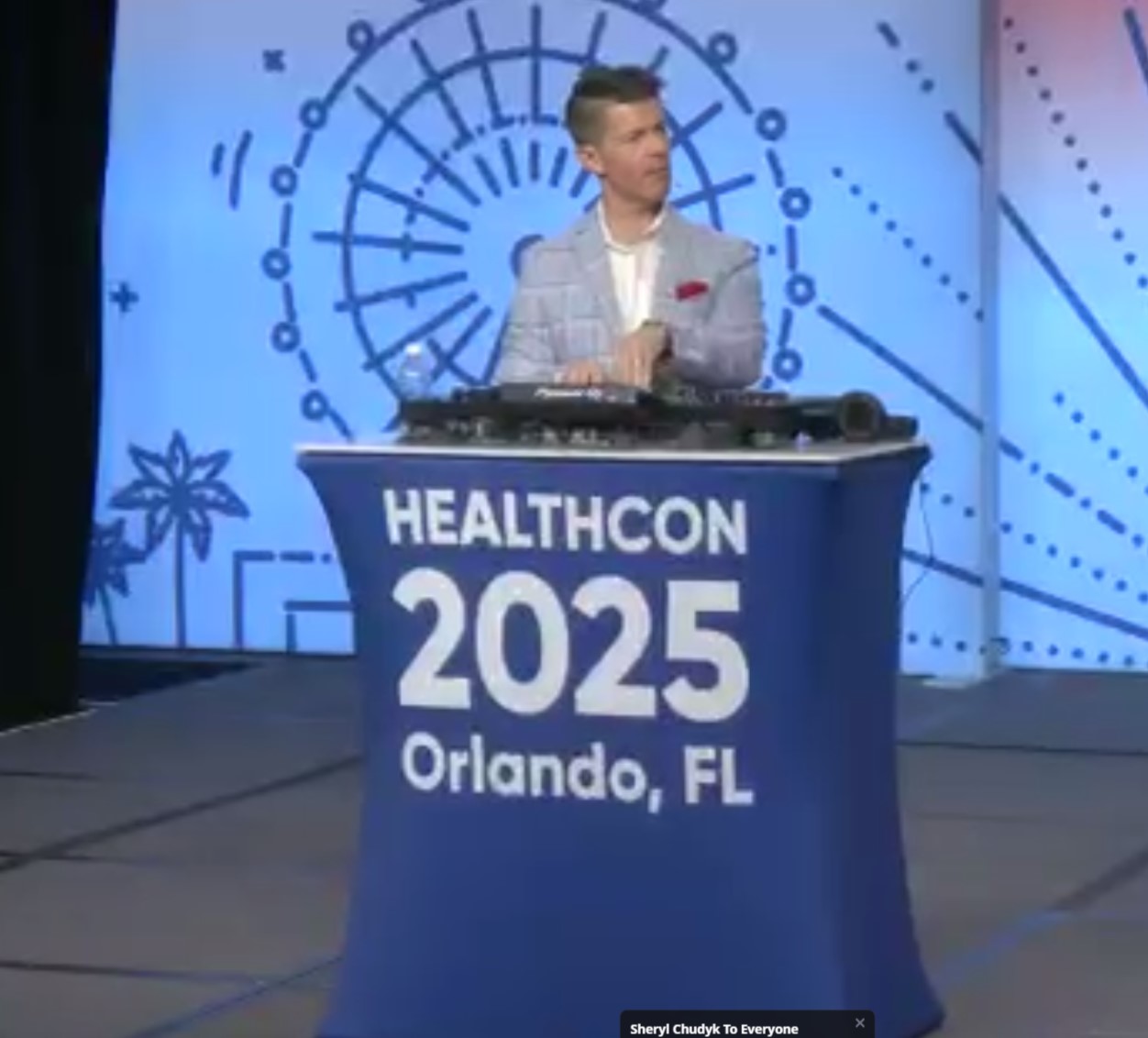
AAPC (formerly the American Academy of Professional Coders) hosts regional conferences to bridge the gap between local chapter meetings and the massive national HEALTHCON event. For many professionals, these mid-sized gatherings offer a more intimate setting for high-level education without the logistical strain of a 4,000-person convention.
In 2025, the regional conferences were strategically positioned to address the "mid-cycle" challenges of the coding year. By the time the conferences occurred in the late summer and fall, the initial confusion surrounding the year's New Year updates had settled, allowing speakers to focus on practical application, audit findings, and troubleshooting common denials.
Why the 2025 Circuit Mattered
The 2025 events were particularly critical due to the finalization of various telehealth policies that had been in flux since the end of the Public Health Emergency (PHE). Coders needed definitive guidance on Place of Service (POS) codes and modifier usage for remote services, which were a cornerstone of the 2025 curriculum. Furthermore, the conferences provided a platform to discuss the 2025 ICD-10-CM code set, which included over 250 additions, including many related to social determinants of health (SDoH) and novel medical technologies.
Event Breakdown: Philadelphia and Anaheim
The 2025 regional schedule was anchored by two primary locations, chosen for their accessibility to major healthcare hubs on the East and West coasts.
Philadelphia, Pennsylvania (September 2025)
The Philadelphia regional conference took place in the heart of the "Eds and Meds" corridor. Given the high concentration of academic medical centers in the Northeast, this event leaned heavily into inpatient coding (ICD-10-PCS) and complex surgical coding.
Key highlights from Philadelphia included:
- Deep Dives into Cardiology: Specialized sessions on the latest interventional radiology and cardiology CPT changes.
- Compliance and Auditing: A focus on the Office of Inspector General (OIG) Work Plan for 2025, specifically regarding overpayments in high-level E/M services.
- Networking: The event facilitated "Specialty Breakouts," where coders in niche fields like neurosurgery or oncology could connect with others facing similar payer-specific challenges in the Atlantic region.
Anaheim, California (August 2025)
The Anaheim event, located near major West Coast healthcare systems, offered a slightly different flavor. While still covering the core updates, the California sessions emphasized California-specific payer policies (such as Medi-Cal updates) and the burgeoning field of AI-assisted medical coding.
Key highlights from Anaheim included:
- AI and Automation: Extensive workshops on how to audit "computer-assisted coding" (CAC) outputs to ensure human oversight.
- Risk Adjustment: Given the prevalence of Medicare Advantage plans on the West Coast, HCC (Hierarchical Condition Category) coding was a dominant theme.
- Wellness and Career Longevity: Sessions dedicated to burnout prevention for remote coders—a topic of increasing relevance as the workforce remained largely decentralized in 2025.
Core Educational Themes and Technical Depth
The educational sessions at the AAPC 2025 Regional Conferences were not merely summaries of code changes; they were technical deep dives designed to improve accuracy and reduce claim denials.
E/M Guidelines and Documentation Integrity
Despite the major overhaul of E/M guidelines in previous years, 2025 saw a refinement in how "Medical Decision Making" (MDM) was interpreted by commercial payers. Conference speakers provided detailed case studies on:
- The "Number and Complexity of Problems Addressed": Clarifying what constitutes an "acute illness with systemic symptoms" versus a "chronic illness with exacerbation."
- Data Reviewed: Technical sessions on how to count the review of external notes and the independent interpretation of tests without "double-dipping" with the professional component of the test itself.
- Time-Based Coding: Best practices for documenting time when it is the controlling factor for the level of service.
The Rise of Social Determinants of Health (SDoH)
In 2025, the healthcare industry placed a massive premium on capturing SDoH data (Z55-Z65). The regional conferences taught coders how to extract this information from non-physician documentation, such as social worker notes or nursing assessments, which is a unique exception in the coding world. This education was vital for health systems participating in Value-Based Care (VBC) models, where patient complexity scores directly influence reimbursement.
Artificial Intelligence in the Coding Suite
The most discussed topic in 2025 was the role of Large Language Models (LLMs) in medical coding. Sessions focused on:
- Prompt Engineering for Coders: How to use AI tools to summarize long operative reports without violating HIPAA.
- The Auditor’s Role: Shifting from "coding every chart" to "auditing the AI's suggestions."
- Ethical Considerations: Addressing "hallucinations" in AI-generated code suggestions and the legal responsibility of the certified coder of record.
Continuing Education Units (CEUs) and Professional Growth
For many, the primary driver for attending the AAPC 2025 Regional Conference was the acquisition of CEUs. Maintaining an AAPC credential requires a specific number of CEUs every two years (typically 36 for a single core credential).
| Feature | Philadelphia Regional 2025 | Anaheim Regional 2025 | Virtual/On-Demand Options |
|---|---|---|---|
| Total Potential CEUs | 12–15 | 12–15 | Up to 18 |
| Primary Focus | Inpatient/Surgical/OIG Compliance | Outpatient/AI/Risk Adjustment | Comprehensive/Self-Paced |
| Networking Format | In-person Roundtables | In-person Roundtables | Digital Chat/Q&A |
| Key Audience | East Coast/Midwest Professionals | West Coast/Mountain Professionals | Global/Remote Professionals |
| Workshops Included | ICD-10-CM 2025 Intensive | E/M Mastery Workshop | Recorded General Sessions |
The 2025 conferences were structured to ensure that attendees could earn "Core" CEUs, which are mandatory for specialized credentials. For example, a Certified Professional Medical Auditor (CPMA) could attend specific auditing tracks to satisfy the requirement that a portion of their CEUs be directly related to their specialty.
Comparing Regional Conferences to HEALTHCON
One of the most common questions regarding the 2025 circuit was whether the regional events provided the same value as the National HEALTHCON. While HEALTHCON offers more sessions (often over 100), the Regional Conferences were praised for their:
- Lower Cost of Entry: Reduced registration fees and significantly lower travel costs for local professionals.
- Session Accessibility: In a smaller venue, it was much easier for attendees to speak directly with national-level speakers like those from the AAPC Chapter Association Board of Directors or the AAPC Legal Team.
- Focused Curriculum: The regionals "trimmed the fat," focusing only on the most critical, high-impact topics of 2025.
Logistics, Registration, and Post-Conference Access
By 2026, many of the sessions from the 2025 regional conferences have been archived. However, during the 2025 calendar year, registration was typically handled through the AAPC's central portal.
Registration Tiers
AAPC members typically received a significant discount, often $200–$300 off the non-member price. There were also early-bird windows that closed approximately 60 days before each event.
Virtual Attendance
In 2025, AAPC continued its commitment to hybrid accessibility. For those who could not travel to Philadelphia or Anaheim, a virtual platform provided a live-streamed version of the general sessions and a curated selection of breakout rooms. This was particularly helpful for international members or those with mobility considerations.
Material Downloads
Attendees were provided with digital "bags" containing slide decks, code search tools, and white papers. These materials remained accessible for one year following the conference, serving as a vital reference during the 2025 year-end audit season.
FAQ: AAPC Regional Conference 2025
How many CEUs could I earn at the 2025 Regional Conferences?
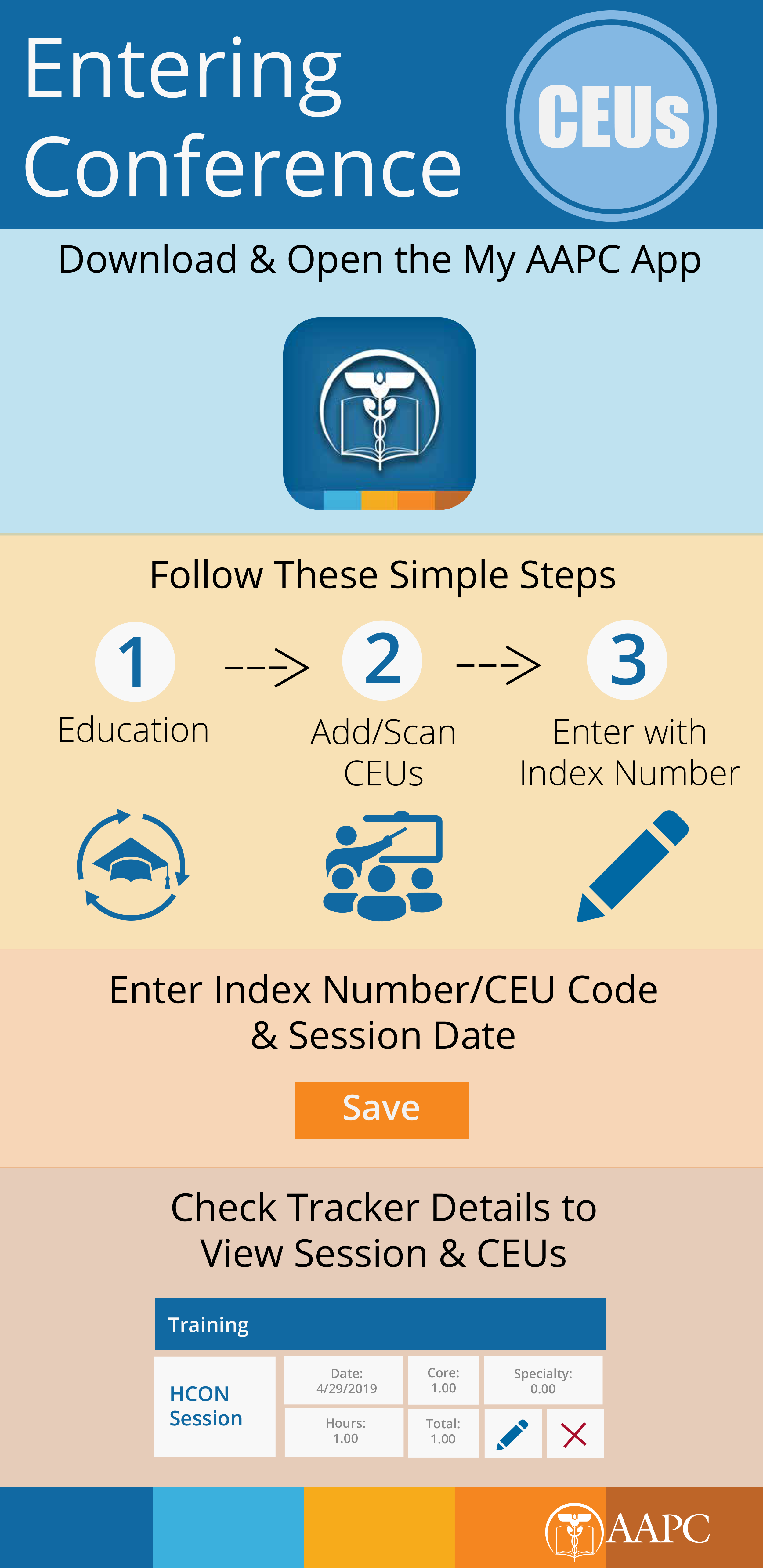
Attendees typically earned between 12 and 18 CEUs, depending on whether they attended pre-conference workshops and how many breakout sessions they completed. These units were automatically uploaded to the attendee's AAPC tracker within 2–4 weeks of the event conclusion, provided the session evaluations were completed.
Were the 2025 updates for ICD-10-CM covered in depth?
Yes, both the Philadelphia and Anaheim conferences featured dedicated sessions on the 2025 ICD-10-CM updates. These sessions focused heavily on the new codes for SDoH, novel respiratory viruses, and expanded categories for mental health conditions, which took effect on October 1, 2024 (the start of the 2025 federal fiscal year).
Can I still access the 2025 regional conference recordings?
As of 2026, most live event recordings are no longer available for direct purchase as a standalone "conference package." However, many of the high-performing speakers and topics from the 2025 circuit have been converted into AAPC webinars or on-demand CEU modules available in the AAPC Knowledge Center.
What was the difference between the Philadelphia and Anaheim sessions?
While the core coding updates were the same, Philadelphia focused more on academic medicine, trauma coding, and Northeast payer specificities. Anaheim focused on Medicare Advantage (HCC coding), technology integration, and West Coast healthcare regulations.
Was the 2025 regional conference suitable for beginners?
The regional conferences are generally designed for "Intermediate to Advanced" professionals. However, AAPC included "Fundamentals" tracks in 2025 specifically for those who had recently passed their CPC exam and were looking to bridge the gap between classroom learning and real-world billing environments.
Final Recommendations for Professional Development
For healthcare professionals looking back at the 2025 conference season, the lesson is clear: staying static is not an option in the revenue cycle. The AAPC 2025 Regional Conferences proved that the future of coding lies in the intersection of clinical knowledge and technological proficiency.
If you missed the 2025 regionals, your next action should be to audit your current CEU status for the 2024–2026 cycle. Ensure you have captured the "Core" units required for your specific credential. If you are behind, look toward the 2026 regional schedule, which continues the themes of AI integration and VBC documentation. Furthermore, use the 2025 materials—specifically those on SDoH and E/M documentation—to conduct an internal "mini-audit" of your organization’s 2025 claims to identify any lingering patterns of under-coding or documentation gaps.