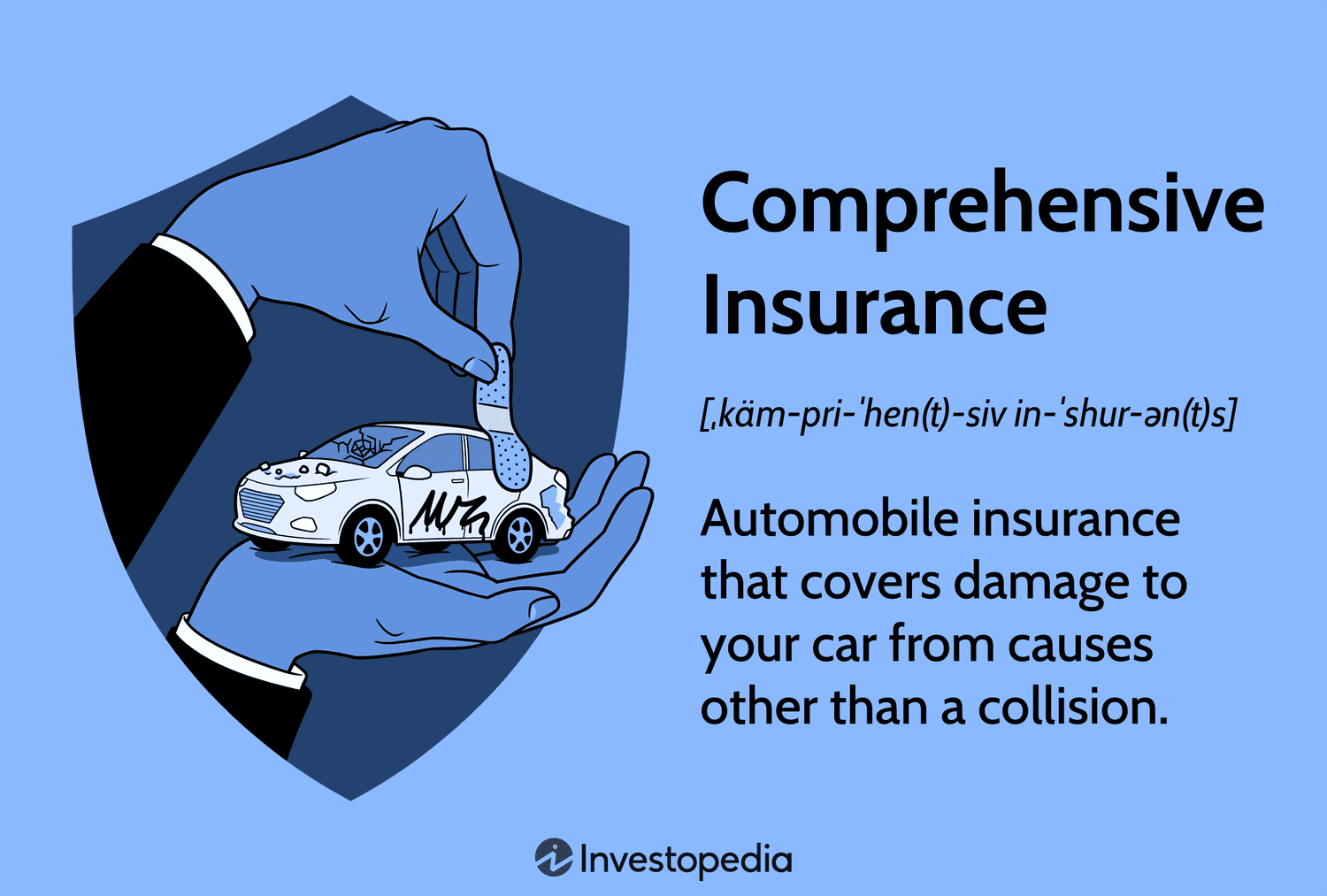
AAA auto insurance comprehensive coverage is an optional protection plan designed to pay for damage to your vehicle caused by incidents other than a collision, such as theft, vandalism, fire, natural disasters, or falling objects. Unlike liability insurance, which covers damage you cause to others, comprehensive coverage focuses on repairing or replacing your own vehicle when specific, non-crash-related events occur.
Defining Comprehensive Coverage Within an AAA Policy
When you purchase an auto insurance policy through a local AAA club, you are often interacting with an organization that manages insurance underwritten by either the AAA club’s own insurance exchange or an affiliated third-party carrier. Comprehensive coverage, frequently referred to as "Other Than Collision" (OTC) coverage, acts as a financial safety net for your car's physical integrity.
Many drivers mistakenly believe that "full coverage" is a specific policy type. In reality, full coverage is a common industry term for a combination of liability, collision, and comprehensive insurance. Comprehensive coverage is the element of this bundle that protects you against the unpredictable—those events that are largely out of your control while your vehicle is parked or in operation.
Scope of Protection: What Does It Actually Cover?
The primary value of comprehensive coverage lies in its breadth regarding non-collision hazards. While state laws strictly mandate liability insurance, comprehensive coverage is typically required only if you are financing or leasing your vehicle, as the lender has a vested financial interest in protecting the asset.
Typical perils covered under AAA comprehensive policies include:
- Theft and Vandalism: If your car is stolen or suffers damage from an attempted break-in or acts of graffiti, the policy helps cover the costs of recovery or repairs.
- Weather-Related Damage: This includes damages from windstorms, hail, lightning, floods, and hurricanes.
- Fire and Explosions: Unforeseen fire damage, whether from a mechanical malfunction or external exposure, is generally covered.
- Animal Collisions: Striking a deer, moose, or other animal is often classified as a comprehensive claim rather than a collision claim, as these incidents are categorized as unavoidable encounters.
- Glass Breakage: Cracks or chips in your windshield or side windows fall under this category. Depending on your state and specific AAA policy, this may or may not be subject to a deductible.
- Falling Objects: Damage caused by tree limbs, rocks, or debris falling on your vehicle is covered under this provision.
The Role of Deductibles in Your AAA Policy
A deductible is the out-of-pocket amount you agree to pay before your insurance coverage begins to settle the costs of a claim. When you set up your AAA auto insurance, you will select a deductible—common increments include $250, $500, or $1,000.
The relationship between your deductible and your premium is inverse: a higher deductible lowers your monthly or semi-annual premium, while a lower deductible increases your premium but results in less out-of-pocket spending when a claim is filed. If you drive an older vehicle with a low market value, it is essential to compare the potential payout of a comprehensive claim against your deductible. If the cost of the repair is less than or close to your deductible, filing a claim may not be financially advantageous.
Determining When Comprehensive Coverage is Necessary
Not every vehicle owner needs comprehensive coverage. As a policyholder, you must perform a basic cost-benefit analysis.
- Assess the Vehicle’s Value: If your car is older and has a low Actual Cash Value (ACV), the premiums for comprehensive coverage, combined with your deductible, might exceed the value the insurance company would pay out in the event of a total loss.
- Evaluate Financial Risk: Can you afford to replace or repair your vehicle entirely on your own if it is destroyed by a flood or stolen tomorrow? If the answer is no, the coverage is a vital financial safeguard.
- Lender Requirements: If you are currently paying off a car loan or have a lease agreement, your contract almost certainly mandates that you carry both comprehensive and collision coverage until the debt is satisfied.
Comparison of Coverage Types
To better understand where comprehensive coverage fits, it is useful to compare it against other core components of an auto insurance policy.
| Coverage Type | Primary Purpose | Triggering Event |
|---|---|---|
| Liability | Covers others' injuries and property damage | You are at fault in an accident |
| Collision | Repairs your vehicle | You hit an object or another car |
| Comprehensive | Repairs your vehicle | Theft, weather, fire, animal strike |
| Uninsured Motorist | Covers your injuries/damages | Hit by a driver without insurance |
How to File an AAA Comprehensive Claim
Should you experience an incident covered by your comprehensive insurance, the process for filing a claim with AAA generally follows a standard procedure designed to verify the event and assess damage.
- Document the Scene: If safe to do so, take photographs of the damage, the surrounding area, and any contributing factors (e.g., a fallen tree or broken glass).
- File a Police Report: In cases of theft, vandalism, or major accidents involving animals, a police report is often required by insurance adjusters to validate the claim.
- Contact AAA: Use the official AAA website or mobile app to initiate the claim. You will need your policy number, the date of the incident, and a description of what occurred.
- Assessment: A claims adjuster will evaluate the evidence. In some cases, they may visit a designated repair shop to inspect the vehicle personally; in others, they may use digital photo tools provided by the insurer.
- Repair and Settlement: Once the claim is approved and the deductible is subtracted, AAA will either pay the repair shop directly or reimburse you for the verified costs of the repairs.
Potential Pitfalls and Common Mistakes
Policyholders often encounter frustration when they misunderstand the limitations of their coverage.
Assuming Comprehensive Covers Everything: Comprehensive insurance does not cover general mechanical breakdown or wear and tear. If your engine fails because of old age or lack of maintenance, this is not a covered claim.
Ignoring the "Total Loss" Threshold: If the cost of repairs exceeds a certain percentage of your vehicle’s total value (the "total loss threshold"), the insurance company will declare the vehicle a total loss. You will be paid the Actual Cash Value of the vehicle minus your deductible, rather than having the vehicle repaired.
Failure to Update Coverage: Many drivers fail to adjust their coverage levels as their vehicle ages. If your car has depreciated significantly, you might be overpaying for comprehensive coverage that would only provide a minimal payout in the event of a total loss. Periodically reviewing your policy declarations page with your AAA agent is a best practice.
Frequently Asked Questions
Does AAA comprehensive coverage pay for my car to be rented while it is being repaired? Standard comprehensive coverage does not automatically include rental reimbursement. This is typically a separate endorsement or "add-on" to your policy. You should check your declarations page to see if you have selected rental car coverage.
Will my premium increase after a comprehensive claim? Generally, comprehensive claims are considered "no-fault" because they involve events outside of your control, such as weather or theft. While every insurance carrier has different underwriting guidelines, comprehensive claims are significantly less likely to trigger a rate increase than at-fault collision claims.
Is glass repair always subject to the deductible? In some states, insurance companies are required to waive the deductible for windshield repair or replacement. Check with your local AAA office or review your specific policy documents to determine if your state mandates "full glass" coverage without a deductible.
Can I add comprehensive coverage to my AAA policy at any time? Yes, you can request to add comprehensive coverage to your existing policy at any time. However, be aware that insurers may place a temporary hold on new coverage if a storm is currently approaching or if there is an active warning, to prevent "adverse selection" where a policyholder adds coverage only when they expect a loss.
Does comprehensive cover damage to items left inside the car, like a laptop or phone? Generally, no. Auto insurance covers the vehicle itself and its permanently installed parts. Personal items left in the car are typically covered by your homeowners or renters insurance policy, often subject to a separate deductible.
Final Recommendation
To ensure you have the appropriate level of protection, you should conduct an annual audit of your policy. If your vehicle is financed, keep your comprehensive deductible at a level you can reasonably pay on short notice. If you own your vehicle outright, calculate whether the annual cost of the premium is worth the financial protection against total loss. If you are uncertain about the specific language or state-mandated rules in your area, contact your local AAA agent to request a "coverage review." This professional consultation can help you align your policy with your current vehicle value and financial goals, ensuring you aren't paying for excess coverage or leaving yourself unnecessarily exposed to risk.