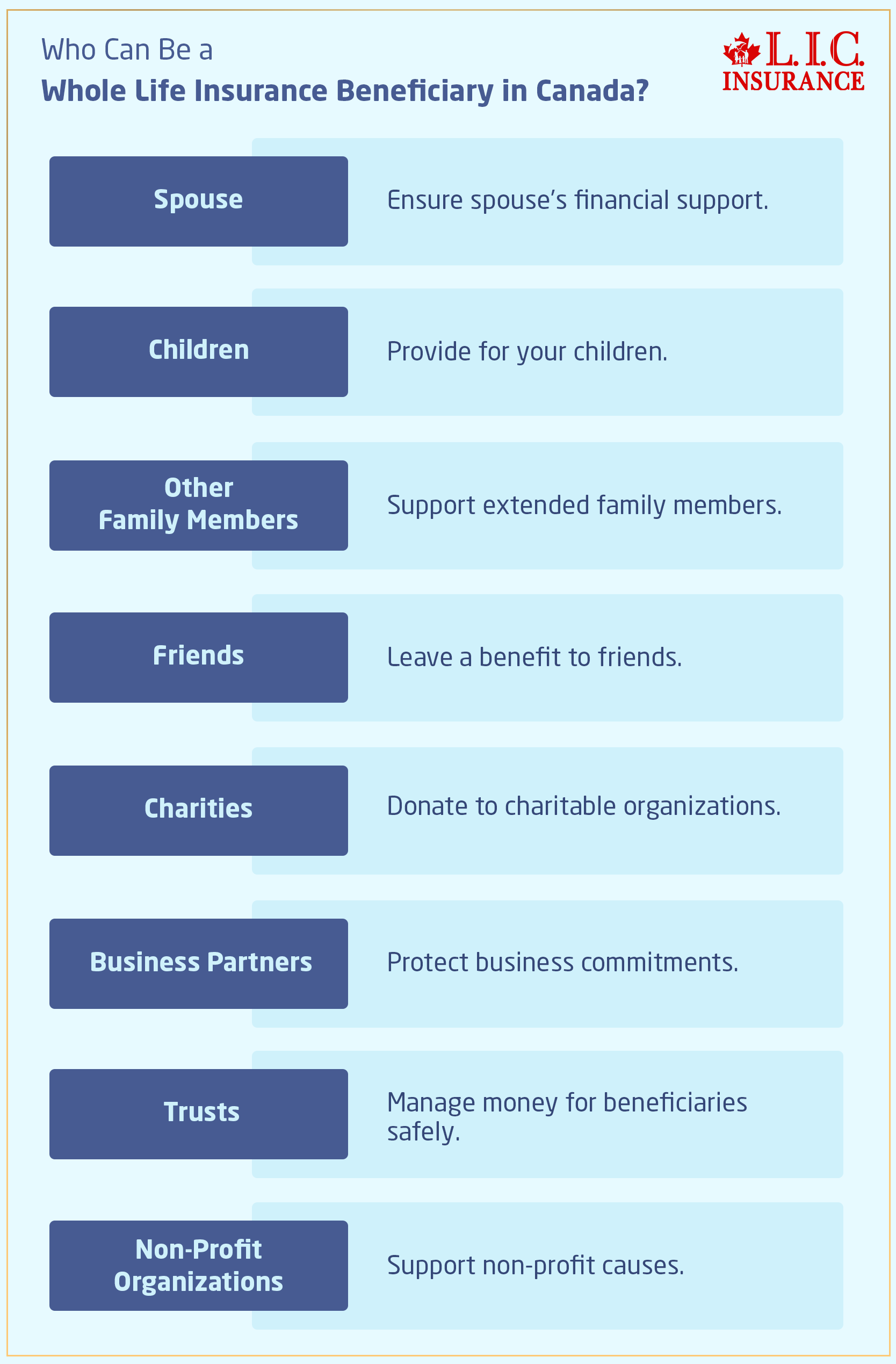
When an insured purchased a life insurance policy on his life naming his wife as the beneficiary, he established a foundational financial contract designed to provide immediate liquidity upon his passing. This arrangement is the most common structure in personal risk management, where the policyholder (the owner), the person covered (the insured), and the recipient of the proceeds (the beneficiary) are clearly defined to protect a household's standard of living.
As of 2026, life insurance remains a critical tool for wealth transfer and income replacement. While the premise of naming a spouse as a beneficiary seems straightforward, the legal, tax, and administrative implications are multifaceted. Understanding how ownership rights, state community property laws, and tax codes interact ensures that the intended protection actually reaches the survivor without unnecessary delays or legal challenges.
The Fundamental Structure of the Life Insurance Contract
In the scenario where an individual purchases a policy on their own life and names their spouse as the beneficiary, three distinct roles are consolidated or linked. To navigate the complexities of this arrangement, one must first understand the legal "Three-Legged Stool" of life insurance.
1. The Insured
The insured is the person whose life the policy covers. The entire contract is predicated on the mortality of this individual. In our scenario, the husband is the insured. The policy stays in force as long as premiums are paid and the insured is alive; it matures or triggers a payout upon the insured's death.
2. The Owner
The owner is the person who holds the "incidents of ownership." In most cases where a husband buys a policy on himself, he is the owner. Ownership rights include the power to name or change the beneficiary, the right to surrender the policy for its cash value (in permanent policies), the right to borrow against the policy, and the right to assign the policy as collateral for a loan.
3. The Beneficiary
The beneficiary is the person designated to receive the death benefit. Here, the wife is the primary beneficiary. As a primary beneficiary, she has the first claim to the proceeds. However, her rights are generally "inchoate" or "expectant" rather than "vested" if the policy is revocable, meaning the owner can change the designation at any time without her consent.
The Importance of Insurable Interest and Policy Control
A core legal requirement for any insurance contract is the presence of an insurable interest. At the time the policy is purchased, the owner must have a legitimate reason to want the insured to remain alive—typically a financial or emotional loss that would occur upon their death.
When an individual purchases a policy on their own life, an insurable interest is automatically presumed. Furthermore, the law recognizes a clear insurable interest between spouses. This legal foundation prevents the policy from being classified as a "wagering contract," which is illegal in all jurisdictions.
In 2026, the control of the policy remains firmly with the owner. Even though the wife is the named beneficiary, she does not have the right to see the policy details, confirm premium payments, or prevent the husband from changing the beneficiary to a different person or an entity (such as a trust) unless the designation was made irrevocable.
Navigating Death Benefit Payouts for Spouses
When the insured passes away, the process of transferring the death benefit to the wife is designed to bypass the lengthy and public process of probate. This is one of the primary advantages of life insurance: it provides a direct contractual transfer of wealth.
The Claim Process
The wife must submit a formal claim to the insurance company. This typically requires:
- The Original Death Certificate: A certified copy (not a photocopy) is usually required to prove the "insured event" has occurred.
- The Statement of Claim: A form completed by the beneficiary requesting the payout and selecting the settlement option.
- The Policy Document: While not always strictly required if the company has digital records, having the original policy speeds up the verification of the beneficiary's identity.
Settlement Options
In 2026, insurance companies offer various ways for the spouse to receive the funds. The most common is a lump-sum payment, which provides the full death benefit at once. Other options include:
- Interest Income: The company holds the money and pays the spouse interest periodically.
- Fixed Period or Fixed Amount: The benefit is paid out in installments over a set number of years or until the funds are exhausted.
- Life Income (Annuity): The proceeds are used to purchase an annuity that provides the wife with guaranteed income for the rest of her life.
Tax Implications in 2026: Income vs. Estate Tax
A significant reason for naming a spouse as a beneficiary is the favorable tax treatment under the Internal Revenue Code. However, the specific tax landscape of 2026 requires careful attention to estate limits.
Income Tax
Under Section 101(a)(1) of the Internal Revenue Code, death benefits paid to a beneficiary are generally not included in gross income. This means the wife receives the $500,000 or $1,000,000 policy payout entirely tax-free. The exception to this rule occurs if the policy was sold for value (the "transfer-for-value" rule) or if the payout includes accumulated interest on the death benefit that was held by the insurer after the death.
Estate Tax and the Unlimited Marital Deduction
Because the husband owned the policy (held "incidents of ownership"), the value of the death benefit is included in his gross estate. However, for a wife named as the beneficiary, the Unlimited Marital Deduction usually applies. This allows an individual to transfer an unrestricted amount of assets to their spouse at any time, including at death, free from federal estate taxes.
In 2026, following the sunset of several provisions from the Tax Cuts and Jobs Act of 2017, the federal estate tax exemption has returned to inflation-adjusted levels that are lower than the peaks seen in the early 2020s. For very high-net-worth individuals, the inclusion of a large life insurance policy in the estate could potentially create an estate tax liability upon the second spouse's death if the total estate exceeds the exemption threshold.
The Impact of State Laws and Marital Assets
The state in which the couple resides can significantly alter the outcome of a life insurance policy, particularly regarding how the premiums were paid.
Community Property States
In states like California, Texas, Arizona, and others that follow community property laws, money earned during the marriage is considered owned equally by both spouses. If the husband used community funds (his salary, for example) to pay the premiums, the wife may have a legal claim to 50% of the policy proceeds regardless of the beneficiary designation. In this specific scenario where she is the beneficiary, this is rarely an issue. However, if he had named someone else, she could legally challenge the payout to recover her half of the "community asset."
Revocation-on-Divorce Statutes
If the couple divorces, many states have laws that automatically revoke the designation of a spouse as a beneficiary. The law presumes that a divorced individual would not want their ex-spouse to receive the windfall. If the insured husband dies after a divorce without updating his policy, the proceeds might go to a contingent beneficiary or the estate instead of the ex-wife, unless a divorce decree specifically mandated the insurance stay in place.
Common Beneficiary Designations Comparison
Choosing how to name a beneficiary involves more than just a name. The legal "flavor" of the designation determines the flexibility and protection of the policy.
| Designation Type | Description | Pros | Cons |
|---|---|---|---|
| Revocable | The owner can change the beneficiary at any time without notice. | Maximum flexibility for the owner. | No security for the beneficiary if the relationship sours. |
| Irrevocable | The owner needs the beneficiary's written consent to change the policy. | High security; often used in divorce settlements. | Restricts the owner's control over their own asset. |
| Primary | The first person in line to receive the death benefit (the wife). | Direct, simple transfer of funds. | If the primary dies first, the policy proceeds may go to probate. |
| Contingent | The person who receives the benefit if the primary is deceased. | Prevents the benefit from entering a potentially taxed estate. | Requires regular updates to reflect family changes. |
| Trust | Proceeds are paid to a legal entity for the benefit of the spouse. | Control over how the spouse spends the money. | More complex and expensive to set up. |
Potential Pitfalls: Why Naming Only the Wife is Not Enough
While naming a wife as the sole beneficiary is a strong start, it can lead to complications in specific "what-if" scenarios.
1. Simultaneous Death
If both the husband and wife are involved in a common accident and die at the same time, or within a few days of each other, the "Uniform Simultaneous Death Act" (adopted by most states) usually dictates that the beneficiary is presumed to have predeceased the insured. If no contingent beneficiary (like children or a trust) is named, the money goes into the husband's estate. This subjects the funds to probate, creditors, and potential delays.
2. Minor Children
If the husband and wife have minor children and the wife is the only beneficiary, she receives the funds. If she then passes away, the remaining funds may be subject to guardianship proceedings unless a trust was established.
3. Incapacity
If the husband becomes mentally incapacitated, he cannot change the beneficiary or access the cash value unless a person has a Durable Power of Attorney specifically granting them the right to manage insurance products.
Practical Steps for the Insured and the Beneficiary
To ensure the life insurance policy serves its purpose in 2026, the following actions are recommended for a couple in this scenario:
- Add Contingent Beneficiaries: Always name a "Plan B." This is often adult children or a family trust. This ensures that the death benefit stays out of the probate court system regardless of the circumstances of the death.
- Review the "Incidents of Ownership": If the estate is large (approaching $7 million per person in 2026), consider if the husband should own the policy. Sometimes, an Irrevocable Life Insurance Trust (ILIT) owns the policy to keep the death benefit out of the taxable estate entirely.
- Update After Life Events: A birth, a move to a community property state, or a change in financial status should trigger a review of the beneficiary designation.
- Inform the Beneficiary: The wife must know the company name, the policy number, and the location of the document. Many death benefits go unclaimed because the beneficiary was unaware the policy existed.
- Verify the Payout Method: Discuss whether a lump sum is best or if the wife would prefer a structured settlement (annuity) to ensure the money lasts for her lifetime.
Frequently Asked Questions
Does the death benefit go through probate if the wife is named?
No. Life insurance is a contractual asset that passes "outside of probate." As long as there is a living, named beneficiary, the insurance company pays them directly. This allows the spouse to access funds for funeral costs and living expenses much faster than assets controlled by a will.
What if the husband dies while the divorce is pending?
In most jurisdictions, if a divorce is not finalized, the wife is still the legal spouse and the named beneficiary. However, many states have "automatic temporary restraining orders" (ATROs) that prevent either spouse from changing beneficiaries once a divorce is filed. It is essential to check local statutes during the separation period.
Can creditors take the life insurance money from the wife?
Most states provide significant protection for life insurance proceeds from the insured’s creditors. Once the money is in the wife's bank account, it may be subject to her creditors, but the death benefit itself is usually protected from the deceased husband’s debts (like credit cards or medical bills).
Is the wife's age a factor in the payout?
The age of the wife does not affect the amount of the death benefit, which is a fixed sum. However, if she chooses a "Life Income" or "Annuity" settlement option, the monthly amount she receives will be determined by her life expectancy at the time of the husband's death.
Can the wife be the owner of the policy on the husband's life?
Yes. This is often done for estate planning. If the wife owns the policy, the husband has no "incidents of ownership," meaning the money is not included in his estate. This is a common strategy to minimize estate taxes while still providing for the survivor.
Recommendation for 2026
If you are the insured in this scenario, your primary next step is to verify your contingent beneficiaries. While naming your wife provides immediate security, the absence of a secondary beneficiary creates a significant risk of the policy ending up in probate court. Ensure your policy's "ownership" and "beneficiary" sections are reviewed by a financial professional at least every three years or after any major life change. This simple maintenance ensures that the "insured purchased a life insurance policy" action results in the actual, efficient delivery of peace of mind to the people who need it most.
Disclaimer: This information is for educational purposes and does not constitute legal, tax, or financial advice. Laws regarding life insurance and estate taxation vary by jurisdiction and are subject to change. Consult with a qualified professional for advice specific to your situation.