When an insured purchases an individual life insurance policy, they establish a private legal contract with an insurance provider to provide financial protection for beneficiaries. This purchase transfers the financial risk of the insured’s death to the insurer in exchange for regular premium payments, governed by specific state and federal regulations as of 2026.
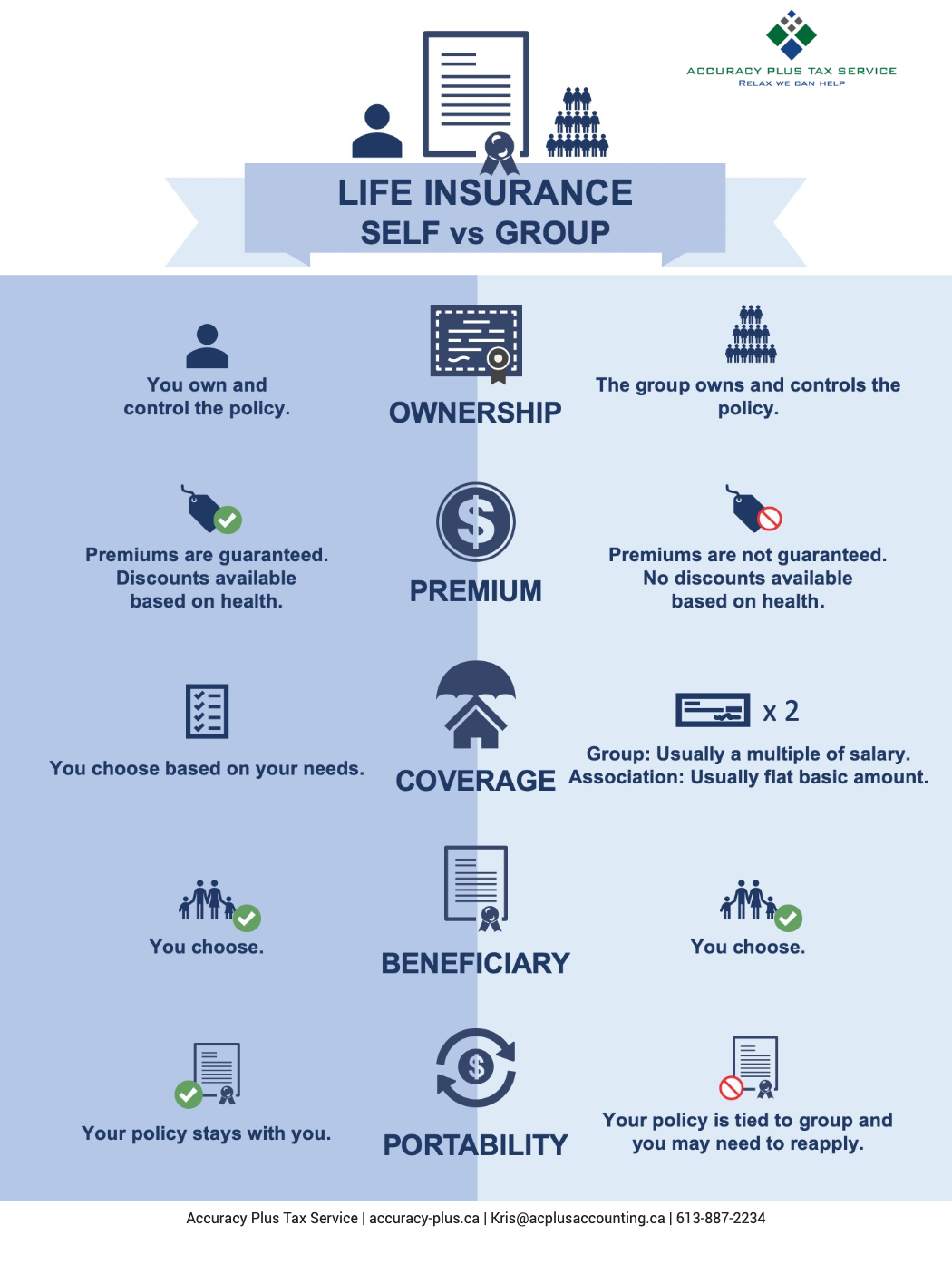
Purchasing an individual life insurance policy is a significant financial milestone. Unlike group coverage provided by an employer, an individual policy is owned by the person (or a designated entity) and remains in force regardless of employment status, provided premiums are paid. The moment the policy is "issued and delivered," a complex set of legal rights, obligations, and timelines begins.
As we navigate the insurance landscape in 2026, the digital integration of policy management and the tightening of consumer protection laws have made it easier for policyholders to understand their coverage. However, the technical nuances of the contract—ranging from the "free-look period" to the "incontestability clause"—require careful examination to ensure the death benefit remains secure and the policy functions as intended.
The Distinction Between the Insured, the Owner, and the Beneficiary
In the context of an individual life insurance policy, it is vital to distinguish between the various roles involved in the contract. While the prompt focuses on the "insured," the legal structure often involves three distinct parties.
The Insured
The insured is the individual whose life the policy covers. The entire underwriting process—medical exams, lifestyle questionnaires, and actuarial calculations—is based on this person’s age, health, and life expectancy. The policy’s primary purpose is to pay out a benefit upon the death of this specific individual.
The Policy Owner
The owner is the entity that holds the legal rights to the policy. In many cases, the insured and the owner are the same person. However, they can be different. For example, a business may own a policy on a "key person" (the insured), or a trust may own a policy on an individual for estate planning purposes. The owner is responsible for paying premiums and has the right to change beneficiaries, take out loans (in permanent policies), or surrender the policy for its cash value.
The Beneficiary
The beneficiary is the person, institution, or trust designated to receive the death benefit. Beneficiaries can be "primary" (first in line) or "contingent" (receiving the benefit only if the primary beneficiary is deceased). In 2026, most insurers allow for the digital update of beneficiaries, but the legal weight of these designations remains absolute, superseding instructions left in a will.
The Policy Delivery Process and Effective Date
The moment an insured purchases a policy, the "effective date" becomes the most critical data point. This date determines when coverage begins and sets the clock for various clauses within the contract.
Physical vs. Constructive Delivery
"Delivery" does not always mean the physical receipt of a paper document. In 2026, constructive delivery is the standard. This occurs when the insurance company issues the policy and relinquishes control of it, such as by uploading it to a secure client portal or mailing it.
If the initial premium was paid with the application, coverage often begins as of the date of the medical exam or the application date, provided the applicant was insurable at the time. If the premium was not paid upfront, coverage typically does not start until the policy is delivered and the first premium is paid while the insured is still in good health.
The Statement of Good Health
If there is a delay between the application and the delivery of the policy, the insurer may require the insured to sign a Statement of Good Health. This document confirms that the insured’s physical condition has not deteriorated since the initial underwriting. If a new medical condition has arisen, the insurer has the right to rescind the offer or adjust the premium.
The "Free-Look" Period: A Consumer Safeguard
One of the most important rights granted to an insured after purchasing an individual policy is the free-look period. This is a mandatory window—typically 10 to 30 days depending on the state—during which the policyholder can review the contract and return it for a full refund of all premiums paid, no questions asked.
As of 2026, state-specific mandates (such as those from the National Association of Insurance Commissioners) continue to enforce these windows to protect consumers from high-pressure sales tactics or buyer's remorse.
- Reviewing the Illustrations: During this period, the insured should compare the final policy against the original sales illustrations to ensure the projected cash values or premium schedules match their expectations.
- Checking Exclusions: It is essential to look for "riders" or "exclusions" that might have been added during underwriting, such as a refusal to cover deaths related to specific high-risk hobbies like aviation or scuba diving.
Key Clauses and Legal Protections in Individual Policies
Once the free-look period expires, the policy becomes a long-term binding agreement. Several standard clauses protect both the insurer and the insured.
The Incontestability Clause
Standard in almost all individual policies, this clause prevents the insurance company from voiding the policy due to misstatements on the application after it has been in force for a specific period (usually two years). If the insured made an honest mistake about their medical history, the insurer cannot deny a claim after this period has passed. However, gross fraud may still be contestable in some jurisdictions.
Misstatement of Age or Sex
Unlike the incontestability clause, the misstatement of age or sex does not allow the insurer to void the policy. Instead, if it is discovered that the insured provided an incorrect age or gender, the insurer will adjust the death benefit to what the premiums paid would have purchased at the correct age or sex.
The Suicide Clause
To prevent individuals from purchasing a policy with the immediate intent of ending their life, most policies include a two-year suicide clause. If the insured dies by suicide within the first two years, the insurer will typically only refund the premiums paid, rather than paying the full death benefit. After two years, the death benefit is generally paid in full.
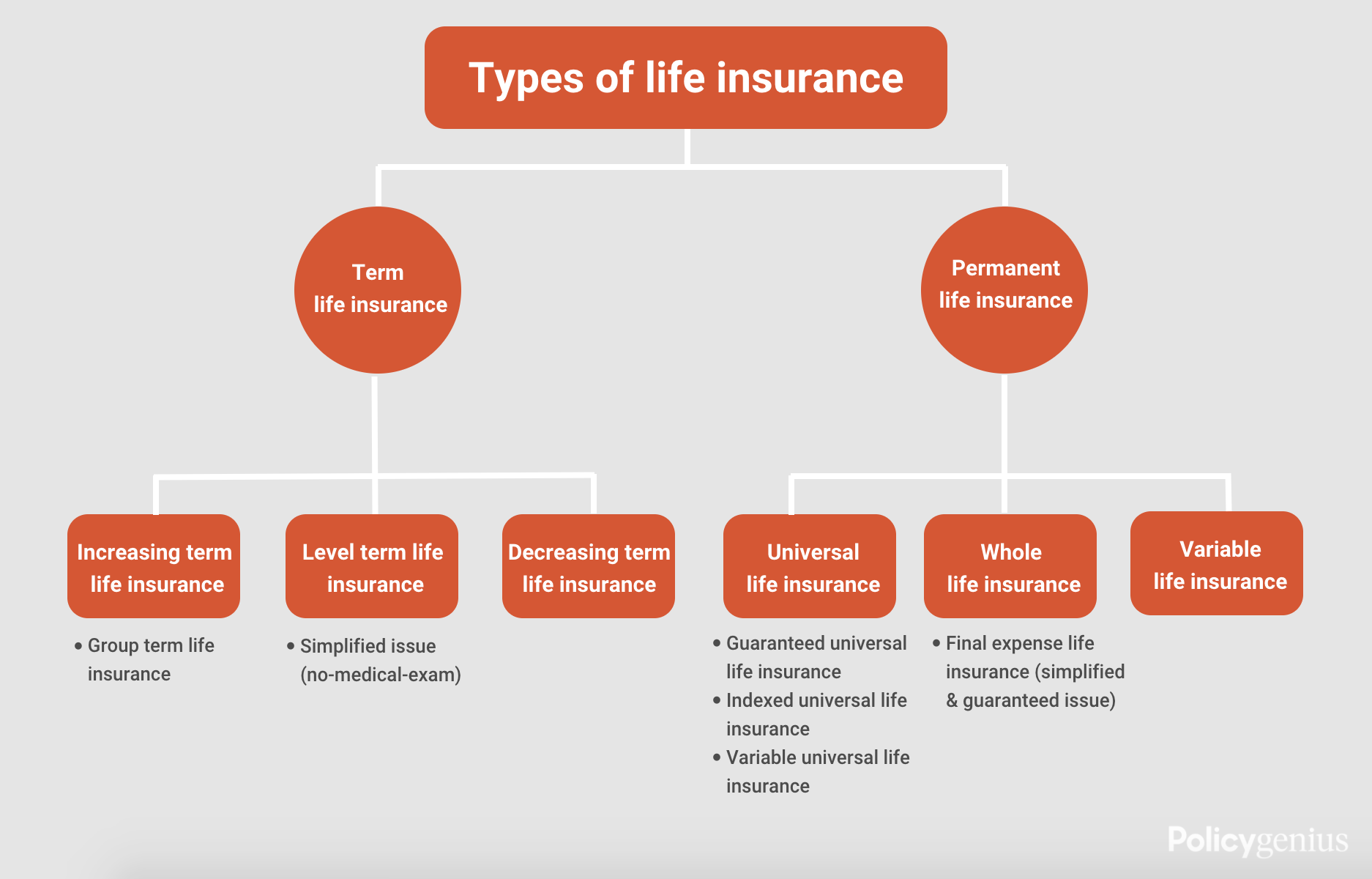
Comparing Types of Individual Life Insurance Policies
When an insured selects a policy, the "type" dictates the long-term maintenance requirements and financial benefits.
| Policy Feature | Term Life Insurance | Whole Life Insurance | Universal Life Insurance |
|---|---|---|---|
| Duration | Fixed period (10, 20, 30 years) | Entire life | Flexible (can be for life) |
| Cash Value | None | Guaranteed growth | Variable/Market-linked |
| Premium Cost | Lowest (initial) | Highest (fixed) | Flexible (can be adjusted) |
| Complexity | Simple | Moderate | High |
| Best For | Temporary needs (mortgage, kids) | Estate planning/End-of-life | Wealth transfer/Flexibility |
Managing Premiums and the Grace Period in 2026
The primary obligation of the insured (or owner) is the timely payment of premiums. In 2026, most insurers have moved toward automated clearing house (ACH) transfers or digital wallet payments to reduce the risk of policy lapse.
The Grace Period
If a premium is missed, the policy does not immediately cancel. State laws mandate a grace period, usually 30 or 31 days. During this time, the policy remains in full force. If the insured dies during the grace period, the insurer will pay the death benefit but subtract the overdue premium from the total.
Reinstatement Provisions
If the policy lapses after the grace period, the insured may have the right to reinstate it within a certain timeframe (often three to five years). Reinstatement requires:
- Evidence of continued insurability (a new medical exam).
- Payment of all back premiums plus interest.
- Repayment of any outstanding policy loans.
Reinstatement is often preferable to buying a new policy because the original policy was issued at a younger age, likely resulting in lower premiums than a new policy would offer years later.
Modern Considerations: Riders and Policy Customization
In 2026, individual policies are rarely "off the shelf." Most insureds add riders—supplemental benefits—to customize their coverage.
- Accelerated Death Benefit (Living Benefits): This allows an insured diagnosed with a terminal or chronic illness to access a portion of the death benefit while still alive to pay for medical care.
- Waiver of Premium: This rider ensures that if the insured becomes totally disabled and unable to work, the insurance company will cover the premium payments, keeping the policy active.
- Child Term Rider: This provides a small amount of coverage for the insured’s children, which can often be converted to a permanent policy when they reach adulthood.
Tax Implications of Individual Life Insurance
The Internal Revenue Service (IRS) provides significant tax advantages to life insurance, making it a cornerstone of financial planning.
- Tax-Free Death Benefit: In almost all cases, the proceeds paid to beneficiaries are not subject to federal income tax.
- Tax-Deferred Cash Value Growth: For permanent policies, the interest or investment gains within the policy are not taxed as they accrue.
- Policy Loans: Owners can often borrow against the cash value tax-free, provided the policy remains in force. If the policy lapses or is surrendered with an outstanding loan, tax liabilities may arise.
Common Mistakes After Purchasing a Policy
Even after a policy is successfully issued, several errors can jeopardize the financial plan:
- Failing to Inform Beneficiaries: Thousands of life insurance benefits go unclaimed every year because beneficiaries were unaware the policy existed. In 2026, it is recommended to store digital copies of the policy in a secure "digital vault" or share access with family members.
- Underestimating Inflation: A $500,000 policy purchased ten years ago may no longer cover the cost of a mortgage and college tuition in 2026. Regular reviews every three to five years are essential.
- Ignoring the Ownership Structure: If a policy is intended to pay for estate taxes, it may be better owned by an Irrevocable Life Insurance Trust (ILIT) rather than the insured, to keep the death benefit out of the taxable estate.
Frequently Asked Questions
What happens if the insurance company goes bankrupt?
In the unlikely event of an insurer's insolvency, state guaranty associations provide a safety net. These associations are funded by other insurance companies in the state and act to protect policyholders, usually up to certain limits (often $300,000 to $500,000 in death benefits).
Can I change my individual policy to a different type later?
Some term policies include a conversion rider, which allows the insured to convert the term coverage into a permanent policy (like Whole Life) without undergoing a new medical exam. This is a valuable feature if the insured’s health has declined during the term.
Is the "insured" allowed to change the beneficiary?
Only the policy owner can change the beneficiary. If the insured is also the owner, they can make the change. If the policy has an "irrevocable beneficiary," the owner must get that beneficiary’s written consent before making any changes.
Does a life insurance policy cover death from a pandemic or act of war?
Most modern individual policies do not have "war exclusions" or "pandemic exclusions" for the basic death benefit. As long as the insured was honest during the application process, these causes of death are typically covered. However, accidental death riders may have specific exclusions.
How do I verify that my policy is still active?
You can verify the status by logging into the insurer’s customer portal or by contacting the National Association of Insurance Commissioners (NAIC) Life Insurance Policy Locator Service, which helps consumers find lost policies and check current status.
Final Recommendation for the Insured
Upon purchasing an individual life insurance policy, the insured should immediately perform three actions:
- Audit the contract during the 10-30 day free-look period to ensure all personal details and riders are accurate.
- Establish an automated payment schedule to prevent accidental lapses.
- Communicate with the beneficiaries, providing them with the insurer’s name, policy number, and instructions on how to file a claim.
A life insurance policy is a "set it and forget it" asset only if the administrative foundation is solid. Regularly reviewing the policy against life changes—such as marriage, the birth of a child, or significant debt acquisition—ensures that the protection remains adequate for the family's needs in 2026 and beyond.