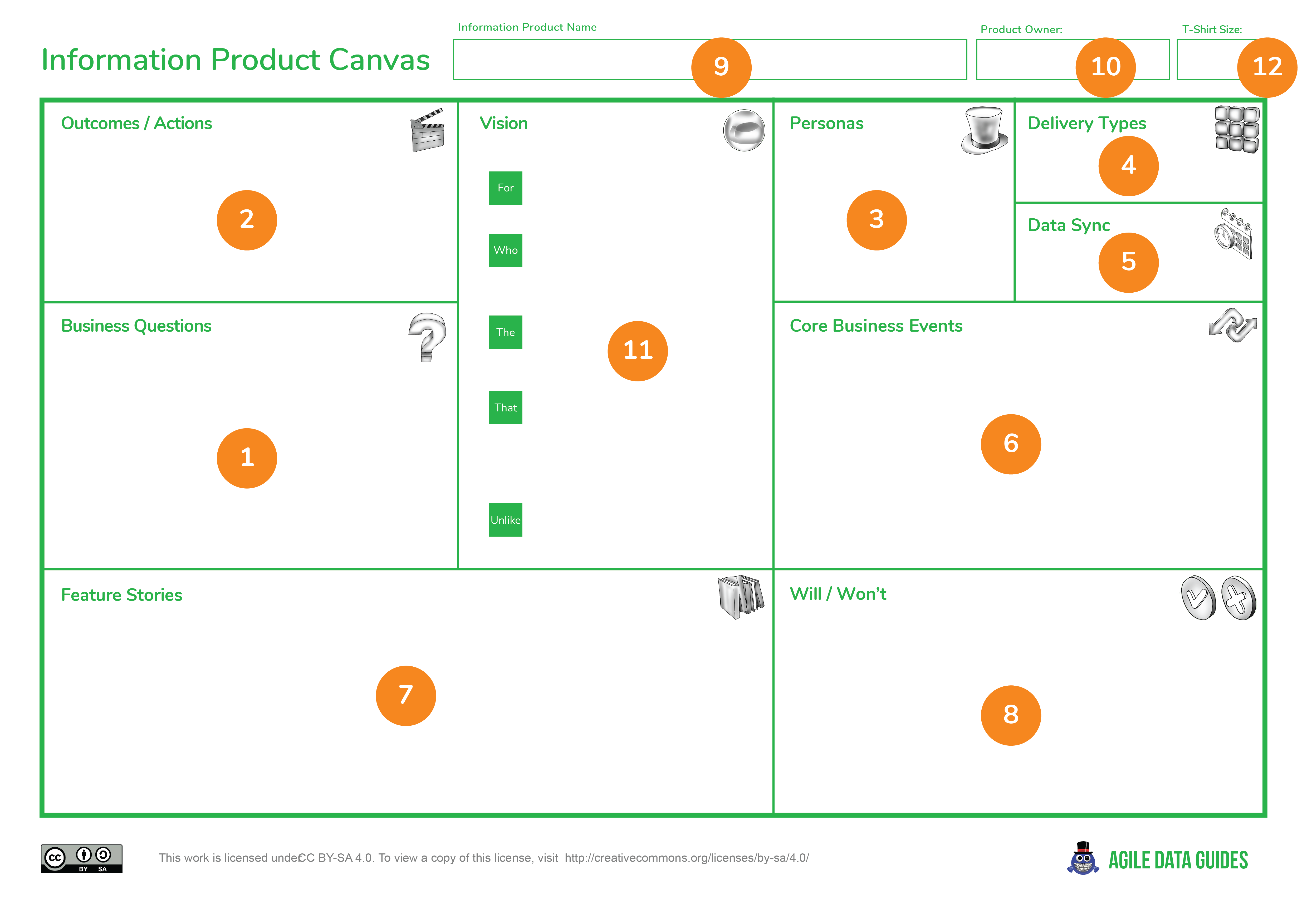
An information product is a digital asset that packages expertise, data, or specialized knowledge into a consumable format designed to solve a specific problem or teach a skill. Unlike physical goods, these products—ranging from e-books and online courses to proprietary datasets—offer high scalability and low overhead by leveraging digital distribution.
In 2026, the market for information products has matured significantly. The "creator economy" has shifted away from generalized content toward hyper-niche, high-utility assets. Consumers no longer pay merely for information, which is often freely available via generative search engines; they pay for curation, structure, and transformation. Whether you are an individual expert or a corporate entity, understanding the technical and strategic layers of an information product is essential for long-term commercial viability.
The Evolution of Information Products in 2026
The definition of an information product has expanded as technology facilitates new ways of transferring knowledge. Historically, an information product was synonymous with a PDF guide or a simple video series. Today, the concept encompasses any digital medium where the primary value is the intellectual property contained within.
The shift in 2026 is defined by interactivity. Static products are being replaced by dynamic assets that adapt to the user’s needs. For example, a modern information product might include a core curriculum supplemented by AI-driven tutoring or real-time data feeds that keep the content relevant. This evolution ensures that the product remains a "living" asset rather than a snapshot in time.
The Value Proposition: Solving the "Information Overload" Problem
In an era where information is ubiquitous, the primary role of an information product is to act as a filter. Successful products help users bypass the noise and reach a specific outcome faster than they could on their own. This is often referred to as the Result-Oriented Framework. If a product does not clearly define the "Before" and "After" states for the consumer, it struggles to compete in a crowded 2026 marketplace.
Primary Formats and Delivery Mechanisms
Choosing the right format is not just a matter of preference; it is a strategic decision based on the complexity of the subject matter and the target audience's consumption habits.
Digital Courses and Learning Management Systems (LMS)
Online courses remain the flagship of the information product world. By 2026, these have moved beyond linear video modules. High-end courses now utilize Micro-learning structures, where information is delivered in 3-to-5-minute segments designed for high retention. Integration with LMS platforms allows creators to track student progress, issue certifications, and gate content based on performance.
E-books and White Papers
While traditional e-books are often used as "lead magnets" (free products used to capture email addresses), specialized technical manuals and comprehensive industry reports command high premiums. In the B2B sector, an information product in the form of a 50-page deep-dive into emerging market trends can often retail for thousands of dollars because of the proprietary data it contains.
Membership Sites and Communities
This format transitions the information product from a one-time purchase to a recurring revenue model. Members pay for ongoing access to updated libraries, exclusive webinars, and, most importantly, a community of peers. The "product" here is the combined value of the archive and the networking opportunities.
Templates, Frameworks, and Checklists
Often overlooked, these high-utility products help users execute a task immediately. Examples include financial modeling templates, legal contract frameworks, or software code snippets. These are prized for their "plug-and-play" nature, saving the user hours of foundational work.
Strategic Comparison of Information Product Formats
| Format | Complexity to Create | Price Point Potential | Scalability | Primary Use Case |
|---|---|---|---|---|
| E-books | Low to Medium | $10 – $100 | Very High | Entry-level education / Lead gen |
| Online Courses | High | $200 – $2,000 | High | Skill transformation / Certification |
| Membership Sites | Very High | $30 – $300/mo | Medium | Long-term support / Community |
| Templates/Tools | Low | $50 – $500 | Very High | Immediate execution / Utility |
| Masterminds | Medium | $5,000+ | Low | High-level networking / Strategy |
The Lifecycle of Developing an Information Product
Creating a successful product requires a disciplined approach that balances technical production with market validation.
Phase 1: Niche Selection and Validation
The most common mistake is creating a product before confirming there is a market for it. In 2026, validation involves social listening and pre-selling. By using landing pages to gauge interest or conducting small-scale "beta" workshops, creators can ensure they are solving a problem that people are willing to pay to solve.
Phase 2: Content Architecture
Once a niche is identified, the knowledge must be structured. This involves:
- Defining the Learning Path: What is the step-by-step journey the user must take?
- Modularization: Breaking the journey into digestible sections.
- Asset Creation: Recording videos, writing copy, and designing supplemental worksheets.
Phase 3: Technical Stack Selection
The "stack" refers to the suite of software used to host and sell the product. A typical 2026 stack includes:
- Hosting: Platforms like Teachable, Kajabi, or self-hosted WordPress with LMS plugins.
- Payment Gateway: Stripe or PayPal for secure transactions.
- Email Automation: Tools to deliver the product and follow up with customers.
- Analytics: Tracking how users interact with the content to improve completion rates.
Marketing and Distribution Strategies
An information product is invisible without a robust distribution engine. In 2026, marketing is less about aggressive "hard selling" and more about Authority Signaling.
Content Marketing and SEO
By publishing high-quality, free content related to the product’s core topic, creators build trust and rank for relevant search terms. SEO remains a cornerstone of organic growth, specifically targeting "long-tail" queries that indicate a user is looking for a deep-dive solution.
Paid Acquisition
For products with a high lifetime value (LTV), paid advertising on social platforms or search engines can provide a predictable stream of new customers. This requires a finely tuned Sales Funnel, where a prospect moves from an initial ad to a free resource, and finally to the paid product.
The Role of Affiliates
Leveraging other people’s audiences is a highly effective way to scale. In an affiliate model, partners promote the information product to their own followers in exchange for a percentage of the sale. This effectively turns marketing into a performance-based cost.
Legal and Intellectual Property Considerations
Protecting the value of an information product is a critical operational task. Because the product consists entirely of intellectual property (IP), it is susceptible to piracy and unauthorized distribution.
- Copyright and Trademarks: Ensure all content is original and that the product name is trademarked to prevent brand confusion.
- Terms of Service (ToS): A robust ToS should explicitly state that the purchase is for a single-user license and prohibit redistribution.
- Data Privacy: In 2026, compliance with global data regulations (such as GDPR or CCPA) is mandatory. This includes how you handle customer emails and tracking cookies on your delivery platform.
- AI Disclosures: If AI was used to generate significant portions of the data or content, transparency is increasingly becoming a legal and ethical requirement to maintain consumer trust.
Common Pitfalls to Avoid
Even with a high-quality subject matter, several factors can cause an information product to fail:
- Over-production: Spending months on high-end video production only to find the market doesn't want the core idea.
- Lack of Specificity: Trying to teach "marketing" instead of "SEO for SaaS companies in the healthcare sector." Specificity allows for higher pricing and better conversion.
- Ignoring the "Customer Success" Layer: A product that is sold but never used leads to refunds and a poor reputation. Implementing "onboarding" sequences to help users get started is vital.
The Future of Information Products Beyond 2026
Looking ahead, the integration of Augmented Reality (AR) and Adaptive Learning AI will likely redefine the "product" once more. We are moving toward a future where an information product isn't just a file you download, but an environment you enter—a personalized mentor that exists within your digital workflow. The core principle, however, remains the same: the successful product will always be the one that provides the fastest, most reliable path to a desired transformation.
Frequently Asked Questions
How much does it cost to launch an information product in 2026? The costs vary significantly based on the format. A basic e-book can be launched for under $500, covering editing and cover design. A professional video-based course may require $2,000 to $10,000 for high-quality equipment, software subscriptions, and initial marketing. However, the use of AI-assisted editing tools has lowered the barrier to entry compared to previous years.
Do I need to be an "expert" to create an information product? You do not need formal credentials in most niches, but you do need demonstrable results. The market in 2026 values "practitioner-led" information. If you have solved a problem for yourself or a client, you have the basis for a product. Transparency about your experience level is key to building sustainable trust.
How do I protect my digital product from being pirated? While it is nearly impossible to prevent 100% of piracy, you can mitigate it through technical measures like video watermarking, login-protected portals, and DMCA takedown services. More importantly, focus on providing "community" and "updates" that pirated versions cannot replicate, making the official version more valuable.
What is the best way to price a new information product? Pricing should be based on the value of the outcome, not the amount of content. If your product helps a business save $10,000, charging $1,000 is reasonable, regardless of whether it's a 10-page PDF or a 20-hour course. For consumer niches, look at "market comparables" and consider a tiered pricing strategy (Basic, Pro, and Premium).
Can I use AI to create my information product? Yes, AI is a standard tool for research, outlining, and even drafting content in 2026. However, the "unique value" must still come from your unique perspective or proprietary data. Products that are purely AI-generated without human oversight often lack the nuance required to solve complex problems and are easily replicated by competitors.
Next Action Step
To begin your journey, identify one specific problem you have solved in the last year. Conduct a "Search Intent Audit" to see if others are looking for a solution to that problem. If the search volume exists, draft a simple 3-page "Minimum Viable Product" (MVP) and offer it to a small test group for feedback before investing in full-scale production.