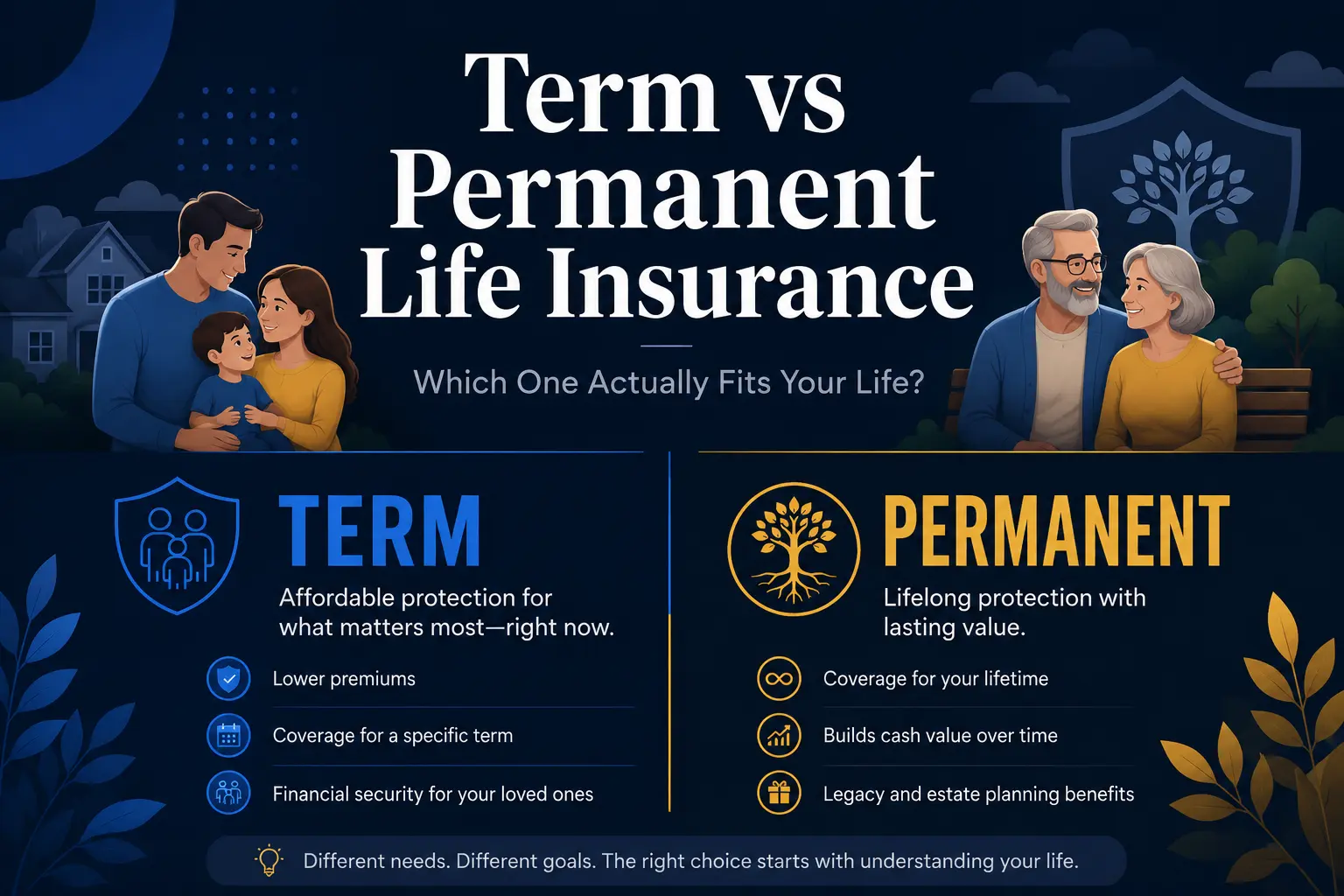
Permanent life insurance provides lifelong death benefit protection combined with a tax-deferred cash value component. Unlike term insurance, which expires after a set period, permanent policies remain in force for the insured's entire life, provided premiums are paid, offering a stable financial foundation for estate planning, wealth transfer, and long-term liquidity.
Understanding the Fundamental Nature of Permanent Life Insurance
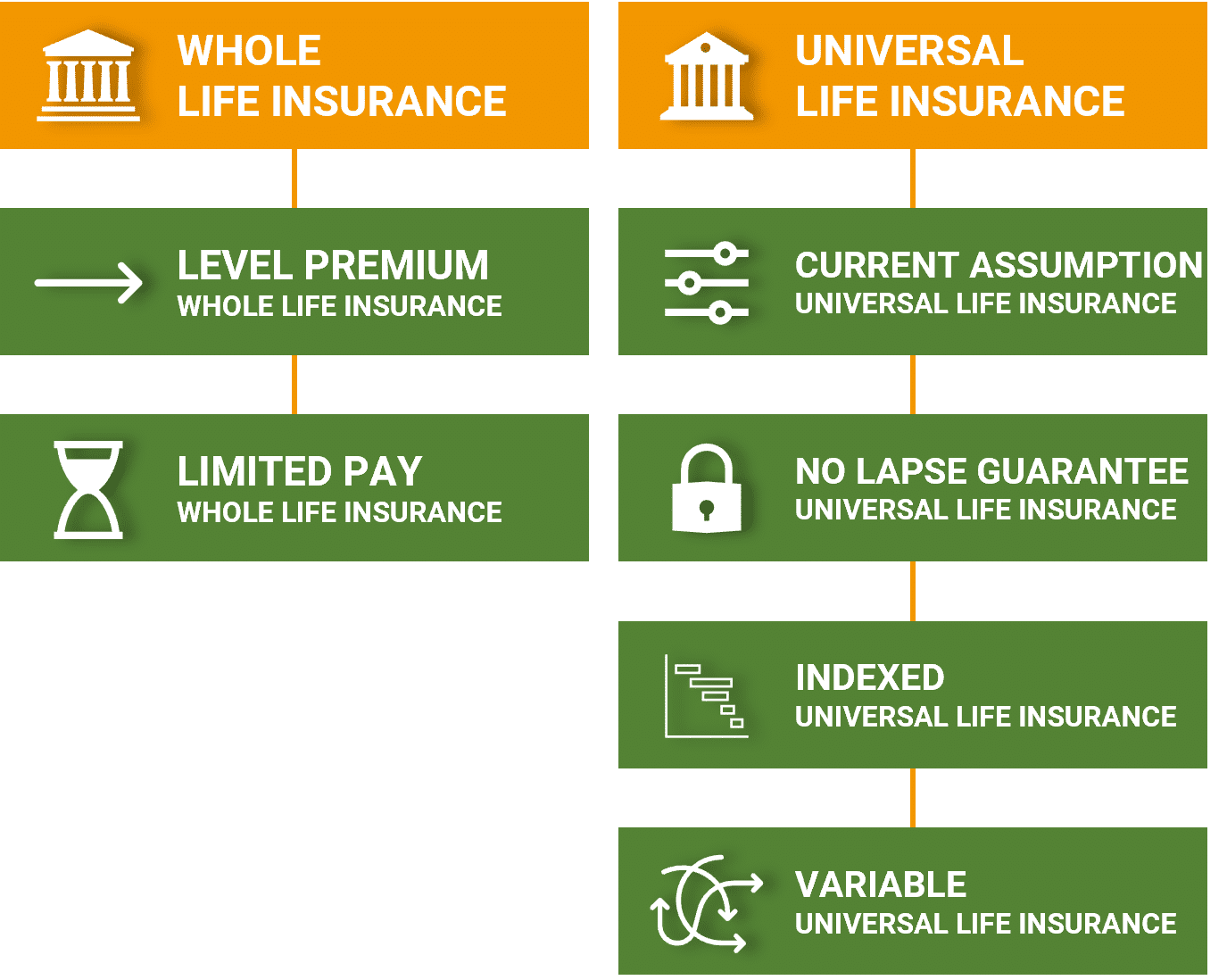
When an individual is purchasing a permanent life insurance policy in 2026, they are engaging in a long-term financial commitment that serves two primary purposes: risk management and asset accumulation. Permanent life insurance is an umbrella term that encompasses several specific product types, including whole life, universal life, and variable life. The defining characteristic of all these products is their lack of an expiration date; as long as the policyholder fulfills the contract requirements, the insurer is obligated to pay a death benefit regardless of when the insured passes away.
The secondary feature, and often the most complex, is the cash value component. A portion of each premium payment is diverted into a savings-like account within the policy. This account grows over time, often on a tax-deferred basis, meaning the policyholder does not pay taxes on the growth as it accumulates. In the landscape of 2026, where market volatility and tax legislative shifts are frequent, this steady, tax-advantaged growth remains a cornerstone of conservative financial planning. Individuals often view this cash value not just as a "death benefit booster," but as a "living benefit" that can be accessed via loans or withdrawals for retirement income, emergency expenses, or educational costs.
Primary Motivations for Choosing Permanent Coverage
The decision to purchase permanent life insurance rather than term insurance usually stems from specific long-term financial goals. While term insurance is often sufficient for young families looking to cover a mortgage or child-rearing years, permanent insurance addresses needs that do not disappear with time.
Estate Planning and Liquidity
For individuals with significant assets, permanent life insurance is a critical tool for estate liquidity. Upon the death of a high-net-worth individual, estate taxes, legal fees, and administrative costs can put a strain on non-liquid assets like real estate or private businesses. The death benefit from a permanent policy provides immediate cash to settle these obligations, preventing the forced sale of family assets.
Supplementing Retirement Income
The cash value in a permanent policy can act as a "volatility buffer" during retirement. In years when the equity markets are down, a retiree might choose to take a tax-free loan against their life insurance cash value instead of selling stocks at a loss. This strategic use of the policy helps preserve the longevity of a broader investment portfolio.
Lifelong Protection for Dependents
In cases where an individual has a lifelong dependent, such as a child with special needs, term insurance is inadequate. Permanent life insurance ensures that a financial safety net is in place regardless of how long the policyholder lives, providing peace of mind that the dependent will be cared for after the policyholder's death.
Navigating the Different Types of Permanent Life Insurance
Choosing the right structure is the most technical part of the purchase process. In 2026, the options have become increasingly sophisticated, with different levels of risk and reward.
Whole Life Insurance
Whole life is the most traditional form of permanent insurance. It offers a fixed premium, a guaranteed death benefit, and a guaranteed rate of return on the cash value. For individuals who prioritize certainty and have a low risk tolerance, whole life is often the preferred choice. Many whole life policies are "participating," meaning the policyholder may receive dividends from the insurance company's profits, which can be used to purchase additional coverage or reduce premium payments.
Universal Life (UL) Insurance
Universal life insurance offers more flexibility than whole life. Policyholders can often adjust their premium payments and death benefits as their financial situation changes. In 2026, Guaranteed Universal Life (GUL) remains popular for those who want permanent protection with minimal cash value accumulation at a lower cost than whole life.
Indexed Universal Life (IUL) Insurance
IUL policies tie the growth of the cash value to a specific market index, such as the S&P 500, but with a "floor" (usually 0%) to protect against market losses and a "cap" on the maximum gains. This allows for higher potential growth than whole life while maintaining a safety net.
Variable Life Insurance
Variable life insurance allows the policyholder to invest the cash value in various sub-accounts, similar to mutual funds. This offers the highest potential for growth but also carries the highest risk, as the cash value and even the death benefit can fluctuate based on market performance. This is typically suited for individuals with a high degree of financial literacy and a longer time horizon.
The Step-by-Step Process of Purchasing a Policy in 2026
Purchasing permanent life insurance is a multi-stage process that has become increasingly digitalized but remains rigorous due to the long-term nature of the contract.
- Needs Assessment and Financial Modeling: Before looking at products, an individual must determine the "why." Using modern financial software, agents and advisors in 2026 can model different scenarios—incorporating inflation, projected tax rates, and legacy goals—to determine the appropriate death benefit and premium structure.
- Product Selection and Carrier Vetting: Not all insurance companies are created equal. It is vital to check the financial strength ratings from agencies like A.M. Best or Moody’s. A permanent policy is only as good as the company's ability to pay out 40 or 50 years from now.
- The Application and Underwriting Phase: The individual completes a detailed application covering medical history, lifestyle, and financial status. In 2026, many carriers utilize accelerated underwriting, which leverages electronic health records and pharmaceutical databases to provide a decision in days rather than weeks, often bypassing the traditional paramedical exam for healthy individuals.
- Policy Illustration Review: The insurer provides a "policy illustration," which is a projection of how the policy will perform over several decades. It is crucial to distinguish between "guaranteed" values and "projected" or "non-guaranteed" values.
- Policy Delivery and the Free-Look Period: Once approved, the policy is issued. Most jurisdictions provide a "free-look" period—typically 10 to 30 days—during which the policyholder can cancel the contract for a full refund if they change their mind.
Comparing Permanent Life Insurance Options
| Feature | Whole Life | Universal Life (GUL) | Indexed Universal Life (IUL) | Variable Life |
|---|---|---|---|---|
| Premium Payments | Fixed/Guaranteed | Flexible | Flexible | Fixed or Flexible |
| Cash Value Growth | Guaranteed Minimum | Minimal/Fixed | Linked to Index (with floor/cap) | Market-based (Sub-accounts) |
| Death Benefit | Guaranteed | Guaranteed (if premiums met) | Adjustable | Can fluctuate |
| Risk Level | Low | Low | Moderate | High |
| Primary Goal | Stability & Dividends | Pure Permanent Protection | Growth Potential with Safety | Maximum Wealth Accumulation |
Financial Implications: Premiums, Cash Value, and Tax Advantages
The internal mechanics of a permanent policy are what justify the higher premiums compared to term insurance.
Tax-Deferred Accumulation
Under current IRS guidelines (specifically Section 7702), the growth within a life insurance policy is tax-deferred. This is a significant advantage for individuals in high tax brackets. In 2026, as tax laws continue to evolve, the "tax-free" nature of policy loans remains one of the few remaining ways to access capital without triggering a taxable event, provided the policy stays in force.
The Cost of Insurance (COI)
It is a common misconception that the entire premium goes into the cash value. In reality, the insurer deducts the Cost of Insurance (COI) and administrative fees each month. As the insured ages, the COI increases. In a well-structured permanent policy, the growth of the cash value is designed to offset these rising costs in later years.
Surrender Charges
Most permanent policies have a "surrender charge" period, often lasting 10 to 15 years. If an individual cancels the policy early, the insurer will deduct a significant fee from the cash value. This makes permanent life insurance an inappropriate vehicle for short-term savings.
Underwriting Standards and Eligibility Requirements
In 2026, underwriting has become more precise thanks to the integration of big data and predictive analytics.
Medical Underwriting
While "fluidless" underwriting is more common, individuals applying for large face amounts (e.g., $5 million and above) should still expect a medical exam involving blood work and an EKG. Insurers look for "favorable" factors like managed blood pressure, healthy BMI, and a clean family history.
Lifestyle and Occupational Risk
Insurers also evaluate non-medical risks. Engaging in "hazardous" hobbies like SCUBA diving or private aviation can lead to "flat extra" charges on the premium. Similarly, travel to high-risk international regions may result in a temporary postponement of the application.
Financial Underwriting
For permanent policies, the insurer must justify the amount of coverage. An individual cannot buy a $10 million policy if their net worth and income do not support the need for such a sum. The insurer wants to ensure the policy is for protection or legitimate estate planning, not speculation.
Common Pitfalls and How to Avoid Them
The complexity of permanent life insurance can lead to mistakes that diminish the policy's value.
- Underfunding the Policy: Especially in Universal Life products, paying only the "minimum" premium can be dangerous. If the internal costs of the policy exceed the cash value growth, the policy could eventually "lapse" or expire, leaving the individual with no coverage in their later years.
- Ignoring the Impact of Policy Loans: While borrowing from the cash value is easy, these loans accrue interest. If not managed properly, the loan balance can grow to exceed the cash value, causing the policy to crash and potentially creating a large tax bill.
- Choosing the Wrong Rider: Riders are add-ons that customize a policy. While a Long-Term Care (LTC) Rider can be invaluable, adding too many unnecessary riders can inflate the premium and erode the cash value accumulation.
Frequently Asked Questions (FAQs)
What is the "cash value" in a permanent life insurance policy?
The cash value is the living benefit portion of a permanent policy that accumulates over time. It grows tax-deferred and is funded by a portion of your premium payments after the insurance company deducts fees and the cost of insurance. You can access this money through loans or partial withdrawals to fund various life needs.
Is permanent life insurance better than term insurance?
Neither is objectively "better"; it depends on your financial goals. Term insurance is best for temporary needs like covering a 20-year mortgage. Permanent insurance is better for lifelong needs, such as estate planning, providing for a lifelong dependent, or building a tax-advantaged asset.
Can I cancel my permanent life insurance policy?
Yes, you can "surrender" your policy at any time. However, if you cancel in the early years (typically the first 10-15 years), you may face significant surrender charges. You will receive the "net surrender value," which is the cash value minus any outstanding loans and surrender fees.
How do dividends work in a permanent policy?
Dividends are a return of part of the premium to policyholders of a mutual insurance company. They are not guaranteed, but many top-rated carriers have paid them for over 100 consecutive years. You can take dividends in cash, use them to reduce premiums, or buy "paid-up additions" to increase your death benefit and cash value.
Do I need a medical exam to buy permanent life insurance in 2026?
Not necessarily. Many insurance companies now offer "accelerated underwriting" for healthy individuals up to certain age and coverage limits. This process uses your digital footprint, including prescription and medical records, to assess risk. However, for very high death benefits, a traditional paramedical exam is usually still required.
Practical Recommendation for Prospective Buyers
If you are considering purchasing permanent life insurance in 2026, the first step is to consult with a financial professional who can perform a comprehensive "Life Insurance Needs Analysis." Do not purchase a policy based solely on the "projected" growth of the cash value. Instead, focus on the "guaranteed" side of the ledger to ensure the policy will remain in force even in a worst-case economic scenario. Finally, ensure that you have a stable cash flow to support the premiums over the long term, as the true value of permanent insurance is only realized after many decades of consistent funding.