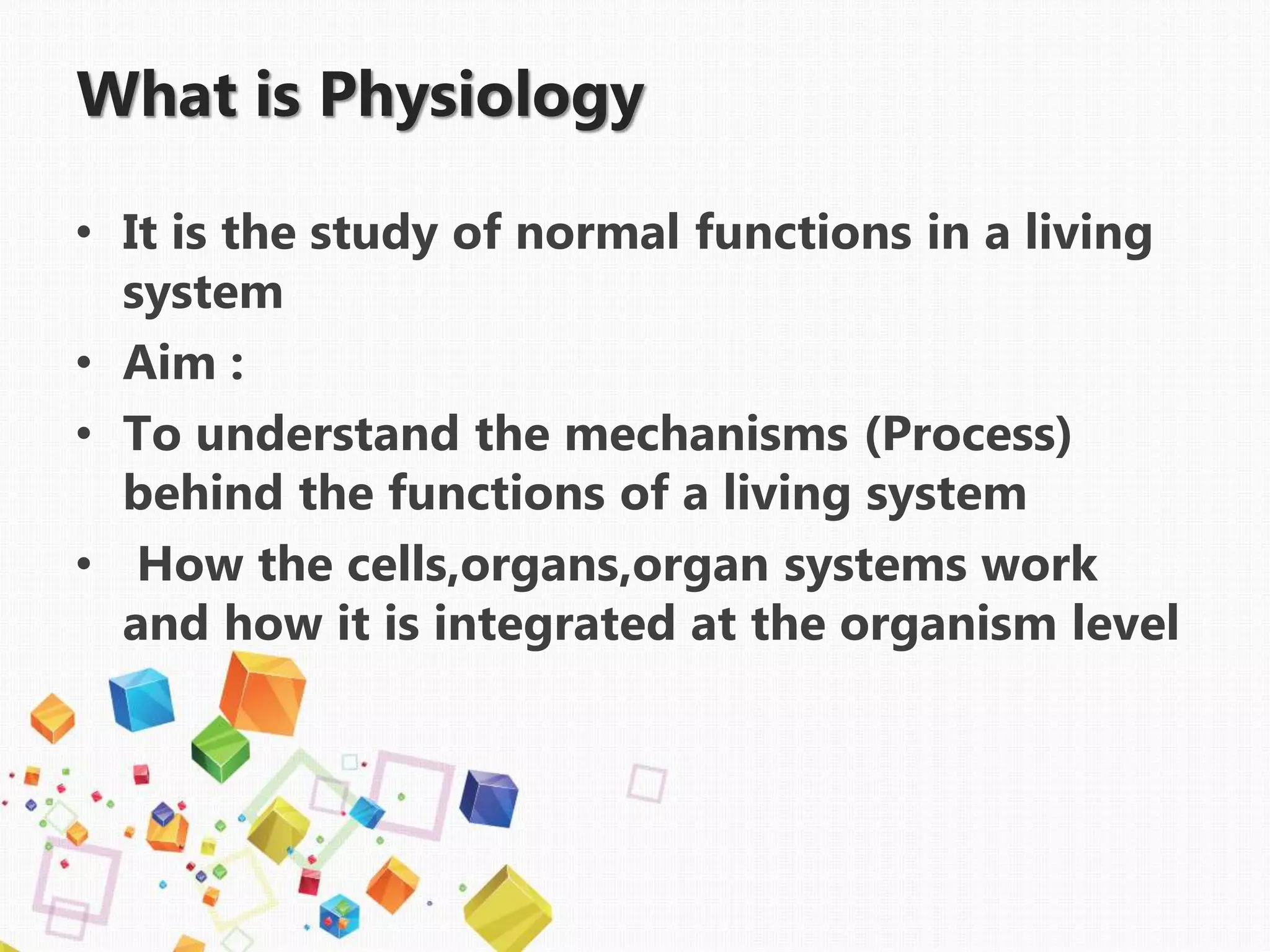
Physiology is the scientific study of how living organisms function, focusing on the mechanical, physical, and biochemical processes that sustain life. While anatomy describes the structure of the body, physiology explains the complex interactions between cells, tissues, and organs that maintain internal stability, known as homeostasis, through sophisticated regulatory and feedback systems.
The Distinction Between Anatomy and Physiology
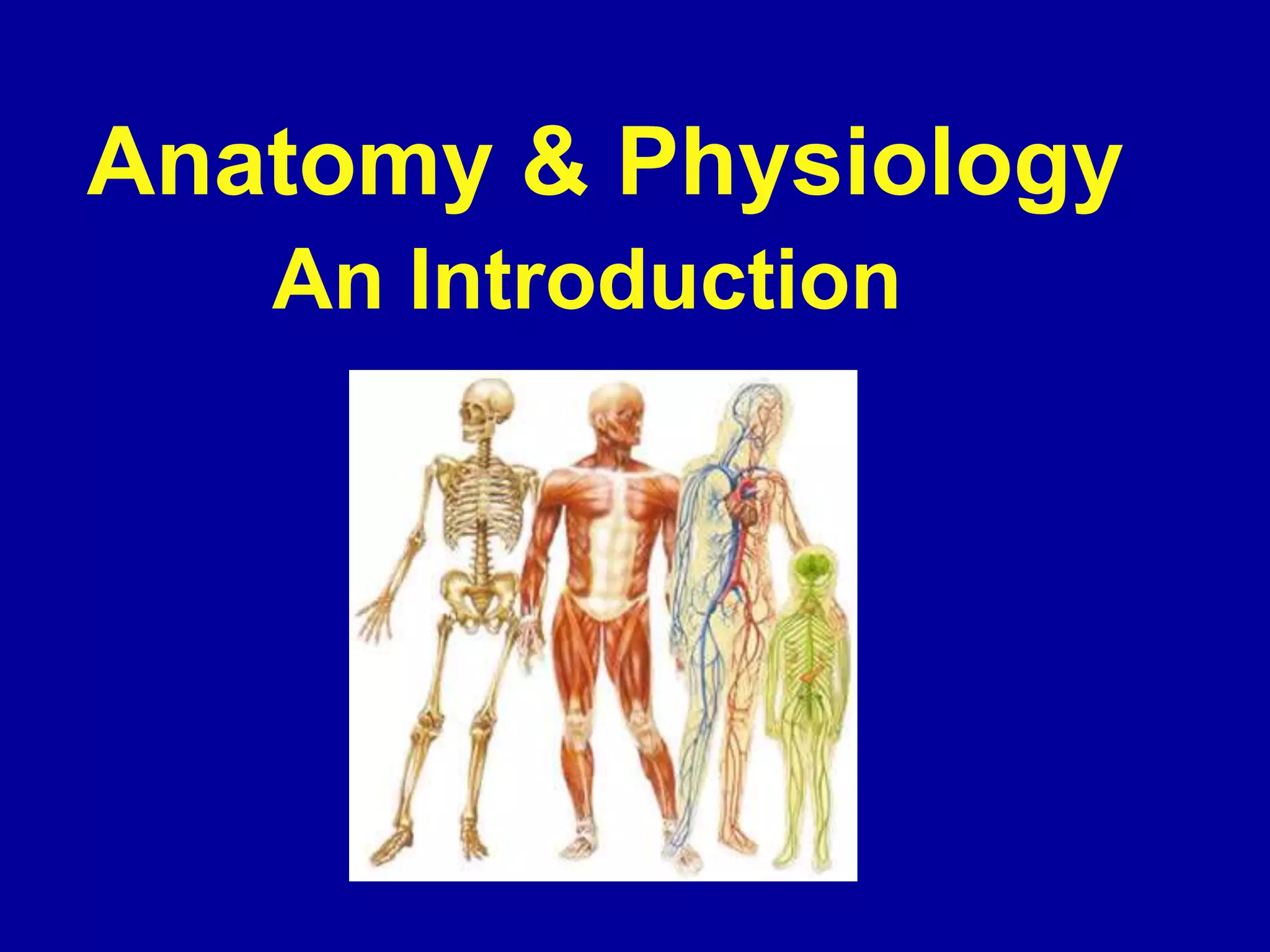
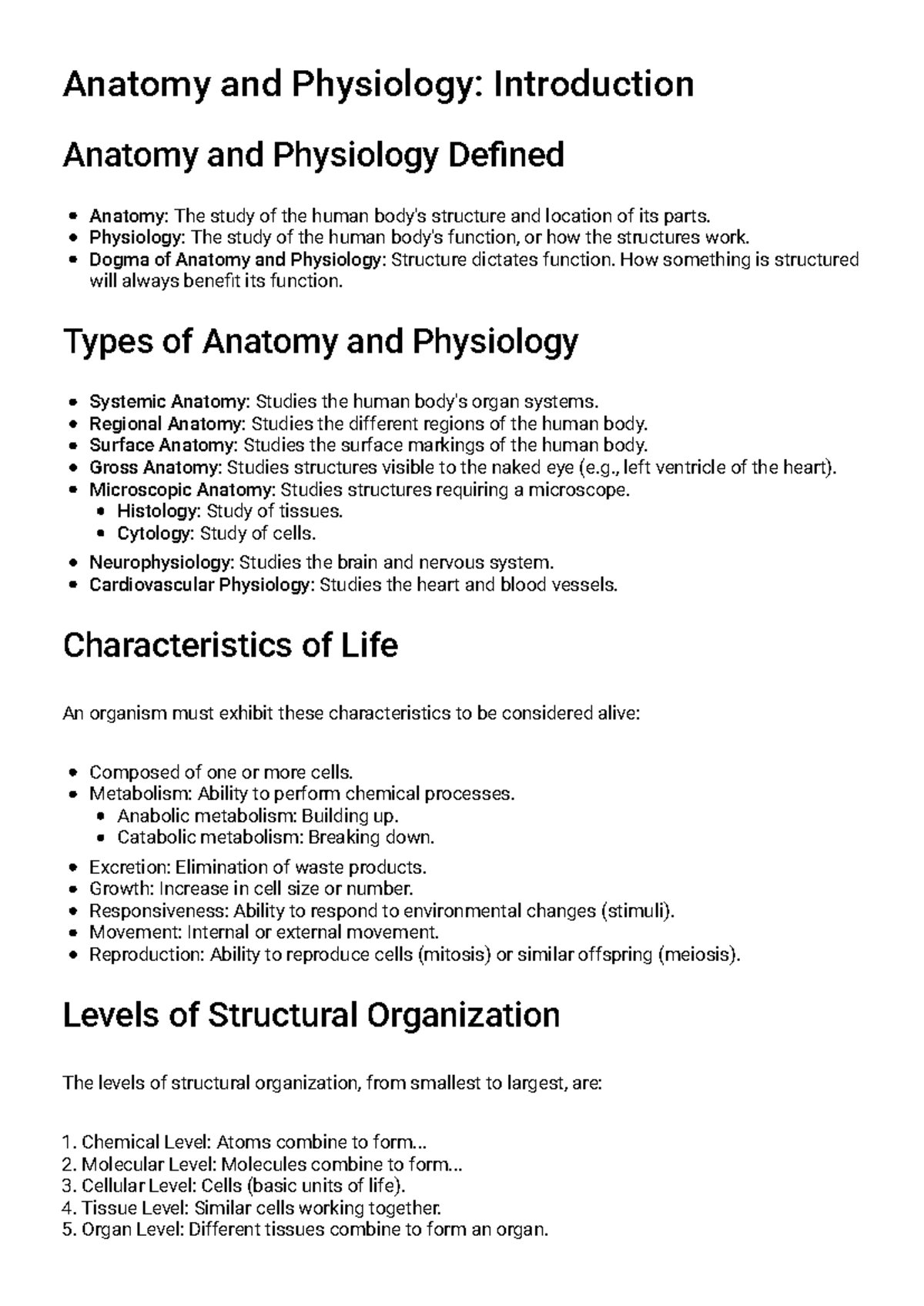
To understand physiology, one must first distinguish it from its sister discipline, anatomy. Anatomy is the study of structure—the "map" of the body. It identifies where the heart is located, the shape of the femur, and the path of the sciatic nerve. Physiology, conversely, is the study of function—the "mechanics" of the body. It asks how the heart pumps blood, why the femur can withstand significant weight, and how a nerve impulse travels from the brain to a muscle.
In the medical and biological sciences of 2026, these fields are increasingly viewed as inseparable. This concept, known as the complementarity of structure and function, posits that what an organ or tissue can do depends entirely on its specific physical form. For example, the thin, flat shape of the air sacs in the lungs (alveoli) is perfectly designed for the rapid diffusion of gases, a physiological process that would be impossible if the tissue were thick and muscular.
The Cornerstone of Physiology: Homeostasis
The central theme of all physiology is homeostasis. Coined by Walter Cannon in the early 20th century and building on Claude Bernard’s concept of the milieu intérieur (internal environment), homeostasis refers to the body's ability to maintain a relatively stable internal state despite constant changes in the external environment.
Homeostasis does not mean the body is in a static state. Instead, it is a dynamic equilibrium. Parameters such as body temperature, blood glucose levels, pH balance, and blood pressure fluctuate within a narrow, healthy range. When these parameters move too far from their "set point," physiological mechanisms intervene to restore balance.
Failure to maintain homeostasis results in pathophysiology, the study of disordered physiological processes associated with disease or injury. For instance, the inability of the body to regulate blood glucose leads to diabetes, a primary example of homeostatic failure.
Feedback Mechanisms: The Body’s Control Systems
The body maintains homeostasis through regulatory circuits called feedback loops. These loops consist of at least three components: a sensor (receptor) that monitors the environment, a control center (usually the brain) that processes the information, and an effector (muscle or gland) that carries out the response.
Negative Feedback Loops
The vast majority of physiological regulation involves negative feedback. In these systems, the output of the system shuts off or reduces the intensity of the original stimulus. It is a "corrective" mechanism.
- Thermoregulation: When your internal temperature rises, thermoreceptors in the skin and brain signal the hypothalamus. The hypothalamus activates sweat glands and dilates blood vessels in the skin. As sweat evaporates and heat radiates away, the body temperature drops back toward the set point, and the cooling mechanisms shut off.
- Blood Pressure Regulation: If blood pressure rises, baroreceptors in the carotid arteries signal the brain to slow the heart rate and dilate blood vessels, bringing the pressure back down.
Positive Feedback Loops
Positive feedback is much less common and does not maintain stability. Instead, it accelerates or enhances the original stimulus, pushing the variable further from its original value. These loops are typically used for episodic events that have a clear endpoint.
- Childbirth (Labor): The hormone oxytocin stimulates uterine contractions. As the baby’s head pushes against the cervix, more oxytocin is released, which causes even stronger contractions. This cycle continues until the baby is born, which terminates the loop.
- Blood Clotting: When a vessel is injured, platelets begin to adhere to the site. They release chemicals that attract even more platelets. This rapid escalation continues until a stable clot is formed.
Levels of Biological Organization
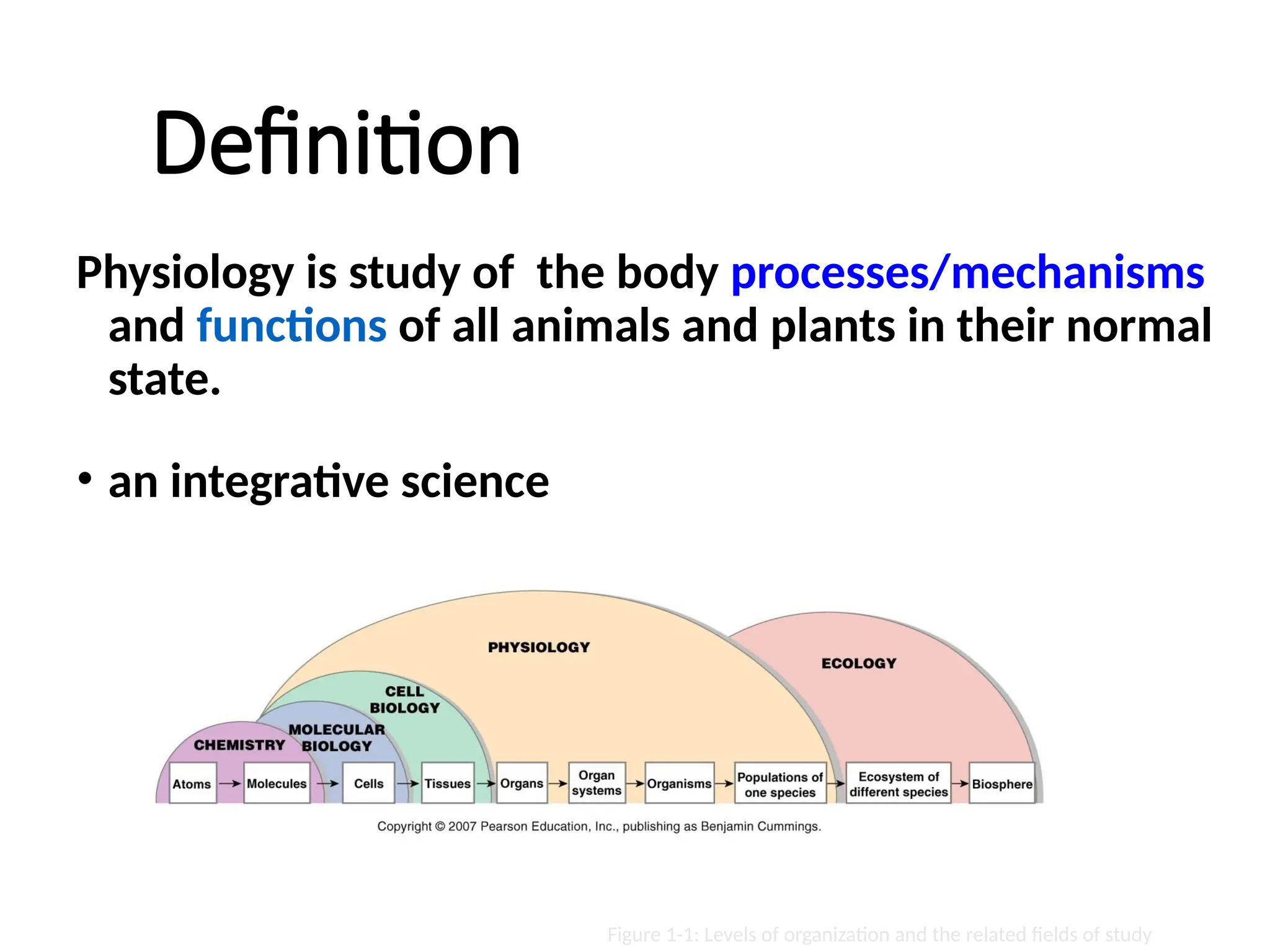
Physiology examines life across several levels of complexity. A comprehensive introduction must address how these levels integrate to form a functioning human being.
- Chemical Level: The foundation of physiology involves atoms (like carbon, hydrogen, and oxygen) forming molecules (like water, proteins, and DNA). The movement of ions like sodium (Na+) and potassium (K+) across membranes is the basis for all nerve and muscle activity.
- Cellular Level: The cell is the basic functional unit of life. Cellular physiology explores how organelles work, how cells utilize energy (ATP), and how they communicate via chemical signals.
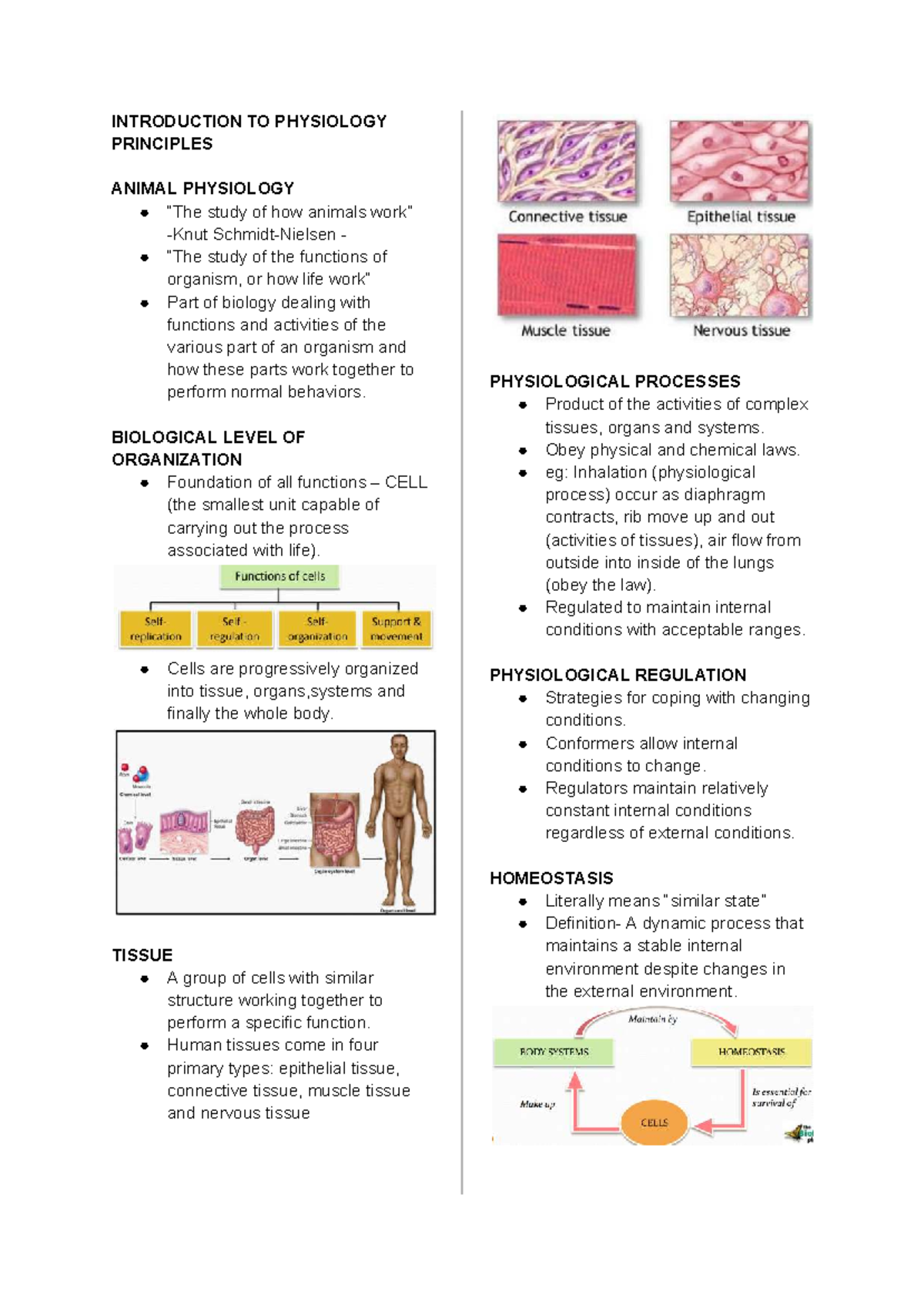
- Tissue Level: Groups of similar cells with a common function. The four primary tissue types are epithelial (covering), connective (support), muscle (movement), and nervous (control).
- Organ Level: Different tissues work together to perform complex functions. The stomach, for instance, contains muscle tissue for churning, epithelial tissue for secreting acid, and nervous tissue for signaling hunger.
- Organ System Level: Groups of organs that collaborate to meet a major physiological need. The digestive system includes the stomach, intestines, liver, and pancreas.
- Organismal Level: The total of all structural levels working together to maintain life and health in the individual.
Overview of Major Human Organ Systems
In 2026, clinical physiology emphasizes the interdependence of these systems. No system operates in isolation; a change in the respiratory system inevitably affects the cardiovascular and urinary systems.
| Organ System | Primary Functions | Key Components |
|---|---|---|
| Integumentary | Protection, temperature regulation, vitamin D synthesis | Skin, hair, nails, sweat glands |
| Skeletal | Structural support, organ protection, mineral storage | Bones, cartilage, ligaments |
| Muscular | Movement, posture, heat production | Skeletal muscles, tendons |
| Nervous | Fast-acting control, sensing environment, integration | Brain, spinal cord, nerves |
| Endocrine | Slow-acting control, hormone secretion, growth | Pituitary, thyroid, pancreas, adrenals |
| Cardiovascular | Transport of oxygen, nutrients, and waste products | Heart, blood vessels, blood |
| Lymphatic/Immune | Fluid balance, defense against pathogens | Lymph nodes, spleen, white blood cells |
| Respiratory | Gas exchange (O2 and CO2), pH balance | Lungs, trachea, bronchi |
| Digestive | Nutrient breakdown and absorption, waste removal | Stomach, intestines, liver, esophagus |
| Urinary | Waste filtration, fluid and electrolyte balance | Kidneys, bladder, urethra |
| Reproductive | Production of offspring, sex hormone regulation | Testes/Ovaries, uterus, mammary glands |
Cellular Physiology: The Engine Room
The life of an organism is essentially the sum of its cellular activities. At the heart of cellular physiology is the plasma membrane. This semi-permeable barrier controls the entry and exit of substances, maintaining a distinct chemical environment inside the cell compared to the extracellular fluid.
Transport Mechanisms
- Passive Transport: Movement of substances without the expenditure of energy (ATP). This includes diffusion (movement from high to low concentration) and osmosis (the diffusion of water).
- Active Transport: Movement against a concentration gradient, requiring ATP. The Sodium-Potassium Pump is perhaps the most vital active transport mechanism, as it maintains the electrical charge necessary for nerve impulses.
Metabolism and Energy
Physiology is also the study of bioenergetics. Cells perform metabolism, the sum of all chemical reactions in the body. Anabolism refers to building complex molecules from simpler ones (requiring energy), while catabolism refers to breaking down molecules to release energy. The primary energy currency is Adenosine Triphosphate (ATP), produced largely in the mitochondria through cellular respiration.
Integration and Regulation: Nervous vs. Endocrine
The body has two primary systems for communicating and maintaining homeostasis: the nervous system and the endocrine system.
The nervous system provides immediate, rapid-fire responses. It uses electrical impulses (action potentials) and chemical messengers (neurotransmitters) to send signals across synapses. This is the system used for muscle contraction and immediate sensory perception.
The endocrine system is the body's "slow" communication system. It secretes hormones into the bloodstream, which travel to target organs. While slower to act, endocrine effects are often much longer-lasting. Growth, metabolism, and reproductive cycles are primarily governed by endocrine signals.
In modern physiology, we often speak of the neuroendocrine system, acknowledging that the brain (specifically the hypothalamus) directly controls the release of many hormones, bridging the gap between these two regulatory frameworks.
Practical Applications of Physiology in 2026
The study of physiology is not merely academic; it is the foundation of modern healthcare and human performance.
1. Clinical Medicine and Pharmacology
Understanding "normal" physiology is a prerequisite for diagnosing disease. Pharmacologists use physiological principles to design drugs that mimic or block natural body processes. For example, beta-blockers work by binding to receptors in the heart to slow the heart rate and lower blood pressure, directly intervening in cardiovascular physiology.
2. Sports and Exercise Physiology
Exercise physiology examines how the body's structures and functions are altered when exposed to acute and chronic bouts of physical activity. In 2026, athletes use real-time physiological monitoring—tracking oxygen saturation, lactate thresholds, and heart rate variability—to optimize training and recovery.
3. Bio-Digital Twins
A burgeoning field in 2026 is the creation of "bio-digital twins"—computational models of an individual's unique physiological makeup. These models allow doctors to simulate how a specific patient might respond to a surgery or a specific medication before the treatment is ever administered, representing the pinnacle of precision medicine.
Common Obstacles in Learning Physiology
Physiology is often cited as one of the most challenging subjects for students in the biological sciences. This is usually due to three factors:
- Integration Over Memorization: Unlike anatomy, you cannot simply memorize a list of parts. You must understand the process. If you change one variable (e.g., blood pH), you must be able to predict how the kidneys and lungs will respond.
- Multidisciplinary Nature: Physiology requires a working knowledge of chemistry (ions, pH), physics (pressure, flow, resistance), and biology.
- Dynamic Complexity: The body is never "off." Systems are constantly adjusting, and understanding these simultaneous interactions requires a "systems-thinking" approach rather than a linear one.
Frequently Asked Questions
What is the difference between a set point and a normal range?
A set point is the specific physiological value that the body aims to maintain (such as 98.6°F for temperature). However, because the body is dynamic, the actual value fluctuates around this point. This healthy fluctuation is called the normal range. Physiological systems only trigger corrective actions when the value moves outside this range.
Why is the study of ions so important in physiology?
Ions, or electrolytes, are atoms with an electrical charge (like Na+, K+, Cl-, and Ca2+). Because they carry a charge, their movement across cell membranes creates electrical currents. These currents are the basis for how your brain thinks, how your heart beats, and how your muscles move. Without proper ion balance, these systems fail immediately.
How does physiology relate to pathophysiology?
Pathophysiology is essentially physiology "gone wrong." By understanding the normal mechanisms of the body (physiology), clinicians can identify exactly where a process has failed (pathophysiology). For example, understanding how the kidney filters blood allows a doctor to identify why a patient is experiencing renal failure.
Is physiology the same as biology?
Physiology is a major branch of biology. While biology is the broad study of life and living organisms, physiology is specifically focused on the internal workings and functional mechanisms of those organisms.
What is the "Internal Environment"?
The internal environment, or extracellular fluid, is the fluid that surrounds our cells. Cells are extremely sensitive to changes in their surroundings. Physiology is largely the study of how the body keeps this "internal bath" constant in terms of temperature, nutrient concentration, and acidity so that cells can survive.
How has technology changed physiology in 2026?
Technological integration has moved physiology from the lab to real life. Wearable sensors and AI-driven analytics now allow for the continuous monitoring of physiological data. Furthermore, advanced imaging techniques like functional MRI (fMRI) allow us to see physiology in action—watching the brain process thought or the heart pump in real-time with unprecedented resolution.
Final Recommendation for Beginners
If you are beginning your journey into physiology, start by mastering the concept of homeostasis. Every chapter in a physiology textbook—from the nervous system to the urinary system—is ultimately an exploration of how that specific system contributes to the stability of the body. Instead of memorizing facts, always ask yourself: "How does this process help the body survive, and what happens if it stops working?" Utilizing 2026 simulation software and interactive 3D models can also help visualize the dynamic "flow" of physiological processes, making abstract concepts like electrochemical gradients and pressure differentials much easier to grasp.