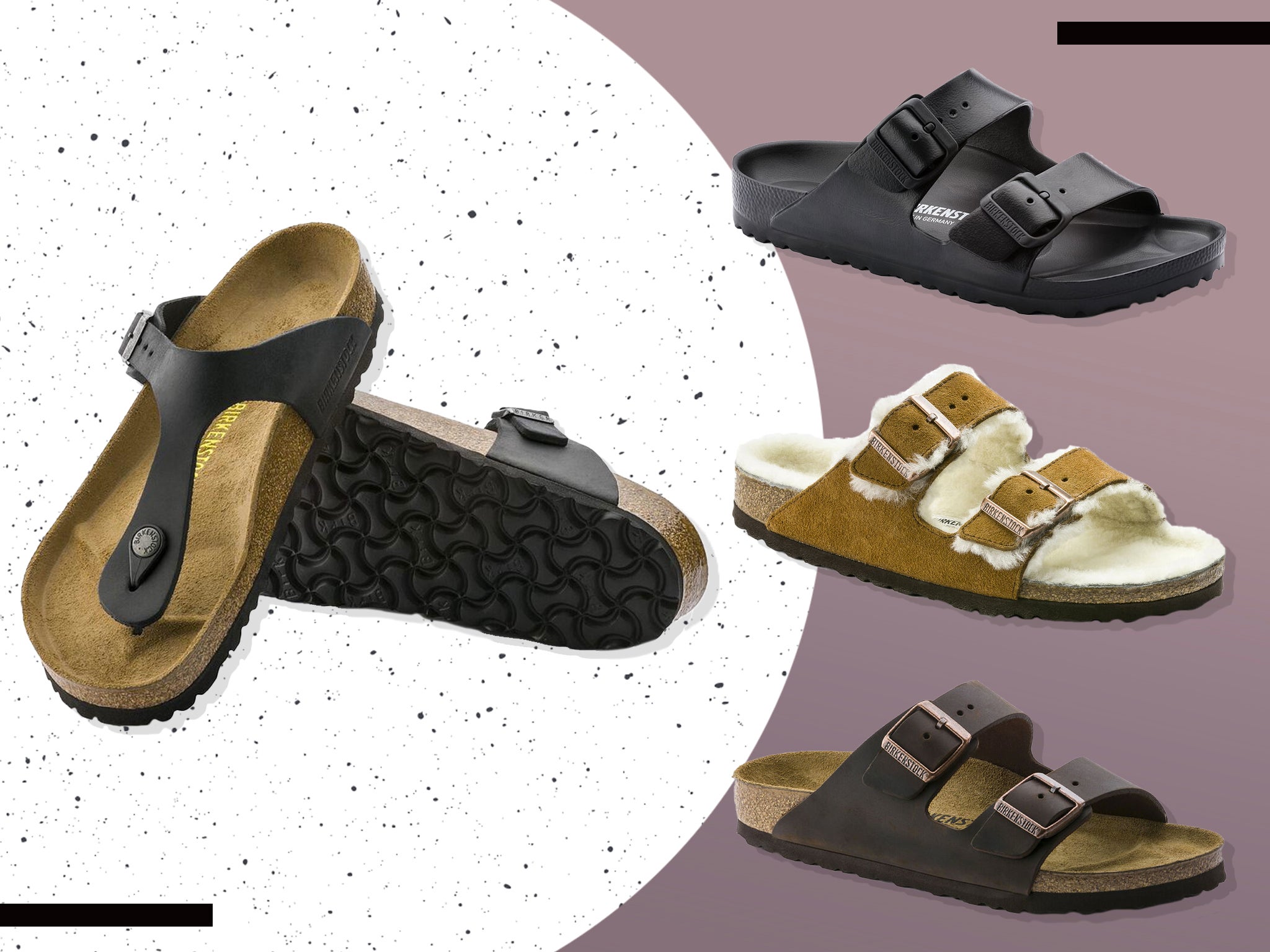
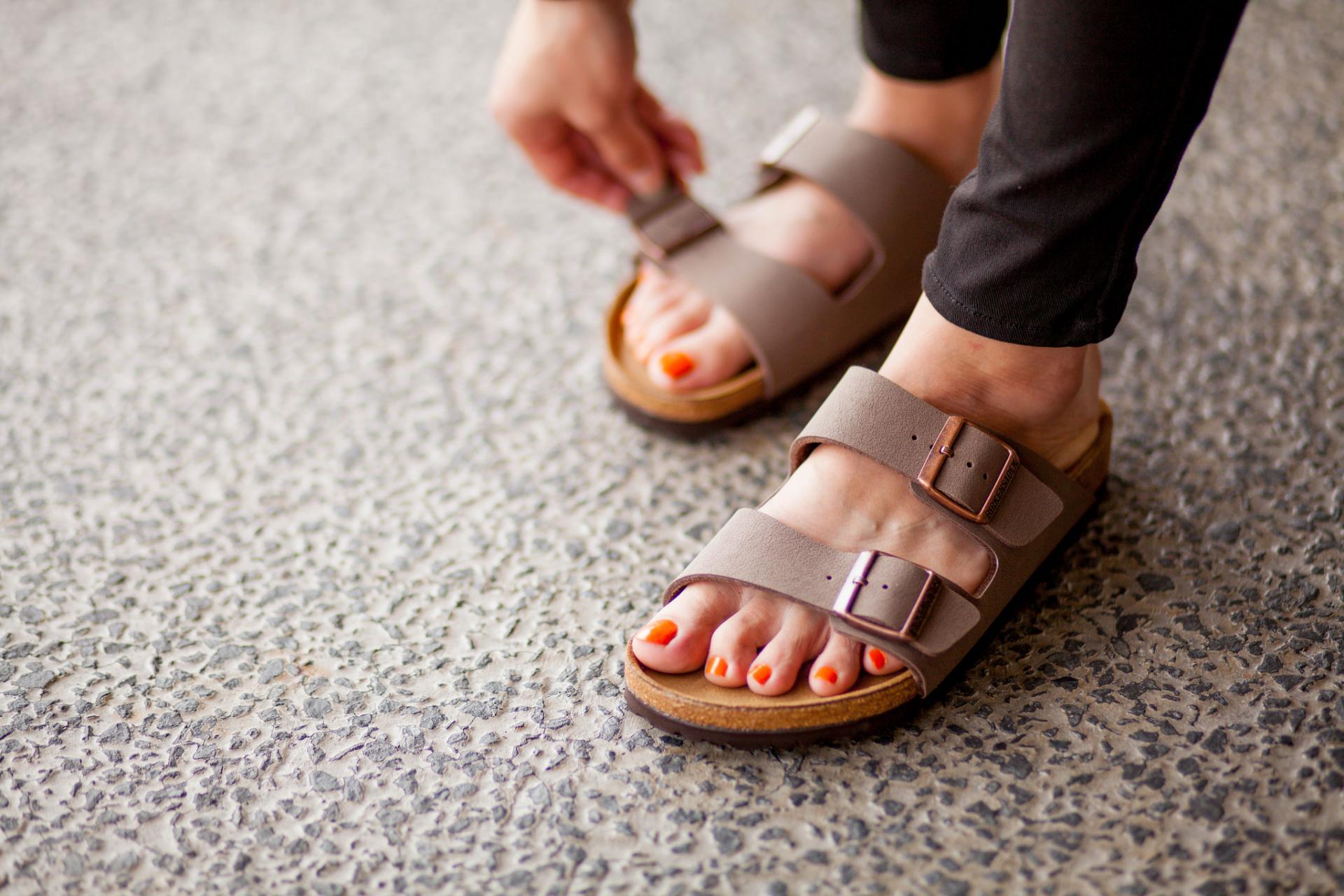
Birkenstocks are generally excellent for walking long distances due to their signature contoured cork-latex footbed, which provides significant arch support and deep heel cups. However, their suitability depends heavily on the wearer’s foot anatomy, the stage of the "break-in" period, and the terrain. While they offer superior structural alignment compared to flat sandals, they lack the multi-layered cushioning and ankle stability of dedicated hiking footwear.
Understanding the Birkenstock Footbed Architecture
The core appeal of Birkenstock footwear lies in its orthopedic-inspired design, which has remained largely consistent since the company’s modern iteration began in the 1960s. The footbed is composed of four distinct layers: a jute base, a cork-latex core, a second layer of jute, and a soft suede liner.
The cork-latex core is the most critical element for long-distance walking. It is engineered to be flexible yet firm, absorbing impact while providing a rigid base that discourages foot fatigue. The deep heel cup keeps the natural padding of the heel directly under the heel bone, which improves stability. The pronounced longitudinal and transverse arch supports are designed to distribute body weight evenly across the entire foot, rather than concentrating pressure on the ball or the heel.
For individuals accustomed to modern, soft "marshmallow-like" foam sneakers, the initial experience of a Birkenstock can feel jarring. This is because the footwear is designed to stimulate the muscles in the foot rather than do all the work for you. Over time, this can lead to improved foot strength, but it requires an adjustment phase.
The Importance of the Break-In Period
One of the most common reasons users report discomfort during long walks is the failure to properly break in their sandals. Because the footbed is constructed from natural cork and latex, it is relatively rigid when new.
The "break-in" period is effectively a process of the cork warming up to your body heat and molding to the unique shape of your footprint. During the first few wears, the edges of the footbed may feel abrasive against the skin, and the arch support may feel slightly too high. To successfully prepare a pair of Birkenstocks for a long-distance excursion, follow these guidelines:
- Gradual Exposure: Start by wearing the sandals for 30 to 60 minutes around your home.
- Increase Duration: Incrementally increase wear time over two weeks.
- Avoid Moisture: Keep the cork away from heavy moisture during this phase, as it can cause the material to lose its shape or degrade prematurely.
If you attempt a ten-mile walk in a brand-new pair of sandals, you are highly likely to experience friction blisters and foot aches. Once the cork has molded to your foot, the "break-in" is essentially permanent, providing a custom-fit sensation that most mass-produced foam shoes cannot replicate.
Evaluating Suitability by Terrain and Activity
Not all "long-distance" walking is equal. The context of your walk will dictate whether Birkenstocks are a viable choice.
Urban Environments
On flat, paved surfaces, Birkenstocks perform exceptionally well. The firm footbed is ideal for concrete and asphalt, as it prevents the foot from "bottoming out," which occurs in softer shoes when the foam cushioning compresses fully after several miles of walking. For city commuters or tourists walking 5–10 miles per day on sidewalks, Birkenstocks are often considered superior to standard flip-flops or thin-soled dress shoes.
Natural Trails and Uneven Terrain
Birkenstocks, particularly the classic open-heel models like the Arizona, are not designed for technical hiking or loose, uneven terrain. The lack of ankle support and the open-back design mean that on loose gravel, steep inclines, or rocky paths, your foot is prone to shifting. Furthermore, debris can easily enter the footbed, and the lack of a toe cap leaves the toes exposed to impact. If you choose to walk long distances in nature, stick to established, smooth paths.
Comparisons with Other Footwear Types
| Feature | Birkenstocks | Athletic Running Shoes | Hiking Sandals |
|---|---|---|---|
| Arch Support | Superior/Structural | Moderate/Cushioned | High/Adjustable |
| Footbed Material | Cork-Latex | EVA/Polyurethane Foam | Rubber/Synthetic |
| Stability | Moderate | High | High |
| Break-in Required | Yes (Long) | No (Minimal) | Minimal |
| Ideal Surface | Paved/Smooth | All-Terrain | Mixed/Water-based |
While running shoes provide better shock absorption for high-impact activities, they often lose their structural integrity after 300–500 miles. Birkenstocks, provided the outsoles are maintained, can last much longer because the structural support is built into the cork rather than relying on ephemeral foam density.
Common Issues and How to Address Them
Despite their popularity, Birkenstocks are not a universal solution for all foot types. Users with specific orthopedic requirements or biomechanical issues may encounter problems.
- Plantar Fasciitis: Many users find that the arch support in Birkenstocks helps alleviate symptoms of plantar fasciitis. However, if the support is too aggressive, it can increase inflammation. If you have a history of foot conditions, consult with a podiatrist before committing to long-distance walking in sandals.
- Friction Blisters: If the suede liner causes chafing, ensure your feet are dry before putting on the sandals. In humid climates, moisture can increase friction.
- Arch Pain: If you experience pain in the arch, it is usually a sign that you have transitioned to the shoes too quickly. Return to the break-in process and limit daily walking distance until your feet have adapted.
Maintenance for Long-Term Durability
To keep your Birkenstocks comfortable for long-distance walking throughout 2026 and beyond, regular maintenance is required. The cork edges should be sealed with a cork sealant if they appear to be drying out or turning dull; this prevents the cork from cracking or crumbling.
The EVA (Ethylene-Vinyl Acetate) outsoles will naturally wear down over time. Once the tread pattern on the bottom has smoothed out, the shoe will lose its shock absorption and grip, making it unsuitable for long distances. Most cobblers or authorized repair services can replace the outsoles, which is a sustainable and cost-effective way to extend the life of your footwear.
Professional Advice and Limitations
While many podiatrists recommend Birkenstocks for their arch support, it is important to recognize that they are not clinical medical devices. They are supportive casual footwear. If you suffer from chronic foot pain, diabetes, or circulatory issues, do not assume that a brand-name sandal will solve your walking discomfort. Always prioritize shoes that have been vetted by a healthcare professional for your specific biomechanics.
Frequently Asked Questions
1. How long does the break-in period actually take? The duration varies by individual, but most people require 10 to 20 hours of total wear time for the cork to adapt. Do not rush this process by wearing them for long distances immediately; let the cork respond to your foot's natural heat and pressure gradually.
2. Can I wear Birkenstocks for hiking? It is not recommended for technical or uneven hiking. While the sandals are comfortable, they lack the lateral support and protection needed for rocky, steep, or unpaved trails. Stick to well-maintained walking paths or gravel tracks.
3. Are they better than running shoes for walking? For flat, paved surfaces, many find them superior because the cork does not compress or lose its structural arch support as quickly as foam sneakers. However, running shoes are better if you need maximum shock absorption for high-impact walking or walking on very hard, unforgiving concrete.
4. What should I do if the footbed feels too hard? If the footbed feels consistently painful, the arch profile may not be compatible with your foot shape. Ensure you are wearing the correct width—Birkenstocks come in "regular" and "narrow" widths. A common mistake is buying the narrow version when the regular version is needed, which causes the foot to sit on the edges of the footbed rather than inside the cup.
5. How do I know when it’s time to replace them? The primary indicator for replacement is the degradation of the cork-latex core. If the cork is cracking, separating from the footbed, or has lost its signature arch support despite being broken in, the shoes have reached the end of their functional life.
Final Recommendation
If you are preparing for a long-distance walking trip, integrate your Birkenstocks into your routine at least three weeks prior to your departure. Ensure you have properly sized the sandals—your toes should not touch the front rim when you are standing, and your heel should rest comfortably within the heel cup. If you find the sandals comfortable after the break-in period, they will serve as a reliable, supportive, and durable companion for long walks on smooth terrain.