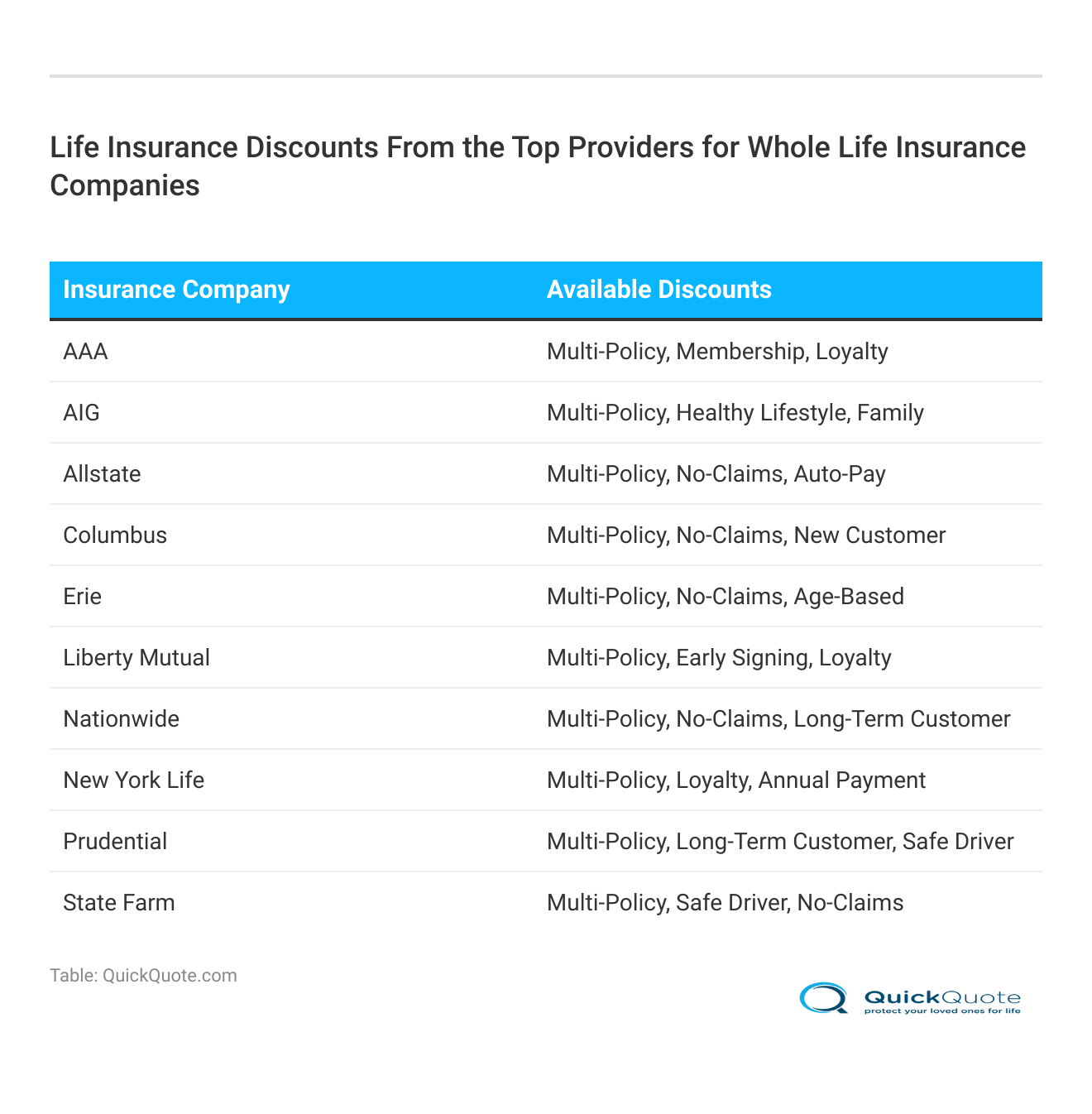
Cheap whole life insurance policies are a "good deal" only if they align with specific, narrow goals like permanent final expense coverage or insuring a child. For most long-term wealth strategies, low-premium whole life usually offers poor cash value growth and lacks the dividends that make premium-heavy policies mathematically viable.
Whole life insurance is often marketed as a versatile financial tool that provides a death benefit while simultaneously building equity through a cash value component. However, the term "cheap" in this industry is frequently a double-edged sword. In the 2026 insurance market, where digital underwriting has streamlined the application process, the distinction between a high-value policy and a low-cost "budget" policy has become more pronounced. To determine if a low-cost provider is offering a genuine bargain or a subpar financial product, one must look past the monthly premium and analyze the internal mechanics of the contract.
Understanding the "Cheap" Label in Whole Life Insurance
When a consumer searches for a "cheap" whole life insurance company, they are usually looking for the lowest possible monthly premium for a permanent policy. In the context of life insurance, "cheap" typically refers to three distinct types of products:
- Small Face-Value Policies: Often called "Final Expense" or "Burial Insurance," these policies have low death benefits (e.g., $5,000 to $25,000). Because the total payout is small, the premium is low in absolute dollars, even if the cost per thousand dollars of coverage is actually quite high.
- Non-Participating Policies: These are policies issued by stock-owned insurance companies that do not pay dividends to policyholders. They have fixed premiums and fixed cash value growth. Because they lack the potential for dividend upside, their initial premiums may be lower than those of "participating" policies from mutual companies.
- Modified Premium Whole Life: These policies offer an artificially low premium for the first few years (e.g., the first 2 to 5 years), after which the premium increases significantly. While they appear cheap at the point of sale, the lifetime cost can be higher than a standard level-premium policy.
The primary trap for consumers is confusing a low monthly payment with high financial efficiency. In whole life insurance, the premium is not just an expense; it is the fuel for the cash value engine. When you lower the premium significantly, you often starve the policy’s ability to generate equity, potentially leaving you with a product that provides a death benefit but lacks the "living benefits" whole life is famous for.
The Trade-off Between Premium and Cash Value Growth
A fundamental principle of life insurance is that the cost of insuring a human life increases every year as that person ages. Whole life insurance manages this by overcharging the policyholder in the early years to build a reserve (cash value) that offsets the astronomical costs of insurance in the later years.
When a company offers a "cheap" whole life policy, they must balance the books in one of several ways:
- Higher Internal Fees: To keep the premium low, the company may increase the internal "Cost of Insurance" (COI) or administrative loads. This means a smaller percentage of your "cheap" premium actually goes toward building cash value.
- Minimal Guarantees: A budget-focused company might offer the bare minimum interest rate allowed by law on the cash value. In the 2026 economic environment, where competitive policies might offer a 3.5% to 4.5% guaranteed floor, a cheap policy might only offer 2% or less.
- Absence of Dividends: This is the most significant factor. Most "cheap" companies are stock companies. A participating policy from a mutual company might have a higher premium, but a portion of that premium is returned to the policyholder as a dividend. Over 20 or 30 years, the "expensive" policy often becomes cheaper because the dividends can eventually be used to pay the premiums entirely—a feature known as "vanishing premium," though not guaranteed.
The Risks of Budget-Focused Life Insurance Providers
The financial stability of the insurer is paramount when purchasing a policy intended to last for 40, 50, or even 70 years. Companies that aggressively price whole life insurance to be the "cheapest" in the market may be taking on more risk or operating with thinner margins.
Financial Strength and Solvency
Before committing to a low-cost provider, it is essential to check their financial strength ratings from independent agencies like AM Best or Moody’s. A company with a "B" rating might offer lower premiums than an "A++" rated giant, but the risk of insolvency over a multi-decade timeframe is non-negligible. While state guaranty associations provide some protection, the disruption of a company failure can freeze cash value access for years.
Underwriting and Claims Experience
"Cheap" companies often utilize "Simplified Issue" underwriting, which requires no medical exam and only a few health questions. While convenient, this creates a pool of insured individuals who may be riskier than those who undergo full medical underwriting. To compensate for this risk, the insurance company must charge more per unit of coverage or be more aggressive in denying claims during the two-year contestability period.
When a "Cheap" Policy is Actually a Good Deal
Despite the drawbacks, there are specific scenarios where a low-cost, low-feature whole life policy is the most logical choice. It is not a "one size fits all" situation.
Final Expense Planning
For a senior citizen (ages 60-85) who simply wants to ensure their children are not burdened by funeral costs, a "cheap" $10,000 final expense policy is often the right move. In this case, the goal is not cash accumulation or complex financial planning; it is a permanent death benefit for a specific, low-cost need. The National Association of Insurance Commissioners (NAIC) provides resources for consumers to compare these specific types of small-face-value policies.
Insuring Children
Some parents purchase small whole life policies for their children to "lock in" their insurability. These policies are relatively inexpensive because the risk of death for a child is statistically very low. While the cash value growth on a budget child policy will be modest, the primary "deal" is the guaranteed right to purchase more insurance later in life regardless of future health issues.
Guaranteed Issue for High-Risk Individuals
For individuals with severe chronic illnesses who cannot qualify for term insurance or standard whole life, "cheap" (or rather, the only available) guaranteed issue whole life is a necessary tool. These policies usually have a "graded death benefit," meaning if the insured dies within the first two or three years, the beneficiaries only receive the premiums paid plus a small amount of interest.
Technical Comparison: Standard vs. Cheap Whole Life
The following table illustrates the typical differences you will encounter when comparing a "cheap" non-participating policy against a standard participating policy from a major mutual insurer.
| Feature | Cheap (Non-Participating) | Standard (Participating) |
|---|---|---|
| Primary Goal | Death benefit at lowest entry cost | Cash value growth & death benefit |
| Premiums | Fixed and generally lower | Higher, but can be offset by dividends |
| Dividends | None | Potential for annual dividend payments |
| Cash Value Growth | Slow, limited to minimum guarantees | Potential for significant growth above guarantees |
| Ownership | Stockholders own the company | Policyholders "own" the company |
| Underwriting | Often Simplified Issue (No exam) | Usually Full Medical Underwriting |
| Flexibility | Low; fixed schedule | High; riders for "Paid-Up Additions" |
Hidden Costs and Technical Limitations
A "deal" in insurance is often undone by what is missing from the contract. Low-cost whole life policies frequently omit features that provide flexibility during financial hardship.
Absence of Riders
Standard whole life policies often allow for a Waiver of Premium rider, which pays your premiums if you become disabled. Cheap companies may not offer this, or if they do, the definition of "disabled" may be much stricter. Similarly, the Accelerated Death Benefit rider—which allows you to access funds if you are diagnosed with a terminal illness—might be more restrictive or carry higher administrative fees in budget policies.
Policy Loan Interest Rates
One of the main reasons people buy whole life is the ability to take a loan against the cash value. Cheap policies may charge a significantly higher interest rate on these loans compared to premium policies. If you plan to use your policy for "Infinite Banking" or as a source of emergency liquidity, a high loan interest rate can quickly turn a "cheap" policy into a very expensive loan source.
The "Net Cost" Calculation
To truly see if a policy is a good deal, you must calculate the "Net Cost." This is the total premiums paid minus the total cash value available at a certain point (e.g., year 20).
- Policy A (Cheap): Pays $1,000/year for 20 years. Cash value is $15,000. Net cost: $5,000.
- Policy B (Premium): Pays $2,000/year for 20 years. Cash value is $45,000. Net cost: -$5,000 (a profit).
In this example, the "expensive" policy is actually the better deal because it resulted in a positive return on investment, whereas the "cheap" policy resulted in a net loss of $5,000.
Navigating the 2026 Regulatory Landscape
As of 2026, state regulators have increased transparency requirements for life insurance illustrations. Companies are now required to more clearly distinguish between "guaranteed" and "non-guaranteed" values. When evaluating a cheap whole life offer, always insist on seeing the Full Illustration rather than just a summary quote.
Pay close attention to the "Guaranteed" column. If the "Current Assumption" column (which is not guaranteed) looks amazing but the "Guaranteed" column shows the cash value dropping to zero or growing at a snail's pace, the "cheap" price is likely based on optimistic economic projections that may not materialize.
The Insurance Information Institute (III) suggests that consumers should also verify if the company is licensed in their state. Buying a "cheap" policy from an unauthorized out-of-state or offshore entity can leave you with no recourse if the company fails to pay a claim.
Frequently Asked Questions
Can I convert a cheap whole life policy into a different type of insurance?
Most whole life policies are not "convertible" in the way that term insurance is. Once you have a whole life policy, you are generally locked into that contract. You can, however, use a 1035 Exchange to move the cash value of an underperforming cheap policy into a higher-quality policy with a different company without incurring taxes. However, you will have to pass a new medical exam for the new policy.
Why is my cheap policy building cash value so slowly?
Cheap policies often have high "front-end loads." This means a large portion of your first few years of premiums goes toward paying the agent's commission and the company's administrative costs. In many budget-friendly policies, there is zero cash value for the first two to three years.
Are "Modified Whole Life" policies a scam?
No, they are not scams, but they are often misunderstood. They are designed for people who expect their income to rise significantly in the future. They offer a "cheap" entry point, but the consumer must be prepared for the scheduled premium jump. If you cannot afford the higher premium five years from now, the policy will likely lapse, and you will lose all the premiums you paid.
Is it better to buy cheap whole life or term insurance?
For the vast majority of people, term insurance is a much better "deal" than cheap whole life. You can get a much higher death benefit for a fraction of the cost. The only reason to prefer cheap whole life is if you have a permanent need (like a child with special needs) or if you specifically want to cover final expenses and have no other savings.
How do dividends impact the "deal" over time?
In a participating whole life policy, dividends can be used to purchase "Paid-Up Additions" (PUAs). These PUAs increase both the death benefit and the cash value without requiring more out-of-pocket premiums. Cheap, non-participating policies lack this compounding effect, meaning the death benefit stays the same forever while inflation erodes its value.
Final Recommendation
Before signing a contract with a "cheap" whole life insurance company, perform a 20-year net cost analysis. If you are looking for a simple burial policy, a budget-focused provider is often a perfectly acceptable choice. However, if you are looking at whole life as a "savings vehicle" or a cornerstone of your financial plan, the cheapest premium is almost never the best deal.
Instead of looking for the lowest monthly payment, look for the highest Financial Strength Rating and a "Participating" structure from a mutual company. In the long run, the efficiency of cash value growth and the potential for dividends will likely make the more "expensive" policy a better financial asset than a low-cost, high-fee budget alternative. If a quality whole life policy is too expensive for your current budget, the most prudent move is usually to buy a high-quality term life insurance policy and invest the difference in a brokerage or retirement account.