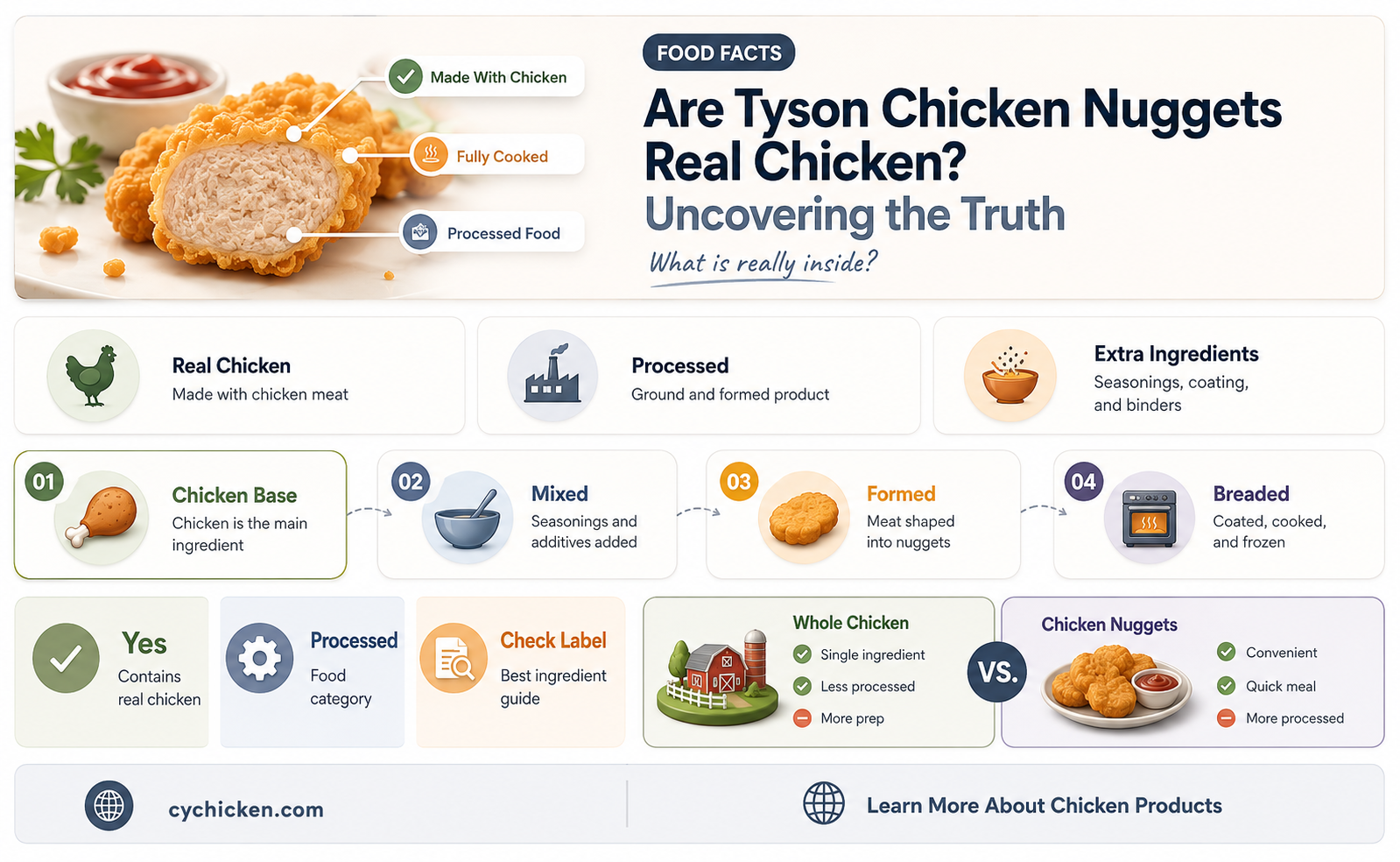
Chicken nuggets are a fundamental staple of the modern global diet, but the question of whether they are "real" remains a point of significant public skepticism. Most chicken nuggets are indeed made from real chicken meat; however, they are a highly processed "reconstituted" food product rather than a single, intact muscle cut like a chicken breast. While they contain actual poultry protein, they also incorporate varying amounts of chicken skin, connective tissues, water, binding agents, and preservatives to achieve their specific texture and shelf stability.
To understand if chicken nuggets are "real," one must look past the golden-brown breading and into the industrial food science that governs their production. The skepticism often stems from viral "pink slime" images and a general lack of transparency regarding how animal parts are transformed into uniform shapes. As of 2026, the food industry has moved toward greater labeling transparency, but the gap between a farm-raised bird and a frozen nugget remains vast.
The Anatomy of a Nugget: What is Actually Inside?
When a consumer asks if a nugget is "real," they are usually asking if the meat comes from a chicken. Statistically and legally, the answer is yes. In the United States and many other jurisdictions, labeling laws require that any product labeled as a "chicken nugget" must contain meat derived from the species Gallus domesticus. However, the percentage of "actual meat" versus "other ingredients" can vary wildly depending on the brand and price point.
The Meat Component
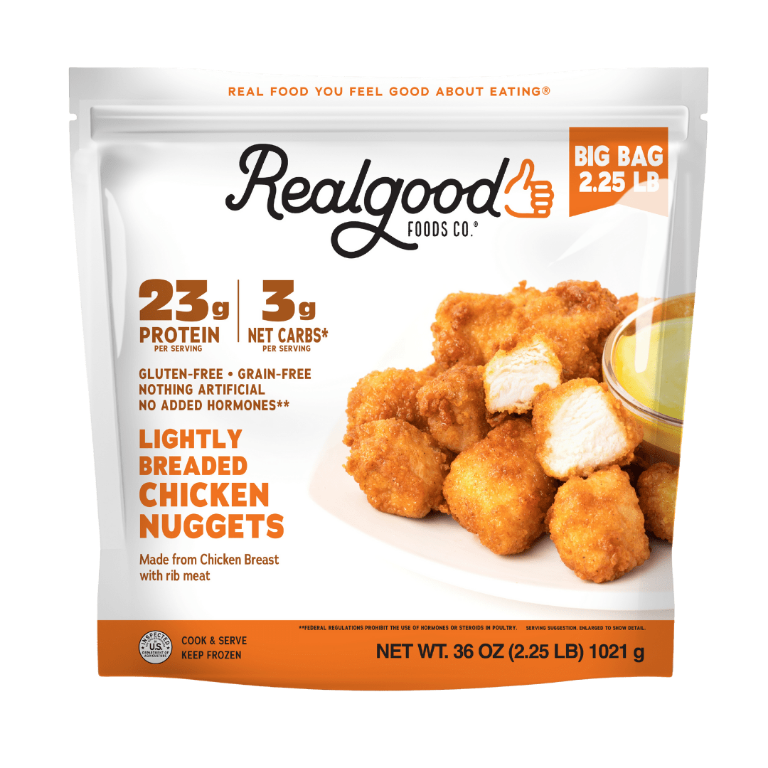
In premium or "all-natural" nuggets, the primary ingredient is typically "boneless skinless chicken breast with rib meat." This is the highest quality of meat used in the industry. However, in many standard or budget-grade nuggets, the meat component is a blend of white and dark meat, often ground into a paste to ensure a consistent mouthfeel.
In some cases, manufacturers use "mechanically separated poultry" (MSP). This is a paste-like product produced by forcing bones with attached edible tissue through a sieve or similar device under high pressure. This process separates the bone from the edible tissue, but it also breaks down the muscle fiber structure, resulting in a different texture than intact meat.
Fillers and Binders
To hold the ground meat together and maintain moisture during the freezing and reheating process, manufacturers use various binders. Common examples include:
- Modified Food Starch: Derived from corn, wheat, or potato, this helps retain juice and prevents the nugget from becoming rubbery.
- Soy Protein Concentrate: This is used as a filler to increase the protein count and volume of the product at a lower cost than animal meat.
- Sodium Phosphates: These salts are essential for moisture retention and "meat glue" functionality, ensuring the nugget doesn't fall apart.
Debunking the "Pink Slime" Myth
The most significant hurdle to the "realness" perception of chicken nuggets is the 2012 "pink slime" controversy. The term originally referred to "Lean Finely Textured Beef" (LFTB), which was treated with ammonia gas to kill bacteria. While a similar process was used for some poultry products, the viral image of a giant swirl of pink frosting-like paste was often misattributed to the chicken nugget industry.
By 2026, major fast-food chains and grocery manufacturers have largely distanced themselves from these processes. For instance, McDonald’s famously moved to 100% white meat nuggets in the early 2000s and has since removed artificial preservatives. The "slime" phase of the industry has been replaced by more sophisticated grinding and emulsification techniques that maintain a more traditional meat texture without the need for controversial chemical washes.
How Chicken Nuggets Are Manufactured: A Step-by-Step Process
The transformation from a bird to a box of nuggets is a marvel of food engineering. This process is designed for speed, safety, and uniformity, which is why every nugget in a box looks and tastes exactly like the others.
1. Deboning and Grinding
The process begins with the removal of meat from the carcass. In large-scale facilities, this is done with high-precision machinery. The meat—often a mix of breast, thigh, and skin—is then passed through a grinder. The inclusion of skin is not just a cost-saving measure; it provides the fat necessary for flavor and a juicy texture.
2. Seasoning and Marination
The ground meat is placed in large vacuum tumblers. Here, a marinade consisting of water, salt, sugar, and various phosphates is "massaged" into the meat. This ensures that the flavor penetrates the entire nugget, not just the surface. This step is also where the nugget gains much of its sodium content.
3. Shaping and Breading
The seasoned meat paste is pressed into molds to create specific shapes (like the famous "boot" or "bell" shapes used by major chains). Once shaped, the nuggets go through a multi-stage coating process:
- Predust: A light layer of flour to help the batter stick.
- Batter: A liquid mixture of flour, water, and leavening agents.
- Breading: The final layer of cornmeal, breadcrumbs, or specialized flour blends that provide the crunch.
4. Par-Frying and Freezing
The nuggets are flash-fried for a very short period—usually less than a minute. This "par-frying" sets the breading and gives the nugget its golden color but does not fully cook the interior. Finally, the nuggets are blast-frozen to -20°F to lock in freshness and prevent bacterial growth during shipping.
Comparing Nugget Quality: Fast Food vs. Retail vs. Premium
Not all "real" nuggets are created equal. The level of processing and the quality of the bird used can vary significantly. The following table compares the typical profiles of chicken nuggets across the market in 2026.
| Feature | Fast Food Standard | Budget Frozen Brand | Organic / Premium Brand |
|---|---|---|---|
| Primary Meat | White meat blend | Mechanically separated meat | 100% Breast meat |
| Meat Percentage | 45% - 55% | 35% - 45% | 65% - 75% |
| Breading Type | Tempura or corn-based | Thick wheat-based | Whole grain or panko |
| Preservatives | Minimal (Citric acid) | High (BHA/BHT/TBHQ) | None (Natural flavors) |
| Sodium (per 100g) | 500mg - 600mg | 600mg - 800mg | 300mg - 450mg |
Additives and Preservatives: The Technical Side
While the meat is real, the "extras" are what often concern health-conscious consumers. These additives are strictly regulated by agencies like the FDA or EFSA, but they contribute to the "ultra-processed" classification of the food.
Tertiary Butylhydroquinone (TBHQ)
TBHQ is an antioxidant used to prevent vegetable oils and animal fats from oxidizing (going rancid). It is a common ingredient in the frying oil used for nuggets. While it has been the subject of internet rumors, it is safe at the very low levels used in food production.
Dimethylpolysiloxane
Often used as an "anti-foaming agent," this silicone-based compound is added to the deep-fryer oil in many fast-food kitchens. It prevents the oil from bubbling over or splattering during high-volume cooking. While it sounds "unreal," it is chemically inert and passes through the body without being absorbed.
Autolyzed Yeast Extract
This is a flavor enhancer similar to MSG. It provides the "umami" or savory taste that makes chicken nuggets highly palatable. It is derived from yeast and is a source of naturally occurring glutamates.
The Nutritional Reality: Are They Healthy?
Even if a nugget is made from "real" chicken, its nutritional profile is vastly different from a roasted chicken breast. The processing adds significant caloric density.
- High Caloric Density: Because nuggets are breaded and fried, a large portion of their weight is refined carbohydrates and fats.
- Bioavailability: The heavy processing and grinding of the meat can change how the body digests the protein. Intact muscle fibers take longer to break down than the fine particles found in a nugget.
- Glycemic Impact: The flour-based coatings can cause a quicker spike in blood sugar compared to eating unbreaded poultry.
For those concerned about the "realness" of their food in terms of health, the focus should be on the degree of processing. A nugget with 20 ingredients is less "real" in a biological sense than a piece of chicken you bread and fry at home using simple pantry staples.
Alternatives and the Future of "Real" Nuggets
As of 2026, the definition of a "real" nugget is expanding. We are now seeing three distinct categories that challenge our traditional understanding of poultry:
- Plant-Based Nuggets: Using soy, pea, or wheat proteins, brands like Impossible and Beyond have created nuggets that mimic the texture and flavor of chicken almost perfectly. While not "real chicken," they are real food products designed to replace meat.
- Cell-Cultivated Chicken: Often called "lab-grown meat," this is real chicken produced from animal cells without the need to slaughter a bird. It is biologically identical to chicken but grown in a cultivator. In 2026, this technology is beginning to appear in high-end markets and select regions.
- Air-Fried / Unbreaded Options: Some brands now offer "naked" nuggets—essentially small chunks of seasoned chicken breast that are roasted rather than breaded and fried. These are the "realest" commercial options available for those seeking minimal processing.
Frequently Asked Questions
Are chicken nuggets made of "pink slime"?
In 2026, virtually all major chicken nugget manufacturers have eliminated the use of "pink slime" (ammonia-treated meat paste). Most commercial nuggets are made from ground white meat or a blend of white and dark meat that is shaped and breaded. While the texture is a paste before it is cooked, it is not the chemically treated product of the past.
Why do all chicken nuggets in a box look the same?
Uniformity is achieved through industrial molds. After the chicken is ground and seasoned, it is pressed into standardized shapes. This isn't just for aesthetics; uniform shapes ensure that every nugget cooks at the exact same rate, which is critical for food safety and preventing undercooked meat.
Is there wood pulp in chicken nuggets?
There is no "wood pulp" in chicken nuggets, but some breadings or fillers may contain cellulose. Cellulose is a fiber derived from plant cells (which can include wood or stalks). It is used to prevent clumping in cheese and to add fiber or structure to breading. It is a government-approved food additive and is safe for consumption.
How much actual chicken is in a nugget?
On average, a chicken nugget is about 50% chicken meat. The remaining 50% is composed of the breading, water (added for moisture), vegetable oils, and binders. Premium brands may reach 70% meat, while very cheap versions may drop below 40%.
Are chicken nuggets safe for children?
Yes, they are generally safe, but they are classified as ultra-processed foods. Because of their high sodium and saturated fat content, pediatricians generally recommend they be consumed in moderation. The primary risk is the high caloric density and the presence of additives that may not be found in whole-food diets.
Summary and Recommendations
Chicken nuggets are "real" in the sense that they are made from poultry meat, but they are a highly engineered food product. They represent a compromise between convenience, cost, and flavor. For the best experience and the "realest" nutritional profile, consider the following actions:
- Read the Label: Look for "100% white meat" or "chicken breast" as the first ingredient. Avoid products that list "mechanically separated poultry" if you want a more natural texture.
- Check the Sodium: Aim for brands that keep sodium below 500mg per serving.
- Make Your Own: The only way to ensure a nugget is 100% "real" by traditional standards is to cut a chicken breast into chunks, dip them in egg and breadcrumbs, and bake or air-fry them at home.
- Limit Frequency: Treat commercially processed nuggets as an occasional meal rather than a daily protein source to avoid the cumulative effects of high sodium and preservatives.