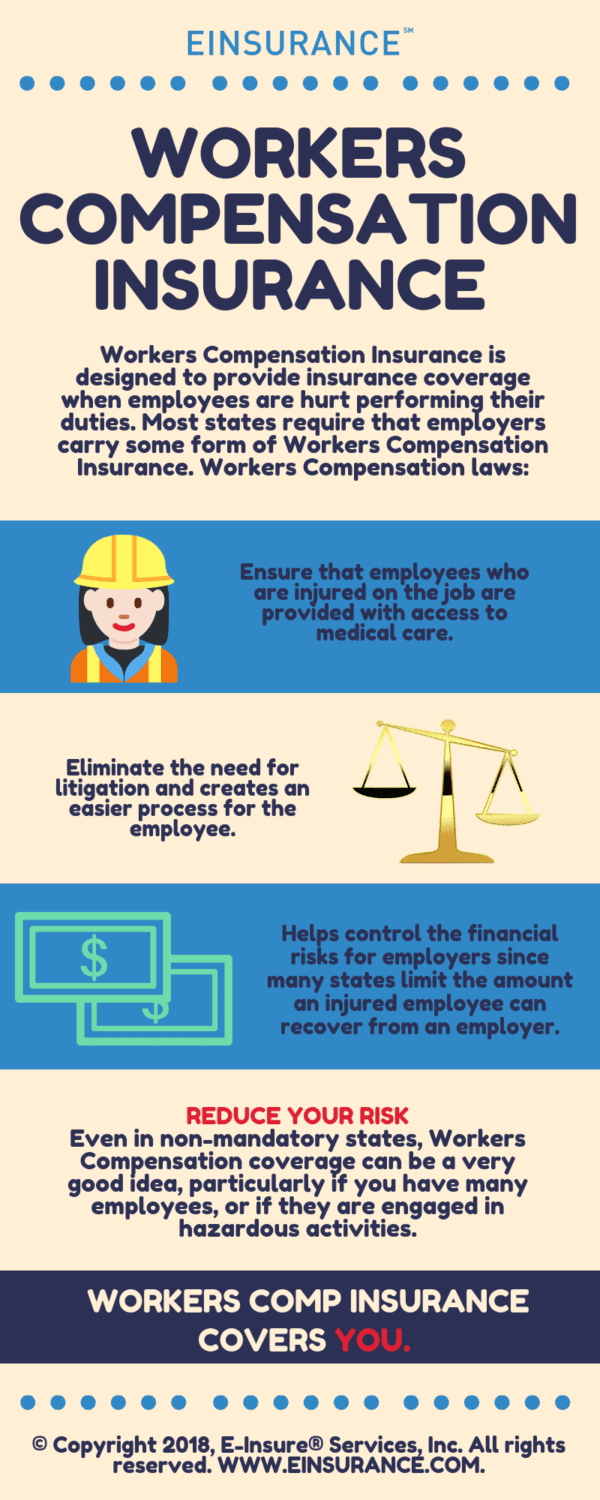
In the United States, the requirement for churches to carry workers' compensation insurance depends almost entirely on the specific laws of the state where the ministry operates. While many states mandate coverage for any organization with one or more employees, several jurisdictions provide narrow exemptions for clergy or small religious nonprofits, though maintaining a policy is universally recommended to mitigate significant financial and legal liabilities.
The intersection of religious freedom, tax-exempt status, and labor law often creates a cloud of confusion for church boards and administrative pastors. As of 2026, the legal landscape regarding workers' compensation has become increasingly standardized, yet the nuances between "employee," "clergy," and "volunteer" remain critical distinctions for compliance. This guide examines the mandates, risks, and strategic necessities of workers' compensation within the ecclesiastical context.
Understanding the Legal Mandate for Religious Organizations
Workers’ compensation is a state-mandated insurance system that provides benefits to employees who suffer job-related injuries or illnesses. In exchange for these benefits, employees generally forfeit their right to sue their employer for negligence. For churches, the question of "requirement" is not a federal one, but a state-level determination.
The General Rule of Employment
In most jurisdictions, if a church hires an individual to perform services in exchange for financial compensation, an employer-employee relationship is established. As of 2026, over 40 states require any employer—regardless of their non-profit or religious status—to carry workers' compensation insurance if they have at least one employee. This includes full-time pastors, administrative assistants, janitorial staff, and nursery workers.
The "Ministerial Exception" and Workers' Comp
A common point of confusion is the "Ministerial Exception," a legal doctrine derived from the First Amendment that protects religious institutions from certain employment discrimination laws. It is vital to understand that this exception rarely applies to workers' compensation. While the government may stay out of a church’s decision on whom to ordain or fire, it generally maintains the authority to ensure that those individuals are protected if they are injured while performing their duties.
State-by-State Variations in 2026
Because workers' compensation is governed by state law rather than federal law, the requirements for a church in Texas may look drastically different from those in California or New York.
States with Strict Mandates
States like California, Illinois, and New York have long-standing requirements that essentially all employers, including religious ones, provide workers' compensation. In these regions, failing to provide coverage can result in "stop-work orders," massive daily fines, and even criminal penalties for the board of directors or the lead pastor.
States with Clergy Exemptions
A handful of states provide specific exemptions for "members of the clergy" or "individuals performing religious duties." However, these exemptions are often narrowly defined. For example, a state might exempt the Senior Pastor from mandatory coverage but still require the church to cover the secretary or the groundskeeper.
The Texas "Subscriber" Model
Texas remains a notable outlier in 2026. It is one of the few states where workers' compensation insurance is "elective" for private employers, including churches. However, "non-subscribing" churches in Texas lose their common-law defenses in court. If an employee is injured and the church does not have workers' comp, the employee can sue for unlimited damages, and the church cannot argue that the employee was partially at fault (contributory negligence).
Defining Personnel: Employees vs. Volunteers vs. Contractors
To determine if your church is legally required to carry a policy, you must accurately categorize every person who performs work on the church grounds or for church programs.
The Status of Clergy
For tax purposes, many ministers are considered "dual-status"—employees for income tax but self-employed for Social Security (SECA). For workers' compensation purposes, however, most states view them as employees because the church controls their schedule, provides their tools, and directs their work. Even if your state allows an "opt-out" for clergy, doing so leaves the minister without a safety net for workplace injuries.
The Role of Volunteers
Generally, workers' compensation is designed to replace lost wages. Since volunteers do not receive wages, they are typically excluded from mandatory workers' comp coverage. However, the line can blur if volunteers receive "stipends," "honorariums," or free housing (parsonages). If the "perks" provided to a volunteer look like compensation, a judge or a state labor board may reclassify them as an employee after an injury occurs.
Independent Contractors
Churches often hire contractors for repairs, music, or specialized teaching. If a contractor is truly independent—meaning they have their own insurance, use their own tools, and work for multiple clients—the church is usually not required to provide workers' comp. However, if the church hires an uninsured handyman, many states will legally "deem" that person an employee of the church in the event of an accident, making the church liable for all medical bills and lost wages.
Risk Assessment: The Dangers of Going Uninsured
Even if a church is in a state where coverage is not strictly mandated for their specific size or type, the decision to remain uninsured is often a catastrophic financial risk.
- Direct Liability for Medical Costs: Without workers' comp, the church is directly responsible for 100% of the injured party's medical expenses. In 2026, a single slip-and-fall resulting in a back injury or a broken hip can easily exceed $100,000 in surgical and rehabilitation costs.
- Civil Lawsuits: Workers' comp is "no-fault." If you have it, the employee cannot sue you for pain and suffering. If you don't have it, the employee (or their family, in the case of a fatality) can sue the church for millions of dollars in damages, potentially leading to the seizure of church property or the dissolution of the ministry.
- Lapses in Health Insurance Coverage: Most personal health insurance policies specifically exclude "work-related injuries." If a pastor is injured while preaching and the church doesn't have workers' comp, the pastor's private health insurance may deny the claim, leaving both the individual and the church in a legal and financial vacuum.
Comparison of Requirements by Jurisdiction (2026 Estimates)
The following table outlines how different regulatory environments approach church workers' compensation. Note that laws are subject to legislative changes and should be verified with the state's Department of Labor.
| State Category | General Requirement | Clergy Treatment | Volunteer Coverage | Risk of Non-Compliance |
|---|---|---|---|---|
| Strict Mandate States (e.g., CA, NY, IL) | Required for 1+ employees | Usually required; limited opt-outs | Optional but recommended | High; daily fines and stop-work orders |
| Numerical Minimum States (e.g., AL, GA, NC) | Required if 3+ or 5+ employees | Depends on total count | Not counted toward minimum | Moderate; potential for lawsuits |
| Exempt/Elective States (e.g., TX) | Elective (Non-Subscriber) | Elective | Optional | Extreme; loss of all legal defenses |
| Religious Exemption States (e.g., MO - limited) | Specific exemptions exist | Often exempt | Usually excluded | High; risk of misclassification |
How Church Insurance Premiums are Calculated
For churches concerned about the cost of coverage in 2026, it is helpful to understand the "math" behind the policy. Premiums are not arbitrary; they are based on specific risk factors.
Class Codes and Risk
Insurance companies use "Class Codes" to categorize work. A secretary (low risk) will have a much lower rate than a maintenance worker who uses ladders and power tools (high risk). Churches are often assigned a specific clergy class code (often Code 8868 in many systems), which typically has a lower rate because preaching and office work are statistically safer than construction or manufacturing.
Payroll as the Base
The premium is calculated as a percentage of the church's total annual payroll. For every $100 of payroll, the church pays a specific "rate" determined by the state and the insurance carrier. If a church’s annual payroll is $200,000 and the rate for their class code is $0.50, the base premium would be approximately $1,000 per year.
The Experience Modifier (Ex-Mod)
If a church has been in operation for several years, its premium may be adjusted by an "Experience Modifier." This is a multiplier based on the church’s claims history. A church with a history of frequent accidents will pay a higher "Mod," while a safety-conscious church may receive a discount.
Best Practices for Church Boards and Administrators
Managing a religious organization requires balancing spiritual mission with secular administrative excellence. To ensure compliance and protection in 2026, church leaders should take the following steps:
- Conduct an Annual Personnel Audit: Review everyone who receives a check from the church. Determine if they are treated as employees or contractors and verify their insurance status.
- Obtain Certificates of Insurance (COI): Whenever the church hires an outside contractor (e.g., for roof repair or a guest concert), require a COI proving they have their own workers' compensation and liability insurance.
- Implement a Safety Program: Documented safety procedures—such as "ladder safety" for the sexton or "spill response" for the hospitality team—can prevent injuries and may lead to lower insurance premiums.
- Consult a Church-Specific Specialist: General insurance agents may not understand the nuances of parsonage allowances or the "Dual Status" of ministers. Working with agencies that specialize in houses of worship (such as Brotherhood Mutual, GuideOne, or Church Mutual) ensures that the payroll is reported correctly to the state.
Frequently Asked Questions
Is workers' comp required if we only have one part-time employee?
In the majority of states, yes. The distinction between part-time and full-time usually does not matter for workers' compensation mandates. If someone is on your payroll, the state generally requires you to cover them. Even if your state has a "minimum of three employees" rule, a single serious injury could still lead to a lawsuit that would cost more than decades of insurance premiums.
Are guest speakers or visiting missionaries covered by the church's policy?
Generally, no. Guest speakers are typically considered independent contractors. However, if they are injured on your property, they could sue the church for premises liability. It is important to ensure your General Liability policy covers "medical payments" for non-employees, which is separate from workers' compensation.
We are a tiny church with no paid staff; do we need a policy?
If you have zero employees and are 100% volunteer-run, most states do not require a workers' comp policy. However, you should consider "Volunteer Accident Insurance." This is a lower-cost alternative that provides medical benefits to volunteers injured while serving, which helps prevent them from feeling the need to sue the church to cover their medical bills.
Can a pastor waive their right to workers' compensation?
In some states, yes, "corporate officers" or "members of a board" can sign a waiver to be excluded from coverage to save the organization money. However, this is often a short-sighted move. If the pastor is injured, they are left with no wage replacement and potentially no medical coverage, which can place a heavy moral and financial burden on the congregation to provide for their leader.
Does workers' comp cover church events off-site, like youth retreats?
Yes. Workers' compensation follows the employee. If a youth pastor is injured while supervising a hiking trip or a mission trip across the country, the injury is considered to have occurred "in the course and scope of employment." As long as the activity was authorized by the church, the policy should apply.
Final Recommendation
For any church operating in 2026, the safest and most fiscally responsible path is to maintain a workers' compensation policy regardless of minimum legal requirements. The legal definition of an "employee" is broad, and the cost of an uninsured claim is high enough to close most ministries permanently. Church boards should immediately review their current payroll, consult with their state’s labor department website, and secure a policy that includes all clergy and secular staff. Furthermore, adding a "Volunteer Accident" rider to your existing insurance package will bridge the gap for those who serve the church without pay, providing a complete "umbrella" of protection for the entire congregation.