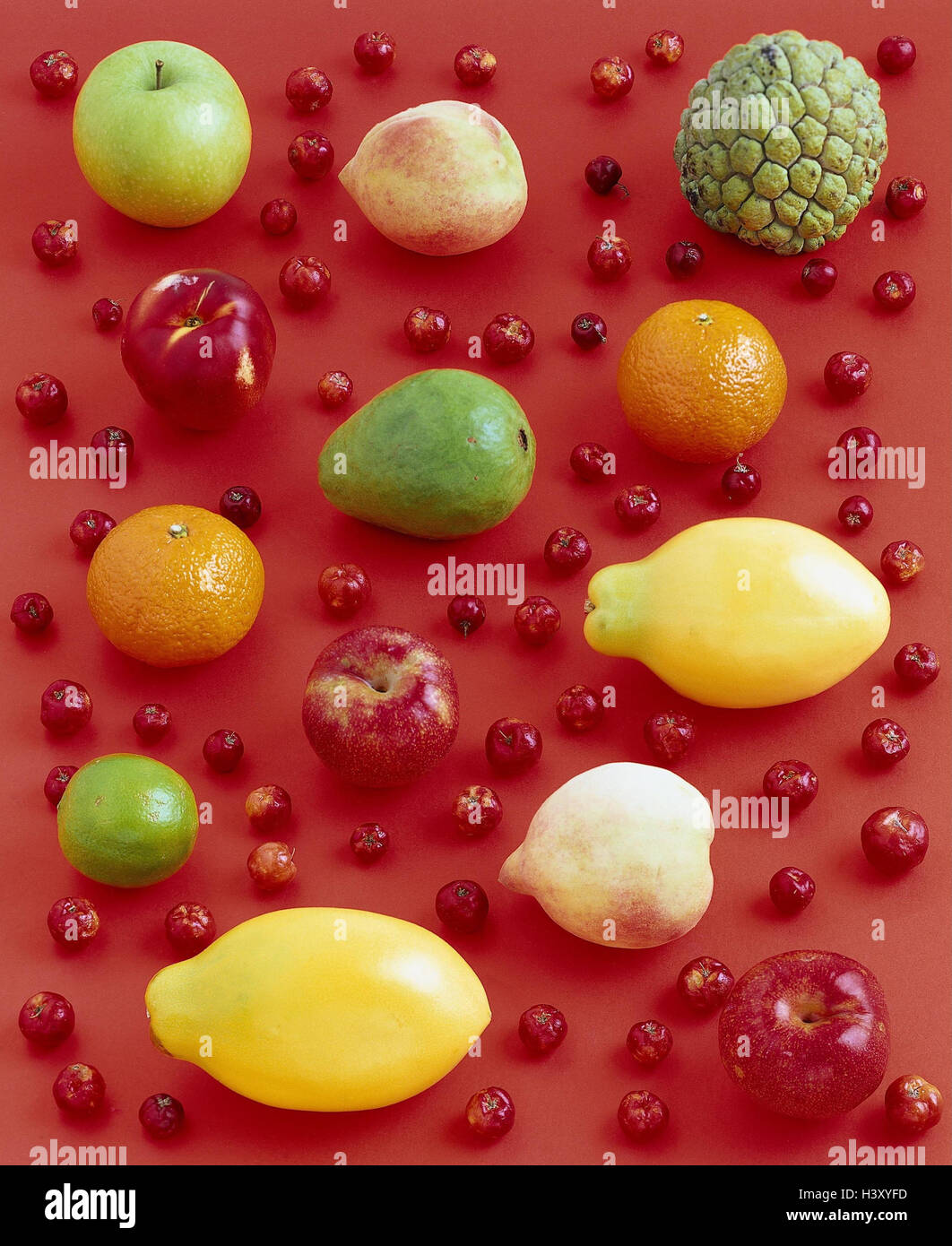
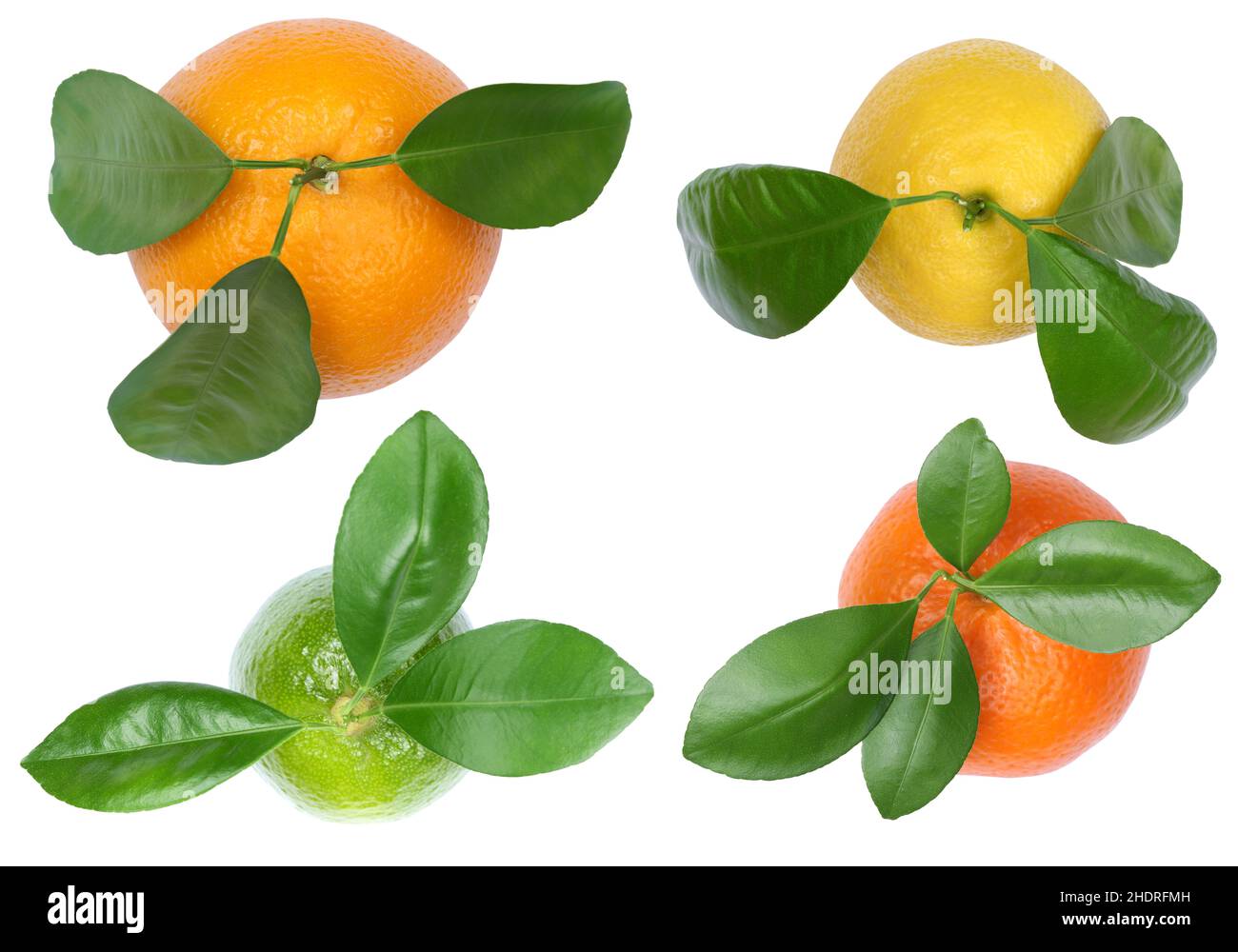
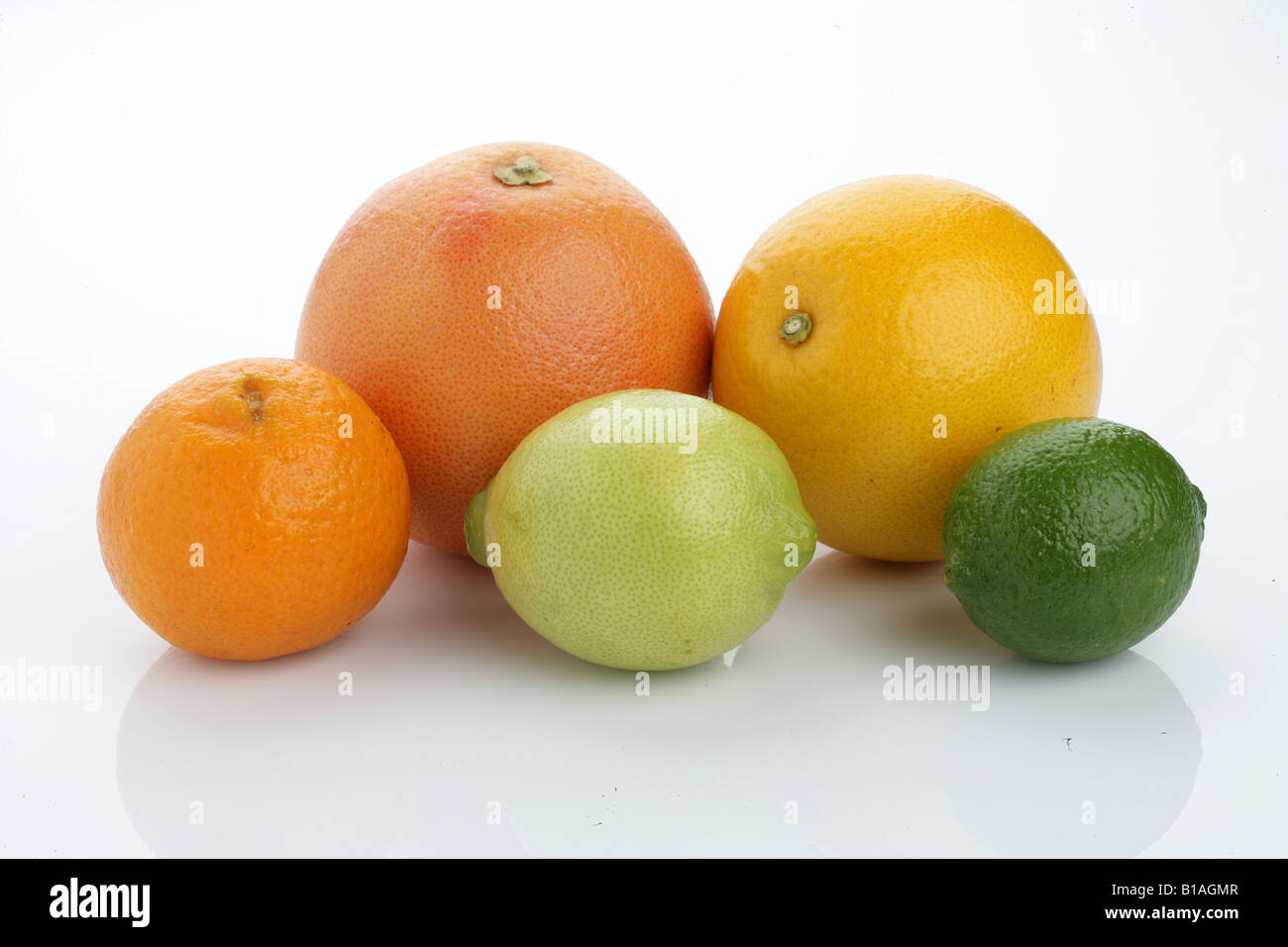
Botanically speaking, citrus fruits are indeed a specialized type of berry known as a hesperidium. While culinary definitions often separate oranges and lemons from "berries" like strawberries, botanical science classifies any fleshy fruit produced from a single ovary as a berry. Citrus fruits meet these criteria perfectly, possessing a thick rind and segmented, juicy interior.
Defining the Botanical Berry
To understand why a grapefruit or a lime is scientifically a berry, one must first look at the strict botanical definition of the term. In the world of plant biology, a berry is a simple fleshy fruit that develops from a single ovary of a single flower. For a fruit to qualify as a berry, it must typically possess three distinct layers of the "pericarp" (the fruit wall): an outer skin (exocarp), a fleshy middle (mesocarp), and an innermost layer (endocarp) that houses the seeds.
Unlike many other fruits, berries do not have a "stone" or a pit like a peach or a cherry (which are drupes). Instead, the seeds are usually embedded directly within the fleshy pulp. By this definition, many fruits that we do not call berries in the grocery store—such as tomatoes, bananas, watermelons, and even eggplants—are technically berries. Conversely, many fruits we do call berries, such as strawberries and raspberries, fail this botanical test because they develop from multiple ovaries.
Citrus fruits follow the berry blueprint but with a unique evolutionary twist. They are categorized as hesperidia (singular: hesperidium), which is a subdivision of berries characterized by a leathery, oily rind and a segmented interior filled with juice-laden vesicles.
The Anatomy of a Hesperidium
The structure of citrus fruits is a marvel of biological engineering, designed to protect the seeds and provide a high-concentration delivery system for nutrients and hydration. When we peel an orange, we are interacting with a complex three-part pericarp system that defines its status as a specialized berry.
The Exocarp: The Flavedo
The outermost layer of a citrus fruit, often called the "zest" or the "flavedo," is the exocarp. This layer is tough, leathery, and packed with multicellular glands containing essential oils. These oils, such as limonene, serve as a defense mechanism against insects and microbial pathogens. The vibrant colors of the flavedo—ranging from deep orange to bright yellow—are the result of carotenoids that develop as the fruit ripens and temperatures fluctuate.
The Mesocarp: The Albedo
Beneath the colorful zest lies the "albedo," the white, spongy layer known as the mesocarp. In citrus berries, the mesocarp is notably different from the succulent flesh found in a grape or a tomato. Instead of being juicy, it is fibrous and rich in pectin and cellulose. This layer acts as a shock absorber, protecting the delicate juice segments inside from physical damage while the fruit hangs on the tree or falls to the ground.
The Endocarp: The Segments
The innermost layer, the endocarp, is the part we consume most frequently. It is divided into several "locules" or segments. Each segment is lined with a thin membrane and filled with thousands of tiny juice sacs called vesicles. These vesicles are actually modified hairs (trichomes) that have become enlarged and filled with liquid. This is a defining feature of the citrus berry; no other berry type utilizes modified hairs to store its juice in such a compartmentalized fashion.
Why Common "Berries" Often Fail the Botanical Test
One of the most confusing aspects of plant taxonomy is the divergence between culinary language and scientific classification. To understand why citrus fruits are berries, it helps to examine why many traditional "berries" are not.
As of 2026, the scientific consensus remains firm on the distinction between true berries and aggregate fruits. A strawberry, for example, is an "aggregate accessory fruit." It develops from a single flower but that flower has many separate ovaries. The actual "fruits" of a strawberry are the tiny yellow specks on the outside (called achenes), while the red fleshy part is actually enlarged receptacle tissue.
Similarly, raspberries and blackberries are "aggregate fruits" composed of many tiny drupelets. Each small bump on a raspberry is technically a miniature stone fruit, similar to a tiny plum. Because they come from multiple ovaries within a single flower, they cannot be classified as true berries. Citrus, despite its large size and thick skin, fulfills the requirement of originating from a single ovary, making its classification as a berry more scientifically accurate than that of a strawberry.
Comparative Analysis of Fruit Types
To clarify where citrus sits in the hierarchy of fruit classification, the following table compares common fruits based on their botanical structures as understood in 2026.
| Fruit Name | Botanical Classification | Is it a Berry? | Defining Characteristic |
|---|---|---|---|
| Orange | Hesperidium | Yes | Single ovary; leathery rind; juice vesicles. |
| Blueberry | Epigynous Berry | Yes | Developed from an inferior ovary; fleshy throughout. |
| Banana | Berry | Yes | Single ovary; fleshy; seeds embedded in pulp. |
| Tomato | Berry | Yes | Fleshy fruit; multiple seeds; no stony pit. |
| Strawberry | Aggregate Accessory | No | Multiple ovaries; flesh is receptacle tissue. |
| Raspberry | Aggregate (Drupelets) | No | Collection of small drupes from one flower. |
| Cherry | Drupe | No | Single seed enclosed in a hard stony endocarp. |
| Watermelon | Pepo (Modified Berry) | Yes | Single ovary; hard outer rind; fleshy interior. |
The Evolutionary Origin of the Citrus Berry
The classification of citrus as a berry is rooted in its evolutionary history. Genetic mapping and botanical research through the mid-2020s have confirmed that most modern citrus varieties are hybrids of a few "ancestral" species: the pomelo (Citrus maxima), the mandarin (Citrus reticulata), and the citron (Citrus medica).
These ancestral species developed the hesperidium structure as an adaptation to their native environments in Southeast Asia. The thick, oily rind (the flavedo and albedo) evolved to prevent dehydration in fluctuating climates and to deter herbivores with bitter compounds and pungent oils. By compartmentalizing the seeds into segments protected by juice vesicles, the citrus plant ensured that even if one part of the fruit was damaged or infected, the remaining seeds might survive.
This protective "berry" design allowed citrus to travel across the globe. Today, the diversity of the citrus family—from the massive pomelo to the tiny kumquat (which is unique because its rind is sweet rather than bitter)—all maintain the fundamental hesperidium berry structure.
The Role of the Ovary in Citrus Classification
A critical factor in designating citrus as a berry is the position and development of the ovary. In citrus flowers, the ovary is "superior," meaning it sits above the attachment point of the petals and sepals. As the flower is pollinated, this single ovary begins to swell.
Inside the ovary are several chambers (carpels). As the fruit matures, these carpels become the segments we recognize in a lemon or grapefruit. Because the entire fruit wall (the peel and the flesh) develops from the walls of this single ovary, it fits the strict scientific criteria of a berry.
This differs from "pomes," such as apples and pears. In an apple, much of the flesh we eat is derived from the "hypanthium," a tube-like structure that supports the flower, rather than the ovary itself. This makes the apple an "accessory fruit" rather than a true berry. Citrus, by contrast, is a "pure" fruit in botanical terms, as almost the entire structure is derived from the ovary.
Practical Implications of the Classification
While knowing that a lemon is a berry might seem like trivial knowledge, it has practical applications in agriculture, food science, and botany.
- Agricultural Management: Understanding that citrus is a hesperidium helps farmers manage pest control. Since the essential oils are stored in the exocarp, certain pests are naturally repelled, but others have evolved specifically to pierce this oily layer.
- Post-Harvest Handling: The white albedo (mesocarp) provides structural integrity. Knowledge of this layer's thickness—which varies by species—is essential for determining how well a fruit will survive shipping and mechanical handling.
- Nutritional Extraction: Because the juice is stored in vesicles (modified hairs) rather than being loose in the flesh like a grape, different extraction methods are required to produce juice without releasing the bitter oils from the rind or the piths.
Frequently Asked Questions
Is a lemon a berry?
Yes, a lemon is botanically a berry. Specifically, it is a sub-type of berry called a hesperidium. It develops from a single ovary and contains seeds embedded in fleshy pulp, satisfying the scientific requirements for berry classification despite its acidic taste and thick rind.
Why don't we call oranges berries in daily life?
The term "berry" in common language is a culinary category, not a scientific one. Culinally, berries are small, sweet, and usually lack a thick peel. Because oranges are large and require peeling, they were categorized separately from small fruits like blueberries or currants long before modern botanical taxonomy was established.
Are all citrus fruits hesperidia?
Yes, all members of the Citrus genus, as well as closely related genera like Fortunella (kumquats) and Poncirus (trifoliate orange), produce fruits that are classified as hesperidia. This structure—the oily flavedo, white albedo, and segmented endocarp—is a signature trait of the Rutaceae family.
If an orange is a berry, is a pumpkin also a berry?
Yes, a pumpkin is a specialized type of berry called a pepo. Like the hesperidium, a pepo has a thick outer rind, but it develops from an "inferior" ovary (where the floral parts are attached at the top of the fruit). Both are scientifically berries because they are fleshy fruits produced from a single ovary.
What is the smallest citrus berry?
The smallest citrus fruit is generally considered to be the berry-like fruit of the Glycosmis genus or certain wild varieties of kumquats. Some of these are small enough to be eaten whole, rind and all, more closely resembling the common culinary idea of a berry while maintaining the internal hesperidium structure.
Summary and Next Actions
Understanding the botanical classification of citrus fruits reveals a fascinating disconnect between scientific reality and everyday language. In 2026, as our understanding of plant genetics and morphology continues to refine, the classification of the orange, lemon, and lime as berries (hesperidia) remains a foundational fact of plant biology.
For those interested in exploring this topic further:
- Observe Anatomy: The next time you peel a citrus fruit, identify the flavedo, albedo, and the juice vesicles (modified hairs).
- Compare Species: Look at a tomato and a lemon side-by-side; notice how both lack a central pit and have seeds distributed within a fleshy interior.
- Explore Taxonomy: Research other "false berries" to see how common names often mislead us about the true biological nature of the food we consume.