Cold calling remains a highly effective sales strategy in 2026, provided it is executed as a data-driven, personalized engagement rather than a high-volume "numbers game." While response rates for unsolicited outreach have shifted, the ability to establish immediate human rapport makes cold calling an indispensable tool for high-ticket B2B transactions and complex service offerings.
The Evolution of Outreach: From Volume to Veracity
To understand the effectiveness of cold calling in 2026, one must look at how the discipline has transformed over the last decade. The era of the "boiler room" sales floor, where representatives made hundreds of blind calls daily, has been replaced by a surgical approach powered by intent data and predictive analytics. The fundamental shift lies in the transition from quantity to quality.
In the past, sales teams relied on sheer volume to overcome low conversion rates. Today, the integration of Artificial Intelligence (AI) and advanced Customer Relationship Management (CRM) systems allows sales development representatives (SDRs) to identify exactly when a prospect is most likely to be receptive. This means that while a representative might make fewer calls than their predecessors in 2010 or 2018, the probability of a successful "connect" and subsequent meeting booking is significantly higher.
The modern cold call is rarely the first point of contact. It is usually part of a sophisticated multi-channel cadence. In 2026, effectiveness is measured by how well a call complements a sequence of LinkedIn engagements, personalized video messages, and targeted email content. When a prospect answers the phone, they should ideally already recognize the caller’s name or brand, effectively turning a "cold" call into a "tepid" one.
The Psychological Advantage of Voice Interaction
Despite the proliferation of AI chatbots and asynchronous communication tools, the human voice remains a powerful instrument for building trust. In high-stakes business environments, the nuances of tone, pacing, and empathy cannot be replicated by text-based communication.
Building Immediate Rapport
A phone call allows for real-time adjustment. If a prospect sounds stressed or hurried, a skilled caller can pivot their approach, offer to call back at a better time, or shorten their pitch to respect the prospect's schedule. This level of emotional intelligence is what keeps cold calling relevant. It demonstrates a level of professional persistence and personal investment that a mass-sent email lacks.
Overcoming the "Delete" Reflex
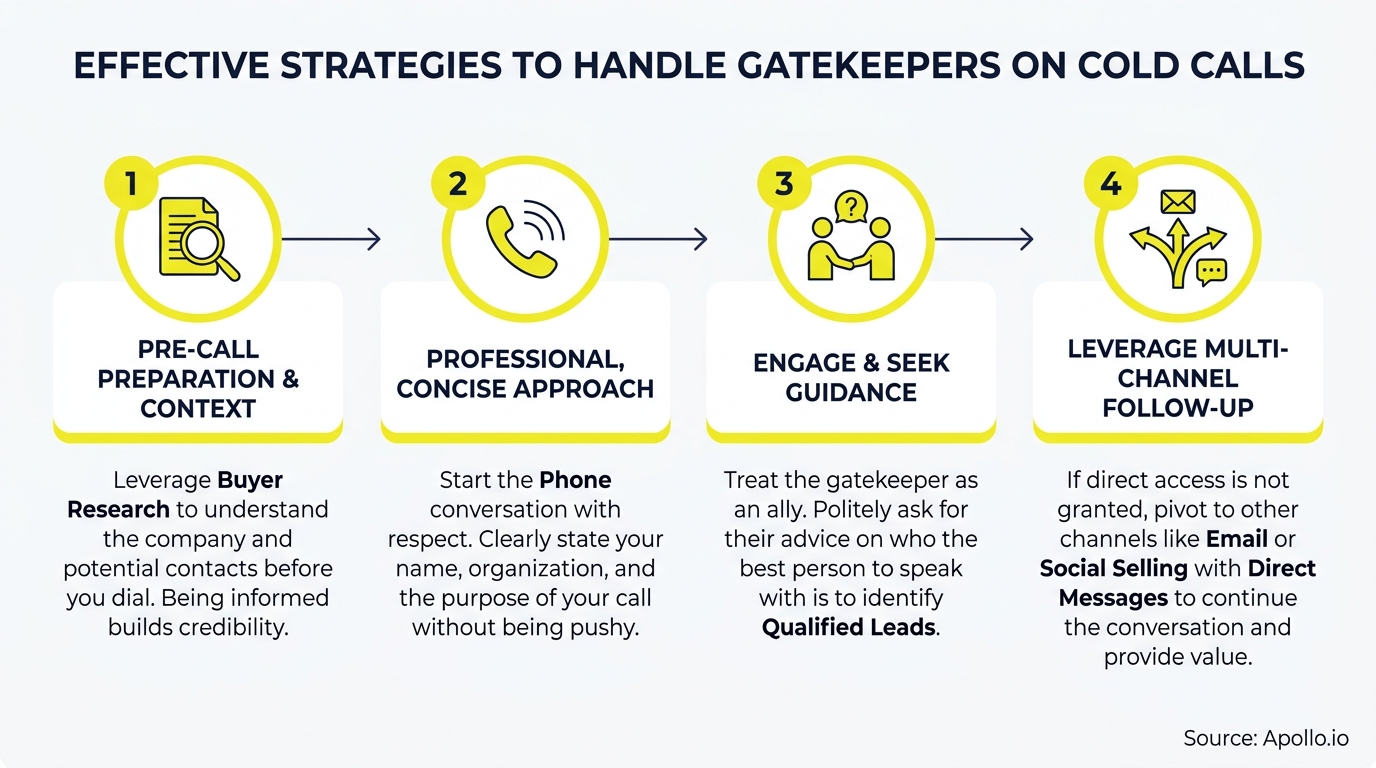
It takes a fraction of a second to delete an email or ignore a social media notification. Engaging someone in a live conversation, however, creates a social contract. While "gatekeepers" and voicemail systems have become more robust, a successful connection provides a window of 30 to 60 seconds where a salesperson has the prospect’s undivided attention—a luxury that is increasingly rare in the fragmented digital landscape of 2026.
Integrating AI and Intent Data for Maximum Impact
The primary reason cold calling remains effective in 2026 is the emergence of "intent signaling." Sales teams no longer call through a static list of names. Instead, they utilize platforms that monitor digital footprints to identify companies actively researching specific solutions.
Predictive Dialing and Revenue Intelligence
Modern revenue intelligence platforms analyze thousands of successful calls to provide real-time feedback to SDRs. During a call, AI can suggest talking points based on the prospect's objections or highlight specific product features that align with the prospect's known pain points. This technology has removed much of the guesswork, allowing representatives to focus on the human element of the conversation while the machine handles the data retrieval.
Verification and Deliverability
The effectiveness of cold calling was threatened by the rise of "spam" labeling and call-blocking technologies. However, in 2026, reputable sales organizations use branded communication protocols (such as STIR/SHAKEN updates) to ensure their company name and logo appear on the prospect’s screen. This transparency has actually improved answer rates for legitimate B2B callers, as it separates professional outreach from anonymous robocalls.
Comparing Cold Calling to Other Sales Channels
To determine if cold calling is the right investment for a business in 2026, it is helpful to compare it against other common lead generation methods.
| Feature | Cold Calling (Modern) | Email Marketing | Social Selling (LinkedIn) | PPC/Inbound Ads |
|---|---|---|---|---|
| Speed of Feedback | Immediate | Delayed (Hours/Days) | Moderate | Immediate Data |
| Personalization Level | High (Real-time) | Medium (Variable) | High | Low |
| Cost Per Lead | Moderate to High | Low | Moderate | High |
| Scalability | Linear (Requires Staff) | High (Automated) | Moderate | High (Budget-based) |
| Conversion Depth | High (Bridges to Demo) | Low (Initial Interest) | Moderate | Variable |
Best Practices for Cold Calling Success in 2026
If the goal is to maintain high effectiveness, sales teams must adhere to a strict set of modern standards. The "hard sell" techniques of the past are not only ineffective but can actively damage a brand’s reputation.
1. The Research-First Mandate
Before dialing, an SDR must know the prospect’s recent professional milestones, the challenges facing their specific industry, and how their product solves a specific, verified problem. In 2026, "winging it" is a recipe for failure. Effective callers use the first 10 seconds to prove they have done their homework, which immediately lowers the prospect's natural defenses.
2. Mastering the "Pattern Interrupt"
Because prospects are accustomed to standard telemarketing scripts, effective cold calling requires a pattern interrupt. This involves using an opening line that deviates from the expected "How are you today?" Instead, leading with a provocative question about a recent industry shift or a specific observation about the prospect’s department can engage the brain's curiosity center.
3. Permission-Based Openers
A hallmark of successful 2026 outreach is the permission-based opener. Phrases like, "I know I caught you in the middle of your day; do you have 45 seconds for me to explain why I'm calling, and you can decide if it's worth continuing?" give the prospect a sense of control. Paradoxically, giving someone the "out" often makes them more willing to listen.
Legal Compliance and Ethical Outreach
The landscape of 2026 is defined by strict data privacy regulations. In the United States, the Telephone Consumer Protection Act (TCPA) has been augmented by state-level privacy laws, while the EU’s GDPR continues to evolve.
Effective cold calling in this environment requires rigorous list hygiene. Sales organizations must ensure they are not calling numbers on the National Do Not Call Registry (for B2C) and that their B2B outreach falls under the "legitimate interest" clauses of privacy frameworks. Using an authorized, clean database is not just a legal requirement—it is a foundational component of effectiveness. Calling the wrong person or a disconnected number is a waste of the most expensive resource in a sales department: time.
Common Pitfalls That Reduce Effectiveness
Despite its potential, many companies find cold calling "ineffective" because they fall into avoidable traps.
- Reliance on Scripts over Frameworks: Rigid scripts sound robotic. Successful teams use frameworks that provide key talking points but allow the representative to speak naturally.
- Poor Timing: Dialing at random times leads to low answer rates. Data shows that in 2026, specific windows—often mid-week, mid-morning, or late afternoon—yield significantly higher engagement.
- Failure to Handle Objections: Most cold calls end at the first "not interested." Effectiveness is found in the "second and third effort"—the ability to empathize with the objection and provide a compelling reason to stay on the line without being aggressive.
The Role of Training and Skill Development
As cold calling has become more technical and specialized, the "skill floor" has risen. In 2026, an effective cold caller is a mix of a researcher, a psychologist, and a consultant. Continuous training is mandatory. This includes role-playing scenarios, reviewing call recordings for "tonal shifts," and staying updated on the latest industry-specific terminology. Organizations that treat cold calling as a low-skill, entry-level task often see the lowest returns. Conversely, those who view it as a high-skill discipline see it as their most consistent source of new pipeline.
FAQ
Q: Is cold calling still legal for B2B sales in 2026? A: Yes, cold calling remains legal for B2B purposes in most jurisdictions, including the US and UK, provided that the caller adheres to specific regulations. This includes honoring "opt-out" requests immediately and ensuring the outreach is conducted for a legitimate business reason. Always check local regulations like the TCPA or GDPR for specific compliance requirements.
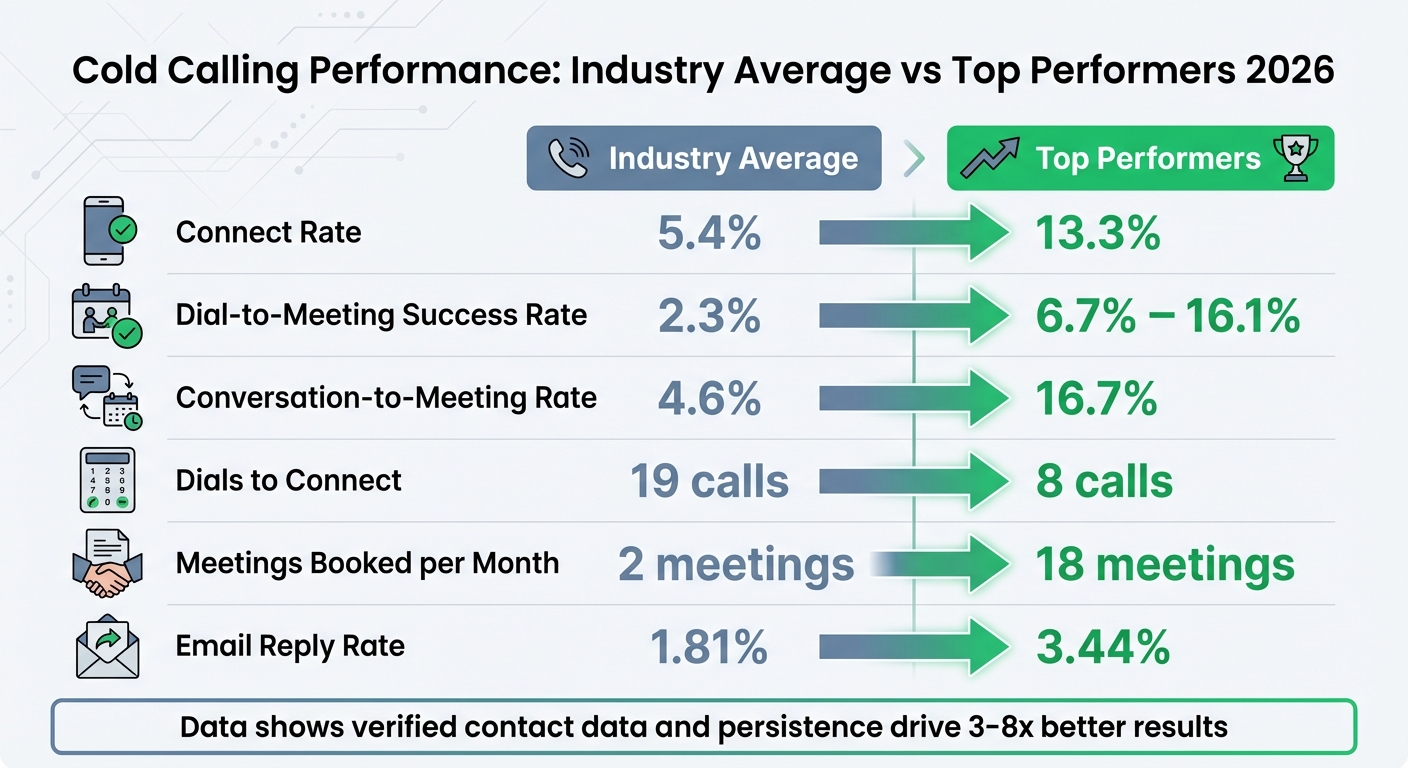
Q: What is a "good" connect rate for cold calls today? A: In 2026, a "connect rate" (the percentage of calls where a human answers) typically ranges between 5% and 15% for targeted B2B lists. While this may seem low, the high value of a successful conversion in enterprise sales often justifies the effort. Utilizing branded caller ID and high-quality data can push these numbers toward the higher end of the spectrum.
Q: Can AI replace human cold callers entirely? A: While AI-generated voice agents have improved, they are currently most effective for simple tasks like appointment reminders or basic qualification. For complex sales requiring empathy, deep tactical knowledge, and nuanced objection handling, human callers remain significantly more effective. AI is best used as an "assistant" rather than a replacement.
Q: How many times should you call a prospect before giving up? A: Data suggests that it often takes 6 to 8 attempts to reach a prospect. Most salespeople give up after two attempts, which is where the "ineffectiveness" myth stems from. An effective strategy involves a persistent but respectful cadence of calls spread over several weeks, interspersed with other communication channels.
Q: Does cold calling work for small businesses or just large enterprises? A: Cold calling is effective for any business where the "Customer Lifetime Value" (CLV) is high enough to justify the time spent on the phone. It is particularly effective for small businesses targeting local markets or niche industries where a personal touch can differentiate them from larger, more impersonal competitors.
Practical Recommendation: Implementing a "Smart Outreach" Model
To maximize the effectiveness of your cold calling efforts in 2026, move away from isolated calling sessions. Instead, adopt a "Smart Outreach" model. Begin by identifying a "Micro-Segment"—a small group of 20-30 prospects who share a very specific problem. Engage with their content on social platforms for three days, send a personalized email on the fourth day, and place your first cold call on the fifth day. By the time you pick up the phone, you are no longer a stranger; you are a professional who has demonstrated consistent interest in their success. This integrated approach ensures that when you do make a call, it isn't just a shot in the dark—it is a strategic move in a well-orchestrated sales process.