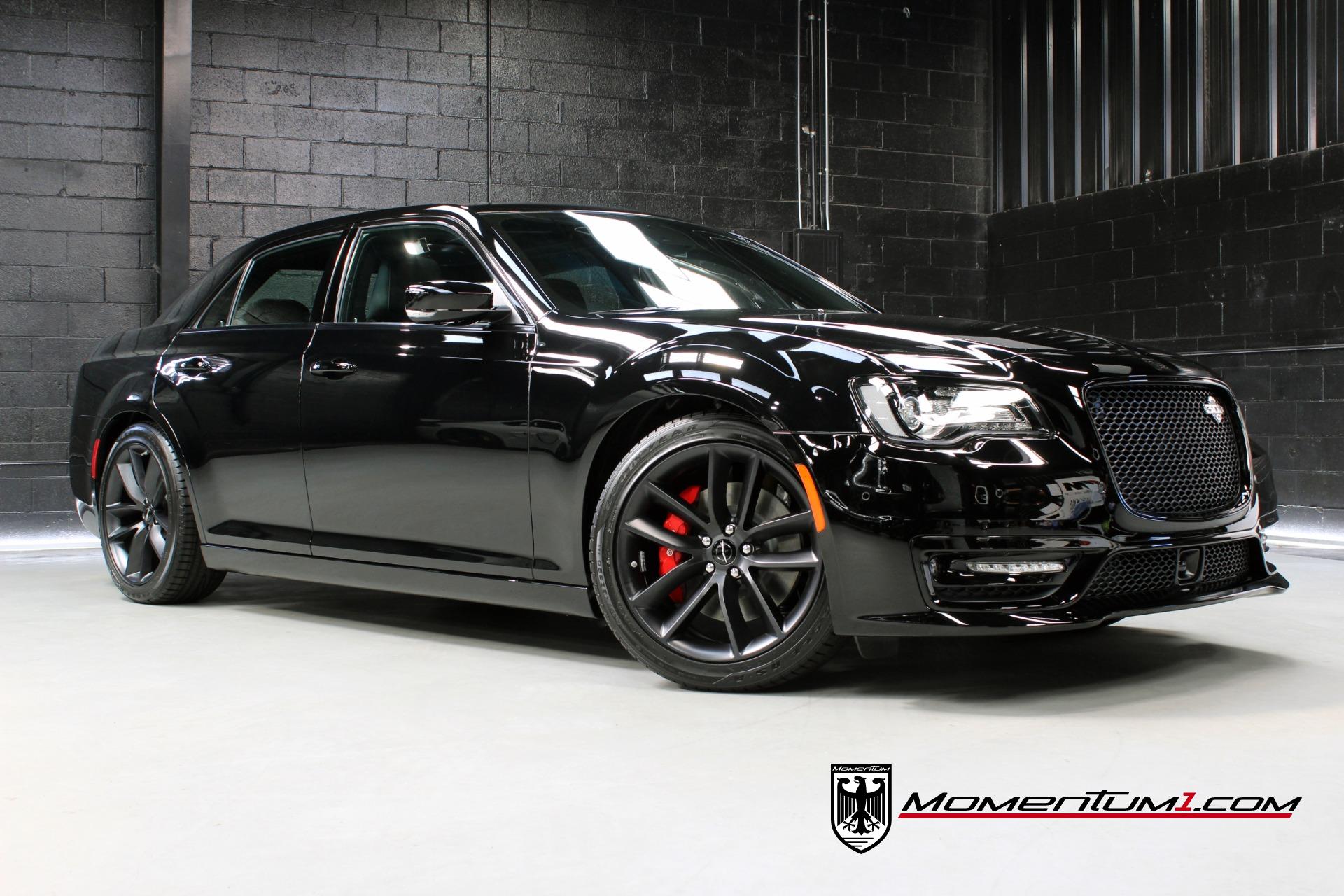
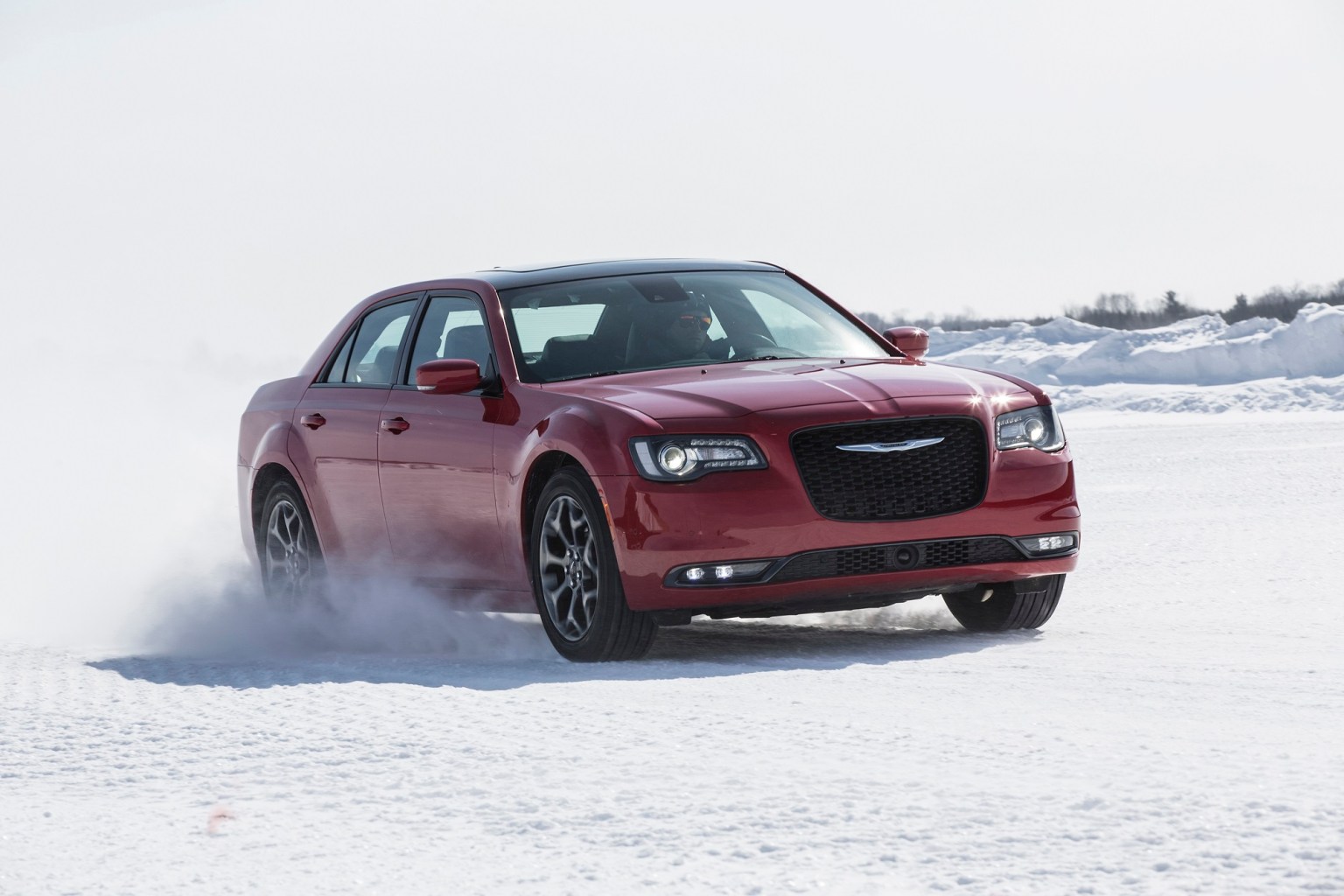
The Chrysler 300 is generally considered a moderately reliable full-size sedan, with its long-term dependability largely depending on the specific model year and engine choice. While earlier versions faced criticism for interior quality and transmission shifts, the second-generation models (2011–2023) benefit from a proven platform and robust powertrains. For buyers in 2026 looking at the used market, a well-maintained Chrysler 300 can easily surpass 200,000 miles, provided common issues like cooling system leaks and suspension wear are addressed.
Understanding the Chrysler 300 Reliability Landscape
To evaluate the reliability of the Chrysler 300, one must first recognize its longevity in the automotive market. The vehicle transitioned through various ownership eras of its parent company, eventually being discontinued in late 2023. By 2026, the youngest models on the road are three years old, while the bulk of the available inventory consists of the "LD" platform generation introduced in 2011.
The Chrysler 300’s reliability is built on a foundation of "proven but aging" technology. It utilizes a rear-wheel-drive architecture (with optional AWD) that traces some of its lineage back to Mercedes-Benz components from the early 2000s. This architecture is heavy and sturdy, but it places significant stress on steering and suspension components.
Statistically, major reliability aggregators like J.D. Power have frequently awarded the Chrysler 300 scores in the "Great" category (often between 80 and 90 out of 100) for quality and reliability in its later production years. However, Consumer Reports has often been more critical, citing frequent "minor" issues that can frustrate owners even if the engine and transmission remain functional.
The Heart of the Matter: Engine Reliability
The Chrysler 300 was primarily offered with two main engines: the 3.6L Pentastar V6 and the 5.7L HEMI V8. Understanding the nuances of these powerplants is essential for determining long-term dependability.
The 3.6L Pentastar V6
This is the most common engine found in the 300. It is a workhorse used across the entire Stellantis (formerly FCA) lineup, from Jeep Wranglers to Ram 1500s.
- Pros: It is a naturally aspirated engine, meaning it lacks the complexity of turbochargers. It provides adequate power and has a relatively simple design that most independent shops can service.
- Cons: The most notorious issue is the oil filter housing leak. The housing is made of plastic and sits in the "V" of the engine. Over time, heat cycles cause the plastic to crack or the seals to fail, leading to oil pools on top of the engine or leaks onto the transmission. In 2026, many aftermarket aluminum replacements are available to permanently solve this.
- The "Pentastar Tick": Some early to mid-production V6 engines suffered from rocker arm failure. If left unaddressed, this can damage the camshaft, leading to an expensive "ticking" noise and potential engine misfires.
The 5.7L HEMI V8
The HEMI is favored for its power and smooth highway cruising, but it comes with its own set of reliability considerations.
- The "HEMI Tick": Unlike the V6 tick, the V8 tick is often attributed to two things: broken manifold bolts (common and relatively easy to fix) or lifter failure (serious and expensive). Lifter failure occurs when the needle bearings in the roller lifter seize, subsequently grinding down the camshaft lobe.
- Multi-Displacement System (MDS): This system deactivates four cylinders during highway cruising to save fuel. While generally reliable, high-mileage units can experience solenoid failures or oil-related issues if the owner did not adhere strictly to the recommended 5W-20 oil weight.
Transmission Evolution and Performance
Transmission reliability in the Chrysler 300 is divided into two eras: the early 5-speed Mercedes-derived unit and the later 8-speed ZF-designed "TorqueFlite."
The 5-speed automatic (W5A580) used in older V8 models and early V6 models is nearly bulletproof. It is a heavy-duty transmission capable of handling high torque, though it lacks the fuel efficiency and smoothness of modern gearboxes.
The 8-speed automatic (845RE / 8HP45 / 8HP70), introduced for the V6 in 2012 and the V8 in 2015, is widely considered one of the best automatic transmissions in the world. Designed by ZF, it offers lightning-fast shifts and significantly improved fuel economy. From a reliability standpoint, these units are excellent, though they are "sealed for life" according to the manual. Most mechanics in 2026 recommend a fluid and filter change every 60,000 to 80,000 miles to ensure the solenoids remain clean and functional.
Common Problems and Failure Points
Despite its robust mechanicals, the Chrysler 300 has several documented "weak spots" that prospective owners should investigate.
1. Suspension and Steering Wear
The Chrysler 300 is a heavy car, often weighing over 4,000 pounds. This mass takes a toll on the front-end components.
- Control Arms and Bushings: It is common to hear "clunking" sounds over bumps. This usually indicates that the tension struts or lower control arm bushings have torn.
- Tie Rod Ends: These often require replacement before the 100,000-mile mark.
2. Cooling System Vulnerabilities
The cooling system uses several plastic components that become brittle with age.
- Thermostat Housing: These are prone to leaking or sticking.
- Water Pumps: On both the V6 and V8 engines, water pumps are known to fail between 70,000 and 100,000 miles. A failing pump usually gives a warning through a faint "whirring" sound or a visible pinkish crust around the pulley.
3. Electrical and Infotainment Issues
The Uconnect 8.4-inch touchscreen system is generally praised for its ease of use, but it is not without faults.
- Screen Delamination: On models produced between 2017 and 2021, the adhesive holding the screen layers together can fail. This creates a "ghosting" effect where the screen registers touches that aren't happening, or it may look like there is a "bubble" or "leak" inside the display.
- Battery Sensitivity: The Chrysler 300 is highly sensitive to voltage drops. An aging battery can trigger a cascade of "Service AWD" or "Electronic Throttle Control" warning lights that are often false alarms.
Reliability Comparison: Chrysler 300 vs. Competitors
| Feature | Chrysler 300 (2015-2023) | Toyota Avalon | Dodge Charger | Chevrolet Impala |
|---|---|---|---|---|
| Powertrain Reliability | High (V6) / Moderate (V8) | Very High | High (V6) / Moderate (V8) | Moderate/High |
| Common Major Repair | Oil Filter Housing | Hybrid Battery (if applicable) | Suspension Bushings | Shift Cable / Actuators |
| Interior Durability | Moderate | High | Moderate | Moderate |
| Average Annual Maintenance | $600 - $850 | $450 - $550 | $600 - $850 | $550 - $700 |
| High Mileage Potential | 200,000+ Miles | 300,000+ Miles | 200,000+ Miles | 180,000+ Miles |
Maintenance Requirements for Longevity
To keep a Chrysler 300 reliable as it ages toward 2026 standards, a proactive maintenance schedule is non-negotiable. Because this vehicle is based on a large-displacement engine philosophy, it is less forgiving of neglected oil changes than a small four-cylinder engine might be.
- Oil Changes: Use high-quality synthetic oil every 5,000 to 7,000 miles. For HEMI owners, using the correct 5W-20 weight is critical for the lifters and the MDS system.
- Coolant Flushes: The OAT (Organic Additive Technology) coolant used in later models is rated for 10 years or 150,000 miles, but in practice, the plastic components of the cooling system benefit from a fresh flush and inspection every 5 years.
- Spark Plug Replacement: The 3.6L V6 uses long-life iridium plugs rated for 100,000 miles. However, the 5.7L HEMI requires 16 spark plugs (two per cylinder). In older versions, these needed replacement every 30,000 miles; later models extended this, but they should still be checked at 80,000 miles.
- Drivetrain Fluids: If you have an All-Wheel Drive (AWD) model, the transfer case and differentials require fluid changes to prevent the "shudder" that can occur during tight turns.
Safety and Recalls
When assessing reliability, safety-related recalls must be considered. The Chrysler 300 has been subject to several significant recalls over the years:
- Takata Airbags: Like many vehicles of its era, earlier 300s were part of the massive airbag inflator recall.
- Transmission Park Issues: Some models were recalled because the vehicle could roll away if not properly engaged in "Park" due to a software or shifter design issue.
- Alternator Failure: Certain 160-amp and 180-amp alternators were prone to sudden failure, which could cause the engine to stall while driving.
Owners should visit the NHTSA website to verify that all recall work has been completed on their specific VIN.
Frequently Asked Questions
How many miles can a Chrysler 300 last?
With proper maintenance, a Chrysler 300 can last between 200,000 and 250,000 miles. The engines and transmissions are physically robust; the most common reason these cars are retired is due to the accumulation of multiple smaller repairs (suspension, cooling, and electronics) that eventually exceed the vehicle's market value.
Is the Chrysler 300 expensive to repair?
Repair costs are average for the full-size sedan segment. Because the 300 shares so many parts with the Dodge Charger and Dodge Challenger, parts are plentiful and relatively affordable. However, labor can be expensive for specific tasks, such as replacing the 3.6L V6 oil filter housing, which requires removing the upper and lower intake manifolds.
Which year of the Chrysler 300 is the most reliable?
Generally, the 2015–2023 models are the most reliable. The 2015 refresh introduced the 8-speed transmission across the board and updated the interior and electronics. Specifically, the 2018–2020 models are often cited as the "sweet spot" for reliability before the supply chain issues of later years potentially affected some component quality.
Are Chrysler 300s good in the snow?
The rear-wheel-drive (RWD) models are heavy and have decent traction with winter tires, but they can be challenging in deep snow. The AWD models are excellent in winter conditions, using a system that can completely disconnect the front axle when not needed to save fuel, then re-engage it instantly when slip is detected.
Does the Chrysler 300 have many electrical problems?
Most electrical issues are confined to the Uconnect infotainment system (screen delamination) or are the result of an aging battery. The core wiring harness and computer systems of the vehicle are generally considered stable.
Final Recommendation for 2026 Buyers
If you are considering a Chrysler 300 in 2026, the reliability is high enough to make it a recommended purchase, provided you follow a specific buying strategy. Seek out a 2017 or newer model with the 3.6L V6 for the best balance of fuel economy and lower maintenance costs. If you desire the power of the 5.7L HEMI, ensure the vehicle has a complete service history showing regular oil changes to mitigate the risk of lifter issues.
Avoid "first-year" models of major changes (like 2005 or 2011) and always perform a pre-purchase inspection that specifically looks for oil leaks in the engine valley and wear in the front control arms. When these mechanical basics are covered, the Chrysler 300 serves as a comfortable, durable, and stylish long-distance cruiser.