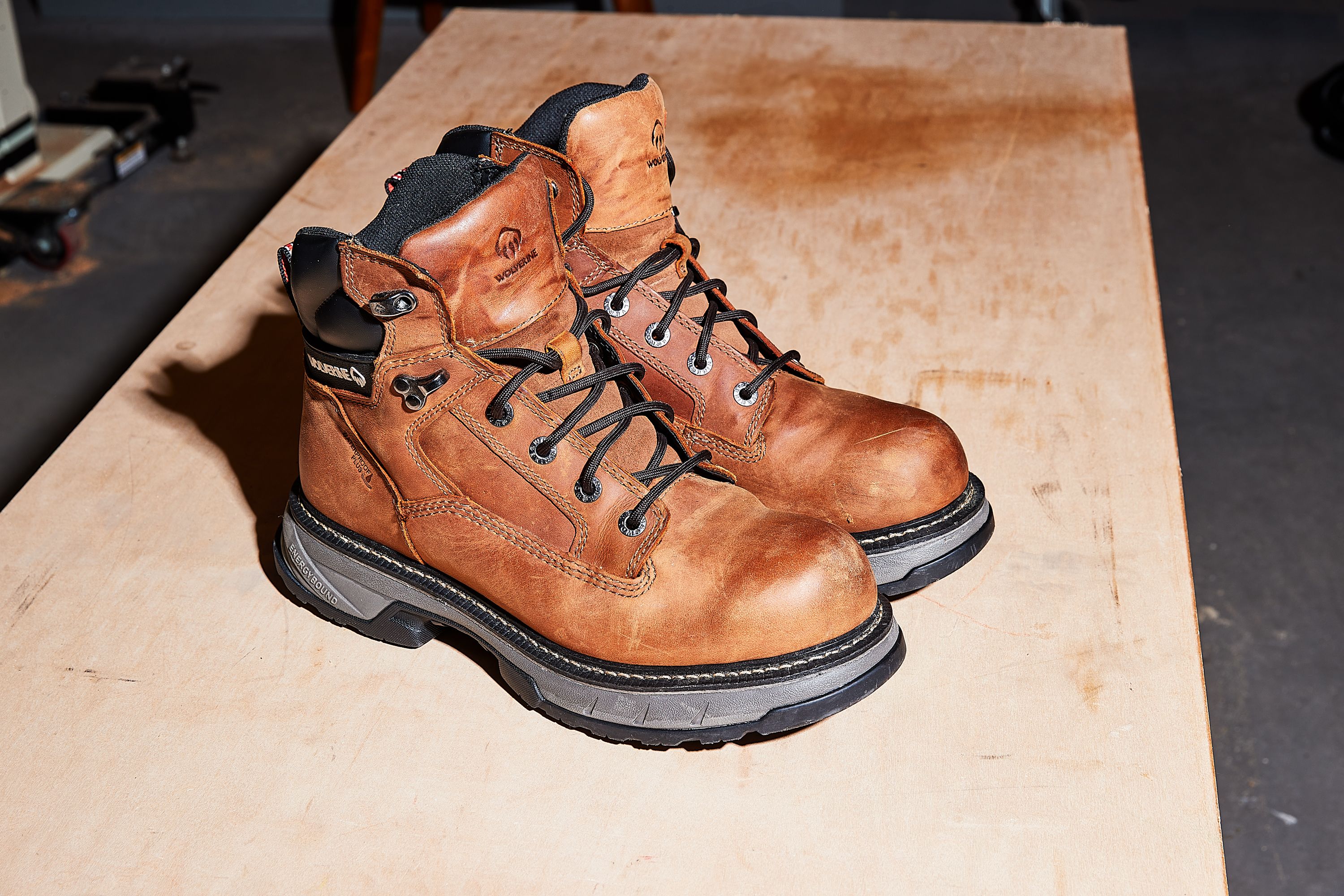
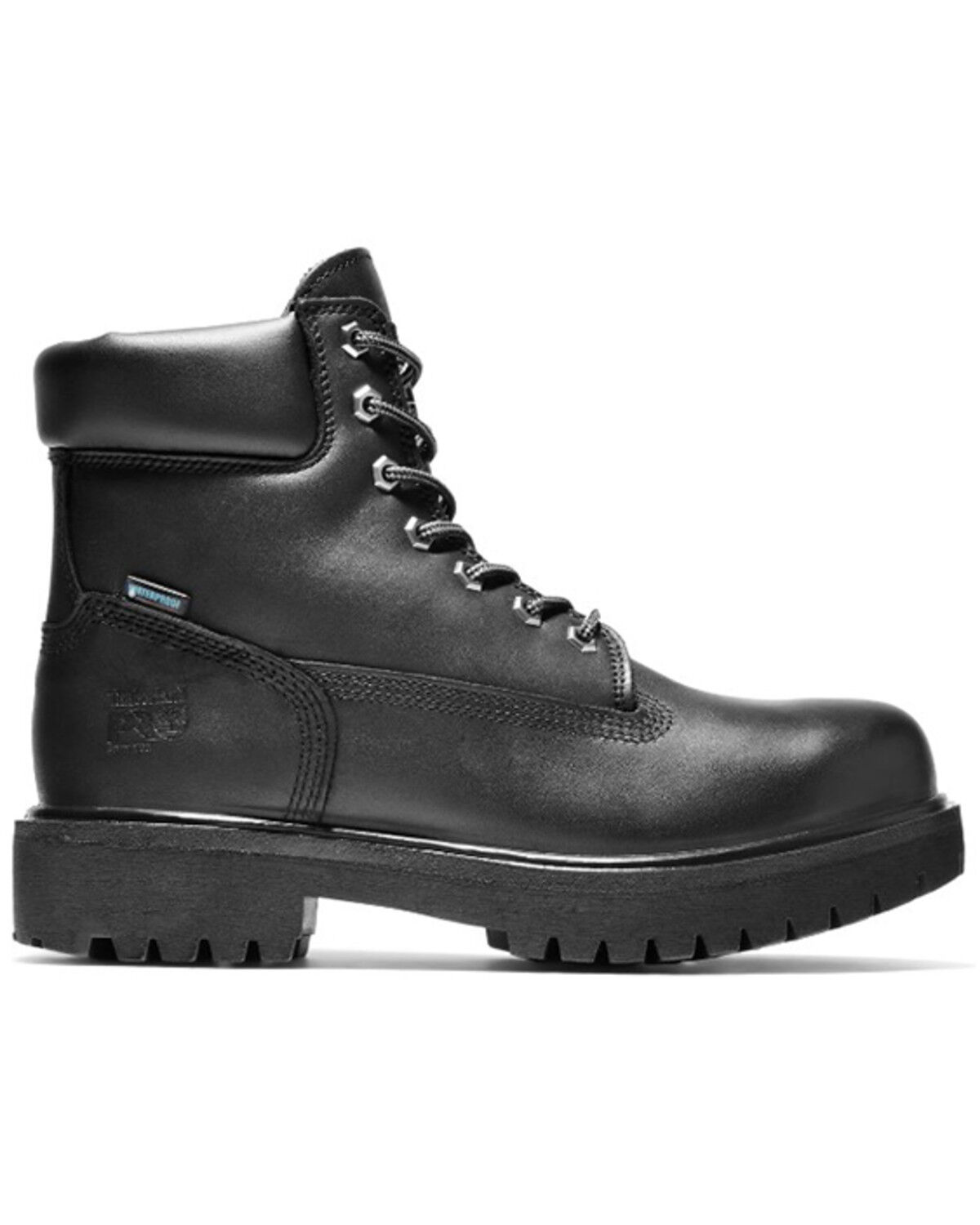
For most professional tradespeople and heavy-duty users, cheap work boots are generally not worth the investment. While the low upfront price of $50 to $80 is tempting, these boots often fail within four to six months of daily use, leading to higher long-term costs. Furthermore, budget footwear frequently lacks the ergonomic support required to prevent chronic foot, knee, and back pain, making them a liability for your physical health.
Defining "Cheap" in the 2026 Footwear Market
To understand the value proposition of a work boot, we must first establish the current market tiers as they exist in 2026. Inflation and advancements in material science have shifted the price brackets significantly over the last decade.
- Budget Tier ($50 – $90): These are typically found in big-box retail stores. They often use "genuine leather" (which is a specific, low-grade classification), cemented (glued) soles, and synthetic linings that offer poor breathability.
- Mid-Range Tier ($100 – $180): This is the most crowded segment. These boots usually offer better safety features, such as composite toes and basic moisture-wicking membranes, but may still rely on mass-production construction methods that limit their lifespan.
- Premium/Professional Tier ($200 – $450+): These boots are characterized by full-grain leather, Goodyear welt construction, and advanced ergonomic footbeds. They are designed to be resoled rather than replaced, often lasting years if properly maintained.
When we ask if "cheap" boots are worth it, we are specifically looking at the Budget Tier. These products are engineered for the occasional DIYer or the temporary worker rather than the person spending 10 to 12 hours a day on a concrete slab or a construction site.
The Anatomy of a Budget Work Boot: Where Corners are Cut
Manufacturing a work boot that retails for under $80 requires significant compromises in materials and labor. Understanding these compromises is essential for evaluating whether the savings are illusory.
1. Material Quality and Leather Grading
Most cheap work boots utilize corrected-grain leather or "genuine leather." In the industry, "genuine leather" is often a marketing term for the lowest grade of usable leather, created by bonding scraps together or using the bottom split of the hide. This material lacks the natural fiber density of full-grain leather. Consequently, it is prone to cracking, peeling, and tearing under the stress of daily movement. In 2026, we also see an influx of synthetic "action leathers," which are essentially plastic-coated fabrics that offer zero breathability, leading to excessive sweating and fungal issues like athlete’s foot.
2. Construction Methods: Cemented vs. Welted
The most significant difference between a cheap boot and a quality one is how the upper is attached to the sole. Budget boots almost exclusively use cement construction. The upper is simply glued to the outsole. While this makes the boot lighter and more flexible out of the box, the glue inevitably degrades due to heat, moisture, and chemical exposure. Once the sole starts to delaminate, the boot is effectively garbage.
In contrast, premium boots use a Goodyear Welt or a Stitchdown construction. A strip of leather or plastic (the welt) is stitched to both the upper and the insole, and then the outsole is stitched to the welt. This mechanical bond is incredibly strong and allows a cobbler to remove the worn-out sole and stitch on a new one, extending the life of the boot indefinitely.
3. Internal Support and the Shank
Hidden between the insole and the outsole is the shank. This is a thin piece of material—traditionally steel, now often fiberglass or heavy-duty TPU—that provides structural integrity and arch support. Cheap boots often omit the shank entirely or use a flimsy plastic version. Without a proper shank, the boot will eventually collapse in the arch, leading to significant foot fatigue and long-term issues like plantar fasciitis.
The True Cost of Ownership: The "Vimes" Theory
Economists often cite the "Boots Theory of Socioeconomic Unfairness," which posits that a person who can only afford $50 boots will spend more over time than the person who can afford $200 boots.
If a $60 pair of boots lasts four months, a worker will spend $180 per year on footwear. If a $250 pair of high-quality boots lasts two years (24 months) and can be resoled for $80, the total cost for two years is $330. While the high-quality path seems more expensive at first glance, the $60-boot user has spent $360 over the same two-year period.
Furthermore, the "cheap" user has spent two years in boots that offer inferior protection and comfort, whereas the "premium" user has benefited from better leather, superior waterproofing, and orthotic-grade support. In 2026, the gap has widened as the environmental cost of disposing of three pairs of synthetic boots per year has led to "waste taxes" in some jurisdictions, further penalizing the budget-boot cycle.
Health Impacts: More Than Just Sore Toes
The skeletal system is a kinetic chain. When the foundation—your feet—is poorly supported, the effects radiate upward. Cheap work boots are notorious for having "dead" foam insoles. These are typically made of low-density EVA (ethylene-vinyl acetate) that compresses permanently within the first month of use.
Once the cushioning is gone, your joints absorb the impact of every step. This leads to:
- Lower Back Pain: Caused by the lack of heel stability and arch support, forcing the spine out of alignment.
- Knee Strain: Budget outsoles often lack proper slip resistance and lateral stability, causing the wearer to make micro-adjustments that strain the patellar tendons.
- Chronic Plantar Fasciitis: The lack of a rigid shank causes the plantar fascia (the tissue along the bottom of the foot) to overstretch and tear.
For a professional, the cost of a single physical therapy session or a week of lost wages due to back pain far exceeds the $150 price difference between a budget boot and a professional-grade one.
Safety Standards and Compliance
While all boots sold as "safety footwear" must meet certain jurisdictional requirements, such as ASTM F2413-18 (the current US standard for impact and compression), there is a vast difference in how those standards are met.
Cheap boots often use heavy, bulky steel toes that can create "hot spots" and rub against the wearer's foot because the manufacturer hasn't invested in ergonomic toe-cap sizing. Premium boots frequently utilize carbon fiber or asymmetrical composite toes. These meet the same safety standards but are significantly lighter and shaped to follow the natural curve of the toes, providing much-needed room during the "toe-off" phase of a step.
Additionally, budget boots rarely feature advanced protections like metatarsal guards or high-level electrical hazard (EH) ratings that remain effective after months of wear and tear.
Comparison Table: Budget vs. Premium Work Boots
| Feature | Budget Boots ($50 - $90) | Premium Boots ($200 - $450) |
|---|---|---|
| Upper Material | Corrected-grain or synthetic leather | Full-grain, oil-tanned leather |
| Construction | Cemented (Glued) | Goodyear Welt or Stitchdown |
| Resolable? | No | Yes |
| Average Lifespan | 3 – 6 Months | 2 – 5+ Years (with maintenance) |
| Arch Support | Minimal/Plastic Shank | Steel or Fiberglass Shank |
| Comfort Tech | Basic EVA Foam | Cork filling, Poron, or PU Inserts |
| Safety Toe | Basic Steel (Heavy) | Carbon Fiber or Asymmetrical Comp |
| Breathability | Low (prone to odors) | High (moisture-wicking liners) |
When Are Cheap Work Boots Actually Worth It?
Despite the drawbacks, there are specific scenarios where opting for a budget boot is a logical and "worth it" decision:
- Short-Term Temporary Work: If you have been hired for a two-week project or a seasonal gig that you do not intend to repeat, spending $300 on boots is fiscally irresponsible.
- Homeowners and Light DIYers: For the person who only wears boots three times a year to move mulch or clear brush in the backyard, a $60 pair of boots will likely last a decade. The glue will degrade eventually, but the physical wear will be negligible.
- Specific Contamination Risks: In some industrial environments involving harsh acids, biohazards, or heavy resins, boots may become contaminated or damaged beyond repair regardless of their quality. In these "disposable" environments, cheap boots are often the standard operating procedure.
- Rapidly Growing Feet: For apprentices or teenagers whose foot size is still changing, investing in premium boots that they will outgrow in six months is not practical.
Maintaining Your Investment
If you decide to move away from cheap boots, you must also adopt a maintenance routine. A $300 boot will fail just as fast as a $60 boot if it is never cleaned or conditioned. Leather is a skin; it needs moisture to remain supple.
In 2026, the use of mink oil or specialized beeswax blends is recommended every three to six months, depending on exposure to water and salt. Furthermore, using a boot dryer is the single best way to extend the life of any footwear. Moisture is the primary enemy of both glue and stitching. By drying the boots thoroughly (but not with high heat) between shifts, you prevent the growth of bacteria and the rot of internal materials.
Frequently Asked Questions
Can I make cheap work boots more comfortable with better insoles?
Yes, adding a high-quality aftermarket orthotic or gel insole can significantly improve the comfort of a budget boot. However, an insole cannot fix the lack of a structural shank or the poor quality of the outsole. While it masks the problem, it doesn't solve the underlying issues of stability and durability.
Do expensive boots require a longer break-in period?
Generally, yes. High-quality, thick full-grain leather is much stiffer than the thin, corrected-grain leather found in cheap boots. A premium boot may take 40 to 80 hours of wear to fully mold to your foot shape. However, once broken in, they provide a "custom" fit that budget boots can never achieve.
Are "brand name" cheap boots better than store brands?
Not necessarily. Many famous brands produce "budget lines" specifically for big-box retailers. These boots often trade on the brand's reputation for quality but use the same cement construction and lower-tier materials as the generic store brands. Always check the construction method (look for stitching on the sole) rather than just the logo.
How do I know if a boot is actually Goodyear welted?
Look at the seam where the sole meets the upper. In a true Goodyear welt, you will see a consistent line of stitching. Be cautious, however, as some cheap manufacturers mold a "fake" plastic stitch into the sole to mimic the look. If the stitching looks too perfect or is made of the same plastic as the sole, it is likely decorative.
Is steel toe safer than composite toe?
Both must pass the same ASTM or EN safety tests for impact and compression. Steel is thinner, allowing for a sleeker boot profile, but it conducts heat and cold, making your feet uncomfortable in extreme weather. Composite and carbon fiber are lighter and do not conduct temperature, but they are typically found in more expensive boots.
Final Recommendation
If your livelihood depends on being on your feet, cheap work boots are not worth it. The physical toll on your body and the frequent replacement costs create a cycle of diminishing returns. For professional use, aim for a mid-to-high-range boot with a Goodyear welt. This ensures that you are paying for structural integrity and foot health rather than just a disposable protective shell. Only opt for budget footwear if the usage is infrequent, temporary, or occurs in an environment where the boots will be inevitably destroyed by chemical contamination.