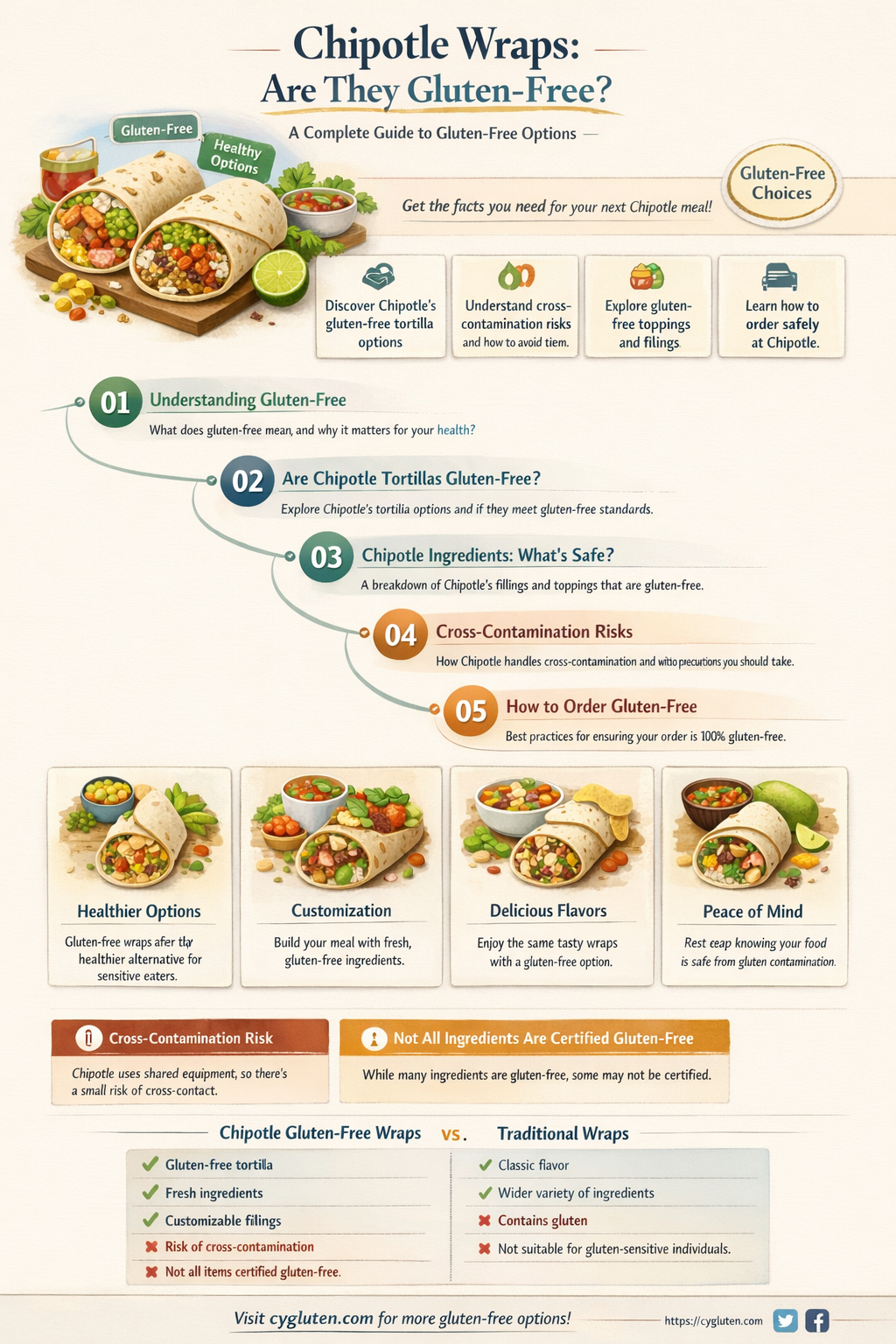
Chipotle tacos are gluten-free only if you choose the crispy corn shells, as the flour tortillas contain wheat. While the majority of Chipotle's ingredients—including all proteins, rice, beans, and salsas—are naturally gluten-free, the risk of cross-contamination is high due to the shared assembly line environment and the frequent handling of flour tortillas.
Managing a gluten-free diet requires more than just identifying safe ingredients; it involves understanding the environment where food is prepared. For individuals with Celiac disease or non-Celiac gluten sensitivity (NCGS), dining at a high-volume fast-casual restaurant like Chipotle presents a unique set of challenges. As of 2026, Chipotle continues to be one of the more transparent chains regarding its ingredients, yet the physical layout of their kitchens necessitates a cautious approach for those who must strictly avoid gluten.
Understanding Chipotle’s Ingredient Profile
To determine if Chipotle tacos are safe for your specific health needs, you must first break down the entire menu by its constituent parts. Chipotle’s commitment to "Food with Integrity" means they avoid many of the hidden fillers and thickeners found in other fast-food chains—fillers that often contain gluten.
The Tortilla Distinction: Corn vs. Flour
The most critical decision when ordering tacos is the shell. Chipotle offers two primary types of tortillas for their tacos:
- Crispy Corn Tortillas: These are made from yellow corn masa flour, water, and oil. They are naturally gluten-free.
- Soft Flour Tortillas: These are made with wheat flour and are the primary source of gluten in the entire restaurant.
It is important to note that many diners confuse "soft tacos" with gluten-free options. At Chipotle, "soft" almost always implies wheat flour. If you are seeking a gluten-free taco experience, you must specify the crispy corn shells. While some locations have experimented with soft corn tortillas in the past, the standard menu in 2026 relies on crispy corn for its gluten-free taco base.
Gluten-Free Proteins and Fillings
One of the reasons Chipotle is a favorite for the gluten-free community is that every single protein option is safe. Unlike some competitors that use wheat-based "meat extenders" or gluten-containing marinades, Chipotle’s proteins are prepared with simple spices and oils.
- Chicken: Marinated in chipotle pepper adobo and grilled.
- Steak and Carne Asada: Seasoned with salt and pepper and grilled.
- Barbacoa: Shredded beef braised with spices including cumin, cloves, and bay leaf.
- Carnitas: Slow-cooked pork seasoned with black pepper and salt.
- Sofritas: Organic, shredded tofu braised with chipotle chilies, roasted poblanos, and a blend of aromatic spices.
Grains, Legumes, and Produce
Both the white and brown rice are steamed with bay leaves and seasoned with cilantro and lime juice—none of which contain gluten. Similarly, the black beans and pinto beans are safe, as they are seasoned with onions, garlic, and spices. All of the produce, from the romaine lettuce to the fajita vegetables (onions and bell peppers), is naturally gluten-free.
The Cross-Contamination Challenge
Even though the ingredients in a crispy corn taco are gluten-free, the process of making that taco introduces significant risk. In a commercial kitchen, cross-contamination (or cross-contact) occurs when gluten-free food comes into contact with gluten-containing food or surfaces.
The Shared Assembly Line
The "line" at Chipotle is a linear progression. It starts with the tortillas. A staff member reaches into a stack of flour tortillas, places one on the press, and then moves down the line. That same staff member often uses their gloved hands to grab pinches of cheese or lettuce. If they have just touched a flour tortilla, those cheese and lettuce bins now contain trace amounts of wheat.
The "Flour Dust" Factor
In locations where flour tortillas are handled frequently, microscopic particles of flour can become airborne. While this is less of a concern than direct contact, it can still affect highly sensitive individuals. Furthermore, the spoons used to scoop rice or beans may occasionally touch the edge of a flour tortilla as a burrito is being filled, transferring gluten back into the main ingredient bins.
Shared Utensils and Gloves
The most common point of failure for gluten safety at Chipotle is the gloves. Because employees work quickly to handle long lines of customers, they do not automatically change gloves between orders. For someone with Celiac disease, the "crumbs" from the previous customer’s burrito can easily end up in their taco shells.
How to Order Gluten-Free Tacos Safely
To minimize the risk of illness, you must be proactive during the ordering process. Simply choosing gluten-free ingredients is often not enough for those with a medical necessity for a gluten-free diet.
- Identify Yourself: Start by informing the employee that you have a "severe gluten allergy" or "Celiac disease." While gluten sensitivity is not technically an allergy, using the word "allergy" often triggers a more rigorous safety protocol in food service environments.
- Request a Glove Change: Ask the staff member to change their gloves before touching any of your ingredients. Most Chipotle employees are trained to do this upon request without hesitation.
- Ask for "Fresh" Ingredients: If you are highly sensitive, you can ask the staff to pull cheese or lettuce from a fresh, unopened container in the back. The cheese and lettuce bins on the main line are the most likely to be contaminated because they are frequently "hand-grabbed" by employees who have touched flour tortillas.
- Watch the Spoons: Ensure that the serving spoons do not touch your crispy shells and then go back into the bins.
- Avoid the Peak Rush: If possible, visit Chipotle during off-peak hours (e.g., 2:00 PM or 4:00 PM). During a busy lunch rush, employees are under immense pressure to move quickly, making them more likely to forget safety protocols or engage in cross-contact.
Chipotle Gluten-Free Menu Verification (2026)
The following table outlines the gluten status of common Chipotle components as of 2026. This data is based on official allergen disclosures provided by the company.
| Menu Category | Item Name | Gluten-Free Status | Primary Ingredients |
|---|---|---|---|
| Tortillas | Crispy Corn Shells | Safe | Corn masa, water, oil |
| Tortillas | Soft Flour Tortilla | Contains Gluten | Wheat flour, water, vegetable oil |
| Proteins | Chicken, Steak, Barbacoa | Safe | Meat, spices, oil, salt |
| Proteins | Sofritas (Tofu) | Safe | Organic soy, chipotle, spices |
| Rice & Beans | White/Brown Rice, All Beans | Safe | Rice/Beans, cilantro, lime, salt |
| Toppings | Cheese, Sour Cream, Guacamole | Safe | Dairy/Produce (Risk of cross-contact) |
| Salsas | All Salsas (Tomato, Corn, Chili) | Safe | Vegetables, vinegar, spices |
| Sides | Tortilla Chips | Safe | Corn, oil, lime, salt |
The "Bowl" Alternative: A Safer Route?
While many people crave the crunch of a taco, the Burrito Bowl is widely considered the safest option for gluten-free diners at Chipotle. There are several reasons for this:
- No Tortilla Press: Burrito bowls do not require the use of the tortilla press, which is a frequent site of gluten accumulation.
- Barrier Protection: The bowl acts as a physical barrier. Unlike a taco shell which is often held in the hand or placed directly on the counter paper, the bowl is a self-contained vessel.
- Ease of Preparation: It is easier for staff to maintain cleanliness when assembling a bowl compared to folding or filling small taco shells.
If you choose a bowl, you can still enjoy the taco experience by ordering a side of crispy corn chips. You can use the chips to scoop up the contents of the bowl, effectively creating a "deconstructed" gluten-free taco that is often safer from a cross-contamination standpoint.
Common Pitfalls and Misconceptions
One of the biggest mistakes diners make is assuming that "corn" always equals "safe." At some restaurants, corn tortillas are blended with wheat flour to make them more pliable. At Chipotle, however, the crispy corn shells are 100% corn. The danger lies in the Soft Corn Tortillas which are occasionally offered as a seasonal or regional item; always verify if these are pure corn or a wheat-corn blend.
Another misconception involves the Tortilla Chips. While the chips are made of corn and fried in dedicated fryers, they are often seasoned in a large bowl where flour tortillas may have been handled nearby. Additionally, if you have a severe allergy, you should confirm that the oil in the fryer is not shared with any wheat-based items (though Chipotle generally does not fry flour products).
Nutritional and Health Considerations
For those managing Celiac disease, the long-term health implications of "getting glutened" are serious, ranging from intestinal damage to nutrient malabsorption. Therefore, the technical depth of Chipotle’s gluten-free offerings is not just a matter of preference but of medical safety.
As of 2026, the Celiac Disease Foundation and other advocacy groups like Beyond Celiac emphasize that dining out is never 100% risk-free. Chipotle’s model of "open-air" food preparation means that even with a glove change, the environment is not a "dedicated gluten-free facility." If you are in the middle of a flare-up or have extreme sensitivity, you may want to opt for restaurants that use dedicated gluten-free kitchens.
However, for the average person with gluten intolerance, Chipotle’s transparency is a benchmark in the industry. The company provides a comprehensive Allergen Tool on their official website that allows users to filter the menu by dietary restriction, which remains the gold standard for verifying current ingredients.
FAQ: Frequently Asked Questions
Are Chipotle’s corn taco shells fried in shared oil?
No, Chipotle typically uses its fryers exclusively for corn tortilla chips and crispy taco shells. Unlike other fast-food chains that might fry breaded chicken or onion rings in the same oil, Chipotle’s limited fried menu reduces the risk of gluten transfer through frying oil. However, always confirm with the specific location as equipment layouts can vary.
Is the Chipotle "Honey Vinaigrette" gluten-free?
Yes, the honey vinaigrette used for salads is made with red wine vinegar, honey, salt, pepper, oil, and oregano. None of these ingredients contain gluten. However, it is often prepared in the back of the house, so ensure you ask about the preparation environment if you are highly sensitive to cross-contact.
Can I get a gluten-free burrito at Chipotle in 2026?
No, Chipotle does not currently offer a gluten-free flour-style tortilla for burritos. The structural integrity required for a massive Chipotle burrito is difficult to achieve with gluten-free grains like rice or cassava flour. Your best alternative is a Burrito Bowl or crispy corn tacos.
Are the Sofritas safe for Celiacs?
Yes, the Sofritas are made from organic tofu and are gluten-free. Some tofu brands use soy sauce that contains wheat, but Chipotle uses a gluten-free adobo seasoning and spices to flavor their tofu, making it a safe plant-based protein option for those avoiding gluten.
What should I do if I am accidentally exposed to gluten at Chipotle?
If you realize you have been exposed, stop eating immediately. For those with Celiac disease, following your physician-prescribed "gluten-exposure protocol" is essential—this usually involves hydration and rest. You may also want to contact the restaurant manager so they can review their safety protocols with the staff to prevent future incidents.
Practical Recommendation
If you are planning to eat tacos at Chipotle and must avoid gluten, your safest and most effective strategy is to order three crispy corn tacos and explicitly request a glove change before your order begins. To further ensure safety, ask the employee to use a fresh set of serving spoons and to scoop toppings like cheese and lettuce from new containers underneath the counter. This "clean slate" approach is the most robust way to enjoy a meal at Chipotle without the lingering fear of cross-contamination.