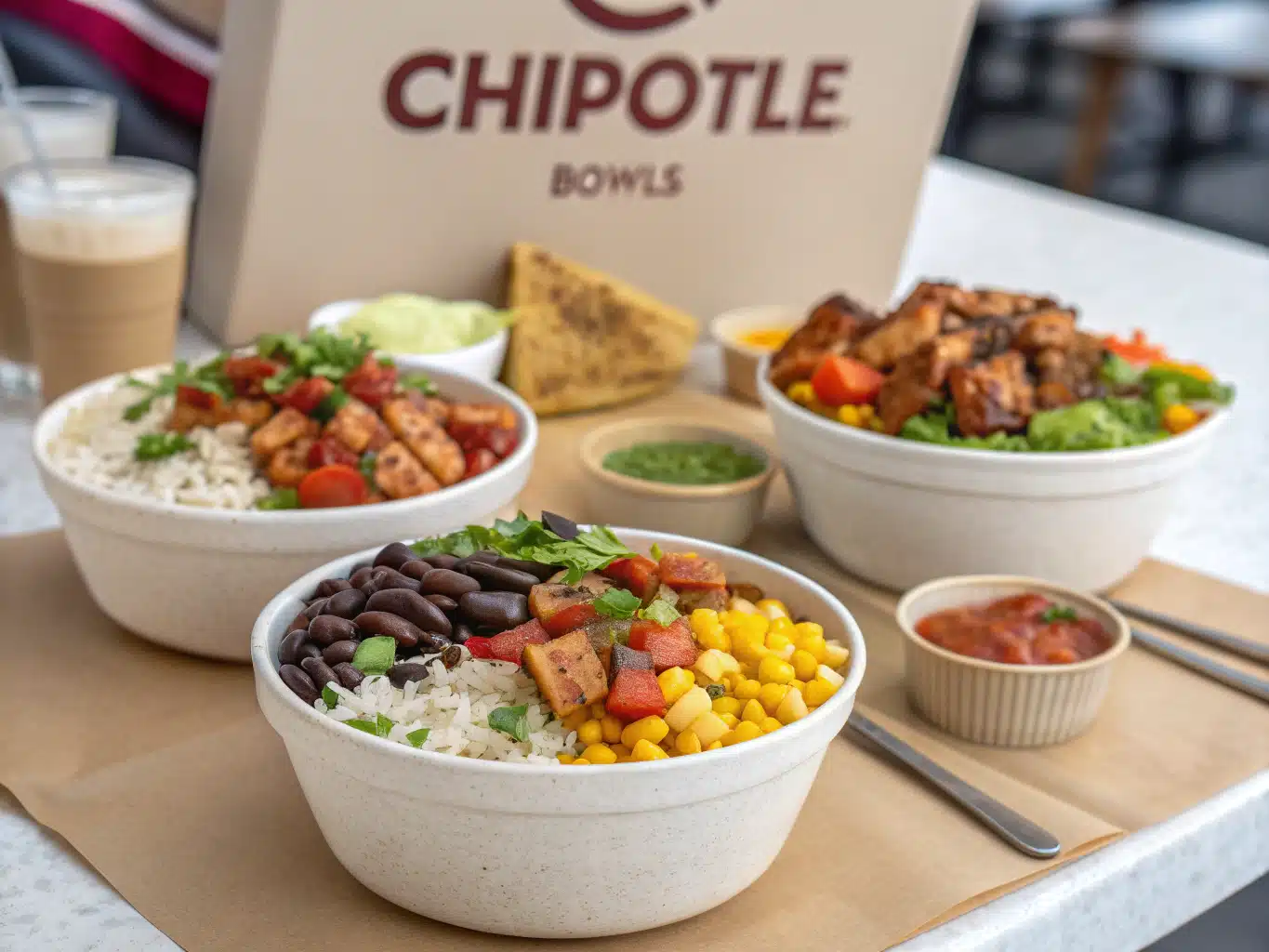
While Chipotle’s signature molded fiber bowls are technically recyclable, their actual eligibility for your blue bin depends heavily on food contamination and local municipal rules. In 2026, most recycling facilities prefer these bowls be composted rather than recycled due to grease saturation, while the aluminum and plastic lids remain widely recyclable if thoroughly cleaned.
Understanding the Composition of Chipotle Packaging
To determine whether a Chipotle bowl belongs in the recycling bin, a compost pile, or the trash, we must first look at the materials used in its construction. Chipotle has long been a leader in the fast-casual industry regarding sustainable packaging, but "sustainable" does not always mean "recyclable in every jurisdiction."
The Molded Fiber Bowl (The Base)
The base of the bowl is made from molded fiber, primarily sourced from sugarcane bagasse—a byproduct of sugarcane processing—and wheat straw. In 2026, this material is the gold standard for compostable food service-ware because it is renewable and sturdy. However, from a mechanical recycling perspective, molded fiber presents challenges.
When paper or fiber products are recycled, they are mixed with water to create a slurry. If that fiber is saturated with rice cilantro lime oil, steak juices, or sour cream, the grease can weaken the resulting recycled paper products or cause "spots" in the final material. Because food-service items are almost always "soiled," many Material Recovery Facilities (MRFs) categorize them as contaminants rather than feedstock.
The Lid Variations
Chipotle typically uses two types of lids, and their recyclability profiles are vastly different:
- Aluminum Lids: Used for "to-go" orders and delivery, these are made from thin aluminum foil. Aluminum is one of the most valuable materials in the recycling stream because it can be recycled indefinitely without loss of quality.
- Clear Plastic Lids: Often used for salads or cold items, these are typically made from Polyethylene Terephthalate (PET or PETE #1). This is the same plastic used for water bottles and is highly recyclable, provided it is free of salsa and guacamole residue.
The Problem with "Wish-Cycling" Chipotle Bowls
One of the biggest hurdles in the waste management industry in 2026 is "wish-cycling"—the act of putting an item in the recycling bin because you hope it is recyclable, even if it is soiled or not accepted by your local program.
When you place a grease-soaked Chipotle bowl into a recycling bin, you risk ruining the entire batch of clean paper and cardboard in that bin. In a high-speed sorting facility, a single greasy bowl can stick to clean newspapers, introducing oils that prevent the paper fibers from bonding during the pulping process. Consequently, most experts and municipal guidelines suggest that if a bowl has visible grease stains that have soaked into the fiber, it should not be recycled.
Technical Limitations of Fiber Recycling
Molded fiber is often made from "short fibers." Paper can generally be recycled five to seven times before the fibers become too short to hold together. Because the Chipotle bowl is already made from recycled or byproduct fibers, the structural integrity of the material is already at the end of its "recyclability life." Combined with food contamination, the energy required to clean and re-pulp these fibers often exceeds the value of the resulting material.
The Superior Alternative: Composting in 2026
If recycling is a gray area for the bowl base, composting is a definitive "green light." As of 2026, Chipotle has solidified its transition to 100% PFAS-free (per- and polyfluoroalkyl substances) fiber bowls. In previous decades, many fiber bowls were coated with "forever chemicals" to prevent grease from soaking through. Without these chemicals, the bowls are now fully biodegradable and certified for industrial composting.
Industrial vs. Home Composting
- Industrial Composting: These facilities reach temperatures high enough to break down the dense molded fiber of a Chipotle bowl within 60 to 90 days. Most urban "green bin" programs accept these bowls.
- Home Composting: While you can put a Chipotle bowl in a backyard compost pile, it will take significantly longer to break down than fruit scraps or grass clippings. It is recommended to shred the bowl into small pieces first to increase the surface area for microbial activity.
A Component-by-Component Disposal Guide
To help you navigate the disposal process, refer to the following table which breaks down each part of a standard Chipotle meal as of 2026.
| Component | Material | Recyclable? | Compostable? | Recommended Action |
|---|---|---|---|---|
| Bowl Base | Sugarcane Bagasse | Only if clean (Rare) | Yes (Best Option) | Compost or Trash if no compost available. |
| Aluminum Lid | Aluminum Foil | Yes | No | Rinse thoroughly, ball it up, and recycle. |
| Clear Lid | PET Plastic #1 | Yes | No | Rinse off all food and place in blue bin. |
| Paper Bag | Kraft Paper | Yes | Yes | Recycle with cardboard if clean; compost if greasy. |
| Napkins | Recycled Paper | No | Yes | Compost; fibers are too short for recycling. |
| Plastic Forks | Polypropylene #5 | Varies by city | No | Often rejected by MRFs; check local rules. |
| Salsa Cups | Polypropylene #5 | Yes (if cleaned) | No | Rinse and recycle if your city accepts #5. |
The Impact of PFAS and Chemical Coatings
The history of the Chipotle bowl's recyclability is tied closely to the elimination of PFAS. Before 2021, many molded fiber products used PFAS to provide moisture and grease resistance. When these items were composted, the chemicals remained in the soil, and when recycled, they contaminated the water supply used in pulping.
By 2026, all Chipotle bowls are manufactured using physical barriers or bio-based coatings rather than synthetic chemicals. This shift has made the bowls significantly safer for the environment, even if they end up in a landfill. In a landfill environment, a PFAS-free bowl will eventually break down (though much slower than in a compost pile), whereas older versions would remain chemically intact for centuries.
Regional Variations in Recycling Rules
Recycling is a hyper-local service. What is true in San Francisco may not be true in Dallas or New York City.
- High-Infrastructure Cities: Some cities have invested in advanced optical sorting technology that can identify molded fiber and separate it for specialized processing. In these areas, you may see instructions to include "paper-based food containers" in the recycling.
- Strict No-Contamination Zones: Many municipalities have adopted "zero-tolerance" policies for food-soiled paper. In these jurisdictions, any hint of a "burrito bowl stain" will result in the entire bag of recycling being diverted to the landfill to avoid clogging machinery.
- Compost-Mandatory Zones: In states like California and Vermont, organic waste (including food-soiled paper) is legally required to be diverted from landfills. In these locations, the Chipotle bowl should always go into the organics/compost bin.
Step-by-Step: How to Properly Dispose of Your Chipotle Order
If you want to be an ethical consumer in 2026, follow these steps after finishing your meal:
- Scrape It Clean: Use a fork or napkin to remove every possible bit of rice, beans, and protein. If the bowl is 90% covered in grease, stop here—it belongs in the compost or trash.
- Separate the Lid: If you have an aluminum lid, rinse it under the tap. Do not worry about small stains, but do remove large clumps of cheese or sour cream.
- Check the Symbol: Look at the bottom of the clear plastic lid or the salsa cups. If you see a #1 or #5, check if your local program accepts those numbers.
- Flatten the Bag: The paper bag is high-quality kraft paper. As long as your salsa didn't leak through, this is the most "recyclable" part of the whole package.
- Identify the Destination:
- Is a green bin available? Put the bowl and napkins there.
- Is only a blue bin available? Only put the cleaned lids and dry bags there.
- Is only a trash bin available? Unfortunately, everything goes here, but the PFAS-free bowl will still be less toxic than a plastic alternative.
The Future of Chipotle Packaging
Looking ahead past 2026, the trend is moving toward reusable containers. Some Chipotle locations have experimented with a "borrow a bowl" program where customers receive their meal in a durable, returnable plastic or stainless steel container. These are washed commercially and reused hundreds of times, bypassing the "recyclable vs. compostable" debate entirely.
Until these programs are universal, the burden of proper disposal remains with the consumer. Understanding that a fiber bowl is a "biological" product rather than a "mechanical" one is key. It started as a plant (sugarcane), and it is designed to return to the earth as soil, not to be turned back into a printer paper or a cardboard box.
Frequently Asked Questions
Can I recycle the bowl if I wash it first?
While you can technically wash a fiber bowl, it is not recommended. The water will cause the molded fiber to soften and lose its structural integrity, making it difficult for recycling machinery to process. Additionally, the energy and water used to "clean" a disposable fiber bowl often negate the environmental benefits of recycling it. Composting remains the better choice.
What happens if I put a greasy bowl in the recycling bin?
If a greasy bowl enters the recycling stream, it can contaminate other paper products. During the recycling process, paper is mixed with water. Oil from the grease does not mix with water; instead, it attaches to the new paper fibers, creating holes or weak spots in the recycled cardboard or paper produced from that batch.
Are the napkins and paper bags recyclable?
The paper bags are highly recyclable if they are clean and dry. However, napkins are generally not recyclable. Napkins are made from paper that has already been recycled multiple times, meaning the fibers are very short. Furthermore, napkins are almost always soiled with food waste, which makes them ideal for composting but poor for recycling.
Does Chipotle use plastic-lined bowls?
As of 2026, Chipotle has moved away from traditional plastic linings in their bowls. Instead, they use bio-based coatings or high-density molding techniques to manage moisture. This change was essential to ensure the bowls remain BPI-certified compostable and free of harmful chemicals like PFAS.
Can I put the aluminum lid in the dishwasher?
While you could, it is unnecessary. A quick rinse with soap and water to remove food residue is enough to make the aluminum lid "recyclable-ready." Most recycling centers prefer that you bunch the foil into a ball (about the size of a tennis ball) so it doesn't get caught in the paper-sorting equipment.
Final Recommendation
To minimize your environmental footprint when eating at Chipotle, prioritize composting the fiber bowl base and recycling the cleaned lids. In 2026, the "best" way to handle a Chipotle bowl is to treat it as organic waste. If your community does not offer industrial composting, the most responsible action is to ensure the aluminum and plastic lids are recycled while accepting that the soiled fiber bowl base may need to go to a landfill, where its PFAS-free composition will allow it to break down more safely than plastic alternatives.