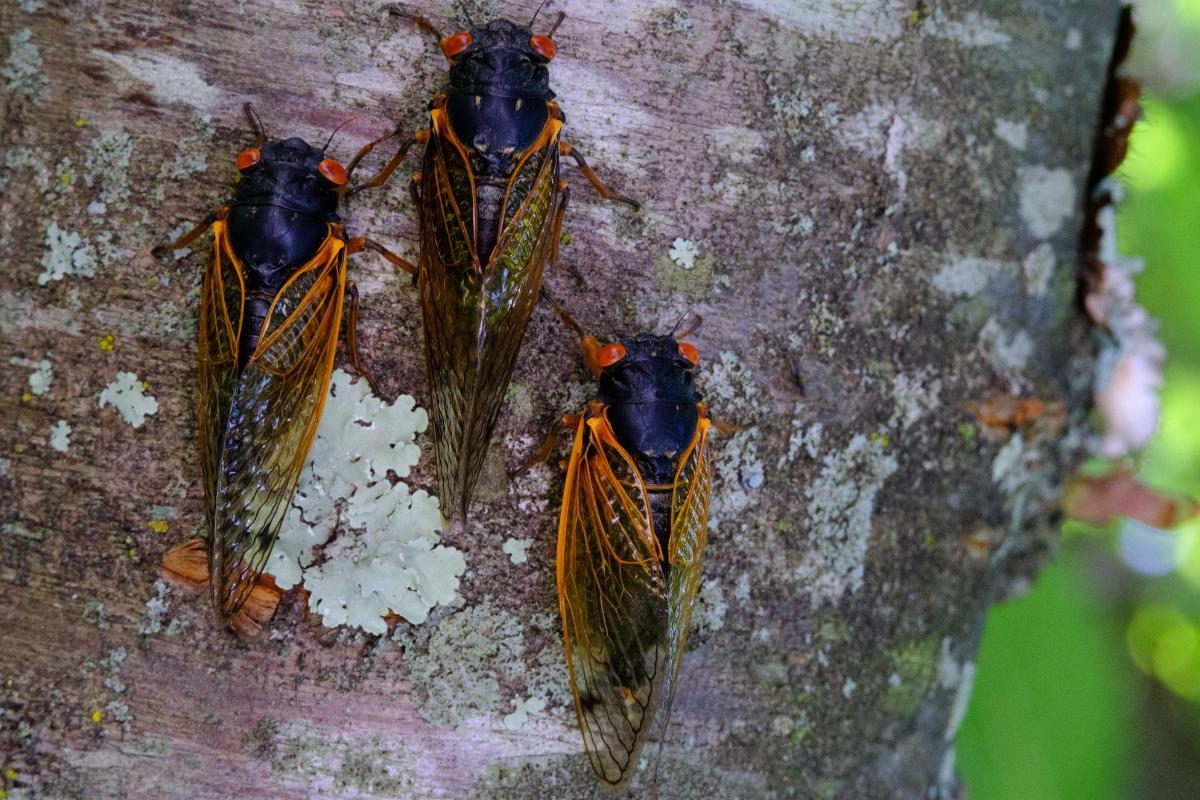
Cicadas are not toxic to cats, as they do not possess venom, stingers, or internal poisons that cause systemic harm. However, their hard, chitinous exoskeletons are difficult for felines to digest, often leading to gastrointestinal distress, vomiting, or potential choking hazards if consumed in significant quantities.
As we move through 2026, many pet owners remain concerned about the seasonal emergence of these loud, flying insects, particularly following the massive dual-brood events seen in recent years. While your cat’s predatory instincts may drive them to hunt cicadas that find their way indoors, understanding the distinction between "toxic" and "harmful" is vital for ensuring your pet's safety. This guide explores the biological impact of cicada ingestion, the risks of secondary poisoning, and how to manage your home environment during peak emergence periods.
Understanding the Difference Between Toxicity and Physical Irritation
When a pet owner asks if an insect is "toxic," they are typically concerned about whether the animal contains poisonous chemicals that will enter the cat's bloodstream and cause organ failure or neurological distress. In the case of cicadas, the answer is a definitive no. Cicadas are essentially "harmless" in terms of chemical composition. They do not bite, they do not sting, and they do not manufacture toxins as a defense mechanism.
However, "non-toxic" does not mean "perfectly safe to eat." For a cat—an obligate carnivore with a digestive system designed for soft tissues and small bones—the structural makeup of a cicada presents several mechanical challenges.
The Chitin Factor
The primary issue with cicadas is their exoskeleton, which is composed of a tough, fibrous substance called chitin. While some dietary fiber is beneficial for cats, the thick, rigid shells of adult cicadas, especially the wings and legs, are highly resistant to the hydrochloric acid in a cat's stomach. When a cat consumes multiple cicadas, these undigested parts can clump together, leading to significant irritation of the stomach lining (gastritis) or the intestinal tract.
Mechanical Irritation
The legs of a cicada are equipped with small, prickly spines designed to help the insect cling to tree bark. If a cat chews and swallows these insects, these spines can cause minor abrasions in the mouth, throat, and esophagus. This often results in "hypersalivation" (excessive drooling) as the cat reacts to the physical discomfort of the prickly bits passing through their sensitive mucosal tissues.
Potential Health Risks for Indoor Cats
Even though indoor cats are shielded from the brunt of a massive outdoor emergence, cicadas are notorious for hitching rides on clothing or slipping through open doors and windows. Once inside, they become high-value targets for a cat’s "seek and destroy" play drive.
Gastrointestinal Upset and Vomiting
The most common consequence of a cat eating a cicada is immediate or delayed vomiting. This is usually the body’s way of expelling the indigestible chitin. If your cat eats one or two cicadas, you might see a single episode of vomiting containing insect parts. However, if a cat manages to feast on several insects that have found their way into a sunroom or basement, the irritation can lead to prolonged retching and lethargy.
Choking and Aspiration
Adult cicadas are large insects, often reaching two inches in length. For a smaller cat or a kitten, attempting to swallow a cicada whole—or even in large chunks—poses a genuine choking risk. If a piece of the wing or a rigid leg becomes lodged in the back of the throat, it can obstruct the airway. Furthermore, if a cat vomits and accidentally inhales a piece of the exoskeleton, it can lead to aspiration pneumonia, a serious condition requiring immediate veterinary intervention.
Intestinal Blockage (Impaction)
While rare in cats who only encounter the occasional indoor cicada, those with access to enclosed porches or "catios" where insects accumulate may overindulge. A mass of undigested cicada shells can create a physical blockage in the intestines. This is a surgical emergency. Symptoms of an obstruction include:
- Repeated, unproductive vomiting.
- Loss of appetite.
- Abdominal pain (the cat may hiss or shy away when touched).
- Inability to pass stool.
Allergic Reactions
Just like humans, individual cats can have idiosyncratic allergic reactions to foreign proteins. While not common, some cats may develop hives, facial swelling, or respiratory distress after consuming an insect. If you notice your cat’s face swelling or they seem to be breathing heavily after a cicada encounter, contact your veterinarian immediately.
Secondary Toxicity: The Hidden Danger
While the cicada itself is not toxic, the environment it comes from might be. This is known as secondary toxicosis. If a homeowner or neighbor has applied heavy amounts of insecticides to trees or lawns to manage the "nuisance" of a cicada emergence, the insects can carry those chemicals on their bodies.
In 2026, integrated pest management is more common, but many people still resort to pyrethroids or organophosphates. If a cat eats a "poisoned" cicada, they are ingesting a concentrated dose of that pesticide. Symptoms of pesticide poisoning in cats include:
- Tremors or shivering.
- Dilated pupils.
- Seizures.
- Extreme lethargy or collapse.
If you suspect your cat has eaten insects in an area recently treated with chemicals, do not wait for symptoms to appear; seek professional advice from a vet or a pet poison helpline.
Comparing Cicada Ingestion Scenarios
To help you determine the severity of your cat’s situation, refer to the table below regarding common ingestion levels and expected outcomes.
| Scenario | Typical Symptoms | Recommended Action |
|---|---|---|
| Single Cicada (Small portion) | Mild drooling, localized pawing at the mouth. | Monitor at home; ensure water is available. |
| Single Cicada (Whole) | Possible vomiting within 30 minutes, "hacking" sound. | Monitor for airway obstruction; check mouth for stuck legs. |
| Multiple Cicadas (Gorging) | Persistent vomiting, diarrhea, lethargy, abdominal tenderness. | Withhold food for 6–12 hours; consult a vet if vomiting persists. |
| Ingestion of "Sprayed" Insects | Muscle tremors, drooling, staggering, seizures. | Emergency: Immediate veterinary transport required. |
| Chronic Ingestion (Over days) | Weight loss, constipation, dull coat, frequent hacking. | Schedule a non-emergency vet visit to check for partial blockage. |
Managing Cicadas in the Home
Prevention is the most effective strategy for managing the "cicada vs. cat" conflict in your household. During peak periods, usually in late spring and early summer, take the following steps to secure your living space.
1. Fortify Entry Points
Cicadas are clumsy fliers and are often attracted to porch lights at night. When doors are opened, they can easily fly into the home.
- Check Screen Integrity: Inspect window screens for small tears or gaps. Even a small hole can allow a cicada to squeeze through.
- Door Sweeps: Ensure door sweeps are tight against the floor to prevent crawling insects from entering.
- Light Management: Switch outdoor bulbs to "bug lights" (yellow LEDs) which are less attractive to insects, reducing the number of cicadas congregating near your entrances.
2. Supervise "Catio" Time
If your cat enjoys a screened-in porch or outdoor enclosure, they are at higher risk of encountering large numbers of cicadas. During years of heavy emergence, consider limiting catio time to the early morning or late evening when cicadas are slightly less active, or perform a "sweep" of the area to remove any dead or dying insects before letting the cat out.
3. Training and Distraction
If you see your cat stalking a cicada that has made it inside, use a "high-value" distraction to redirect their attention. A favorite treat or a feather wand toy can lure them away from the insect. If your cat knows the "Leave it" command, this is the perfect time to reinforce it. Once the cat is distracted, safely catch and release the cicada outside (or dispose of it).
What to Do if Your Cat Eats a Cicada
If you catch your cat in the act of swallowing a cicada, don't panic. In the vast majority of cases, the cat will be fine. Follow these steps to ensure their recovery:
- Check the Mouth: If the cat is pawing at its face, gently open the mouth to see if any legs or wing fragments are stuck in the teeth or the roof of the mouth. Remove them carefully if possible.
- Monitor Breathing: Ensure the cat is not coughing or gasping. If they are, it could indicate a partial obstruction of the airway.
- Observe for 24 Hours: Keep an eye on their appetite and litter box habits. One or two episodes of vomiting are common, but if the cat cannot keep water down, they need a vet.
- Hydration is Key: Provide plenty of fresh water. If the cat has vomited, they may need to replenish fluids to prevent dehydration.
Frequently Asked Questions
Are certain breeds of cats more at risk?
While no breed is more susceptible to "toxicity" (since cicadas aren't toxic), flat-faced (brachycephalic) breeds like Persians or Himalayans may have a harder time if they experience respiratory irritation or choking. Their shorter airways make any form of throat obstruction or aspiration significantly more dangerous than it would be for a domestic shorthair with a standard muzzle length.
Can cicadas bite my cat?
No. Cicadas do not have mouthparts designed for biting or chewing. They have a straw-like proboscis used specifically for sucking sap from trees. They cannot break feline skin or cause "bite" wounds. They also lack a stinger. Any "pain" a cat feels is likely from the sharp, spiny legs of the insect.
Why does my cat seem obsessed with hunting them?
Cats are hardwired to respond to high-frequency sounds and erratic movement. The loud "singing" of male cicadas and the buzzing of their wings when they are distressed are irresistible to a cat’s predatory drive. For an indoor cat, a cicada is essentially a "self-moving toy" that provides intense mental stimulation.
Should I induce vomiting if my cat eats several cicadas?
No. You should never induce vomiting in a cat at home unless specifically instructed to do so by a licensed veterinarian. The sharp parts of the cicada’s exoskeleton can cause more damage to the esophagus on the way back up. If you are concerned about the volume of insects ingested, call your vet for professional guidance.
Can cats get parasites from eating cicadas?
While cicadas are not major carriers of common feline parasites (like roundworms or tapeworms), any time a pet consumes raw prey, there is a theoretical risk of exposure to various bacteria or minor parasites. However, the risk from cicadas is significantly lower than the risk from eating rodents or birds.
Final Recommendations for Pet Owners
As we navigate the 2026 season, remember that while cicadas are a loud and often overwhelming presence, they are a temporary environmental factor. For the average indoor cat, a cicada encounter is more of a "digestive nuisance" than a life-threatening emergency.
The best course of action is to maintain a secure home perimeter and monitor your cat’s behavior during peak emergence weeks. If your cat does manage to eat an insect, watch for signs of prolonged distress or inability to hold down food. Most "cicada-related" vet visits are due to secondary issues like gastritis rather than the insect itself. By staying vigilant and preventing your cat from using the local insect population as a buffet, you can ensure they remain healthy and comfortable throughout the season.