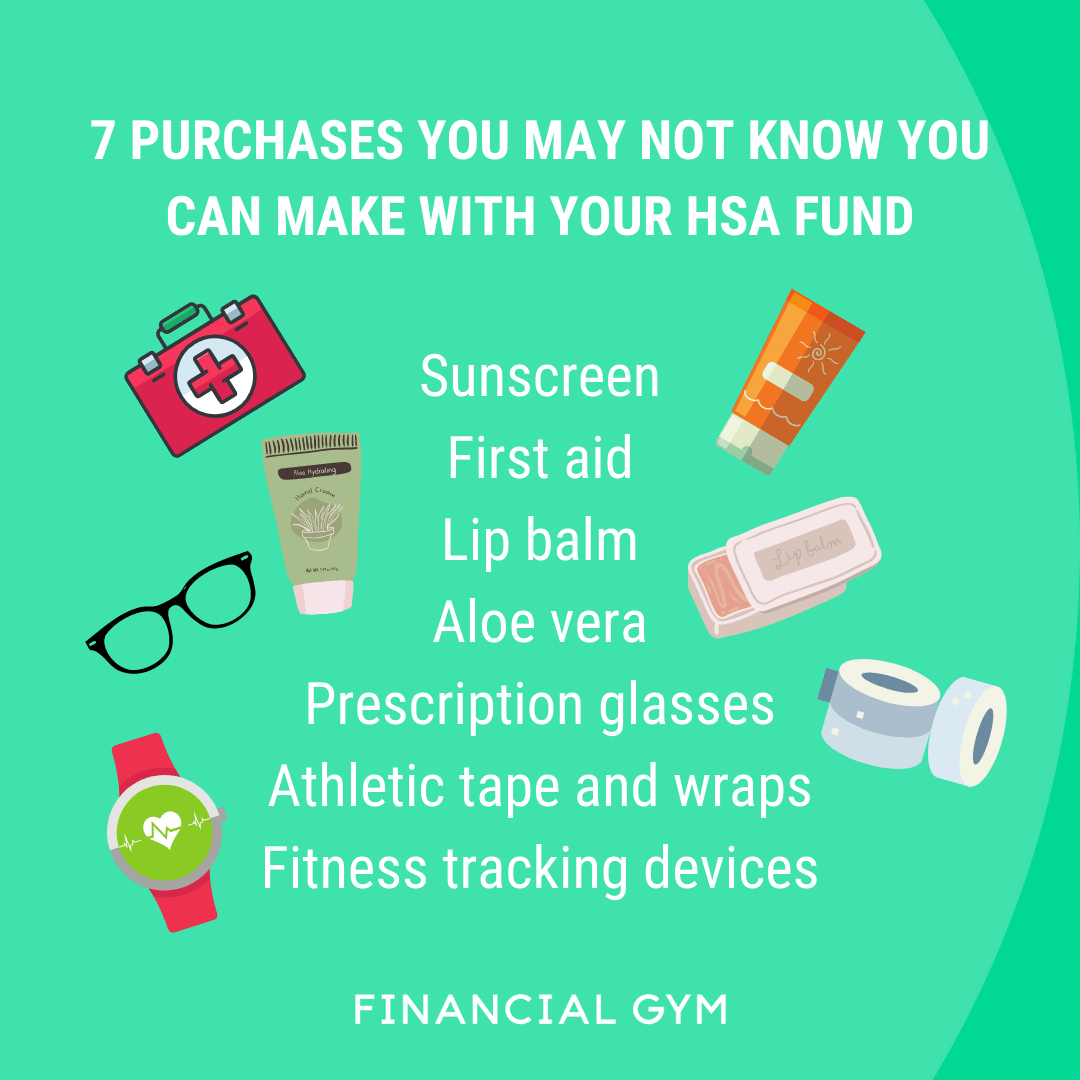
Prescription contact lenses and their associated care supplies are fully eligible for reimbursement or direct purchase using a Health Savings Account (HSA). According to IRS guidelines, these items qualify as medical expenses because they are used primarily to alleviate or prevent a physical defect or illness—specifically, vision impairment.
The Health Savings Account (HSA) remains one of the most powerful financial tools for managing healthcare costs in 2026. For millions of Americans who rely on corrective eyewear, understanding the nuances of HSA eligibility for contact lenses is essential for maximizing tax-advantaged savings. While the short answer is a definitive "yes," the IRS maintains specific criteria regarding what types of lenses qualify, which accessories are covered, and how you must document these purchases to avoid potential tax penalties.
The Regulatory Framework: IRS Publication 502
To understand why contact lenses are eligible, we must look at the foundation of HSA law. The IRS defines qualified medical expenses in Publication 502, Medical and Dental Expenses. This publication serves as the primary authority for what can be paid for with tax-free HSA dollars.
Under the "Vision" section of IRS guidelines, the cost of eyeglasses and contact lenses used for medical reasons is explicitly listed as a deductible expense. Because an HSA allows you to pay for these deductible expenses with pre-tax dollars, the eligibility of contact lenses essentially provides a significant discount on your vision care, equal to your marginal tax rate.
In 2026, the definition of "medical care" continues to focus on the prevention or alleviation of a physical or mental defect or illness. Since refractive errors like myopia (nearsightedness), hyperopia (farsightedness), and astigmatism are medical conditions, the tools used to correct them—contact lenses—are considered essential medical equipment.
Detailed Breakdown of Eligible Contact Lens Expenses
Eligibility extends beyond just the clear plastic discs you place on your eyes. To maintain eye health and ensure the lenses function correctly, several ancillary products are also covered.
Prescription Contact Lenses
Any lens prescribed by an eye care professional (optometrist or ophthalmologist) to correct vision is eligible. This includes:
- Daily Disposables: Single-use lenses that are discarded every night.
- Extended Wear Lenses: Lenses designed to be worn for several days or weeks.
- Toric Lenses: Specialized lenses for astigmatism.
- Multifocal and Bifocal Lenses: Lenses that correct both near and distance vision.
- Rigid Gas Permeable (RGP) Lenses: "Hard" lenses often used for specific corneal conditions.
- Scleral Lenses: Large-diameter lenses used for keratoconus or severe dry eye.
Contact Lens Care and Maintenance
The IRS recognizes that contact lenses cannot be used safely without specific maintenance supplies. Consequently, the following are HSA-eligible:
- Contact Lens Solution: Multipurpose solutions, saline solutions, and hydrogen peroxide-based cleaning systems.
- Cleaning and Disinfecting Solutions: Enzymatic cleaners or protein removers used to keep lenses clear of deposits.
- Rewetting Drops: Specifically those formulated for use with contact lenses (note: generic "redness relief" drops may require a prescription or Letter of Medical Necessity in some jurisdictions).
- Storage Cases: The specialized cases used to house and disinfect lenses when not in use.
Eye Examinations
You cannot legally obtain a contact lens prescription without a professional fitting and eye exam. The cost of the comprehensive eye exam, as well as the specific contact lens fitting fee (which is often a separate charge from a standard "glasses" exam), is a 100% HSA-eligible expense.
The "Cosmetic" Exclusion: When Contacts Are Not Eligible
A common point of confusion in 2026 involves decorative or cosmetic contact lenses. The IRS is very strict: if an item is used for purely cosmetic purposes and does not treat a medical condition, it is not HSA eligible.
- Non-Prescription Colored Lenses: If you purchase "theatrical" or "costume" lenses to change your eye color and they do not contain a corrective power (0.00 diopters), they are generally not eligible.
- Prescription Colored Lenses: If you require vision correction and choose a tinted or colored version of your prescription lens, the entire cost is typically eligible because the primary purpose is vision correction.
- Lenses for Appearance Only: Any lens purchased from a beauty supply store or costume shop without a valid prescription from an eye doctor will not qualify for HSA reimbursement and may, in fact, be illegal to sell in many states.
Comparison of Vision Expense Eligibility
The following table outlines common vision-related expenses and their typical HSA eligibility status as of 2026.
| Expense Category | HSA Eligible? | Requirements/Notes |
|---|---|---|
| Prescription Contact Lenses | Yes | Must correct a vision defect. |
| Contact Lens Solution | Yes | Includes saline and disinfecting systems. |
| Eye Exams & Fittings | Yes | Professional fees are fully covered. |
| Cosmetic Lenses (No Correction) | No | Purely aesthetic items are excluded. |
| Prescription Sunglasses | Yes | Must have corrective lenses. |
| Over-the-Counter (OTC) Reading Glasses | Yes | Eligible since the CARES Act/subsequent updates. |
| LASIK / Radial Keratotomy | Yes | Corrective eye surgery is a qualified expense. |
| Eye Vitamin Supplements | Maybe | Requires a "Letter of Medical Necessity" (LMN). |
How to Purchase Contacts Using Your HSA
Navigating the payment process is generally straightforward, but following the correct steps ensures you stay compliant with IRS regulations.
Using the HSA Debit Card
Most HSA providers issue a debit card linked directly to your tax-advantaged account. In 2026, almost all major vision retailers—both brick-and-mortar stores and online vendors—accept these cards. When you use the card, the funds are deducted directly from your account, and the merchant's "Merchant Category Code" (MCC) identifies the transaction as healthcare-related.
Manual Reimbursement
If you do not have an HSA card or the retailer doesn't accept it, you can pay out-of-pocket using a standard credit card or cash. You then log into your HSA provider's portal and request a reimbursement. The funds will be transferred from your HSA to your personal bank account. This method is often preferred by those who wish to earn credit card reward points on their medical spending.
Online Retailers
Purchasing contacts online has become the standard for many in 2026. Large retailers like 1-800 Contacts, Warby Parker, and even major pharmacy sites allow you to enter your HSA card details at checkout. Ensure the site provides a detailed, itemized receipt that breaks down the cost of the lenses and any shipping fees, as shipping for medical items is also typically eligible.
Essential Documentation and Record Keeping
While your HSA provider might not ask for a receipt every time you use your card, the IRS might. If you are audited, you must be able to prove that every dollar withdrawn from your HSA was used for a qualified medical expense.
For contact lenses, your documentation should include:
- The Itemized Receipt: This must show the date of purchase, the name of the provider/retailer, the specific item purchased (e.g., "Acuvue Oasys 24-pack"), and the amount paid.
- The Prescription: It is wise to keep a digital copy of your current contact lens prescription. This proves that the lenses were "prescribed" and therefore corrective rather than cosmetic.
- The Explanation of Benefits (EOB): If your vision insurance covered a portion of the cost, keep the EOB to show that you only used HSA funds for the "patient responsibility" portion. You cannot use HSA funds for expenses that have already been reimbursed by insurance.
In 2026, many HSA holders use mobile apps to scan and store these receipts immediately after purchase. This "digital shoebox" approach is highly recommended to prevent loss of documentation over time.
Strategy: HSA vs. FSA for Contact Lenses
If you have access to both a Flexible Spending Account (FSA) and an HSA, or are choosing between them, the rules for contact lenses are identical regarding what is eligible. However, the strategy differs.
- FSA (Flexible Spending Account): These are "use it or lose it" accounts. If you have remaining funds at the end of the year, buying a one-year supply of contact lenses is one of the most efficient ways to exhaust your balance.
- HSA (Health Savings Account): These funds roll over indefinitely. You may choose to pay for contacts out-of-pocket and let your HSA funds stay invested in the market for long-term growth. Because there is no time limit on reimbursement, you can save your 2026 contact lens receipts and reimburse yourself years later, allowing the HSA balance to grow tax-free in the meantime.
Frequently Asked Questions
Can I use my HSA to buy contacts for a family member?
Yes. You can use your HSA funds to pay for qualified medical expenses for yourself, your spouse, and any dependents you claim on your tax return. This applies even if the family member is not covered by your High Deductible Health Plan (HDHP), as long as they meet the IRS definition of a dependent.
Is shipping and handling for contact lenses HSA eligible?
Yes. If you are purchasing a qualified medical expense like contact lenses, the associated shipping, handling, and sales tax are considered part of the total cost of the medical care and are therefore eligible for reimbursement.
What if I buy contacts and then return them?
If you receive a refund for a purchase made with your HSA card, the funds must be returned to the HSA. If the retailer refunds your personal credit card instead, you must contact your HSA administrator to perform a "mistaken distribution" correction. Failing to do so could result in a 20% tax penalty and income tax on the amount not used for medical care.
Are daily rewetting drops eligible if I don't have a prescription for them?
In 2026, following the expansion of OTC eligibility in recent years, most drops specifically labeled for contact lens "rewetting" or "lubricating" are eligible without a specific doctor's prescription, as they are considered part of the maintenance of the medical device (the lens). However, always check the specific product label to ensure it is marketed for contact lens care.
Can I buy a three-year supply of contacts at once?
While the IRS allows you to purchase medical supplies, they generally expect the quantity to be "reasonable." Purchasing a massive surplus that extends far beyond the expiration date of your prescription (which usually lasts 1-2 years) might be flagged. Most people find that purchasing a one-year supply is the safest and most practical approach.
Practical Recommendations
To make the most of your HSA when managing vision care in 2026, follow these actionable steps:
- Schedule Annual Exams Early: Use your HSA to cover the comprehensive exam and fitting fee early in the year to ensure your prescription is current.
- Bulk Purchase for Savings: Many contact lens manufacturers offer significant rebates when you buy a six-month or one-year supply. You can use your HSA to pay the upfront cost and then deposit the rebate check into your personal account (since you paid for the full amount from the HSA).
- Check for "FSA/HSA Stores": Many online retailers have a specific "HSA Eligible" badge on products. Shopping through these filtered views minimizes the risk of buying a non-qualified item.
- Keep Digital Backups: Use your smartphone to take a photo of every vision-related receipt. Store them in a dedicated "2026 Taxes" folder in your cloud storage.
By treating your contact lens purchases as a strategic part of your healthcare spending, you can save 20% to 35% (depending on your tax bracket) on your annual vision costs. The HSA remains a premier vehicle for these expenses, combining immediate tax relief with the flexibility of long-term health financial planning.