The short answer is no; the federal government and private foundations do not offer grants to individuals for the purpose of paying off personal credit card debt. While "debt relief grants" are frequently advertised online, these offers are almost universally scams or predatory marketing tactics designed to harvest personal data or charge illegal upfront fees.
In the financial landscape of 2026, the allure of "free money" to erase high-interest debt is stronger than ever. However, understanding the fundamental difference between public grants and private debt obligations is the first step toward true financial recovery. This guide examines why these grants do not exist, how to identify the sophisticated scams that promote them, and which verified, legal pathways you can actually use to resolve your credit card debt.
The Reality of Personal Debt Relief Grants
To understand why credit card debt relief grants are not real, one must understand the legal and economic definition of a grant. A grant is a financial award given by a federal, state, or local government authority, or a private non-profit foundation, for a specific project that provides a public benefit.
Common legitimate grants include:
- Educational Grants: Such as Pell Grants for low-income students.
- Research Grants: Given to scientists or institutions for medical or technological advancement.
- Small Business Grants: Targeted at economic development in specific sectors or underserved communities.
- Community Development: Funding for infrastructure, public parks, or low-income housing projects.
Personal credit card debt is considered a private contractual obligation between an individual and a profit-seeking financial institution. Using taxpayer funds or charitable endowments to pay off private consumer debt does not meet the "public benefit" criteria required for grants. Consequently, there is no line item in the federal budget—including the USA.gov database of benefits—that provides money to individuals to pay off Mastercard, Visa, or Amex balances.
Why the Myth of "Debt Relief Grants" Persists
If these grants do not exist, why do so many people believe they do? The persistence of this myth is driven by two primary factors: predatory marketing and the mislabeling of legitimate social safety net programs.
Predatory Marketing and "Grant" Language
Scammers and some less-than-reputable debt settlement companies use the word "grant" because it bypasses the psychological resistance people feel toward "loans" or "settlement." In 2026, AI-driven social media advertisements often use deepfake technology or doctored news clips to suggest that a new "economic stimulus" or "debt relief act" has authorized billions in grants for credit card holders. These ads are designed to trigger a sense of urgency and hope, leading victims to provide their Social Security numbers and bank details.
Confusion with Hardship Assistance
There are legitimate "grants" for basic human needs, such as the Low Income Home Energy Assistance Program (LIHEAP) or Emergency Rental Assistance. When people hear about a neighbor receiving a "grant" to help with their electricity bill or rent, they may mistakenly assume similar programs exist for credit cards. While these programs can free up a household's cash flow to pay down credit cards, they are never paid directly to credit card issuers.
Identifying Red Flags of Debt Relief Scams
As we navigate 2026, debt relief scams have become increasingly sophisticated. However, the underlying mechanics of the fraud remain remarkably consistent. The Federal Trade Commission (FTC) continues to warn consumers about specific red flags that indicate a "debt relief grant" offer is a scam.
- Upfront Fee Requirements: Under the FTC’s Telemarketing Sales Rule, it is illegal for debt relief companies to charge a fee before they have actually settled or reduced at least one of your debts. If a "grant officer" asks for an administrative fee, processing fee, or "tax" before releasing funds, it is a scam.
- Guarantees of Debt Elimination: No legitimate service can guarantee that a creditor will accept a specific settlement or that a grant will wipe out 100% of your debt.
- Requests for Specific Payment Methods: Scammers often ask for payment via wire transfer, cryptocurrency, or prepaid debit cards (like Vanilla Visa or iTunes cards). These methods are untraceable and non-refundable.
- "Official" Government Sounding Names: Beware of entities calling themselves the "Federal Debt Relief Department" or the "National Grant Office." These departments do not exist. Always verify government agency names via USA.gov.
- Pressure to Stop Communicating with Creditors: While some legitimate debt settlement strategies involve stopping payments to creditors, a scammer will often insist you break all contact immediately without explaining the legal risks, such as lawsuits or wage garnishment.
Verified Alternatives for Credit Card Debt Relief
While grants are not an option, there are several verified, legal methods to manage and eliminate high-interest credit card debt. These methods range from self-directed repayment plans to legal interventions.
1. Non-Profit Credit Counseling
This is often the safest starting point for most consumers. Non-profit credit counseling agencies, such as those accredited by the National Foundation for Credit Counseling (NFCC), provide free or low-cost financial assessments. A counselor will look at your entire financial picture and determine if you are a candidate for a Debt Management Plan (DMP).
2. Debt Management Plans (DMPs)
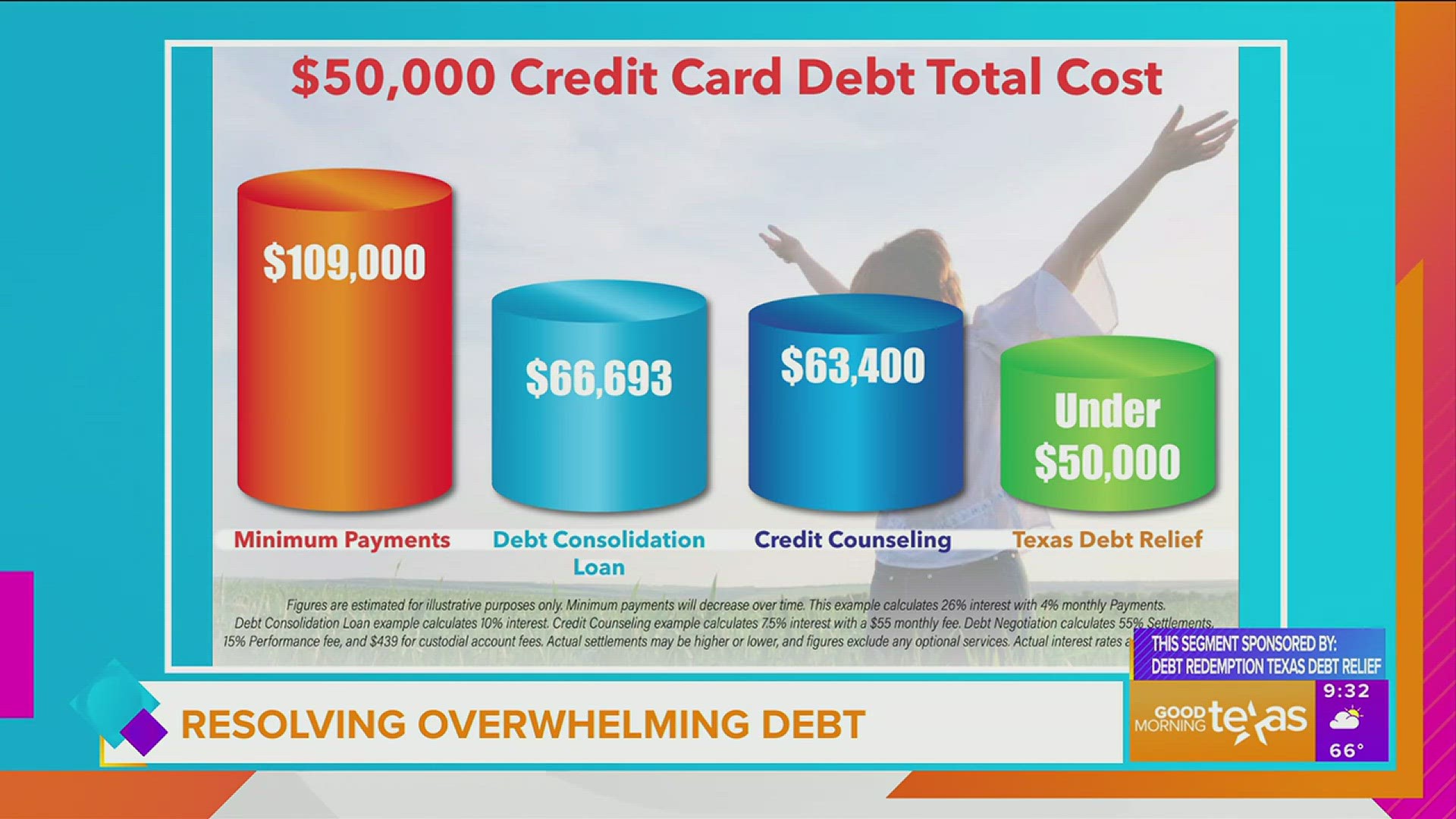
A DMP is not a grant, but it can feel like significant relief. In a DMP, the credit counseling agency negotiates with your creditors to lower your interest rates (often from 25%+ down to 0%–10%) and waive late fees. You make one monthly payment to the agency, which then distributes the funds to your creditors.
- Pros: Lower interest, simplified payments, stops collection calls.
- Cons: Requires closing your credit card accounts; takes 3–5 years to complete.
3. Debt Settlement
Debt settlement involves negotiating with creditors to allow you to pay a lump sum that is less than the total amount you owe. This is typically done through a professional firm or by the individual.
- Pros: Can significantly reduce the principal balance owed.
- Cons: Severe negative impact on credit scores; creditors may sue for the full balance; the forgiven debt may be considered taxable income by the IRS.
4. Debt Consolidation Loans
If you still have a decent credit score, you may qualify for a personal loan with a lower interest rate than your credit cards. You use the loan to pay off the cards and then focus on one monthly loan payment.
- Pros: Fixed monthly payment; lower interest rate; improves credit utilization ratio.
- Cons: Requires a good credit score; does not solve the underlying spending habits that led to the debt.
5. Bankruptcy (Chapter 7 and Chapter 13)
When debt becomes truly unmanageable, bankruptcy is a legal tool designed to provide a "fresh start." Chapter 7 involves liquidating non-exempt assets to pay creditors, while Chapter 13 creates a 3-to-5-year repayment plan.
- Pros: Legal protection from creditors; can discharge (wipe out) most unsecured credit card debt.
- Cons: Remains on credit reports for 7 to 10 years; can impact future employment and housing.
Comparison of Legitimate Debt Relief Options
The following table summarizes the most common verified methods for managing credit card debt in 2026.
| Method | Primary Goal | Typical Cost | Impact on Credit Score | Timeframe |
|---|---|---|---|---|
| Credit Counseling | Budgeting & Education | Free or Nominal Fee | Neutral to Positive | Ongoing |
| Debt Management Plan | Lower Interest Rates | Small Monthly Admin Fee | Moderate Temporary Dip | 3–5 Years |
| Debt Settlement | Reduce Principal Owed | 15%–25% of Enrolled Debt | Significant Negative | 2–4 Years |
| Consolidation Loan | Lower Interest / One Payment | Interest & Origination Fees | Neutral to Positive | 2–5 Years |
| Chapter 7 Bankruptcy | Discharge Entire Debt | Attorney & Filing Fees | Severe Negative | 4–6 Months |
| Chapter 13 Bankruptcy | Restructured Repayment | Attorney & Filing Fees | Severe Negative | 3–5 Years |
How to Vet a Debt Relief Company
If you decide to work with a company to resolve your debt, you must perform due diligence to ensure they are legitimate. The industry is rife with "fly-by-night" operations that rebrand every few months to stay ahead of regulators.
- Check 501(c)(3) Status: If they claim to be a non-profit, verify their status via the IRS Tax Exempt Organization Search tool.
- Look for Accreditation: Legitimate agencies are usually members of the NFCC or the Financial Counseling Association of America (FCAA).
- Review the Better Business Bureau (BBB): Look for a high rating and, more importantly, look at how the company responds to complaints.
- Verify State Licensing: Most states require debt adjustment or credit counseling firms to be licensed to operate within that state. Check with your State Attorney General’s office.
- Read the Fine Print: A legitimate company will provide a written contract that clearly outlines fees, the estimated timeframe, and the risks involved (including the potential for lawsuits from creditors).
Dealing with Creditors Directly
Before paying for any service, consider calling your credit card issuers directly. Most major banks have "Internal Hardship Programs." These are not advertised heavily, but if you can demonstrate a legitimate financial hardship (such as job loss, medical emergency, or divorce), the bank may temporarily lower your interest rate or allow you to skip payments without penalty.
When calling, ask for the "Rehabilitation Department" or the "Hardship Desk." Be prepared to provide a detailed budget showing your income and expenses. These programs are often more favorable than those offered by third-party settlement companies because they do not involve high service fees.
Frequently Asked Questions
Are there credit card debt relief grants specifically for single mothers or seniors?
No. While there are many government assistance programs (like WIC, SNAP, or SSI) designed to help vulnerable populations with basic living expenses, there are no specific grants for single mothers or seniors to pay off credit card balances. Be extremely wary of social media ads targeting these demographics with "Special 2026 Grant Programs."
I saw an ad for the "Obama Debt Relief" or "Biden Debt Relief" program. Is that real?
These are "zombie scams." These names are used by scammers to capitalize on previous administrations' names to lend an air of authority to their schemes. No current or former president has ever authorized a grant program to pay off personal credit card debt.
Can a non-profit "Grant" me money if I am in a crisis?
Some local charities, churches, or community organizations (like the St. Vincent de Paul Society or Salvation Army) may provide small, one-time emergency financial assistance. However, this is usually limited to preventing eviction or utility shutoff. They do not have the resources to pay off thousands of dollars in credit card debt.
Is "Debt Forgiveness" the same as a grant?
No. Debt forgiveness, often resulting from debt settlement or bankruptcy, means the creditor has agreed to stop trying to collect the debt. You are not "granted" money; rather, the debt is cancelled. It is important to note that the IRS generally views cancelled debt as income, meaning you may owe taxes on the amount that was forgiven.
How can I report a debt relief grant scam?
If you have been targeted or lost money to a scam, you should report it to the FTC at ReportFraud.ftc.gov. You should also contact your State Attorney General and the Consumer Financial Protection Bureau (CFPB). Reporting these scams helps regulators track and shut down fraudulent operations.
Practical Next Actions
If you are struggling with credit card debt in 2026, stop searching for "grants" and take these verified steps instead:
- Audit Your Debt: List every credit card, its balance, and its APR.
- Contact a Non-Profit: Reach out to an NFCC-accredited agency for a free counseling session. They can help you determine if a Debt Management Plan is right for you.
- Call Your Banks: Ask about internal hardship programs to see if you can lower your interest rates immediately.
- Protect Your Information: Never provide your Social Security number or bank account details to anyone promising a "debt relief grant."
The path to financial freedom is rarely found in a "free grant." It is built through structured repayment, negotiation, and, when necessary, the legal protections provided by the bankruptcy code.