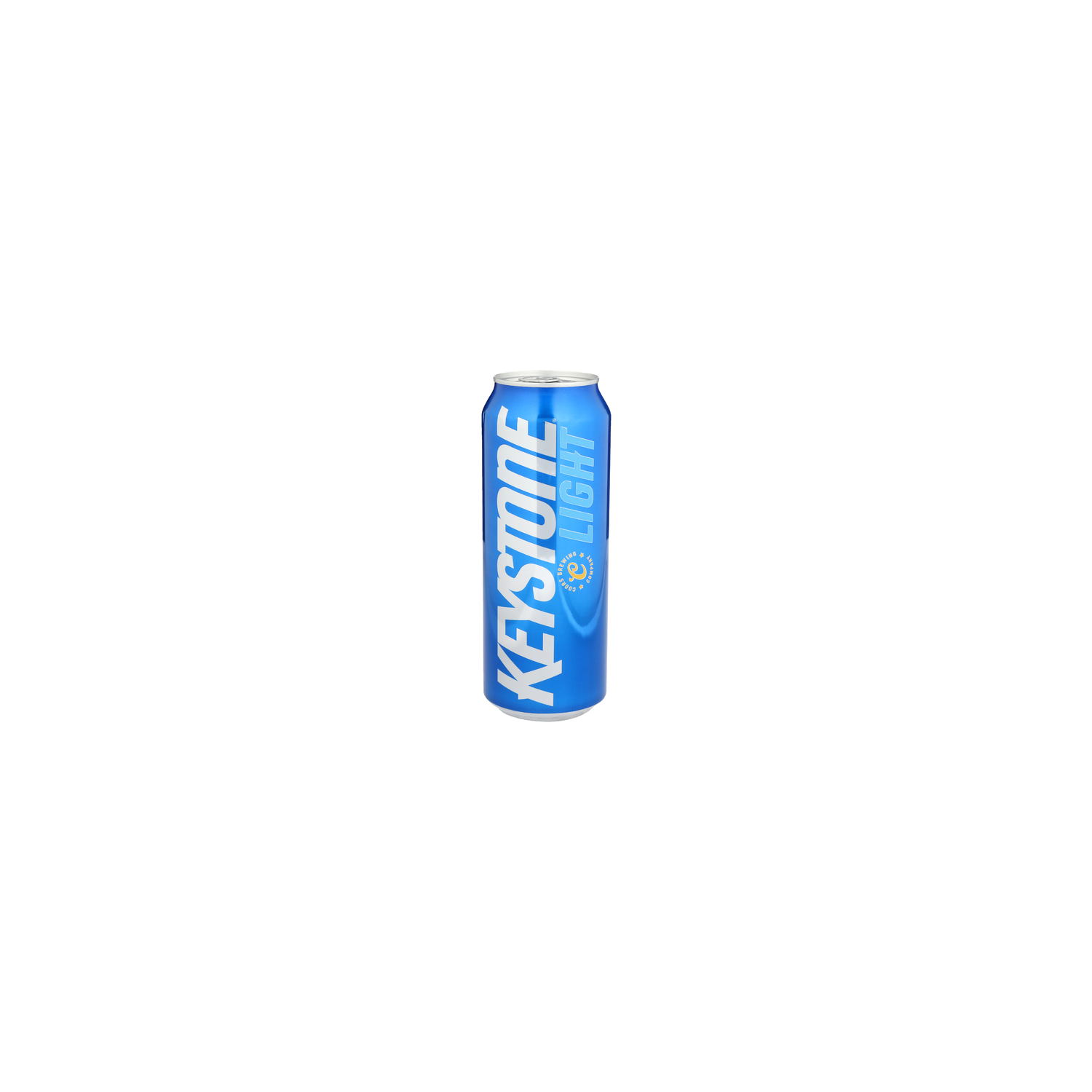
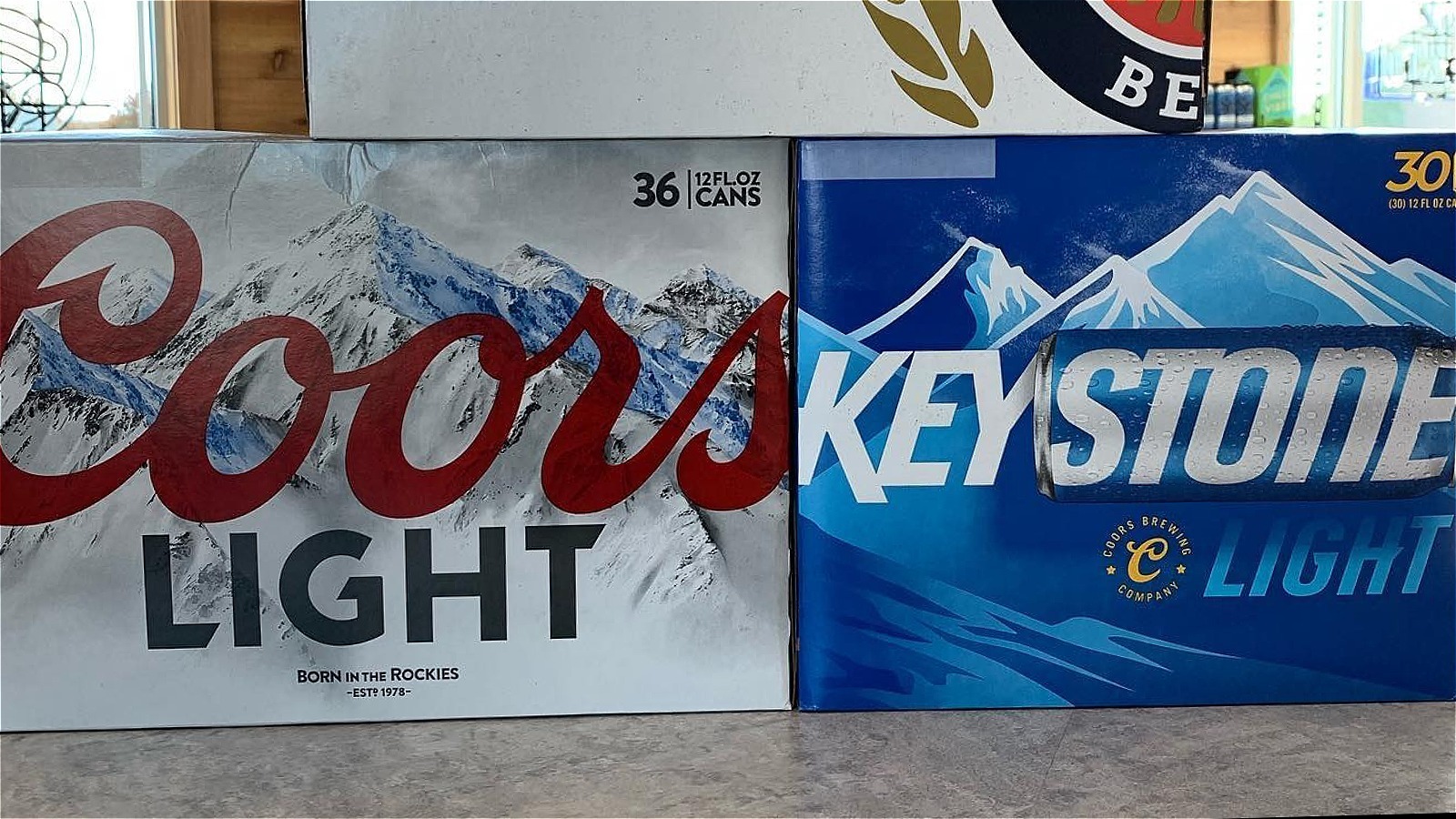
While Coors Light and Keystone Light are both produced by Molson Coors and share similar ingredients, they are not the same beer. They are brewed using distinct recipes, different fermentation profiles, and unique finishing processes. Keystone Light is a separate economy-brand formulation, not a "rejected" or "repackaged" version of Coors Light.
For decades, an urban legend has circulated through college campuses and barrooms suggesting that Keystone Light is simply Coors Light that failed to meet quality standards, or perhaps the exact same liquid poured into a more affordable can. As we look at the brewing landscape in 2026, the distinction between these two products remains a point of confusion for many consumers. To understand why they are different, one must look past the branding and into the technical specifications of high-gravity brewing, ingredient selection, and the strategic market positioning of Molson Coors.
The Molson Coors Portfolio: A Tale of Two Tiers
To understand the relationship between Coors Light and Keystone Light, it is necessary to understand the corporate structure that governs them. Both brands fall under the massive umbrella of Molson Coors Beverage Company. However, they occupy different rungs on the "price ladder."
Coors Light, famously known as the "Silver Bullet," was introduced in 1978. It is positioned as a premium light lager. This means it receives the lion's share of marketing investment, premium shelf placement, and is priced to compete with other top-tier light beers like Bud Light and Miller Lite.
Keystone Light, on the other hand, was introduced in 1989. Its primary purpose was to capture the "economy" or "value" segment of the market. By offering a product at a lower price point, Molson Coors can compete with other budget brands like Busch Light or Natural Light without devaluing the premium image of Coors Light. From a business perspective, it makes little sense to sell the exact same expensive-to-produce premium liquid at a discount price under a different name when you can formulate a specific recipe optimized for a lower price point.
Debunking the "Rejected Batch" Myth
The most persistent rumor regarding these two beers is that Keystone Light is "rejected Coors Light." The theory suggests that if a batch of Coors Light doesn't meet the specific gravity, color, or flavor standards required for the premium label, the brewery simply cans it as Keystone Light to avoid waste.
In the world of modern, large-scale industrial brewing, this is a logistical and technical impossibility. Facilities like the massive Coors Brewery in Golden, Colorado, operate with surgical precision. Quality control (QC) happens at every stage of the process—from the malting of the barley to the final packaging. If a batch of beer truly "failed" the rigorous standards of a multi-billion dollar brand like Coors Light, it would likely have off-flavors or consistency issues that would also make it unsuitable for Keystone Light.
Furthermore, the canning lines at these facilities are highly automated. Switching a line from Coors Light cans to Keystone Light cans requires specific scheduling and logistical coordination. You cannot simply "pivot" a failing batch into a different brand’s packaging on a whim. Each brand has its own designated brewing schedule and "bill of materials" (the specific list and quantity of ingredients).
Ingredient Profiles and Recipe Variations
While both beers are categorized as American Light Lagers, their internal chemistry differs. Both use traditional brewing ingredients: water, barley malt, corn (as an adjunct), hops, and yeast. However, the proportions and specific varieties of these ingredients vary.
The Role of Adjuncts
In American light lagers, "adjuncts" are non-malt sources of fermentable sugar. Molson Coors typically uses corn syrup (specifically refined corn sugars) as an adjunct. It is important to note that this is not high-fructose corn syrup; rather, it is a sugar source that yeast consumes entirely during fermentation, leaving behind alcohol and carbon dioxide without adding the heavy body or sweetness associated with all-malt beers.
Coors Light is formulated to be "Cold Filtered" and "Cold Lagered," emphasizing a very clean, crisp finish with minimal residual sweetness. Keystone Light’s recipe is adjusted to emphasize "smoothness," which often involves a slightly different hopping schedule or a variation in the water-to-grain ratio during the mashing process.
Yeast Strains and Fermentation
Even if two beers used identical ingredients, different yeast strains or fermentation temperatures would produce different results. While Molson Coors guards its proprietary yeast strains closely, it is standard practice in the industry to use specific strains that produce the desired ester profile (the fruity or spicy flavors produced by yeast) for each brand. Coors Light is designed to be exceptionally neutral, whereas Keystone Light is allowed to have a slightly different sensory profile that fits its "Always Smooth" marketing hook.
Technical Specifications: ABV, Calories, and Carbs
When comparing the two beers side-by-side in 2026, the technical data points provide the clearest evidence of their distinct identities. Even minor variations in Alcohol by Volume (ABV) and caloric content indicate different fermentation targets.
| Feature | Coors Light | Keystone Light |
|---|---|---|
| Alcohol by Volume (ABV) | 4.2% | 4.1% |
| Calories (per 12 oz) | 102 | 104 |
| Carbohydrates | 5.0g | 5.1g |
| Protein | <1.0g | <1.0g |
| Color (SRM) | ~2.0 (Very Pale) | ~2.2 (Pale Straw) |
| IBU (Bitterness) | 10 | 6-8 |
| Primary Adjunct | Corn | Corn |
The 0.1% difference in ABV might seem negligible to a casual drinker, but in a production run of millions of barrels, that represents a massive difference in the "high-gravity" blending process.
High-Gravity Brewing: Where the Confusion Starts
The technical reason why people often think these beers are the same lies in a process called High-Gravity Brewing. This is the standard method used by almost all major global brewers.
In high-gravity brewing, the brewery produces a very concentrated version of the beer (the "high-gravity" base) that has a much higher alcohol content than the final product. Before the beer is packaged, it is blended with "de-aerated water" (water that has had all oxygen removed to prevent spoilage) to reach the exact target ABV and flavor profile.
Because Coors Light and Keystone Light are often brewed in the same facility, they may share the same water source and similar base malts. A skeptic might argue that the brewery just takes the same high-gravity base and dilutes it less for one and more for the other. However, the "base" for Coors Light is specifically engineered to meet the sensory requirements of Coors Light after dilution. Keystone Light has its own specific base wort designed for its own target profile. They are parallel processes, not a single process that splits at the end.
Sensory Experience: Taste and Mouthfeel
If you were to perform a blind taste test, most seasoned light beer drinkers could identify the differences between the two, though they are subtle.
- Aroma: Coors Light typically has a very faint, sweet malty aroma with almost no hop presence. Keystone Light often has a slightly more pronounced "grainy" or "corn-like" aroma.
- Mouthfeel: Coors Light is highly carbonated, which contributes to its "crisp" and "refreshing" reputation. Keystone Light is intentionally carbonated at a slightly different level to enhance the "smoothness" and reduce the "bite" on the back of the throat.
- Finish: Coors Light is designed to vanish from the palate quickly. Keystone Light tends to have a slightly more lingering aftertaste, which is characteristic of many economy-tier lagers.
The "Smooth" branding of Keystone isn't just marketing; it's a reflection of a lower bitterness (IBU) profile. While Coors Light is already very low in bitterness, Keystone is often even lower, removing any "hoppy" interference that might disrupt the easy-drinking nature of the beer.
The Logistics of Production: The "Liner" Theory
Another common source of the "same beer" myth comes from observers of the manufacturing process. At various times, eagle-eyed consumers have noticed that if they scratch the paint off a Keystone Light can, they see Coors Light branding underneath (or vice versa).
This is a real phenomenon, but it does not mean the liquid inside is the same. It is a matter of supply chain efficiency. Occasionally, a brewery may have an oversupply of pre-printed cans for one brand that are no longer needed (perhaps due to a packaging design change). Rather than recycling the aluminum—which is energy-intensive—they may run those cans through a "re-sleeving" or "over-printing" process to use them for a different brand. In 2026, with sustainability being a primary goal for Molson Coors, the reuse of materials is common, but the canning line is still filled from the specific bright tank containing the intended recipe.
Pricing and Consumer Perception
The final major difference is the price. In 2026, a 30-pack of Keystone Light typically retails for significantly less than a 30-pack of Coors Light. This price gap covers more than just the liquid.
- Marketing Costs: Coors Light pays for massive advertising campaigns, stadium naming rights, and high-profile sponsorships. Keystone Light relies largely on its "value" reputation and "Always Smooth" heritage.
- Packaging: While both use aluminum, Coors Light often utilizes temperature-sensitive "blue mountains" ink technology, which adds a marginal cost to the production of every can. Keystone Light uses more traditional, less expensive printing techniques.
- Distribution: Premium brands often have stricter requirements for how they are displayed and rotated in retail environments.
Common Misconceptions and Troubleshooting the Taste
Many people claim they "can't tell the difference," which is understandable. The American Light Lager style is defined by its lack of aggressive flavors. Here are a few reasons why your experience might vary:
- Temperature: If both beers are served ice-cold (near 32°F or 0°C), your taste buds are essentially numbed. At this temperature, almost all light lagers taste identical: cold and carbonated. To truly taste the difference, let them warm up to about 45°F.
- Freshness: A "fresh" Keystone Light will almost always taste better than an "old" Coors Light that has been sitting in a warm warehouse. Light lagers are very susceptible to light and heat damage.
- Glassware: Drinking from the can limits your ability to smell the beer. Pouring them into clean glasses will reveal the subtle differences in head retention and aroma.
FAQs
Is Keystone Light just "watered down" Coors Light?
No. While both beers involve blending a concentrated base with water (high-gravity brewing), they start with different recipes. Keystone Light is its own distinct formula with its own target alcohol content and caloric count. It is not a diluted version of the Coors Light final product.
Why does Keystone Light cost so much less if it's not the same?
The lower price of Keystone Light is due to a combination of lower marketing expenses, simpler packaging, and a recipe that is optimized for cost-efficiency. It is a strategic "economy" brand designed to compete in a different market segment than the "premium" Coors Light.
Are they brewed in the same locations?
Yes, Molson Coors brews both brands at many of the same large-scale facilities, such as those in Golden, Colorado, and Albany, Georgia. Sharing a facility allows the company to maximize efficiency, but they use different tanks and production schedules for each brand.
Does Coors Light use better ingredients than Keystone Light?
"Better" is subjective, but Coors Light generally uses a more expensive hop profile and has stricter requirements for its malt consistency to maintain its premium flavor profile. Keystone Light uses high-quality ingredients as well, but the recipe is designed to be "smooth" and approachable rather than "premium."
Why do some cans of Keystone have Coors logos underneath the paint?
This happens when the brewery has excess stock of one brand's cans and decides to repurpose them by printing a new label over the old one. This is a common sustainability practice in the aluminum industry and does not reflect the liquid inside the can.
Which beer has more alcohol?
Coors Light typically has 4.2% ABV, while Keystone Light has 4.1% ABV. This 0.1% difference is intentional and is part of the specific recipe for each brand.
Final Recommendation
If you are looking for a beer that is the pinnacle of the "crisp and refreshing" American light lager style and you don't mind paying a premium for a consistent, world-renowned brand, Coors Light remains the gold standard. Its higher carbonation and specific cold-lagering process provide a cleaner finish that many find superior for hot weather or food pairings.
However, if you are shopping on a budget and want a beer that is explicitly designed to be "smooth" and easy to drink in larger quantities, Keystone Light is an excellent value proposition. It is not "bad" Coors Light; it is a well-engineered economy lager that delivers exactly what it promises for its price point.
Ultimately, while they share a parent company and a general style, they are distinct products. The best way to settle the debate is to conduct your own side-by-side taste test—just make sure both are chilled to the same temperature to keep the comparison fair.