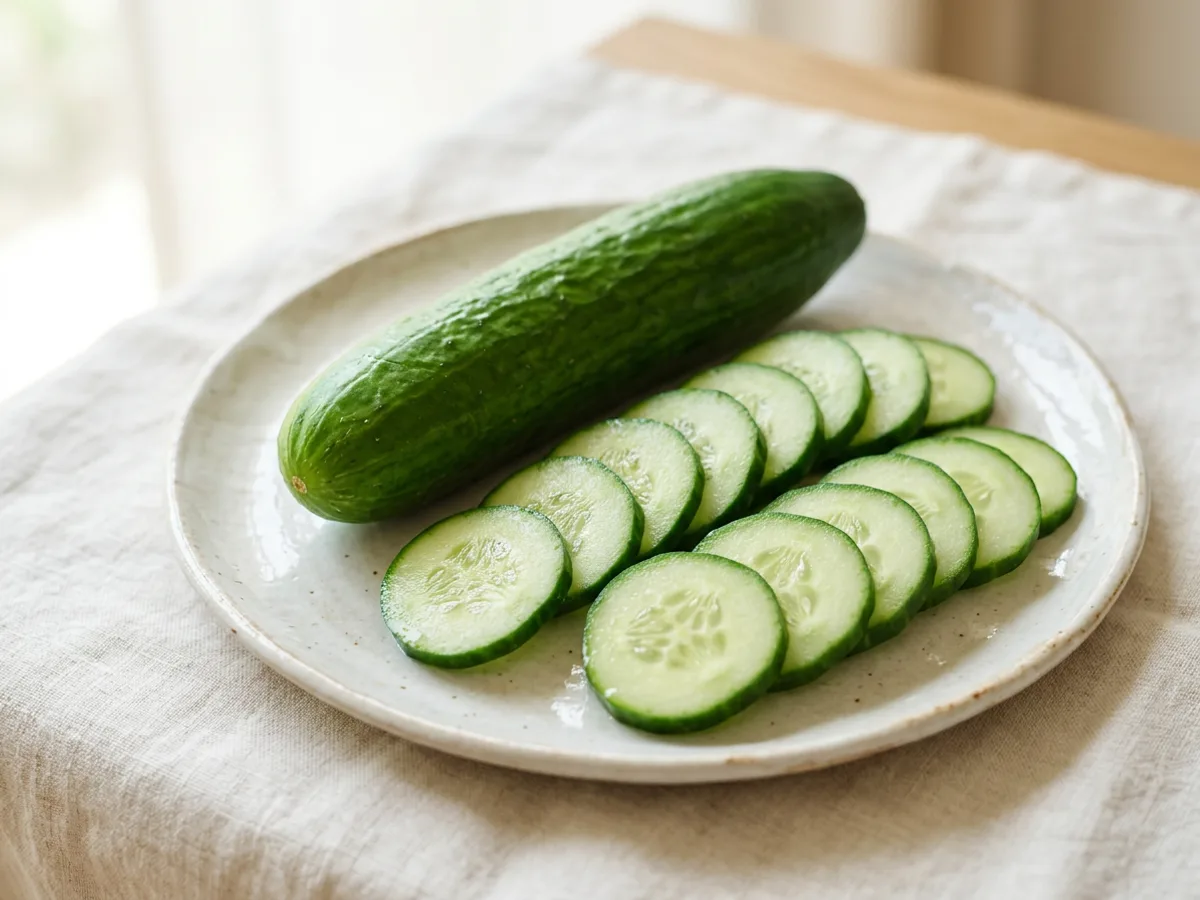
As of early 2026, cucumbers are generally safe to eat for the majority of consumers, provided there are no active local advisories in your specific region. While past years have seen significant multi-state recalls due to Salmonella contamination, current regulatory monitoring by the FDA and CDC indicates that the commercial supply chain is stable. Always verify individual brand labels against recent recall lists.
Understanding the Current Food Safety Landscape for Produce
In 2026, the safety of fresh produce like cucumbers is managed through a complex web of federal oversight, technological traceability, and rigorous agricultural standards. To answer whether cucumbers are "safe" at any given moment, one must distinguish between general risk and specific, actionable alerts. Most cucumbers found in supermarkets—whether they are the common slicing variety, seedless English cucumbers, or small Persian varieties—undergo strict testing before reaching the shelf.
The primary concern regarding cucumber safety typically involves bacterial pathogens. Unlike canned or frozen goods, fresh cucumbers are often consumed raw, meaning there is no "kill step" (such as high-heat cooking) to eliminate bacteria like Salmonella or Listeria monocytogenes. Consequently, the safety of the product relies entirely on the cleanliness of the water used for irrigation, the hygiene of the harvesting crew, and the sanitation of the packing facilities.
For the current 2026 season, the FDA’s Coordinated Outbreak Response and Evaluation (CORE) signals indicate that while sporadic, localized recalls occur, there is no widespread "do not eat" advisory for all cucumbers. Consumers are encouraged to remain vigilant by checking the FDA’s Recalls, Market Withdrawals, & Safety Alerts database, which provides real-time updates on specific lot codes and brands that may be affected by contamination.
Lessons from Past Recalls: The 2024-2025 Context
To understand why safety questions persist in 2026, we must look at the significant outbreaks of 2024. During that period, hundreds of illnesses were linked to cucumbers contaminated with Salmonella Africana and Salmonella Braenderup. These outbreaks were particularly challenging because they involved multiple growers and distributors, leading to a massive effort to trace the produce back to specific farms in Florida and other regions.
The investigations revealed that untreated irrigation water was a likely culprit. This led to a significant shift in agricultural policy, specifically the full implementation of the FDA’s Food Safety Modernization Act (FSMA) Produce Safety Rule regarding agricultural water. By 2026, these stricter standards require growers to conduct more frequent water testing and implement corrective actions if generic E. coli levels exceed safety thresholds.
These historical events have fundamentally changed how cucumbers are processed. Many large-scale distributors now employ advanced UV-C light treatment or enhanced chlorinated wash systems to reduce the microbial load on the cucumber's skin. However, because cucumbers are often waxed to preserve moisture, pathogens can sometimes become trapped beneath the wax layer, making them difficult to wash off at home. This technical reality is why "safety" is often a matter of prevention at the farm level rather than cleaning at the kitchen level.
Common Pathogens Associated with Cucumbers
When a cucumber is deemed "unsafe," it is usually due to the presence of one of three primary biological hazards. Understanding these pathogens helps consumers understand why specific symptoms occur and why certain populations (the elderly, children, and the immunocompromised) must be more cautious.
Salmonella
Salmonella is the most frequent cause of cucumber-related recalls. It is a hardy bacterium that can survive in dry environments and is often introduced via contaminated soil or irrigation water. In humans, it causes salmonellosis, characterized by diarrhea, fever, and abdominal cramps. Most people recover without treatment, but in 2026, medical professionals still warn that severe cases can lead to arterial infections or endocarditis if the bacteria enters the bloodstream.
Listeria Monocytogenes
While less common in cucumbers than in leafy greens or cantaloupe, Listeria is a significant concern because it can thrive in cool, damp environments like packing sheds and refrigerators. Unlike Salmonella, Listeria can cause serious illness (listeriosis) weeks after exposure. For pregnant individuals, Listeria is particularly dangerous as it can lead to miscarriage or stillbirth, even if the mother feels only mild flu-like symptoms.
Cyclospora Cayetanensis
Cyclospora is a microscopic parasite that causes a lingering intestinal illness called cyclosporiasis. It is often linked to imported produce. Because it requires time outside the host to become infectious, person-to-person transmission is rare; instead, it is almost always contracted through contaminated water or soil.
How to Verify the Safety of Your Cucumbers
If you hear news of a recall, you need to know how to identify if the cucumbers in your crisper drawer are part of the affected batch. This is not always straightforward, as many cucumbers are sold bulk without individual stickers.
| Cucumber Type | Typical Packaging | How to Identify | Risk Factor |
|---|---|---|---|
| Slicing (American) | Bulk / Unwrapped | Look for PLU 4062; check the bin's origin label. | Highest risk for wax-trapped bacteria. |
| English (Hothouse) | Plastic Shrink-wrapped | Check the brand printed on the plastic sleeve. | Lower soil contact risk; high handling risk. |
| Persian / Mini | Bagged or Clamshell | Lot codes and "Best By" dates are printed on the bag. | Easiest to trace via packaging data. |
| Kirby (Pickling) | Bulk / Farmer's Market | Ask the vendor directly about water sources. | Often unwaxed, but short shelf life. |
Using the FSMA 204 Traceability Rule
By 2026, the FDA’s Food Traceability Rule (Rule 204) has reached full maturity. This means that for "high-risk" foods—including cucumbers—retailers and wholesalers are required to maintain detailed records of "Key Data Elements" (KDEs). If you are unsure about the safety of a cucumber at a grocery store, the store manager should, in theory, be able to trace that specific batch back to its source within hours. As a consumer, your best tool is the Traceability Lot Code, which is increasingly appearing on consumer-facing digital receipts or store-level signage during active alerts.
Best Practices for Cleaning and Handling
Even when there is no active recall, the "safety" of a cucumber depends heavily on how it is handled once it enters your home. Bacteria can be transferred from the skin to the flesh the moment you slice into the vegetable.
The Friction Wash Method
The most effective way to clean a cucumber is not through expensive vegetable soaps, which the FDA actually discourages, but through mechanical friction.
- Hand Hygiene: Wash your hands for 20 seconds with warm soap and water before handling produce.
- Running Water: Hold the cucumber under cool, running tap water.
- Produce Brush: Use a clean, dedicated produce brush to scrub the skin firmly. This is essential for waxed cucumbers, as the brush helps break the surface tension of the wax where bacteria may be lodged.
- Drying: Dry the cucumber with a clean paper towel. This further removes any loosened bacteria.
Avoiding Cross-Contamination
Cross-contamination is a major cause of foodborne illness in the home. If a cucumber has a low level of Salmonella on its skin, and you use the same cutting board for the cucumber and then for cooked chicken or bread, you are spreading the pathogen. Always use separate cutting boards for produce and proteins, and sanitize boards in a dishwasher or with a diluted bleach solution after each use.
The Role of Waxing in Cucumber Safety
Most cucumbers found in North American grocery stores are coated with a thin layer of food-grade wax (such as carnauba or shellac). This wax serves a dual purpose: it prevents moisture loss, extending shelf life, and it protects the vegetable from bruising during transport. However, from a safety perspective, wax is a double-edged sword.
Research has shown that if a cucumber is contaminated before the waxing process, the wax can essentially seal the bacteria onto the surface, making it nearly impossible to wash off with water alone. In 2026, many high-end producers have shifted toward "smart coatings" that contain antimicrobial properties, but the standard wax used on bulk slicing cucumbers remains the same. If you are in a high-risk group (e.g., undergoing chemotherapy or are over age 65), peeling the cucumber is the safest option, as it removes the surface and the wax entirely.
What to Do If a Recall Is Announced
If a recall is announced and you have the product in your home, follow these steps immediately:
- Do Not Taste It: You cannot see, smell, or taste Salmonella or Listeria. Even a small bite can lead to illness.
- Secure Disposal: Place the cucumbers in a sealed plastic bag and throw them in the outdoor trash. This prevents pets or wildlife from accessing the contaminated food.
- Sanitize the Environment: This is a step many skip. Pathogens can survive on refrigerator shelves. If the recalled cucumbers were stored in a crisper drawer, remove all other produce, wash the drawer with hot, soapy water, and then sanitize it with a solution of one tablespoon of unscented bleach per gallon of water.
- Check for Symptoms: If you have already consumed the cucumbers, monitor for fever, diarrhea, or persistent stomach upset for up to 72 hours (or longer for Listeria).
Frequently Asked Questions
Can I just wash the cucumbers with vinegar to make them safe?
While a vinegar-and-water soak (typically 1 part vinegar to 3 parts water) can reduce surface bacteria, it is not a 100% guarantee of safety if the product is heavily contaminated or if the bacteria are trapped under wax. It is more effective than water alone, but it cannot "save" a recalled product. If a cucumber is part of a known recall, you should discard it regardless of how you plan to wash it.
Are organic cucumbers safer than conventional ones?
Not necessarily in terms of bacterial pathogens. While organic cucumbers are grown without synthetic pesticides, they are still susceptible to Salmonella and Listeria through natural fertilizers (manure) or contaminated irrigation water. In some cases, the risk can even be slightly higher if the manure is not properly composted. Safety depends more on the farm's water management and hygiene practices than its organic certification.
Is it safe to eat cucumbers if I peel them?
Peeling significantly reduces the risk of consuming pathogens that are on the surface or in the wax. However, the act of peeling can drag bacteria from the skin onto the flesh via the peeler. To mitigate this, wash the cucumber thoroughly before peeling, and ensure the peeler is sanitized. If there is a "Do Not Eat" order for all cucumbers from a specific region, peeling is not considered a sufficient safety measure.
Why do cucumbers seem to be recalled more often than other vegetables?
Cucumbers are more prone to certain types of contamination because they grow directly on or near the ground. They have a high water content and a skin that can harbor biofilms (colonies of bacteria). Additionally, the waxing process used for cucumbers is unique and can protect bacteria from environmental stressors that might otherwise kill them on a non-waxed vegetable.
How long do symptoms of cucumber-borne illness last?
For Salmonella, symptoms usually appear within 6 to 72 hours and last for 4 to 7 days. For Cyclospora, symptoms can take a week to appear and may last for a month or longer if not treated with specific antibiotics. Listeria symptoms can be delayed for up to two months. If you suspect you have a foodborne illness, contact a healthcare provider and mention the specific food you consumed.
Practical Recommendation
To ensure you are eating cucumbers safely in 2026, the best course of action is to stay informed through official channels. Before your weekly grocery trip, a quick 30-second check of the FDA Recall List or the CDC Outbreak Page can provide peace of mind. At the store, prioritize cucumbers with clear brand labeling or those that are plastic-wrapped, as these are much easier to trace if a recall occurs later. In the kitchen, adopt the "scrub and dry" method for all cucumbers, and consider peeling them if you or a family member are in a high-risk health category. By combining regulatory awareness with proper kitchen hygiene, you can continue to enjoy cucumbers as a healthy part of your diet with minimal risk.