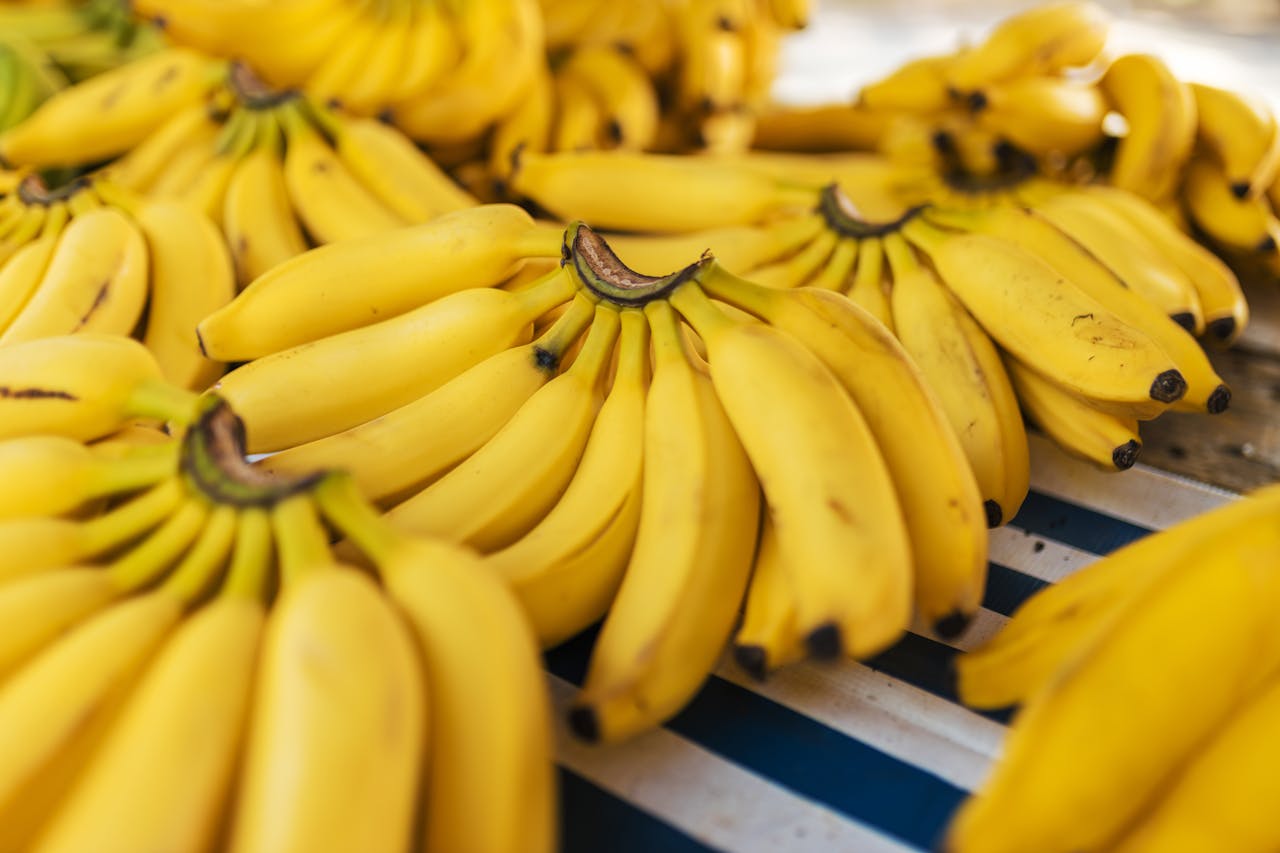
Conventional bananas remain one of the most cost-effective, nutrient-dense, and convenient foods available in 2026. For the average consumer, they are absolutely worth the hype due to their protective thick skins, which minimize pesticide ingestion, and their consistent nutritional profile, which rivals much more expensive organic alternatives and "superfoods."
The Global Phenomenon of the Conventional Banana
The "hype" surrounding the banana is not a product of modern marketing but a result of a century of logistical perfection. As we navigate the food landscape of 2026, the conventional banana—specifically the Cavendish variety—continues to dominate global produce sales. Its reputation as "nature’s perfect snack" stems from its self-contained packaging, year-round availability, and predictable ripening cycle. However, as consumers become increasingly concerned with "clean label" eating and sustainable agriculture, the value proposition of the conventional banana is frequently called into question.
To determine if these fruits truly live up to their status, one must look beyond the yellow peel. The debate centers on three primary pillars: nutritional density, chemical safety, and economic value. While high-end health trends often push for exotic alternatives like acai or dragon fruit, the humble conventional banana provides a foundational level of nutrition that is difficult to replace at its price point.
Nutritional Profile: Beyond the Potassium Myth
While bananas are synonymous with potassium, their nutritional complexity is often understated. A medium-sized conventional banana (approximately 118 grams) provides a sophisticated matrix of micronutrients and fiber that supports multiple bodily functions.
Essential Minerals and Heart Health
Potassium is an electrolyte vital for cardiovascular function and nerve signaling. In 2026, clinical guidelines continue to emphasize the importance of potassium in managing hypertension by neutralizing the effects of sodium. A single banana provides about 422mg of potassium, roughly 9% of the daily recommended intake for adults. However, the synergy between potassium and magnesium (providing about 8% of the Daily Value) is what makes the banana a potent tool for muscle recovery and heart rhythm regulation.
Vitamin B6 and Cognitive Function
One of the most overlooked aspects of the banana’s nutritional value is its high concentration of Vitamin B6 (Pyridoxine). A single serving provides nearly a quarter of the daily requirement. B6 is essential for neurotransmitter synthesis, including serotonin and dopamine, which regulate mood and sleep. It also plays a critical role in heme production, aiding in the prevention of certain types of anemia.
Dietary Fiber and Glycemic Response
Conventional bananas contain two main types of fiber: pectin and resistant starch. As a banana ripens, the resistant starch converts into simple sugars (fructose, glucose, and sucrose). For athletes, the higher sugar content of a ripe banana provides immediate energy. For those focused on gut health, a slightly green banana offers higher levels of resistant starch, which acts as a prebiotic, feeding beneficial gut bacteria and improving insulin sensitivity.
The Pesticide Question: Safety and the "Clean Fifteen"
The most significant hurdle for the reputation of conventional bananas is the use of synthetic pesticides and fungicides. Because the Cavendish is a monoculture—meaning every plant is a genetic clone—it is highly susceptible to diseases like Black Sigatoka and Panama Disease (TR4). To maintain global yields, conventional farming relies on chemical interventions.
The Protective Barrier of the Peel
The saving grace for the consumer is the banana's thick, fibrous exocarp (the peel). Unlike strawberries or leafy greens, where the edible portion is directly exposed to sprays, the banana fruit is physically shielded. Data from the USDA and equivalent international food safety bodies in 2026 consistently place bananas on the "Clean Fifteen" list—a ranking of produce with the lowest pesticide residues found on the edible portion.
Systemic vs. Contact Pesticides
Critics often point to systemic pesticides, which are absorbed by the plant's roots and distributed through its tissues. While trace amounts can be detected in the pulp, these levels are historically well below the Maximum Residue Limits (MRLs) established by health regulators. For the vast majority of the population, the nutritional benefits of consuming the fruit far outweigh the negligible risks associated with these trace residues. However, for those with extreme chemical sensitivities or those following a strictly "zero-residue" lifestyle, organic remains the preferred, albeit more expensive, path.
Economic Analysis: The Value Gap in 2026
In 2026, global inflation and supply chain shifts have impacted produce pricing, yet the conventional banana remains one of the few "inflation-proof" items in the grocery store.
| Feature | Conventional Banana | Organic Banana |
|---|---|---|
| Average Price (per lb) | $0.60 – $0.85 | $0.99 – $1.30 |
| Pesticide Residue (Edible) | Trace to Negligible | Non-detected |
| Nutritional Content | High (Identical to Organic) | High (Identical to Conventional) |
| Availability | Universal (99% of stores) | Variable (Specialty/High-end) |
| Environmental Impact | Higher (Synthetic Inputs) | Lower (Natural Fertilizers) |
| Shelf Life | 5–7 days | 4–6 days (often ripens faster) |
The price difference, while seemingly small per pound, represents a 30% to 50% premium for organic certification. For a family of four consuming a bunch per week, the annual savings of choosing conventional can exceed $100. Given that the nutritional output is virtually identical, the "hype" for conventional bananas is economically justified for budget-conscious households.
Environmental and Ethical Considerations
While the "worth" of a banana is clear from a consumer's health and wallet perspective, the environmental cost tells a different story. The "hype" often ignores the ecological footprint of large-scale conventional plantations.
Monoculture and Biodiversity
Conventional banana farming is the definition of a monoculture. Because Cavendish bananas are seedless and sterile, they are propagated via suckers. This lack of genetic diversity means that a single pathogen could potentially wipe out the entire global industry. This fragility requires the heavy use of fungicides, which can leach into local water supplies near plantations in Central America, South America, and Southeast Asia.
Carbon Footprint and Logistics
Bananas are harvested green and shipped in temperature-controlled containers. While this allows for year-round availability, it involves significant energy expenditure. However, compared to air-fretted berries or out-of-season stone fruits, the carbon footprint of a banana shipped by sea is relatively low per calorie provided.
Labor Practices
The conventional banana industry has faced decades of scrutiny regarding labor rights. In 2026, while "Fair Trade" certifications have become more common, many conventional brands still operate on thin margins that can pressure labor conditions. Consumers who weigh ethical "worth" as heavily as nutritional "worth" may find the standard conventional banana lacking in this specific area.
The Future of the Banana: Beyond the Cavendish
As we look at the status of the banana in 2026, the industry is at a crossroads. The "hype" may soon shift from the Cavendish to new hybrids designed to be resistant to the TR4 fungus. These new "conventional" varieties may require fewer chemical inputs, potentially bridging the gap between current conventional and organic standards.
Furthermore, specialty bananas like the Manzano (apple banana) or the Red Dacca are gaining traction. While these are currently more expensive and difficult to find, they offer different flavor profiles and nutrient densities (Red bananas, for example, have more beta-carotene and Vitamin C). For now, however, the standard yellow banana remains the undisputed king of the produce aisle.
How to Maximize the Value of Conventional Bananas
To ensure you are getting the most "worth" out of your purchase, consider these practical steps:
- Wash the Peel: Even if you don't eat it, washing the outside of a conventional banana before peeling prevents the transfer of surface residues or bacteria to your hands and then to the fruit.
- Proper Storage: Keep bananas away from other ethylene-sensitive fruits (like apples) unless you want to speed up ripening. To slow down ripening, wrap the stems in plastic wrap to seal in the ethylene gas.
- Utilize All Stages: Green bananas are excellent for starch-heavy cooking or prebiotic benefits. Yellow bananas are ideal for snacks. Brown/spotted bananas have the highest antioxidant levels and are best for baking or smoothies.
- Compost the Peel: The peel is rich in nitrogen and potassium. Instead of throwing it in the trash, composting it returns those nutrients to the soil, offsetting some of the environmental downsides of conventional farming.
Frequently Asked Questions
Are conventional bananas less nutritious than organic ones?
No. Multiple peer-reviewed studies and agricultural analyses confirm that the macronutrient (sugar, fiber) and micronutrient (vitamins, minerals) profiles of conventional and organic bananas are essentially the same. The difference lies in the farming methods, not the internal nutritional density.
Why are conventional bananas so much cheaper than other fruits?
The low cost is due to massive economies of scale, highly optimized shipping routes, and the use of the Cavendish variety, which is bred for high yield and durability during transport. Additionally, conventional farming utilizes synthetic fertilizers that are generally cheaper and more concentrated than organic alternatives.
Is it safe to eat conventional bananas every day?
For most people, yes. A banana a day provides excellent fiber and potassium. However, individuals with late-stage kidney disease should consult their doctor, as their bodies may struggle to process the high levels of potassium. Also, because they are relatively high in carbohydrates, those monitoring their blood sugar should pair them with a protein or fat source.
Do conventional bananas contain GMOs?
As of 2026, the vast majority of conventional bananas (Cavendish) are not Genetically Modified Organisms (GMOs) in the way most people define them. They are clones of a natural mutation. While researchers are developing CRISPR-edited bananas to survive the TR4 fungus, these are not yet the standard "conventional" banana found in most grocery stores.
Can the pesticides on conventional bananas cause health issues?
The levels found on the edible portion of the fruit are typically 10 to 100 times lower than the safety thresholds set by the EPA and WHO. While chronic exposure to high levels of pesticides is a concern for farmworkers, the risk to the end consumer is considered extremely low by the scientific community.
Recommendation for 2026 Consumers
The conventional banana is worth the hype for those seeking a reliable, nutrient-dense, and affordable source of energy. Its natural "packaging" makes it one of the safest conventional fruits to consume regarding pesticide exposure. Unless you have a specific medical requirement for a zero-pesticide diet or you prioritize environmental and labor ethics above all else (in which case, seek out Fair Trade Organic), the conventional banana remains a nutritional gold mine that belongs in any balanced diet.