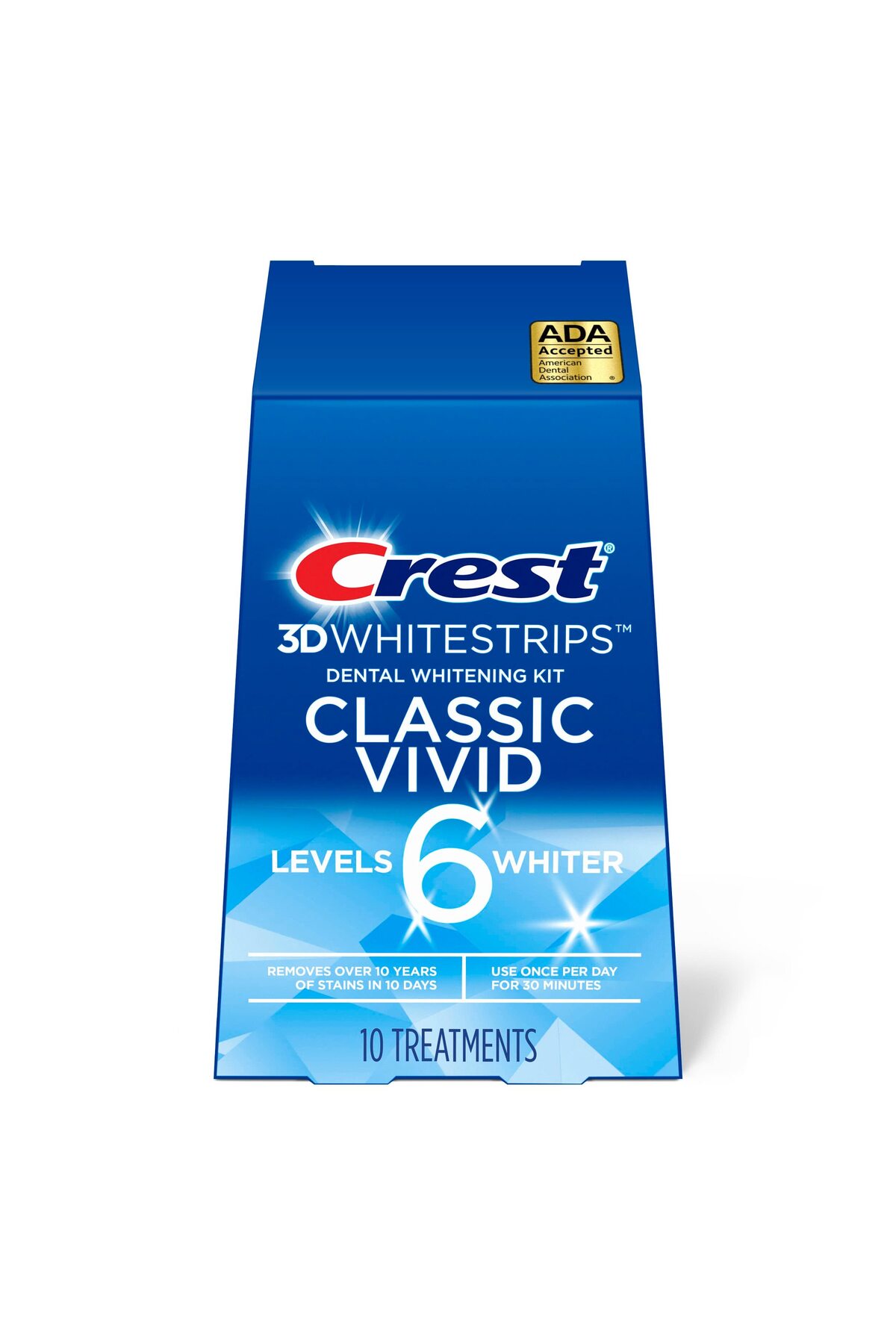
Crest Whitening Strips are generally safe for dental health when used according to manufacturer instructions. They utilize hydrogen peroxide to oxygenate internal tooth stains without eroding enamel. However, improper use can lead to temporary tooth sensitivity and gum irritation. They are not recommended for individuals with untreated cavities, gum disease, or dental restorations.
Note: This article is for informational purposes and does not substitute for professional medical advice. Always consult with a licensed dentist before beginning any chemical whitening regimen.
Understanding the Active Ingredients in Crest Whitening Strips
To determine if Crest Whitening Strips are "bad" for you, we must first examine the chemical composition of the product. As of 2026, the primary active ingredient in the Crest 3DWhitestrips line remains hydrogen peroxide. This is the same bleaching agent used in professional dental offices, albeit at a lower concentration for over-the-counter (OTC) use.
Hydrogen peroxide works through a process of oxidation. When the strip is applied to the teeth, the peroxide gel penetrates the porous crystalline structure of the enamel. It reaches the underlying dentin layer, where it breaks down the complex carbon-based molecules that cause discoloration. These molecules, known as chromogens, are responsible for the yellowing associated with coffee, tea, wine, and aging. By breaking the chemical bonds of these pigments, the peroxide makes the teeth appear whiter without physically removing any tooth structure.
Other ingredients typically include water, glycerin (to prevent the strips from drying out), carbomer (for gel consistency), and sodium hydroxide (to balance pH levels). While these ingredients are standard in the oral care industry, the concentration of peroxide is what determines both the efficacy and the potential for irritation. In 2026, Crest offers various formulations ranging from "Sensitive" versions with lower peroxide levels to "Professional Effects" versions designed for faster results.
How Whitening Strips Interact with Tooth Enamel
A common misconception is that whitening strips "strip" or "sand down" the enamel. In reality, the process is chemical, not mechanical. Enamel is the hardest substance in the human body, composed primarily of hydroxyapatite crystals. Under a microscope, enamel has a porous, prism-like structure.
When you apply a whitening strip, the peroxide flows into these microscopic pores. Research published by the American Dental Association (ADA) has consistently shown that at the concentrations found in Crest products, the peroxide does not cause permanent structural damage or thinning of the enamel when used as directed. The chemical reaction is targeted specifically at the organic stain molecules, leaving the inorganic mineral structure of the tooth intact.
However, the "pores" of the enamel remain slightly more open immediately after treatment. This is why dentists often recommend avoiding highly pigmented foods like blueberries or red wine for at least 48 to 72 hours after whitening. If the enamel is subjected to excessive or overly frequent whitening treatments, there is a risk of increasing the mineral porosity to a point where the teeth become temporarily more brittle or prone to staining, but this is a result of misuse rather than the product itself being inherently "bad."
Common Side Effects and Risks
While the products are safe for the general population, they are not without side effects. Understanding these risks is essential for determining if the treatment is appropriate for your specific dental profile.
Dentinal Hypersensitivity
The most frequently reported side effect of Crest Whitening Strips is tooth sensitivity. This occurs because the peroxide travels through the enamel into the dentinal tubules—tiny channels that lead directly to the nerve of the tooth. The oxidation process can temporarily irritate the pulp (the living tissue inside the tooth), leading to "zings" or sharp pains when consuming hot or cold substances.
In most cases, this sensitivity is transient, lasting only 24 to 48 hours after the treatment is discontinued. In 2026, many users manage this by using potassium nitrate-based toothpastes, which help desensitize the nerve endings.
Soft Tissue (Gum) Irritation
If the whitening strip overlaps with the gingival tissue (the gums), the hydrogen peroxide can cause a mild chemical burn. This often manifests as white spots on the gums or a stinging sensation. While these white spots usually disappear within a few hours as the tissue rehydrates and sheds the oxidized cells, repeated irritation can lead to inflammation or receding gums in sensitive individuals. Precision in application—ensuring the strip covers only the teeth and not the soft tissue—is the primary way to mitigate this risk.
2026 Safety Standards and the ADA Seal of Acceptance
As we look at the landscape of oral care in 2026, safety remains the paramount concern for consumers. Crest 3DWhitestrips (specifically the "Glamorous White" and "Professional Effects" varieties) famously earned the ADA Seal of Acceptance. This seal is not a mere marketing badge; it signifies that the product has undergone rigorous independent testing to prove it is both effective and safe for enamel when used according to the label.
To maintain this seal, manufacturers must provide clinical data showing that the product does not harm the gingiva or the internal structure of the tooth. The existence of this certification is a significant differentiator between Crest and many "natural" or "LED-enhanced" whitening kits found on social media marketplaces, which often lack regulatory oversight or clinical validation.
Who Should Avoid Using Whitening Strips?
Despite their general safety, there are several groups of people for whom Crest Whitening Strips could be considered "bad" or at least counterproductive.
- Individuals with Untreated Cavities: If peroxide enters a cavity, it can reach the nerve of the tooth much faster and more intensely than through healthy enamel. This can cause extreme pain and potential damage to the tooth's internal pulp.
- People with Gum Disease: Those suffering from gingivitis or periodontitis have sensitive, often receding gum lines. Whitening agents can exacerbate inflammation and cause significant discomfort.
- Those with Dental Restorations: Whitening strips do not work on porcelain, composite resins, or ceramic. If you have crowns, veneers, or white fillings on your front teeth, the strips will whiten the natural tooth structure but leave the restorations the same color. This results in an uneven, mismatched smile.
- Children and Adolescents: Most dental professionals recommend waiting until at least age 16, or until all permanent teeth have fully erupted and the pulp chambers have matured, before using chemical whiteners.
- Pregnant or Nursing Women: While there is no definitive evidence of harm, most medical bodies, including the National Institutes of Health (NIH), suggest avoiding elective cosmetic procedures like tooth whitening during pregnancy as a precautionary measure.
Comparing Whitening Options in 2026
To help you decide if whitening strips are the right choice compared to other available methods, consider the following comparison table based on standard 2026 dental industry data.
| Feature | Crest Whitening Strips (OTC) | Professional In-Office Whitening | Whitening Toothpaste | Charcoal/Natural Abrasives |
|---|---|---|---|---|
| Active Ingredient | 6%–14% Hydrogen Peroxide | 25%–40% Hydrogen Peroxide | Low-dose Peroxide or Silica | Abrasive particles |
| Mechanism | Deep chemical oxidation | Accelerated chemical oxidation | Surface stain removal | Physical scrubbing |
| Time to Results | 7–20 days | 1 hour | 4+ weeks | Immediate (minimal) |
| Enamel Safety | High (if used as directed) | High (monitored by pro) | Moderate (can be abrasive) | Low (risk of erosion) |
| Typical Cost (2026) | $40 – $70 per kit | $500 – $1,200 per session | $5 – $15 per tube | $10 – $25 per jar |
| Risk of Sensitivity | Moderate | High (short duration) | Low | Low to None |
Best Practices for Safe Use
If you decide that Crest Whitening Strips are suitable for you, following a strict protocol will minimize the risk of adverse effects.
- Do Not Brush Immediately Before Application: Brushing can create micro-abrasions on the gums, making them more susceptible to irritation from the peroxide. It is best to wait at least 30 minutes after brushing before applying the strips.
- Dry Your Teeth: Use a tissue to wipe your teeth before applying the strip. This helps the gel adhere better and prevents it from sliding onto the gum tissue.
- Adhere to the Timer: More is not better. Leaving strips on longer than the instructed 30 to 60 minutes does not necessarily make teeth whiter but significantly increases the risk of pulpal inflammation and sensitivity.
- Consistency Over Intensity: If you experience sensitivity, do not push through the pain. It is perfectly acceptable to use the strips every other day rather than every day. The final results will be the same; it will simply take a few days longer to reach the desired shade.
- Rinse After Use: Once the strip is removed, rinse your mouth with water or wipe away any excess gel to prevent continued contact with soft tissues.
Managing Sensitivity During the Whitening Process
For many, the question of whether whitening strips are "bad" boils down to the discomfort of sensitivity. If you are prone to sensitive teeth, you can still use these products by employing a "pre-treatment" strategy.
In the two weeks leading up to your whitening regimen, switch to a toothpaste specifically formulated for sensitive teeth. These toothpastes contain compounds like stannous fluoride or potassium nitrate that block the pathways to the tooth nerves. Continuing this toothpaste throughout the whitening duration and for two weeks after will significantly dampen the "zinging" sensations associated with peroxide penetration.
Additionally, avoid extremely hot or cold beverages during the days you are using the strips. The "expansion and contraction" of the tooth structure due to temperature changes can allow the peroxide to migrate more deeply into the tubules, increasing discomfort.
Troubleshooting Common Issues
The strips won't stay in place: This is usually due to excess saliva. Ensure your teeth are very dry before application. If you have an irregular tooth alignment (crowding), use a fingernail or a soft toothbrush handle to gently press the strip into the crevices between teeth.
My teeth look "splotchy" after one use: This is a common phenomenon known as "white spots" or dehydration spots. Hydrogen peroxide can temporarily dehydrate certain areas of the enamel more than others, making them appear chalky white. This is not permanent. As your teeth rehydrate via saliva over the next few hours, the color will even out.
The results are uneven: Because strips are flat, they may not reach the deep recesses between crowded or rotated teeth. If your teeth are significantly crooked, a custom-fitted tray from a dentist may be a safer and more effective option than flat strips, which might only whiten the "high points" of your smile.
Expert Recommendations and Final Verdict
As of 2026, the consensus among dental professionals is that Crest Whitening Strips are a safe, effective, and accessible tool for cosmetic enhancement. They are not "bad" for your teeth in the sense of causing permanent damage, provided the user has a healthy oral foundation.
The "danger" associated with these products almost always stems from user error—specifically, overusing the strips, using them on unhealthy teeth, or ignoring the signals of severe pain. If you have healthy enamel, no active decay, and realistic expectations, Crest Whitening Strips offer a clinically validated way to brighten your smile.
Next Steps:
- Schedule a routine cleaning and exam to ensure you have no underlying cavities or gum disease.
- Start with a "Sensitive" version of the strips if you have never whitened before.
- Monitor your gum health daily during the treatment.
- If sensitivity becomes sharp or persistent, pause the treatment for 48 hours.