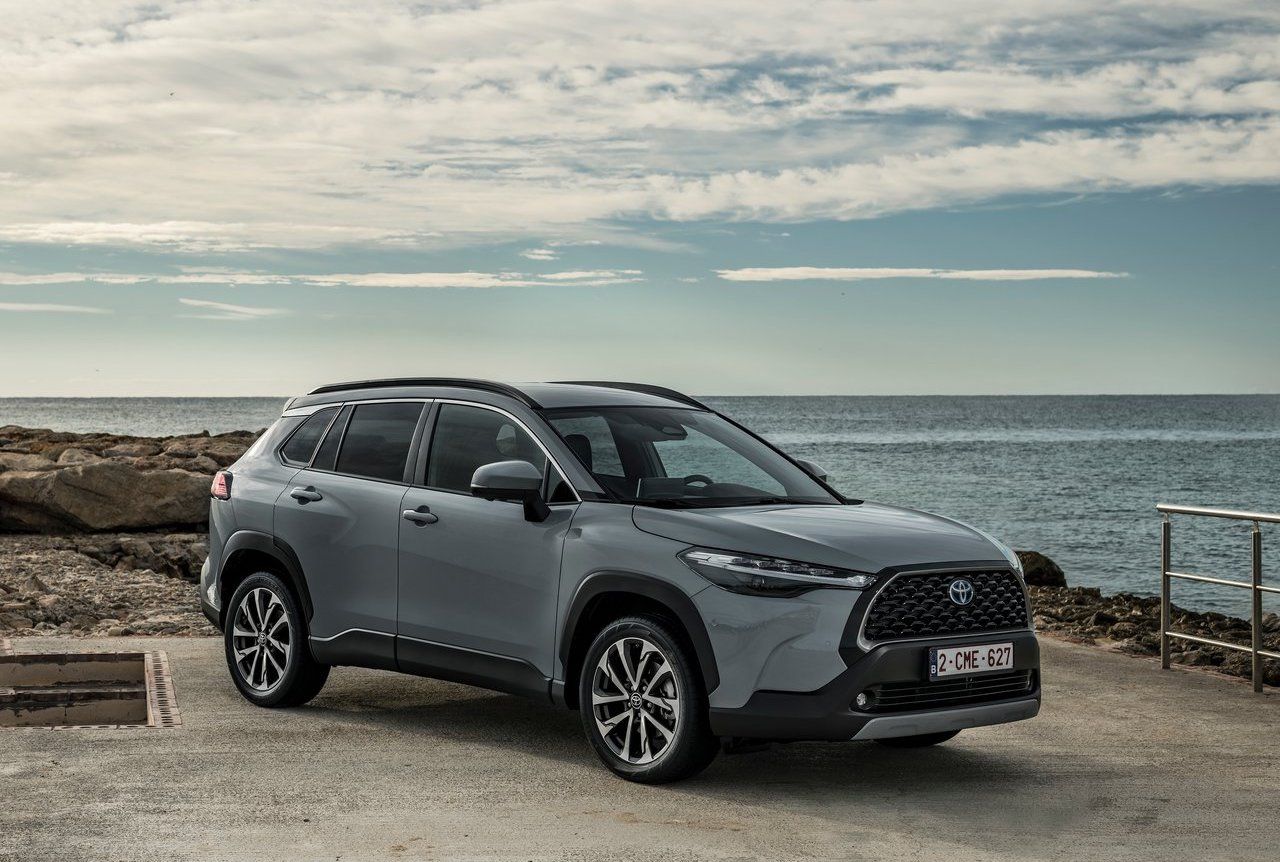
The Toyota Corolla Cross is highly reliable, consistently earning top-tier rankings for dependability in the subcompact SUV segment. Built on the proven TNGA-C platform and utilizing Toyota’s mature hybrid and internal combustion powertrains, it offers lower-than-average maintenance costs and high long-term durability for both city and highway driving.
Reliability is the primary metric by which most subcompact SUV buyers judge their potential purchases. When Toyota launched the Corolla Cross, it wasn't just introducing a new nameplate; it was expanding the most successful automotive lineage in history into the high-demand crossover market. By 2026, we have several years of real-world data to evaluate whether this vehicle lives up to the "Corolla" badge.
To determine if the Corolla Cross is truly reliable, one must look past the brand reputation and analyze the specific mechanical components, electronic systems, and historical recall data that define the ownership experience.
The Mechanical Foundation: TNGA-C Platform Durability
The Corolla Cross shares its fundamental architecture, the Toyota New Global Architecture (TNGA-C), with the standard Corolla sedan and the Prius. This shared platform is a significant contributor to the vehicle’s overall reliability. By using a standardized architecture, Toyota has been able to refine the structural welding, suspension geometry, and mounting points over millions of units produced globally.
From a structural standpoint, the Corolla Cross utilizes high-strength steel in critical load-bearing areas. In 2026, high-mileage examples of early 2022 and 2023 models have shown remarkable resistance to frame fatigue and cabin rattles. Unlike some competitors that use lighter, thinner materials to save weight, the Corolla Cross maintains a rigid posture that protects its internal mechanical components from excessive vibration—a common "silent killer" of automotive electronics and seals.
The suspension setup—MacPherson struts in the front and either a torsion beam (FWD) or multi-link (AWD) setup in the rear—is intentionally conservative. By avoiding overly complex air suspensions or adaptive dampening systems found in more expensive SUVs, Toyota minimizes the number of failure points that typically emerge after the five-year mark.
Powertrain Reliability: Gas vs. Hybrid
One cannot discuss the reliability of the Corolla Cross without distinguishing between its two primary powertrains: the 2.0L Dynamic Force engine and the Toyota Hybrid System (THS).
The 2.0L Dynamic Force Engine (M20A-FKS)
The standard gasoline models utilize a 2.0-liter four-cylinder engine. This engine is designed for thermal efficiency, reaching nearly 40%. While "high efficiency" can sometimes imply "high stress," this engine utilizes a D-4S injection system (both direct and port injection). This dual-injection approach is a massive reliability win because port injection helps wash the intake valves, preventing the carbon buildup issues that plague many modern direct-injection engines from other manufacturers.
The Hybrid Synergy Drive
The Corolla Cross Hybrid, which became more widely available in 2023 and 2024, uses Toyota’s fifth-generation hybrid system. By 2026, this system has established itself as the gold standard for longevity. The hybrid version replaces the traditional starter, alternator, and belt-driven accessories with two motor-generators. This reduces the number of wearable parts significantly.
Furthermore, the hybrid's e-CVT (electronic continuously variable transmission) is not a "belt-and-pulley" CVT. Instead, it uses a planetary gearset that is virtually indestructible under normal operating conditions. While some owners worry about battery longevity, Toyota’s 10-year/150,000-mile battery warranty reflects the manufacturer's confidence in the nickel-metal hydride or lithium-ion chemistry used in these units.
Transmission Longevity: Addressing the CVT Concerns
Transmission failure is often the most expensive repair a car owner faces. The non-hybrid Corolla Cross uses a Direct Shift CVT. This is a unique piece of engineering that includes a physical "launch gear" for starting from a stop.
Traditional CVTs often struggle with the high torque requirements of moving a vehicle from 0 to 10 mph, leading to excessive belt wear and "rubber band" feel. By using a physical gear for the initial acceleration, Toyota offloads the highest stress period of the drive cycle onto a traditional gearset. Once the vehicle reaches cruising speed, it seamlessly transitions to the CVT belt. As of 2026, this hybrid-transmission approach has shown a much lower failure rate than the pure-belt CVTs used by many rival subcompact crossovers.
Maintenance Costs and Long-Term Ownership
Reliability isn't just about avoiding catastrophic failure; it’s about the cost of keeping the vehicle on the road. The Corolla Cross is engineered for serviceability.
- Fluid Intervals: Toyota’s recommended oil change intervals and the accessibility of the oil filter make DIY maintenance simple and professional service affordable.
- Brake Wear: Particularly in the hybrid models, regenerative braking significantly extends the life of brake pads and rotors. It is not uncommon for Corolla Cross Hybrid owners to reach 70,000 or 80,000 miles before needing their first brake job.
- Tire Uniformity: The AWD system in the Corolla Cross is an "on-demand" system (Dynamic Torque Control for gas, or electronic motors for hybrid). This reduces the mechanical strain on the transfer case compared to full-time 4WD systems, leading to more even tire wear and less drivetrain friction.
Average 5-Year Maintenance Comparison
| Feature | Corolla Cross (Gas) | Corolla Cross (Hybrid) | Competitor Average |
|---|---|---|---|
| Oil Change Frequency | 10,000 Miles | 10,000 Miles | 7,500 Miles |
| Brake Pad Life | 50,000 Miles | 80,000+ Miles | 40,000 Miles |
| Transmission Service | Lifetime Fluid (Inspect) | Lifetime Fluid (Inspect) | 60,000 Mile Flush |
| Estimated Annual Repair | $350 - $450 | $300 - $400 | $550 - $700 |
Note: Figures based on 2026 service market averages and manufacturer-suggested maintenance schedules.
Known Issues and Historical Recalls
No vehicle is perfect, and the Corolla Cross has faced some minor teething issues since its inception. To provide a balanced view of reliability, we must acknowledge the specific areas where Toyota had to issue corrections.
The 2022-2023 Airbag Recall
Early models faced a recall regarding the front passenger airbag. A manufacturing defect in the instrument panel meant the airbag might not deploy as intended. Toyota resolved this by replacing the affected sections of the dashboard. For buyers in 2026 looking at used models, verifying that this recall work was performed is essential.
Battery Drainage Issues
Some owners of the early non-hybrid models reported issues with the 12V battery draining if the vehicle sat for several days. This was largely attributed to the "Stop-Start" system's software logic and the factory-installed battery's cold-cranking amps. Most of these issues were resolved via software updates or the installation of higher-capacity batteries under warranty by 2024.
Corrosion Concerns (Cablegate)
While primarily an issue for the larger RAV4 Hybrid, some concerns were raised about the high-voltage cable connector in the Corolla Cross AWD Hybrid models. Toyota responded by redesigning the connector housing to allow for better drainage and debris clearance. Models manufactured from late 2024 onwards, including the 2026 fleet, feature the reinforced connector shroud to prevent salt-induced corrosion.
Technology and Electronic Reliability
Modern reliability is increasingly defined by software. The Corolla Cross utilizes Toyota Safety Sense (TSS) 3.0. Unlike some luxury brands that suffer from "phantom braking" or sensor failure in heavy rain, Toyota’s system uses a combination of monocular camera and millimeter-wave radar that has proven robust.
The infotainment system, updated significantly in 2023 to the Toyota Audio Multimedia system, supports Over-the-Air (OTA) updates. This is a critical reliability feature in 2026, as it allows the manufacturer to fix minor software glitches and improve phone connectivity without requiring the owner to visit a dealership. The physical buttons for climate control—a departure from the "all-screen" trend—also ensure that core vehicle functions remain operational even if the infotainment screen were to fail.
Comparison with Competitors
To understand if the Corolla Cross is "reliable," it must be measured against its peers, such as the Honda HR-V, Subaru Crosstrek, and Mazda CX-30.
- Vs. Honda HR-V: The HR-V is equally reliable in terms of engine longevity, but the Corolla Cross Hybrid offers a powertrain option that Honda lacks in several markets, providing better fuel economy without sacrificing durability.
- Vs. Subaru Crosstrek: While the Crosstrek is excellent for off-roading, its CVT and Boxer engine require more meticulous maintenance (specifically regarding head gaskets and differential fluids) compared to the "set-it-and-forget-it" nature of the Corolla Cross.
- Vs. Mazda CX-30: Mazda offers a more premium interior and a traditional 6-speed automatic transmission. However, the Corolla Cross generally holds its resale value better and has a more extensive dealer network for parts and service.
FAQs About Corolla Cross Reliability
How many miles will a Toyota Corolla Cross last?
With proper maintenance, a Toyota Corolla Cross is expected to last between 200,000 and 250,000 miles. The hybrid models may require a battery replacement or refurbishment after the 150,000-mile mark, but the mechanical engine and e-CVT components are designed for extreme longevity.
Is the Corolla Cross Hybrid more reliable than the gas version?
In many ways, yes. The hybrid eliminates the starter, alternator, and traditional drive belts, which are common failure points in older gas vehicles. Additionally, the e-CVT used in the hybrid is mechanically simpler and more durable than the belt-driven CVT found in the gasoline-only model.
Does the Corolla Cross have transmission problems?
There have been no widespread reports of systemic transmission failure in the Corolla Cross as of 2026. The "Direct Shift CVT" with its physical launch gear has addressed many of the durability concerns associated with older CVT designs.
Are there any specific years of the Corolla Cross to avoid?
Early 2022 models are more prone to minor "first-year" issues, such as the aforementioned airbag recall and 12V battery drain. However, because these were addressed through recalls and TSBs (Technical Service Bulletins), they are generally safe to buy if the service history confirms the updates were performed.
Is the Corolla Cross expensive to repair?
No. The Corolla Cross is among the least expensive vehicles in its class to repair. It shares many parts with the high-volume Corolla sedan, meaning that replacement parts are mass-produced, widely available, and priced competitively compared to European or niche competitors.
Final Recommendation for 2026 Buyers
If your primary goal is to own a vehicle that will start every morning for the next decade with minimal drama, the Toyota Corolla Cross is an excellent choice. Its reliability is rooted in simplicity and the reuse of world-class components.
For the maximum reliability "buffer," we recommend the Hybrid AWD trim. Not only does it provide the most robust transmission design (e-CVT), but it also benefits from the latest refinements in Toyota's battery management software. Before purchasing, especially if buying a used 2022 or 2023 model, always use a VIN decoder to ensure all safety recalls—specifically the passenger airbag and the stop-start software update—have been completed. For 2026 models, the vehicle represents the "mature" phase of the first generation, where almost all initial design quirks have been engineered out.