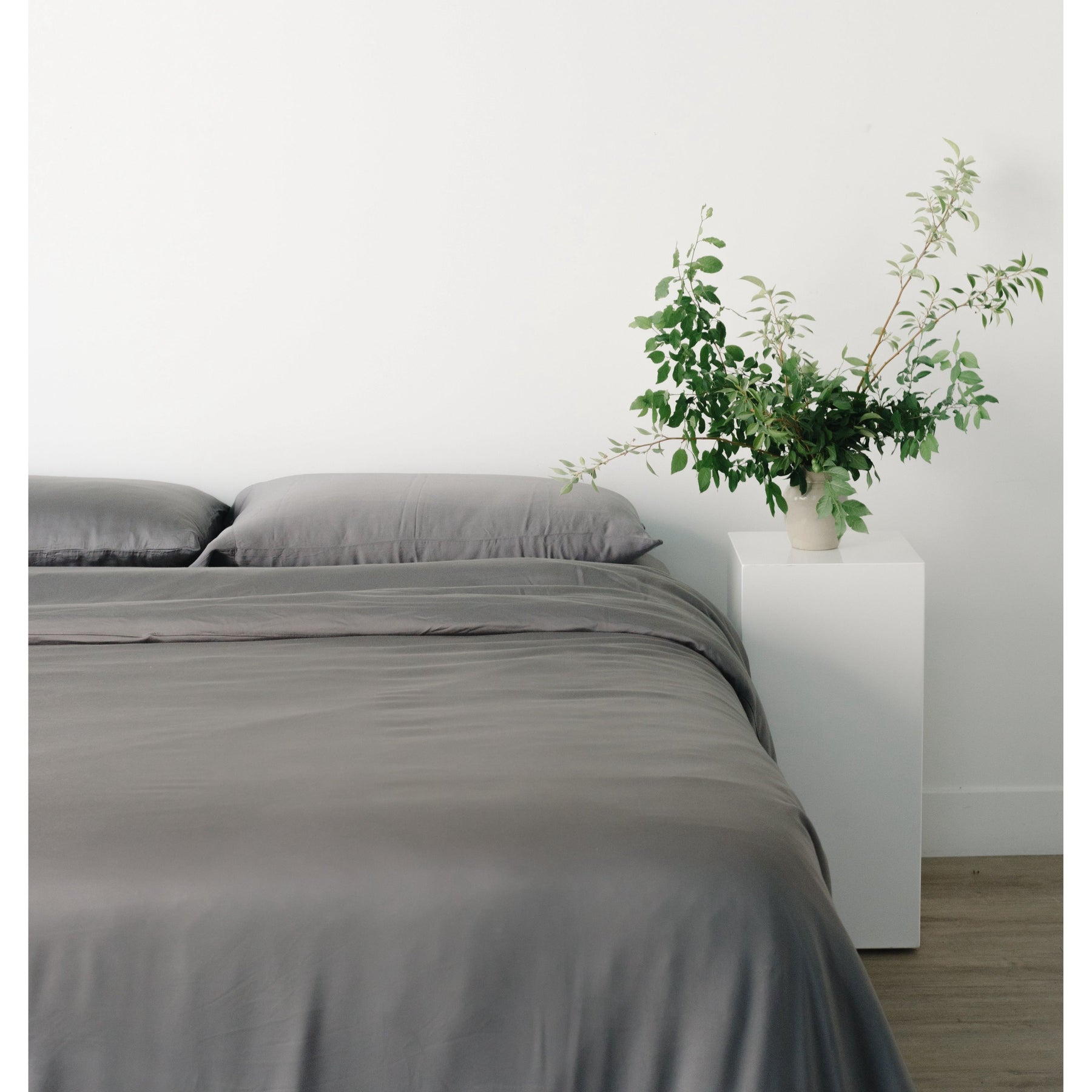
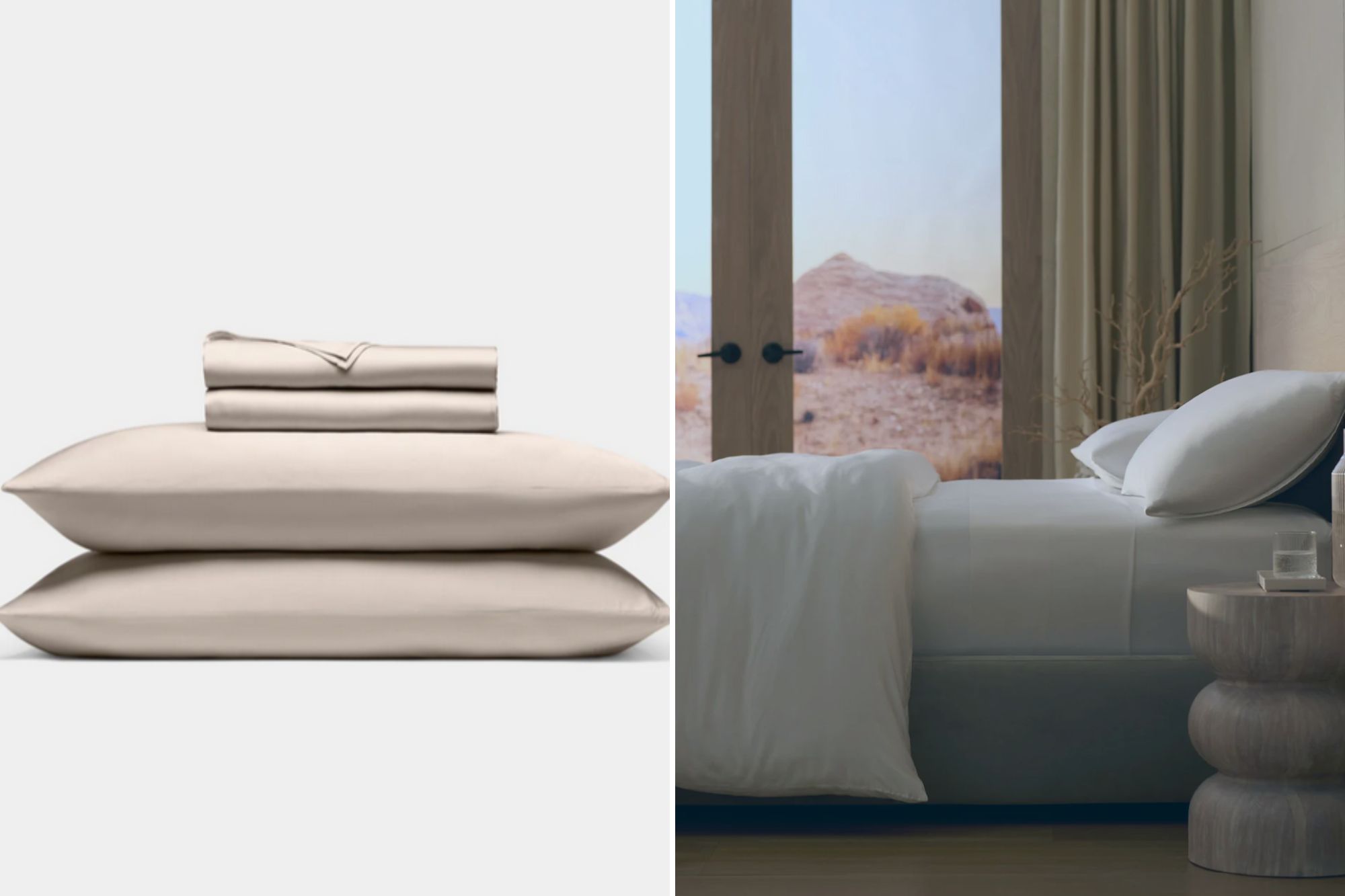
Cozy Earth sheets are worth the investment for sleepers who prioritize extreme softness and temperature regulation, despite their high price point. Their 100% bamboo viscose construction provides superior moisture-wicking and a silk-like texture that outperforms traditional cotton for hot sleepers. The inclusion of a 100-night trial and a 10-year warranty further justifies the initial expenditure.
The Identity of Cozy Earth: From Boutique to Bedding Giant
To understand if Cozy Earth sheets are worth the premium, one must look at how the brand positioned itself within the luxury textile market. Established with a focus on high-quality bamboo-derived fabrics, the company gained significant mainstream traction after being featured on Oprah’s “Favorite Things” list multiple years in a row. By 2026, the brand has maintained its status not just through celebrity endorsements, but through a consistent commitment to a specific tactile experience: the "buttery soft" feel of bamboo viscose.
Unlike many bedding companies that offer a wide array of materials ranging from linen to microfiber, Cozy Earth specialized early. This specialization allowed them to refine the chemical process of turning bamboo pulp into viscose, aiming for a finish that mimics the drape of silk without the high maintenance or fragility associated with natural silk worms. When evaluating the "worth" of these sheets, you are paying for a specific engineering of fiber that emphasizes breathability and a cooling touch.
Material Science: The Reality of Bamboo Viscose
The primary draw of Cozy Earth sheets is the material. While often marketed simply as "bamboo," the technical term is bamboo viscose or rayon. This is a semi-synthetic fiber where cellulose from the bamboo plant is dissolved in a chemical solution and spun into threads.
Cooling and Temperature Regulation
Bamboo viscose is naturally more absorbent than cotton. In the context of bedding, this translates to superior moisture-wicking capabilities. For sleepers who experience night sweats or "hot flashes," the fiber structure of Cozy Earth sheets allows for better airflow and faster evaporation of moisture. This keeps the skin dry and helps the body maintain a stable temperature throughout the night. In 2026, even with advancements in "phase-change material" (PCM) fabrics, bamboo remains a top-tier natural-base solution for thermoregulation.
Texture and Tactile Comfort
The "hand feel" of Cozy Earth sheets is distinct. It lacks the crispness of a cotton percale and the weight of a heavy cotton sateen. Instead, it is exceptionally fluid. It clings slightly more than cotton but does not trap heat. This drape is often what consumers cite as the primary reason for the high price tag; it provides a luxury hotel-like sensation that is difficult to replicate with lower-grade synthetic blends.
Durability and the 10-Year Warranty
A common concern with bamboo-derived fabrics is their tendency to pill or thin over time. Because the fibers are smooth and fine, friction can cause small balls of fiber (pills) to form on the surface. Cozy Earth addresses this concern through a robust 10-year warranty that covers pilling, abnormal wear and tear, and manufacturing defects.
For a sheet set that often retails between $300 and $400 for a Queen size, longevity is a critical component of the value proposition. If a set of $50 cotton sheets lasts two years, the cost is $25 per year. If Cozy Earth sheets last a full decade due to their construction and warranty protection, the cost-per-year becomes comparable to mid-range alternatives. The warranty acts as a safeguard for the consumer, ensuring that the "luxury" experience doesn't degrade after just a few dozen wash cycles.
Comprehensive Comparison: Cozy Earth vs. The Market
When deciding if these sheets are worth it, it is helpful to see how they stack up against other popular bedding types available in 2026.
| Feature | Cozy Earth Bamboo | Premium Cotton Sateen | European Linen | Budget Microfiber |
|---|---|---|---|---|
| Primary Feel | Silky, Fluid, Cool | Smooth, Heavy, Warm | Textured, Airy, Crisp | Soft, Thin, Traps Heat |
| Breathability | Excellent | Moderate | High | Low |
| Durability | High (with care) | Very High | Exceptional | Low |
| Typical Price (Queen) | $330 - $390 | $150 - $250 | $250 - $350 | $30 - $60 |
| Care Difficulty | Moderate | Easy | Moderate | Very Easy |
| Warranty | 10 Years | Often 1 Year/None | Varies | None |
As the table illustrates, Cozy Earth occupies the highest price tier. The value is found in the specific combination of high breathability and a silky feel that neither cotton nor linen can perfectly replicate.
Maintenance and Care Requirements
To ensure the sheets remain "worth it" over time, users must adhere to specific care instructions. Bamboo viscose is sensitive to high heat and harsh chemicals.
- Washing: Use cold water on a gentle cycle. Avoid bleach and fabric softeners. Fabric softeners can actually coat the bamboo fibers, reducing their natural moisture-wicking properties and leading to a "greasy" feel over time.
- Drying: Line drying is ideal to preserve fiber integrity, but if using a dryer, the "low heat" or "air fluff" setting is mandatory. High heat can cause the fibers to become brittle, leading to premature tearing or pilling.
- Stain Removal: Because bamboo is highly absorbent, it can hold onto oils from skin and hair. Pre-treating pillowcases with a gentle, enzyme-based cleaner can prevent the yellowing often seen on white or light-colored bedding.
Environmental and Ethical Considerations
In 2026, the sustainability of bedding is a major factor in consumer decision-making. Cozy Earth claims a commitment to ethical production. While the process of turning bamboo into viscose involves chemicals, the brand emphasizes a "closed-loop" or responsible manufacturing process that manages waste more effectively than generic rayon production.
Furthermore, bamboo is a highly renewable resource that grows significantly faster than cotton and requires less water and no pesticides. For the eco-conscious consumer, the "worth" of Cozy Earth may also include the lower environmental footprint compared to conventional intensive cotton farming, though it is always recommended to check for current OEKO-TEX Standard 100 certifications to verify the absence of harmful substances in the final product.
Potential Drawbacks: Why They Might Not Be Worth It For You
Despite the high praise, there are scenarios where Cozy Earth sheets may not be the right choice:
- Preference for Crispness: If you love the "stiff" and "cool-to-the-touch" feel of freshly ironed hotel percale, you will likely find bamboo viscose too "floppy" or "clingy."
- Maintenance Aversion: If you prefer to wash all your laundry on "heavy-duty" settings with high heat, these sheets will likely fail prematurely, making the investment a waste.
- Visual Aesthetic: Bamboo sheets have a slight sheen and a draped look that can appear "wrinkled" more easily than treated cotton. If you want a perfectly flat, matte-looking bed, linen or percale are better options.
Practical Performance: The 100-Night Trial
One of the strongest arguments for the "worth" of these sheets is the 100-night sleep trial. High-end bedding is a subjective purchase. Cozy Earth allows consumers to wash and use the sheets for over three months. If the sensation doesn't justify the price, the company provides a full refund. This effectively removes the financial risk of the purchase, allowing the user to test the claims of temperature regulation and softness in their own environment.
Frequently Asked Questions
Do Cozy Earth sheets pill easily?
While bamboo viscose is more prone to pilling than long-staple cotton, Cozy Earth uses a specific weave designed to minimize this. Following the "cold water, low heat" care instructions is essential. If significant pilling occurs within the warranty period, the company's 10-year protection plan generally covers a replacement.
Are they significantly better than cheaper bamboo sheets?
The difference often lies in the fiber length and the finishing process. Cheaper bamboo sheets may use "bamboo linen" (which is rough) or lower-grade viscose that thins out after five washes. Cozy Earth’s versions are typically heavier (higher GSM) and feature reinforced stitching, which contributes to their longevity and consistent feel.
Do these sheets fit deep mattresses?
Yes, Cozy Earth sheets are designed with deep pockets. Most of their fitted sheets can accommodate mattresses up to 18-20 inches deep. The elastic is also higher quality than budget options, ensuring the sheet doesn't "pop off" the corners during the night, a common annoyance with cheaper sets.
How often should I wash them?
Due to their moisture-wicking properties, these sheets stay fresh slightly longer than cotton, but for hygiene and to prevent oil buildup, washing every 7 to 10 days is recommended. Frequent washing with the correct settings does not damage the sheets and can actually help maintain their softness.
Why are they so much more expensive than cotton?
The cost is driven by the proprietary manufacturing process, the quality of the raw bamboo sourced, and the overhead of providing a 10-year warranty. Additionally, the specialized weaving required to make bamboo viscose durable while maintaining a silk-like thinness is more technically demanding than standard cotton weaving.
Final Verdict: Are They Worth It?
For the average consumer, $300+ for bedding is a significant expense. However, if you are a hot sleeper or someone who struggles with skin sensitivity, Cozy Earth sheets provide a level of relief and comfort that cheaper materials cannot match. The combination of the 100-night trial and the 10-year warranty mitigates the risk, essentially guaranteeing a decade of high-quality sleep.
If you value a crisp, structured bed or a low-maintenance laundry routine, you may find better value in high-end cotton. But for those seeking the pinnacle of softness and moisture management, Cozy Earth remains the industry benchmark in 2026.
Next Action: If you are undecided, wait for a holiday sales period (such as Black Friday or Memorial Day), when Cozy Earth typically offers discounts of 20% to 30%, making the entry price significantly more accessible.