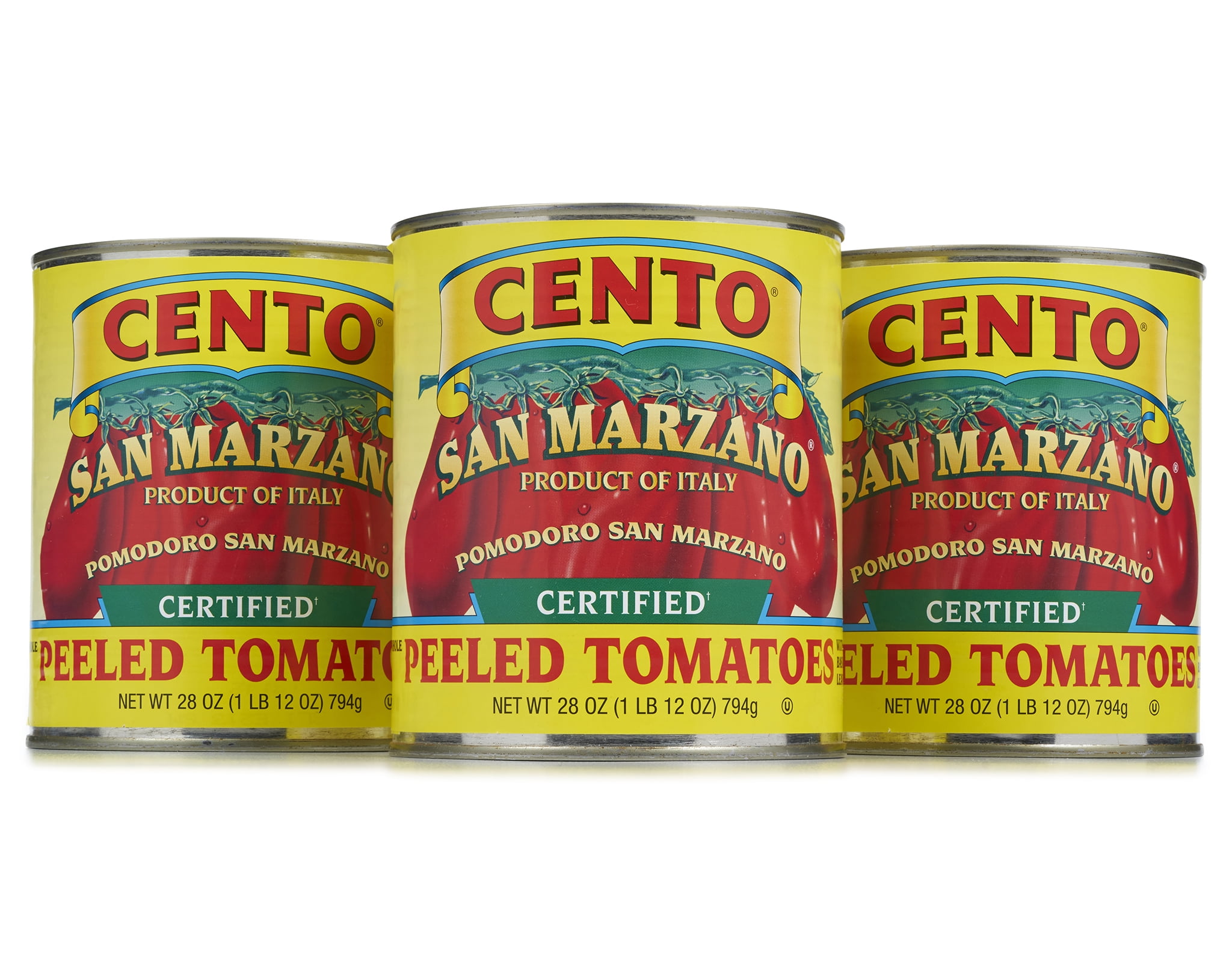
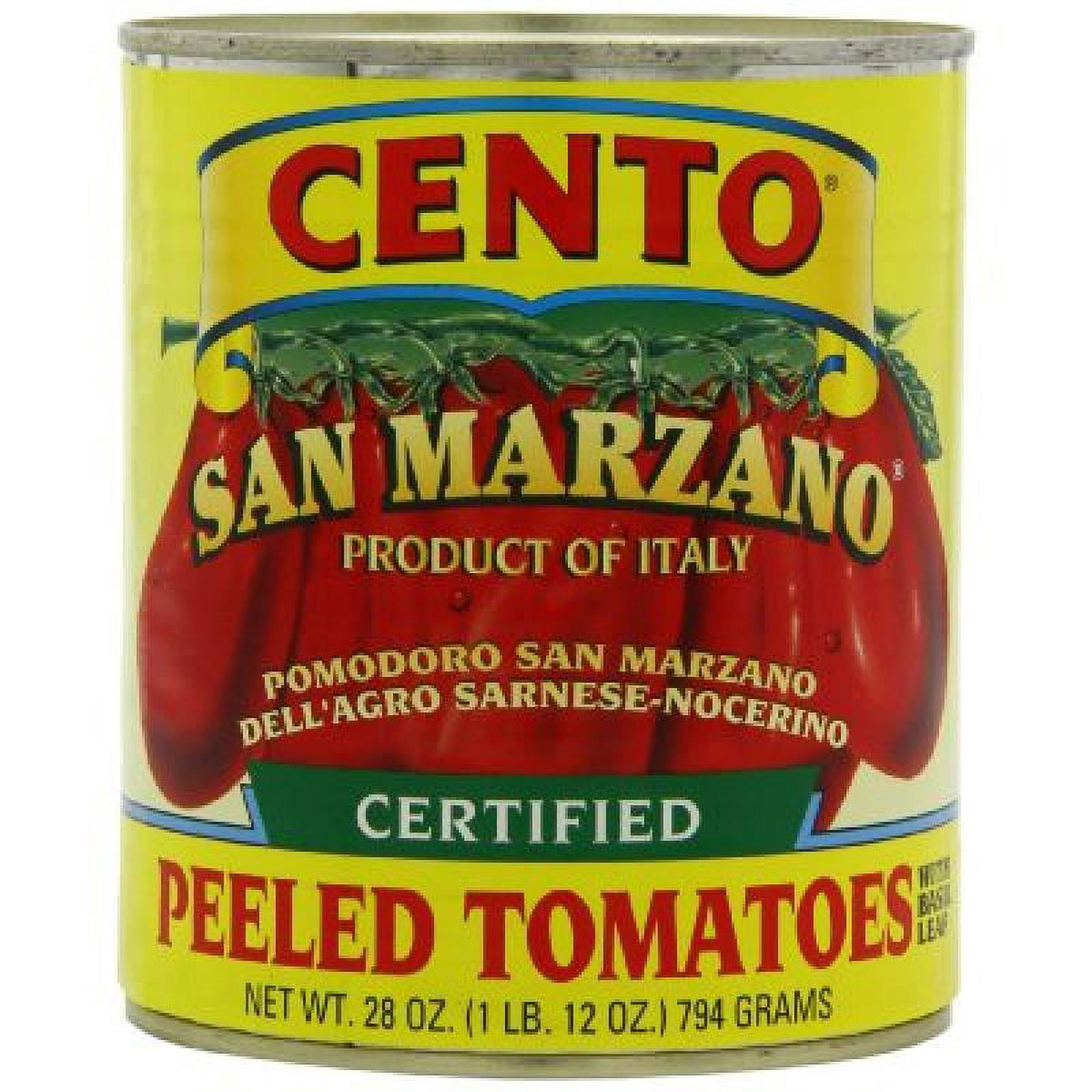
The straight ahead answer is yes, Cento San Marzano tomatoes are authentic San Marzano tomatoes grown in the Sarnese-Nocerino region of Italy. However, they typically carry a third-party "Agri-Cert" certification rather than the official European Union D.O.P. seal, due to Cento's choice to use an independent verification system for quality and traceability.
Understanding the San Marzano Identity
To understand if Cento tomatoes are "real" San Marzano, we must first define what a San Marzano tomato actually is. In the culinary world, the San Marzano is often referred to as the "king of tomatoes." It is a specific variety of plum tomato (Solanum lycopersicum) that originated in the small town of San Marzano sul Sarno, near Naples, Italy.
Physically, these tomatoes are distinct. They are thinner and more pointed than the common Roma tomato. Their flesh is much thicker, containing fewer seeds and a lower water content, which makes them ideal for sauces because they break down beautifully without becoming watery. Most importantly, they are prized for their balanced flavor profile—a perfect harmony of high sugar content and low acidity, underpinned by a distinct earthiness derived from the volcanic soil of Mount Vesuvius.
As of 2026, the global market remains flooded with "San Marzano Style" tomatoes. These are often grown in California, New Jersey, or even other parts of Italy, but they are not true San Marzanos. To be authentic, a tomato must be the correct cultivar (the San Marzano #2 seed) and must be grown in the specific volcanic soil of the Agro Sarnese-Nocerino region. Cento sources its tomatoes from this exact region, fulfilling the primary requirement of authenticity.
The D.O.P. vs. Agri-Cert Certification Explained
The confusion regarding Cento’s authenticity usually stems from the absence of the D.O.P. (Denominazione d’Origine Protetta) seal on many of their cans. In Italy, the D.O.P. is a strictly regulated designation that ensures a product is produced, processed, and prepared in a specific geographical area using recognized expertise.
For many years, Cento featured the D.O.P. seal. However, the brand eventually transitioned to using an independent, third-party certification body called Agri-Cert. This move was not a downgrade in quality, but rather a response to the logistical and bureaucratic challenges associated with the official D.O.P. consortium.
Why Cento Chose Agri-Cert
Cento’s decision to move away from the official D.O.P. label was largely driven by a desire for greater transparency and more rigorous quality control. By using Agri-Cert, an ISO-accredited organization, Cento can provide a level of traceability that exceeds the baseline D.O.P. requirements.
When you look at a can of Cento Certified San Marzano Tomatoes in 2026, you are looking at a product that has been tracked from the specific field where it was grown to the facility where it was canned. This independent verification ensures that the tomatoes are indeed the San Marzano variety and that they were grown in the designated Sarnese-Nocerino region. For the consumer, this means the "straight ahead answer" remains "yes," even if the logo on the can looks different from other Italian brands.
Deciphering Cento's Labeling
Cento produces several different tomato products, and not all of them are San Marzanos. It is crucial for shoppers to distinguish between their various offerings to ensure they are getting the premium product they expect.
- Cento Certified San Marzano Watermelon-Shaped Label: This is the flagship product. It will clearly state "Certified San Marzano" and feature the Agri-Cert logo. These are the authentic, volcanic-soil-grown tomatoes.
- Cento Italian Peel Tomatoes: These are high-quality tomatoes grown in Italy, but they are typically Roma varieties, not San Marzano. They are excellent for everyday cooking but lack the specific flavor profile of the San Marzano.
- Cento Organic San Marzano: These are also authentic San Marzanos grown in the Sarnese-Nocerino region but produced under organic farming standards.
- Cento San Marzano "Style": Occasionally, retailers may carry varied stock, but Cento is generally very careful to label their domestic or "Italian Style" tomatoes differently to avoid consumer confusion.
The "Find My Cento" Traceability Tool
One of the most significant developments in Cento's quality assurance is their traceability system. On the lid or bottom of each can of Cento San Marzano tomatoes, there is a lot code or a QR code. By visiting the Cento Traceability Page, consumers can enter this code to see the exact farm where their tomatoes were harvested. This level of transparency is rare in the canned food industry and serves as a definitive proof of origin that bypasses the need for the D.O.P. seal.
Why the Volcanic Soil of Mount Vesuvius Matters
The "San Marzano" name is tied to the land just as much as the seed. The Sarnese-Nocerino area sits in the shadow of Mount Vesuvius. Over millennia, eruptions have deposited layers of ash and pumice, creating a soil that is incredibly rich in minerals, particularly phosphorus and potassium.
This soil composition affects the tomato's chemistry. The high mineral content naturally lowers the acidity of the fruit while enhancing its sweetness. Furthermore, the region’s unique microclimate—the cooling breezes from the Tyrrhenian Sea combined with the heat trapped by the mountain—allows for a long, slow ripening period. This slow maturation is what develops the complex, savory "umami" flavor that Cento San Marzano tomatoes are known for. When tomatoes are grown in California or other regions, even with the same seeds, they cannot replicate this specific mineral profile, often resulting in a more acidic or "metallic" tasting tomato.
Comparing Canned Tomato Varieties
To help you decide if the premium for Cento San Marzano is worth it for your specific recipe, consider how they compare to other common canned options available in 2026.
| Tomato Type | Origin | Best For | Flavor Profile | Average Price Point |
|---|---|---|---|---|
| Cento San Marzano (Certified) | Italy (Sarnese-Nocerino) | Neapolitan Pizza, Simple Pasta Sauce | Sweet, low acid, earthy, thick | High |
| Domestic Plum (e.g., Muir Glen) | USA (California) | Chili, Stews, Salsa | Bright, acidic, firm texture | Medium |
| Standard Italian Roma | Italy (Various Regions) | Bolognese, Long-simmered sauces | Balanced, reliable, classic tomato | Medium |
| San Marzano "Style" | USA / Various | General cooking | Variable; often more acidic than authentic | Medium-High |
Common Misconceptions and Legal Hurdles
The debate over "real" vs. "fake" San Marzanos has been fueled by several high-profile lawsuits and investigations over the past decade. In the mid-2010s and early 2020s, there were numerous reports suggesting that a significant percentage of "San Marzano" tomatoes sold in the United States were fraudulent.
Cento was caught in the crosshairs of this controversy not because their product was fraudulent, but because they challenged the monopoly of the D.O.P. consortium. In the United States, the D.O.P. label is a trademark, but its enforcement is complex. Cento’s move to Agri-Cert was a strategic way to maintain their own high standards without being subject to the political and administrative shifts within the Italian D.O.P. regulatory bodies.
It is a common misconception that "No D.O.P. = No San Marzano." This is a simplification. While the D.O.P. is a reliable indicator of quality, it is not the only indicator. Cento’s use of Agri-Cert provides an equivalent, and in many ways more transparent, guarantee of authenticity for the North American market.
Culinary Applications: Getting the Most from Your Can
If you are paying the premium for Cento San Marzano tomatoes, you want to ensure your cooking technique respects the ingredient. Because these tomatoes are so low in acidity and high in sugar, they do not require the long, multi-hour simmering that more acidic domestic tomatoes might need to mellow out.
The 20-Minute Sauce
One of the best ways to experience the Cento San Marzano difference is a quick "pomodoro" sauce.
- Hand-Crush: Do not use a blender. Hand-crushing the tomatoes preserves the texture and prevents the seeds from being pulverized, which can introduce bitterness.
- Aromatics: Sauté garlic or shallots in high-quality extra virgin olive oil until just fragrant.
- Simmer: Add the hand-crushed tomatoes and a pinch of salt. Simmer for only 20 to 30 minutes.
- Finish: Tear in fresh basil at the very end.
The resulting sauce will be vibrant, naturally sweet, and have a silky mouthfeel that cheaper tomatoes simply cannot achieve. This is the primary reason why professional pizzaiolos insist on authentic San Marzanos; they provide the perfect moisture content and sweetness for a high-heat wood-fired oven.
Is the Premium Price Worth It in 2026?
As of 2026, food costs have stabilized, but premium imported goods still command a significant markup. A 28-ounce can of Cento Certified San Marzano tomatoes typically costs 50% to 100% more than a standard can of domestic plum tomatoes.
The value proposition depends on the dish. If you are making a heavily spiced chili, a complex Mexican mole, or a meat-heavy beef stew, the subtle nuances of a San Marzano tomato will likely be lost. In those cases, a high-quality domestic tomato like those from Stanislaus or Muir Glen is more than sufficient.
However, for dishes where the tomato is the "star"—such as a Margherita pizza, Pasta all'Arrabbiata, or a classic Marinara—the Cento San Marzano is indispensable. The lack of harsh acidity means you won't need to add sugar to balance the sauce, and the thick flesh ensures a rich consistency without excessive reduction.
FAQ: Frequently Asked Questions
Why does Cento not have the D.O.P. seal?
Cento opted out of the official D.O.P. consortium to use a third-party certification called Agri-Cert. They felt this offered better quality control and traceability for their customers. The tomatoes are still grown in the same fields and are the same variety as D.O.P.-labeled tomatoes.
Are Cento tomatoes genetically modified?
No. Cento San Marzano tomatoes are grown from traditional seeds. Italy has very strict regulations regarding GMOs, and the San Marzano #2 cultivar is a heritage variety protected by these agricultural standards.
How can I verify that my can of Cento is authentic?
You can use the "Find My Cento" feature on their website. Enter the lot code found on the bottom of the can, and the system will provide the harvest date and the specific farm location in the Sarnese-Nocerino region.
Are there "fake" Cento tomatoes?
While there are many "fake" San Marzano brands that use misleading labeling, it is very rare to find counterfeit Cento-branded products. Most "fraud" in the industry involves brands using the name "San Marzano" for tomatoes grown outside the certified region. Cento is transparent about their sourcing.
Do Cento San Marzano tomatoes contain additives?
Cento Certified San Marzano tomatoes typically contain only tomatoes, tomato puree (to fill gaps in the can), salt, and basil leaf. Unlike many domestic brands, they do not use calcium chloride, which is a firming agent that can prevent tomatoes from breaking down properly in sauces.
Final Recommendations for the Consumer
When you are standing in the grocery aisle in 2026, the "straight ahead answer" regarding Cento is that you are buying a legitimate, high-quality Italian San Marzano tomato. To ensure you are getting exactly what you want:
- Check the label for "Certified San Marzano."
- Look for the Agri-Cert logo if the D.O.P. seal is absent.
- Avoid cans labeled "San Marzano Style" if you want the authentic volcanic-soil experience.
- Use the QR code/Lot code to verify the origin if you have any doubts.
Cento has maintained its reputation for over a century by providing consistent quality. While the politics of Italian agricultural labeling can be murky, the physical product inside the Cento can remains the gold standard for home cooks and professional chefs alike.