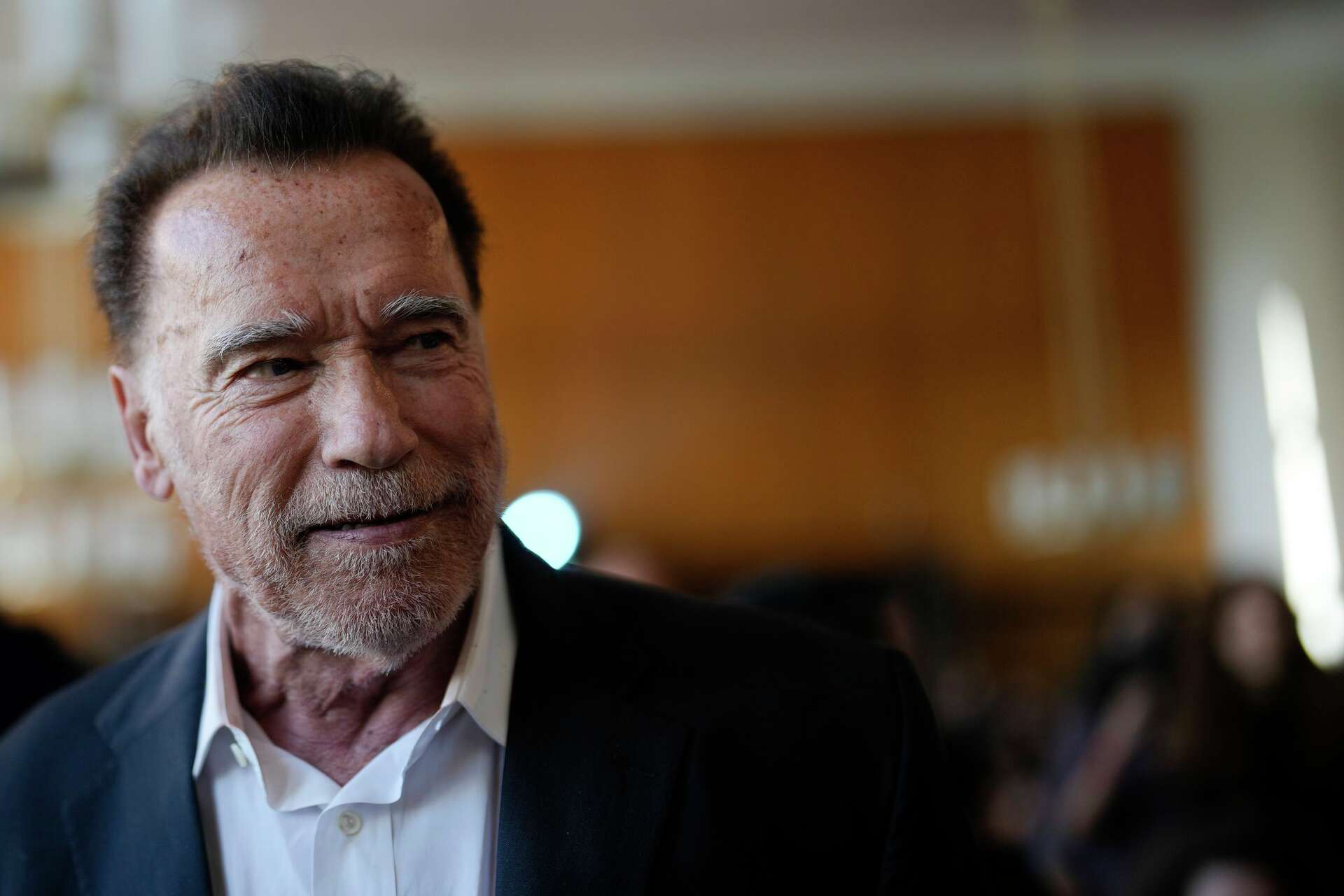
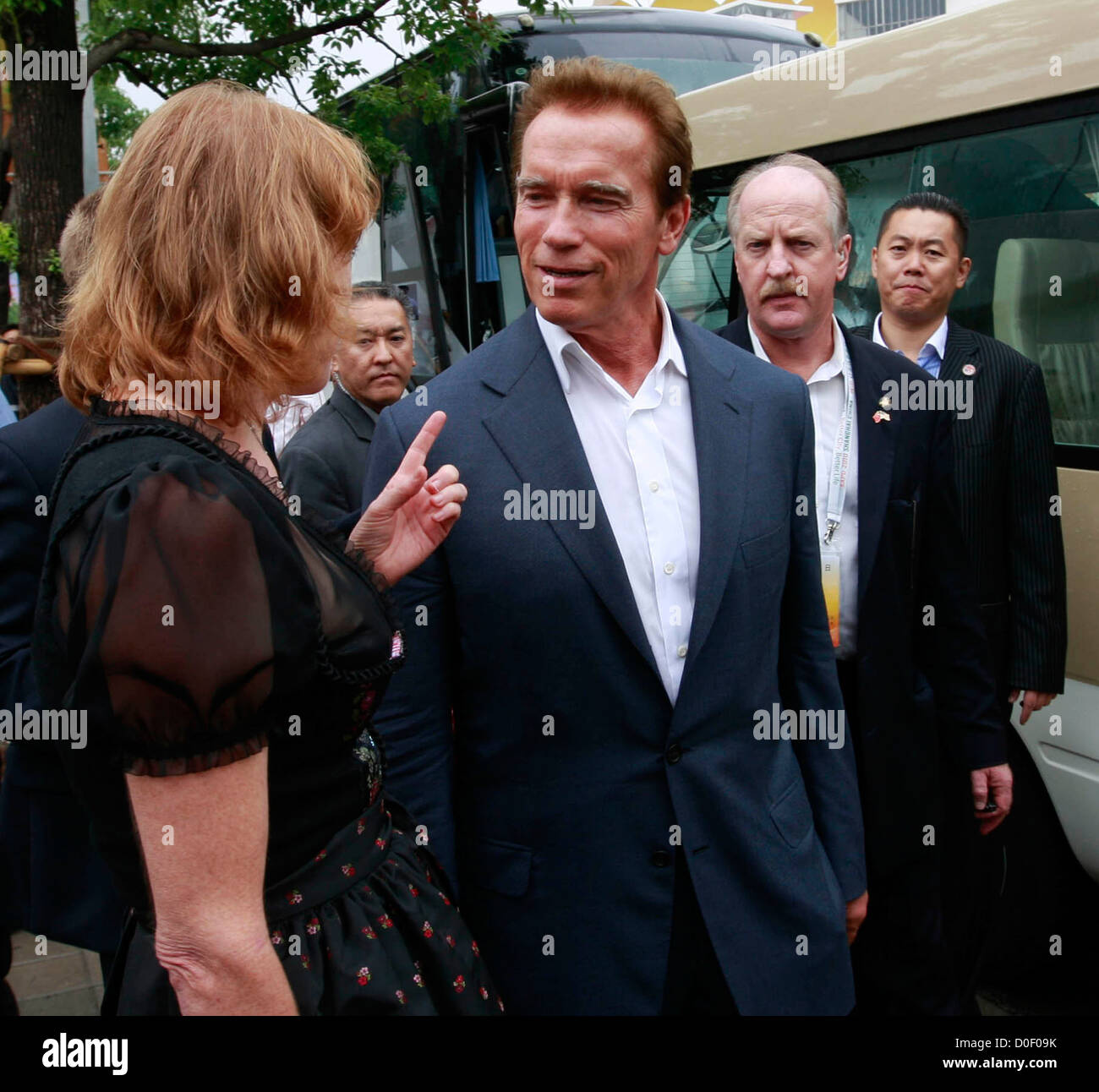
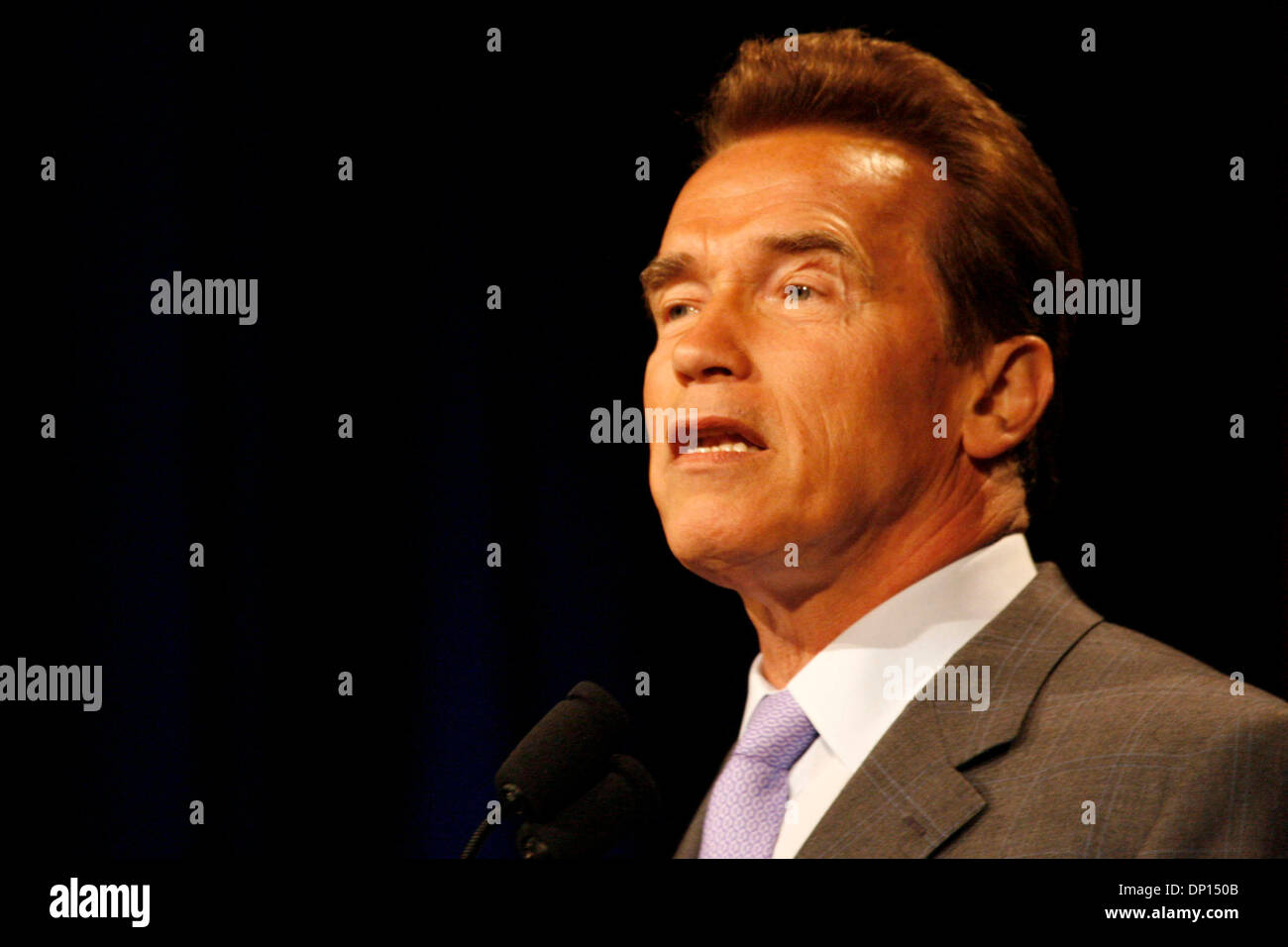
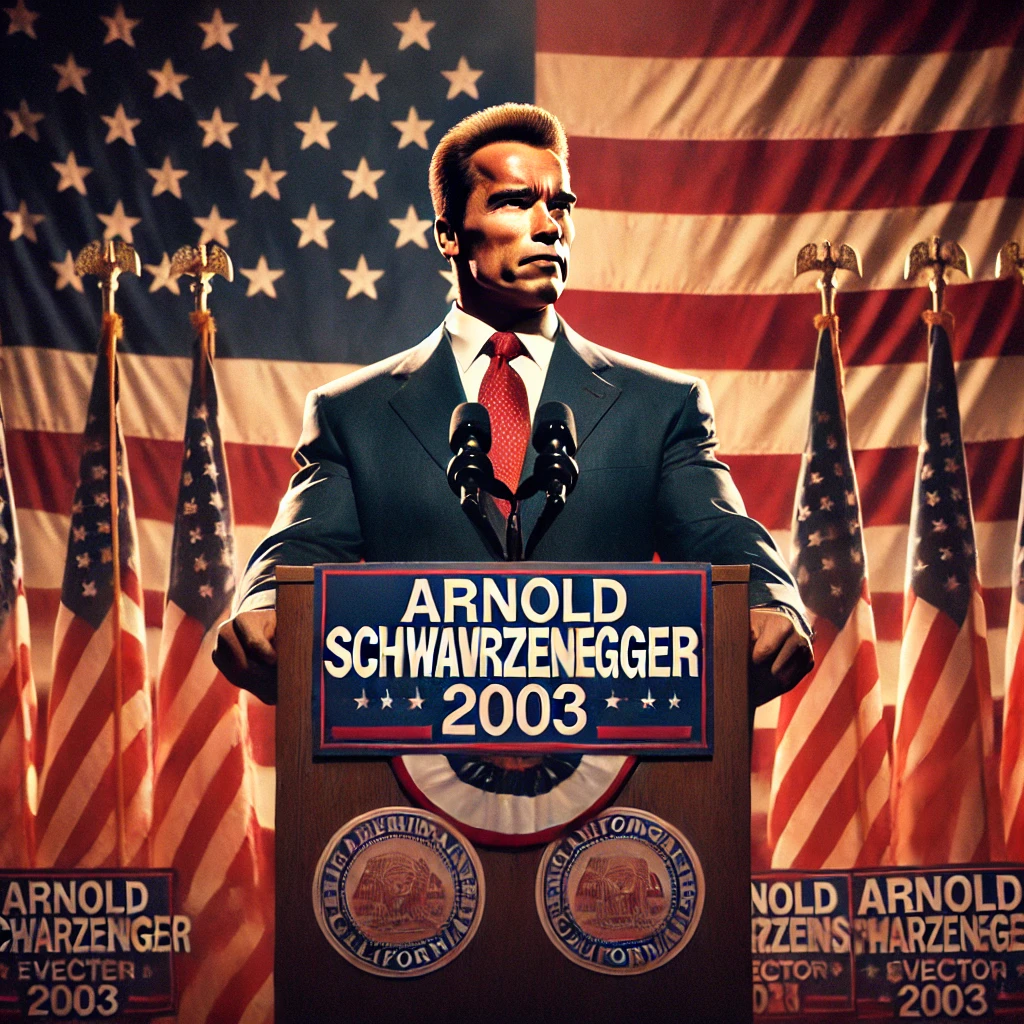
Arnold Schwarzenegger served as the 38th Governor of California from 2003 to 2011 as a member of the Republican Party. During his two terms, he navigated a predominantly Democratic state by adopting a "post-partisan" approach, focusing on environmental protection, infrastructure reform, and budgetary stabilization while frequently clashing with both political parties.
The political trajectory of Arnold Schwarzenegger remains one of the most unique chapters in American history. As we look back from 2026, his tenure as the "Governator" represents a distinct era where celebrity status, moderate Republicanism, and aggressive legislative reform converged in Sacramento. To understand his role in California politics, one must examine the circumstances of his unconventional rise to power, his ideological evolution, and the structural changes he left behind.
The 2003 Recall Election: A Political Earthquake
Arnold Schwarzenegger’s entry into California politics was not through a standard primary process but through the 2003 California gubernatorial recall election. This event was a watershed moment in the state’s political history, triggered by widespread dissatisfaction with then-Governor Gray Davis.
The recall was fueled by a massive electricity crisis, a ballooning state budget deficit, and a sense of legislative gridlock. On October 7, 2003, voters chose to remove Davis from office and replace him with Schwarzenegger, who ran as a moderate Republican. He defeated a field of 135 candidates, including prominent figures like Lieutenant Governor Cruz Bustamante and State Senator Tom McClintock.
Schwarzenegger’s campaign successfully utilized his global celebrity to bypass traditional political machinery. He promised to "clean house" in Sacramento and "terminate" the influence of special interests. This populist appeal resonated with a frustrated electorate, allowing a Republican to take the helm of a state that was already trending significantly toward the Democratic Party.
The Ideological Identity of Schwarzenegger’s Republicanism
Schwarzenegger’s affiliation with the Republican Party was often complex and, at times, contentious. He identified as a fiscal conservative but remained socially moderate-to-liberal, a combination that placed him in the "Rockefeller Republican" tradition.
Fiscal Conservatism and Budget Battles
Early in his first term, Schwarzenegger focused on California’s fiscal health. He inherited a multi-billion dollar deficit and sought to address it through the Economic Recovery Bond Act, which was approved by voters in 2004. His primary goal was to avoid tax increases, preferring instead to cut spending and reform the state's pension system. However, the sheer size of California's social programs and the resistance from a Democratic-controlled legislature made sustained fiscal austerity difficult to achieve.
Social Moderation and Cultural Influence
Unlike many national figures in the Republican Party of the early 2000s, Schwarzenegger held more progressive views on several social issues. He supported abortion rights and, over time, shifted his stance on same-sex marriage. While he initially vetoed same-sex marriage bills passed by the legislature, citing the need for a court ruling or a vote of the people, he eventually declined to defend Proposition 8 (the ban on same-sex marriage) in court, signaling a significant departure from traditional GOP social platforms.
The Evolution of "Post-Partisanship"
After a bruising 2005 special election in which voters rejected several of his key reform initiatives—including teacher tenure changes and union dues restrictions—Schwarzenegger underwent a political transformation. He moved away from the confrontational "muscle-bound" rhetoric of his early years and embraced a strategy he termed "post-partisanship."
This shift involved appointing a Democratic chief of staff, Susan Kennedy, and working closely with Democratic leaders like Assembly Speaker Fabian Núñez. This era saw some of his most significant legislative achievements, proving that a Republican executive could govern effectively in a "Blue" state by seeking the middle ground. This period is often cited by political historians as a rare moment of functional bipartisanship in a deeply polarized era.
Major Policy Achievements and Legislation
Schwarzenegger’s legacy is defined by three primary pillars: environmental protection, infrastructure investment, and political reform.
The Global Warming Solutions Act (AB 32)
Perhaps his most enduring legacy is the passage of Assembly Bill 32 (AB 32) in 2006. This landmark legislation made California a global leader in climate change policy by mandating a reduction in greenhouse gas emissions to 1990 levels by the year 2020. By signing this bill, Schwarzenegger broke ranks with the national Republican Party, which at the time was largely skeptical of climate science and federal regulation.
The Strategic Growth Plan
Schwarzenegger recognized that California’s infrastructure—its roads, bridges, and water systems—had not kept pace with its population growth. He championed the Strategic Growth Plan, a massive bond package totaling tens of billions of dollars. These funds were directed toward seismic retrofitting of bridges, expanding highways, and improving the state’s levee systems, marking the most significant investment in California’s physical infrastructure since the era of Pat Brown in the 1960s.
Political and Electoral Reform
Schwarzenegger was a staunch advocate for changing how politics functioned in California. He argued that partisan gerrymandering and closed primaries led to extremism. To counter this, he successfully campaigned for two major ballot initiatives:
- The Citizens Redistricting Commission: This took the power to draw legislative districts away from politicians and gave it to an independent, non-partisan commission.
- Top-Two Primary System: This created a single primary ballot where the top two vote-getters advance to the general election, regardless of party affiliation, encouraging candidates to appeal to moderate voters.
| Key Legislative Initiative | Year Passed | Primary Objective | Long-term Impact |
|---|---|---|---|
| AB 32 (Climate Change) | 2006 | Reduce CO2 emissions to 1990 levels | Established California as a global environmental leader. |
| Prop 11 (Redistricting) | 2008 | Create Independent Redistricting Commission | Reduced partisan gerrymandering in state districts. |
| Prop 14 (Top-Two Primary) | 2010 | Implement non-partisan primary system | Forced candidates to seek the political center to win. |
| Strategic Growth Plan | 2006 | Multi-billion dollar infrastructure bonds | Modernized transportation and water infrastructure. |
| Workers' Comp Reform | 2004 | Lower costs for businesses | Reduced insurance premiums for California employers. |
Challenges and Economic Turbulence
Despite his legislative successes, Schwarzenegger’s second term was marred by the 2008 global financial crisis. As the "Great Recession" hit, California’s tax revenues plummeted, leading to massive budget deficits that eclipsed those of the Gray Davis era.
Schwarzenegger was forced to negotiate deep cuts to social services and education, which damaged his popularity among both Democrats (who opposed the cuts) and Republicans (who opposed any tax increases he considered as part of a "grand bargain"). By the time he left office in January 2011, his approval ratings had declined significantly, reflecting the state's economic pain rather than a rejection of his specific policies.
Relationship with the California Republican Party
Schwarzenegger’s relationship with his own party was often fraught with tension. The California Republican Party (CAGOP) was increasingly dominated by a conservative base that viewed his environmental regulations and "post-partisan" compromises as a betrayal of GOP principles.
He frequently criticized the party for being too exclusionary and for failing to adapt to the demographics of a changing California. In many ways, Schwarzenegger was an outlier—a Republican who could win statewide in California by refusing to adhere to the national party's ideological orthodoxy. Since his departure, the CAGOP has struggled to find a similar figure capable of winning statewide executive office.
Schwarzenegger's Impact Beyond the Governorship
Even after leaving office in 2011, Schwarzenegger remained a potent force in California and national politics. He founded the Schwarzenegger Institute for State and Global Policy at the University of Southern California (USC), focusing on the same themes that defined his governorship: environmentalism, political reform, and fitness.
His post-gubernatorial years have been characterized by a continued fight against gerrymandering across the United States and a vocal role as a critic of partisan extremism. In 2026, he is viewed not just as a former governor but as an elder statesman of the "sensible center," often cited by those looking for a way to bridge the divide in American politics.
Frequently Asked Questions
Was Arnold Schwarzenegger a Democrat or a Republican?
Arnold Schwarzenegger was, and remains, a member of the Republican Party. He frequently cited the 1968 Nixon-Humphrey debates as the moment he felt aligned with the Republican values of free-market capitalism, individual responsibility, and limited government. However, his governing style was often centrist and bipartisan.
Did Schwarzenegger change parties while in office?
No, he never officially changed his party affiliation. While he worked closely with Democrats and adopted many policies (especially regarding the environment) that were traditionally championed by the Democratic Party, he remained a registered Republican throughout his two terms as governor.
What was Schwarzenegger's "Post-Partisanship" strategy?
Post-partisanship was an approach Schwarzenegger adopted after the failure of his 2005 special election initiatives. It involved moving away from purely Republican-backed policies and seeking legislative compromises with the Democratic majority in the California State Legislature. This strategy led to major wins on climate change and healthcare reform but alienated some conservative members of his own party.
Why was Schwarzenegger's second term considered difficult?
His second term coincided with the Great Recession (2008–2010), which caused California’s revenue to drop drastically. He faced insurmountable budget deficits and was forced to implement unpopular spending cuts to education and social programs. These economic realities overshadowed much of his legislative agenda during his final years in office.
How did Schwarzenegger become Governor of California?
He became governor through the 2003 recall election. Voters were asked two questions: whether Governor Gray Davis should be removed from office, and who should replace him if he was. The "Yes" on the recall prevailed, and Schwarzenegger won the largest share of the vote among the replacement candidates, avoiding a traditional primary.
Practical Takeaway for Understanding California Politics
For those studying California's political landscape, the Schwarzenegger era serves as a case study in executive power and the limitations of partisanship. His tenure demonstrates that while a celebrity-driven populist movement can capture the governorship, the reality of governing a state as complex as California requires significant compromise and an evolution toward the center.
The most lasting elements of his time in office are not his budget battles, but the structural reforms he championed. The Independent Redistricting Commission and the Top-Two Primary System continue to shape California's elections in 2026, often favoring more moderate candidates and reducing the influence of extreme partisan wings. To understand California today, one must recognize that Schwarzenegger’s "post-partisan" experiments fundamentally altered the state’s constitutional and electoral framework.