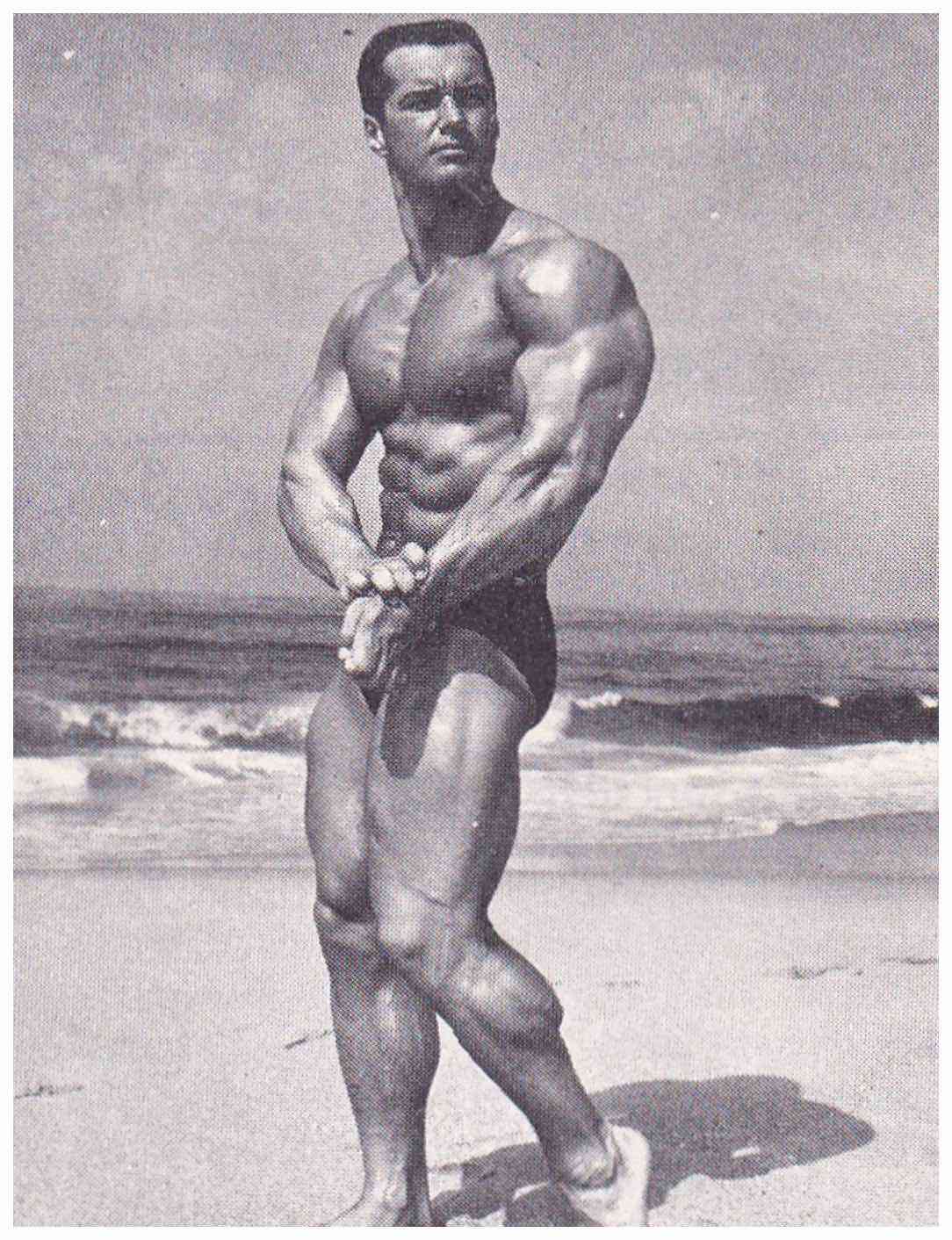
Between 1967 and 1970, Arnold Schwarzenegger won a total of five Mr. Universe titles across two different sanctioning bodies. His tally includes one NABBA Amateur Mr. Universe title (1967), three consecutive NABBA Professional Mr. Universe titles (1968, 1969, 1970), and one IFBB Mr. Universe title (1969). These victories served as the foundational proof of his physical dominance before he began his record-breaking streak of seven Mr. Olympia wins.
Understanding Arnold Schwarzenegger’s competitive history requires a deep dive into the fragmented landscape of 1960s bodybuilding. During this era, the "Mr. Universe" title was the most prestigious accolade a bodybuilder could achieve, arguably carrying more cultural weight than the fledgling Mr. Olympia contest at the time. Arnold’s journey through the Universe ranks is not just a list of dates; it is a narrative of rapid physical evolution, savvy political maneuvering within the sport, and the eventual unification of his legacy under the IFBB banner.
The Significance of the Mr. Universe Title in the 1960s
To modern audiences in 2026, the Mr. Olympia is the undisputed pinnacle of bodybuilding. However, in the mid-1960s, the National Amateur Body-Builders' Association (NABBA) Mr. Universe, held annually in London, was the "World Cup" of the sport. It was the title that transformed regional champions into international icons.
The competition was split into two distinct categories: Amateur and Professional. The Amateur class was for rising stars who had not yet commercialized their image or won a major international title. The Professional class featured the "best of the best," often including men who had already won the Amateur title and were now competing for cash prizes and industry dominance. Arnold’s mastery of both categories within a four-year span remains one of the most aggressive ascents in sports history.
Furthermore, the International Federation of BodyBuilders (IFBB), led by Joe and Ben Weider, ran its own "IFBB Mr. Universe" (later renamed the IFBB World Amateur Championships). For Arnold to be considered the true king of the sport, he had to conquer the established NABBA stage in London and the rising IFBB stage in America.
1967 NABBA Amateur Mr. Universe: The Youngest Champion
In 1966, a 19-year-old Arnold Schwarzenegger traveled to London for his first NABBA Mr. Universe. He finished second to the American Chet Yorton. Yorton possessed a more "finished" look with better definition and leg development, which served as a wake-up call for the young Austrian.
Returning in 1967, Arnold was a different athlete. At age 20, he brought a level of mass and "freak factor" that the European stage had never seen. He defeated the likes of Rick Wayne and Vic Downs to become the youngest NABBA Mr. Universe in history.
Technical Analysis of the 1967 Win:
- Weight: Approximately 235 pounds.
- Key Improvement: Arnold focused heavily on his "cuts" (definition) and calf development after his 1966 loss.
- Impact: This win caught the attention of the entire bodybuilding world, including Joe Weider in the United States. It proved that Arnold wasn't just a "big kid" from Austria; he was a legitimate threat to the American stars.
1968 NABBA Professional Mr. Universe: Entering the Big Leagues
After winning the Amateur title, Arnold was ineligible to compete in that category again. He moved into the Professional ranks for the 1968 NABBA Mr. Universe. This was a pivotal year because it coincided with his relocation to California under the mentorship of Joe Weider.
The 1968 contest in London saw Arnold face off against the American champion Dennis Tinerino. While Tinerino was aesthetically gifted, Arnold’s sheer scale—his chest and biceps in particular—overwhelmed the judges. This victory established him as the top professional in the NABBA circuit.
Winning as a professional at 21 years old was unprecedented. It gave Arnold the leverage he needed to demand higher appearance fees and better standing within the Weider business empire. It was also during this period that he began training at the original Gold's Gym in Venice, California, alongside legends like Dave Draper and Franco Columbu.
1969: The Dual Universe Victories
1969 was perhaps the most complex and successful year of Arnold’s early career. He successfully defended his status in Europe while simultaneously planting his flag in the United States.
NABBA Professional Mr. Universe (London)
Arnold returned to London to defend his Professional title. His primary competition was the French sensation Serge Nubret. Nubret was known for his incredible "3D" muscle bellies and aesthetic symmetry. However, Arnold’s "The Oak" persona was already taking shape. He displayed a level of density that made his competitors look small by comparison. His win over Nubret cemented his status as a three-time NABBA champion (one Amateur, two Pro).
IFBB Mr. Universe (New York)
Later that year, Arnold competed in the IFBB Mr. Universe held in New York. This was a strategic move orchestrated by Joe Weider. Winning the IFBB version was a prerequisite for entering the Mr. Olympia. Arnold won the title handily, but the true significance of this event was his first encounter with Sergio Oliva, "The Myth," later that weekend. While Arnold won the IFBB Universe title, he lost his first Mr. Olympia attempt to Sergio just days later. This loss fueled the legendary rivalry of the early 70s.
1970 NABBA Professional Mr. Universe: Defeating the Idol
The 1970 NABBA Mr. Universe is widely considered the most emotional and significant of Arnold’s Universe wins. The reason was simple: Reg Park.
Reg Park was a three-time Mr. Universe winner and the man Arnold had idolized since childhood. Park was the original "mass monster" and a star of Hercules films. In 1970, Park decided to make a comeback at age 42 to reclaim his throne.
The battle between the aging mentor and the rising protégé was legendary. Arnold brought his best conditioning to date, weighing roughly 245 pounds. While Park possessed incredible ruggedness and power, Arnold represented the new "Modern Age" of bodybuilding—huge muscles combined with a tapering waist and charismatic posing. Arnold defeated Park to take his third consecutive Professional title (and fourth overall NABBA title).
Defeating his hero was a "passing of the torch" moment. After this win, Arnold famously retired from the NABBA stage to focus exclusively on the IFBB Mr. Olympia.
Comparing Arnold’s Mr. Universe Achievements
The following table clarifies the distinctions between his five titles, the organizations, and the levels of competition.
| Year | Organization | Category | Location | Notable Runner-Up |
|---|---|---|---|---|
| 1967 | NABBA | Amateur | London, UK | Rick Wayne |
| 1968 | NABBA | Professional | London, UK | Dennis Tinerino |
| 1969 | NABBA | Professional | London, UK | Serge Nubret |
| 1969 | IFBB | Amateur (Intl) | New York, USA | Ray Routledge |
| 1970 | NABBA | Professional | London, UK | Reg Park |
Technical Evolution: How Arnold Won
Arnold's dominance in the Mr. Universe contests was not merely a matter of being the largest man on stage. It was a combination of three technical factors that he refined between 1967 and 1970.
1. The "Big Three" Muscle Groups
Arnold understood that the Universe judges were mesmerized by his chest, biceps, and shoulders. He popularized the "side chest" pose, which emphasized the thickness of his pectorals. In his biceps, he developed a "peak" that was genetically superior and highlighted through specialized concentration curls. In 2026, historians still point to his 1970 Universe form as the blueprint for "High Volume" aesthetics.
2. Psychological Warfare
Arnold was a master of "psyching out" his opponents. During the 1970 contest against Reg Park, Arnold reportedly used his confidence and height to loom over his idol backstage. He would often point out small flaws in his competitors' physiques or talk about his own "superior" pumps to erode their confidence before they walked under the lights.
3. Posing as Art
Unlike many of the "powerhouse" lifters of the 50s, Arnold treated posing as a theatrical performance. He studied ballet and worked with choreographers to ensure his transitions were fluid. For the NABBA judges, who valued "athletic grace," this gave Arnold an edge over more static competitors.
Common Misconceptions and Clarifications
When discussing Arnold’s record, several myths frequently appear. It is essential to distinguish between the Mr. Universe and the Mr. Olympia.
- Total Titles: Arnold has 5 Mr. Universe titles and 7 Mr. Olympia titles, for a total of 12 major world titles. Many sources incorrectly state he has 13 or 14 because they include his regional wins like "Mr. Europe" or "Mr. World."
- The "Professional" Distinction: Winning the NABBA Professional Mr. Universe did not automatically make him an IFBB Professional. He had to win the IFBB Universe (1969) to fully transition into the Weider-led professional circuit that culminated in the Olympia.
- The Age Record: In 2026, Arnold still holds the record as the youngest NABBA Mr. Universe winner at age 20. While modern bodybuilding has seen younger regional champions, the international prestige of that 1967 win remains a benchmark for youthful excellence.
Why These Titles Matter Today
The Mr. Universe years represent the "purest" era of Arnold’s bodybuilding career. This was the period where he was an underdog, a newcomer, and a student of the game. These titles were his "proof of concept." Without the five Mr. Universe wins, he never would have gained the visibility required to move to Hollywood or eventually enter politics.
For fitness enthusiasts, the "Universe years" are often studied for their focus on Golden Era aesthetics. Arnold’s physique during this time was large but still retained a classic V-taper and a vacuum waist—a look that has seen a massive resurgence in popularity via the Classic Physique division of the 2020s.
Frequently Asked Questions
Did Arnold Schwarzenegger ever lose a Mr. Universe contest?
Yes. In 1966, Arnold competed in the NABBA Amateur Mr. Universe and finished second to American Chet Yorton. Yorton's superior definition and leg development were cited as the reasons for Arnold's loss. This defeat is often credited with motivating Arnold to train his legs and "cuts" with greater intensity, leading to his 1967 victory.
Is the Mr. Universe the same as the Mr. Olympia?
No. The Mr. Universe titles were historically the top prize in the sport until the early 1970s. The Mr. Olympia was created by Joe Weider in 1965 to allow Mr. Universe winners to continue competing for a "champion of champions" title. Eventually, the Olympia surpassed the Universe in prestige and prize money.
Why did Arnold compete in both NABBA and IFBB Mr. Universe contests?
During the late 1960s, the NABBA Mr. Universe in London was the most famous title in the world. However, the IFBB was the organization that ran the Mr. Olympia. To be the undisputed world champion and qualify for the Olympia, Arnold had to win in both organizations.
How many Mr. Universe titles did Arnold win in total?
Arnold won a total of five Mr. Universe titles. Four were with the NABBA organization (1967 Amateur, 1968 Pro, 1969 Pro, 1970 Pro) and one was with the IFBB organization (1969).
Who was Arnold's toughest opponent in the Mr. Universe?
Most historians agree that Reg Park in 1970 was Arnold's most significant opponent because Park was his childhood idol and a three-time champion. However, Serge Nubret in 1969 offered some of the closest competition in terms of pure aesthetics and symmetry.
Final Recommendation for Bodybuilding Historians
If you are researching the evolution of Arnold Schwarzenegger’s physique, do not skip over the NABBA archives from 1967 to 1970. While his Mr. Olympia wins are better documented in film (such as Pumping Iron), his Mr. Universe victories represent the most dramatic transformation in his career. To truly understand "The Oak," one must look at the London stages where he first became a legend. For those looking to emulate his success, the focus should be on his 1967–1970 training logs, which emphasize the foundation of high-volume basic movements that built the most iconic body in history.