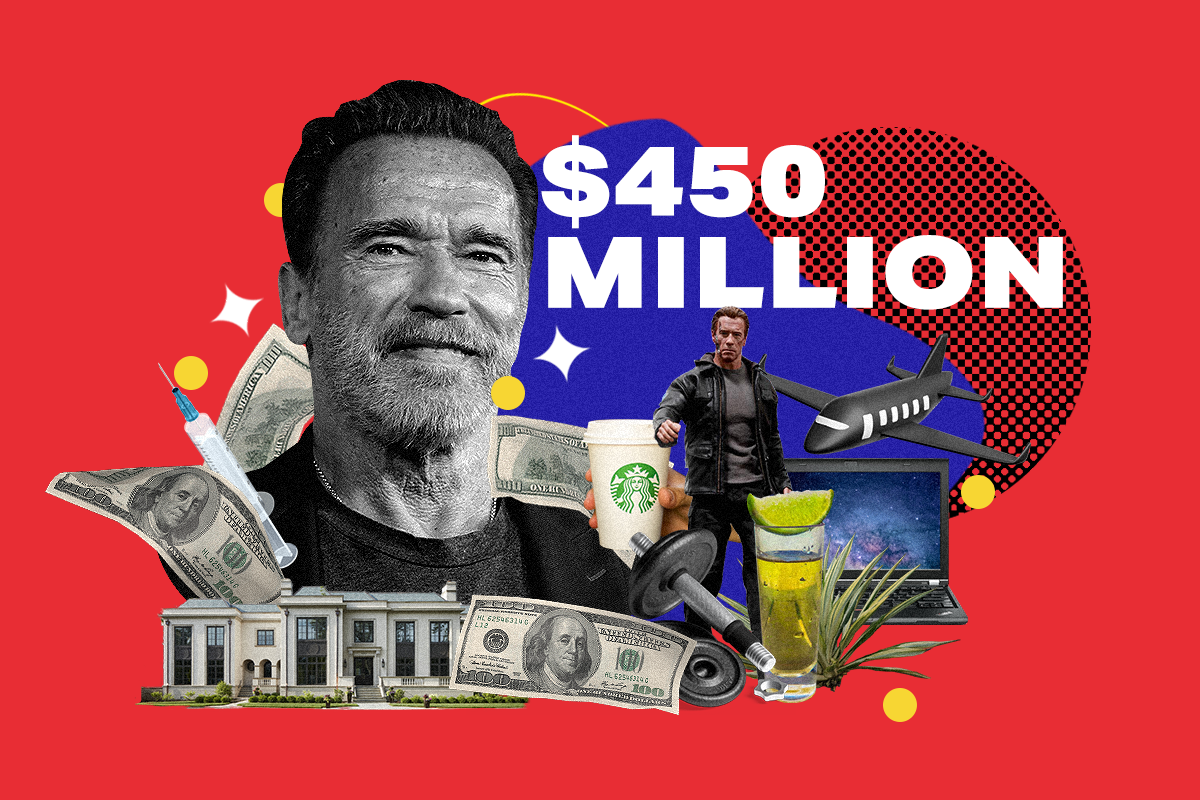
When Arnold Schwarzenegger announced his candidacy for the Governor of California during a 2003 appearance on The Tonight Show with Jay Leno, he was already one of the wealthiest self-made individuals in the United States. At the start of his gubernatorial term in November 2003, Arnold Schwarzenegger’s net worth was conservatively estimated to be between $200 million and $400 million. Unlike many actors who rely solely on film salaries, Schwarzenegger’s fortune was built on a sophisticated foundation of real estate investments, international business ventures, and revolutionary Hollywood "back-end" deals.
The Foundation of Wealth: Before the Big Screen
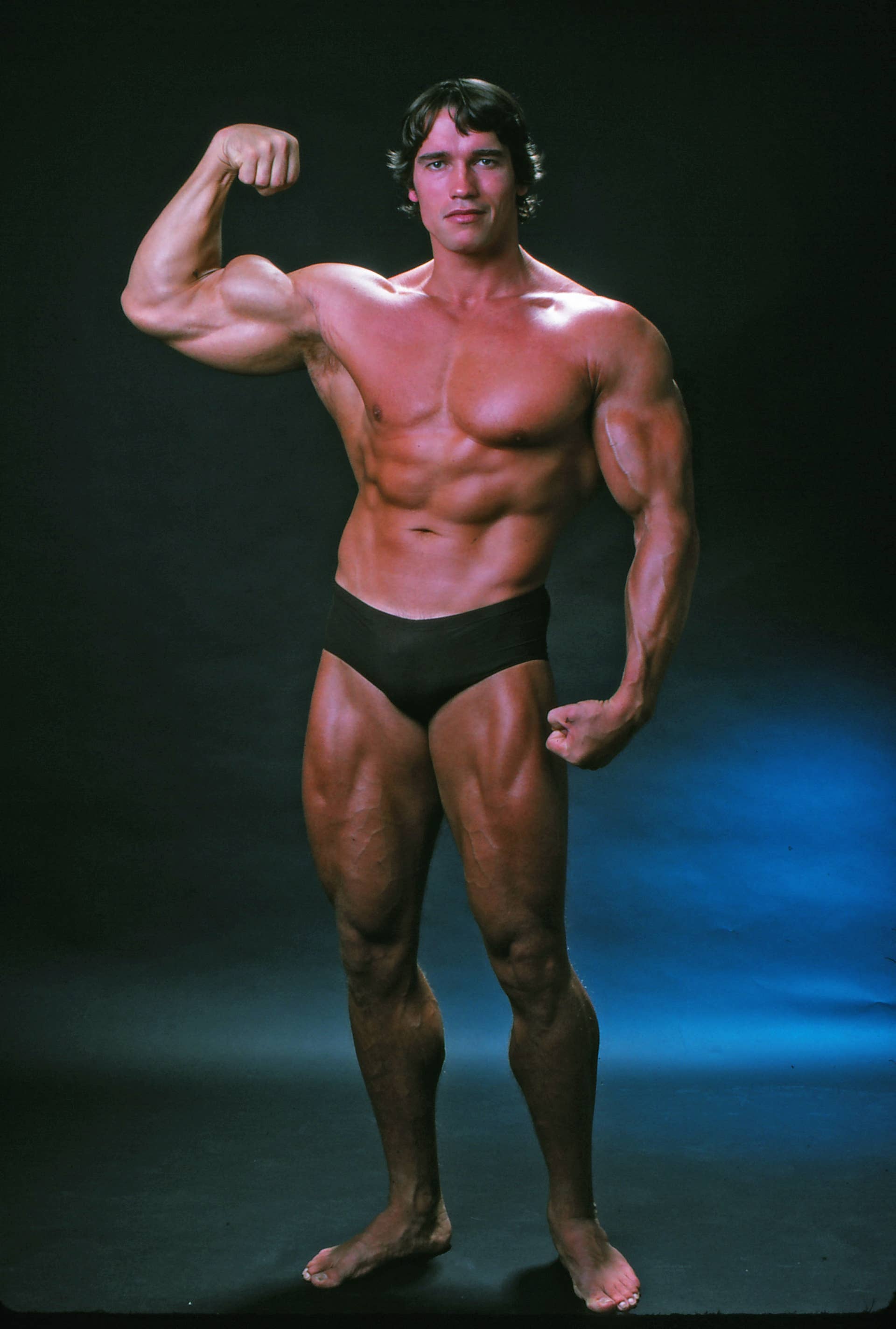
A common misconception is that Arnold Schwarzenegger’s wealth began with his Hollywood career. In reality, Schwarzenegger was a millionaire before he ever landed a leading role in a major motion picture. His financial journey began in the late 1960s and early 1970s, driven by a combination of athletic dominance and an innate sense for business.
The Bricklaying Business and Mail Order
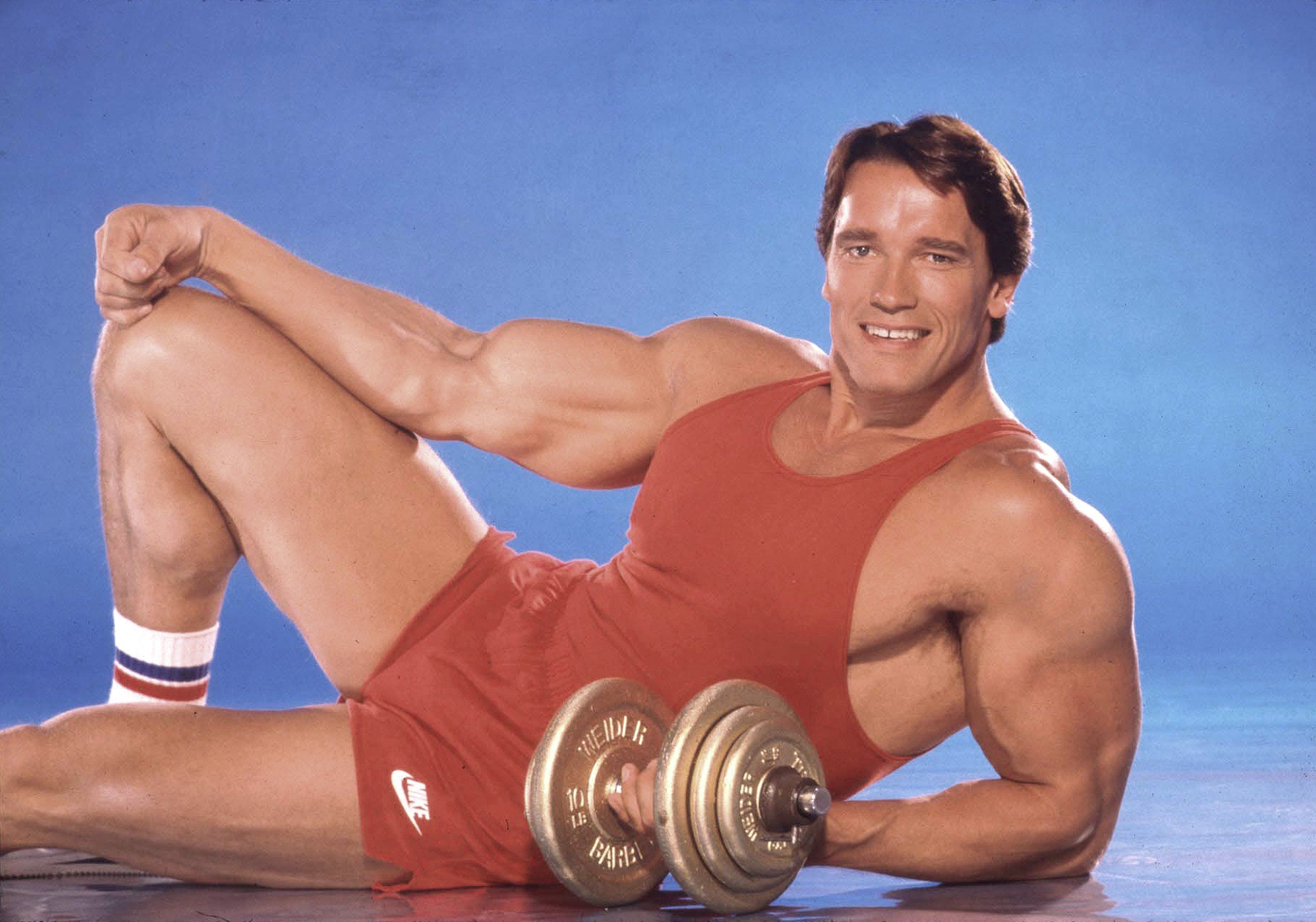
Upon arriving in the United States, Schwarzenegger did not wait for acting opportunities to fund his lifestyle. Alongside his training partner and close friend Franco Columbu, he started a bricklaying and masonry business in 1968. Capitalizing on the construction boom in Southern California and their reputation as "European craftsmen," the duo found immediate success.
Simultaneously, Schwarzenegger launched a mail-order business. He sold bodybuilding instructional booklets, equipment, and supplements to a global audience of fitness enthusiasts. By leveraging his title as Mr. Olympia, he established a direct-to-consumer pipeline that provided consistent cash flow, which he immediately funneled into his next—and arguably most important—wealth-building vehicle: real estate.
Strategic Real Estate Investments
By the mid-1970s, Schwarzenegger began purchasing apartment buildings in Santa Monica and West Los Angeles. He recognized early on that the appreciation of California land would far outpace the returns on traditional savings accounts. He famously used the profits from his bodybuilding competitions and his mail-order business to put down payments on multi-unit residential properties.
By the time Conan the Barbarian (1982) made him a household name, he already owned a portfolio of real estate that was worth millions. This "safety net" allowed him to be selective with his acting roles, as he was never in a position where he needed a paycheck to survive. His real estate holdings eventually expanded into commercial properties, including office buildings and retail spaces, which remained a core component of his net worth leading up to 2003.
The Hollywood Era: Massive Salaries and Smart Deals
As Schwarzenegger transitioned into an A-list superstar in the 1980s and 1990s, his earning power reached heights previously unseen in the industry. However, it wasn't just the size of the checks that grew his net worth; it was the way he structured his contracts.
The Power of the "Back-End" Deal
One of the most significant moments in Schwarzenegger’s financial history occurred with the 1988 film Twins. Rather than taking a standard multi-million dollar salary, Schwarzenegger, Danny DeVito, and director Ivan Reitman agreed to take zero salary in exchange for a combined 37.5% of the film’s "back-end" (the film's gross revenue).
The movie was a massive commercial success, grossing over $216 million worldwide. This single deal resulted in a payout for Schwarzenegger that was significantly higher than any salary he could have negotiated at the time, estimated at roughly $35 million to $40 million in 1980s dollars. This maneuver demonstrated his sophisticated understanding of risk and reward, which he would repeat with other projects.
Peak Earning Years (1990–2003)
During the decade leading up to his governorship, Schwarzenegger was consistently among the highest-paid actors in the world. For Terminator 2: Judgment Day (1991), he was famously paid $15 million, which famously broke down to approximately $21,429 for every word he spoke in the film.
By the time Terminator 3: Rise of the Machines was in production (released in 2003, the year he was elected), his salary had ballooned to a record-setting $30 million. This contract included a "pay-or-play" clause, ensuring he was paid regardless of whether the film was completed, along with perks such as private jet travel and a massive trailer budget.
Financial Disclosures and the 2003 Election
When Schwarzenegger entered the political arena, he was required to file a Statement of Economic Interests (Form 700) under California law. These disclosures provided a rare glimpse into the complexity of his financial empire just before he took office.
The Complexity of Oak Productions
Most of Schwarzenegger’s entertainment-related income was funneled through his company, Oak Productions. This entity managed his acting contracts, production fees, and likeness rights. Leading up to 2003, Oak Productions was a powerhouse that managed not just his film earnings, but also his various endorsement deals and international branding opportunities.
Diverse Asset Portfolios
The 2003 disclosures revealed that Schwarzenegger’s wealth was not just in cash and real estate. His portfolio included:
- Dimensional Fund Advisors: Significant investments in various mutual funds and institutional assets.
- Commercial Real Estate: Large-scale holdings in the "Main Street" area of Santa Monica and other prime locations.
- Aviation: Ownership of a Boeing 747 (though often leased or used for business purposes) and other private aviation interests.
- Planet Hollywood: While the restaurant chain eventually faced financial difficulties, Schwarzenegger was an early high-profile investor and spokesperson, which contributed to his pre-governor wealth through equity and promotional fees.
Estimated Net Worth Components (2003)
To understand how his wealth was distributed at the time of his election, the following table breaks down the estimated valuations of his primary assets.
| Asset Category | Estimated Value (2003 USD) | Primary Source |
|---|---|---|
| Real Estate Holdings | $100M – $150M | Multi-unit residential and commercial properties in CA. |
| Entertainment Assets | $150M – $200M | Residuals from 30+ films, Oak Productions, and T3 salary. |
| Business Investments | $50M – $100M | Stocks, private equity, and fitness-related ventures. |
| Personal Assets | $20M – $30M | Art collection, vehicles, and private aircraft. |
| Total Estimated Net Worth | $320M – $480M | Aggregate of disclosed and estimated holdings. |
The Impact of the Governorship on His Wealth
Interestingly, Schwarzenegger’s net worth actually faced a "calculated stagnation" or even a slight decline in liquidity during his two terms as Governor (2003–2011).
Forfeiting the Gubernatorial Salary
As a gesture of public service and a testament to his existing wealth, Schwarzenegger famously refused to accept the governor’s annual salary, which was approximately $175,000 to $200,000 depending on the year. While this was a drop in the bucket compared to his net worth, it underscored his status as a "citizen politician" who could not be bought.
The Opportunity Cost of Public Office
The true financial "cost" of his governor term was the opportunity cost. During his seven years in office, he was unable to film movies. Considering he was earning between $20 million and $30 million per film in the years immediately preceding 2003, his absence from the screen likely cost him upwards of $200 million in potential earnings.
Furthermore, he placed his assets in a blind trust to avoid conflicts of interest, which limited his ability to actively manage his real estate and business portfolio during one of the most volatile economic periods in California's history (including the 2008 financial crisis).
Why Arnold’s Pre-Governor Wealth Matters
Understanding Schwarzenegger’s net worth before his term is essential because it dictated his political persona. He ran as a "Total Recall" candidate who was "too rich to be bribed." His financial independence allowed him to fund a significant portion of his own campaign and maintain an image of an outsider who was beholden only to the voters, not to special interest donors.
His wealth was also a reflection of the "American Dream" narrative that he leveraged throughout his career. He moved from Austria with nothing and, through sheer willpower and financial intelligence, became a centimillionaire before entering public service. This background gave him a unique perspective on fiscal policy, even if his actual record as governor remains a subject of intense political debate.
Frequently Asked Questions
Was Arnold Schwarzenegger a millionaire before he started acting?
Yes. Arnold Schwarzenegger became a millionaire in the 1970s, primarily through his real estate investments and his successful mail-order bodybuilding business. By the time he starred in his first major films, he was already financially independent and owned several apartment buildings in Los Angeles.
How much was Arnold paid for his last movie before becoming governor?
For Terminator 3: Rise of the Machines (2003), Schwarzenegger received a salary of $29.25 million, plus a 20% share of the "back-end" profits from various revenue streams. This remains one of the highest salaries ever paid to an actor for a single film.
Did Arnold Schwarzenegger lose money while he was Governor?
In terms of "opportunity cost," yes. By stepping away from Hollywood for seven years, he likely passed up hundreds of millions of dollars in acting fees and endorsements. However, his core assets, particularly his real estate and long-term investments, continued to exist, though they were managed via a blind trust.
What was Arnold's most profitable business venture outside of acting?
While acting provided the largest individual checks, his real estate portfolio is often cited by financial analysts as his most consistent and significant wealth generator. His early entry into the Southern California property market allowed him to build a foundation that compounded over decades.
How did Arnold Schwarzenegger's net worth compare to other politicians in 2003?
At the time of his election, Schwarzenegger was one of the wealthiest politicians in the United States. His net worth far exceeded that of most senators and governors, placing him in a similar bracket to other wealthy figures like Michael Bloomberg or Jon Corzine.
Practical Recommendation for Researchers
For those looking to verify these figures or conduct deeper financial analysis, the most reliable historical documents are the California Fair Political Practices Commission (FPPC) filings. Specifically, look for the "Statement of Economic Interests - Form 700" filed by Arnold Schwarzenegger between 2003 and 2011. While these forms use broad ranges for asset values (e.g., "Over $1,000,000"), they list the specific entities and properties that comprised his wealth, providing the most accurate roadmap of his pre-gubernatorial financial state.