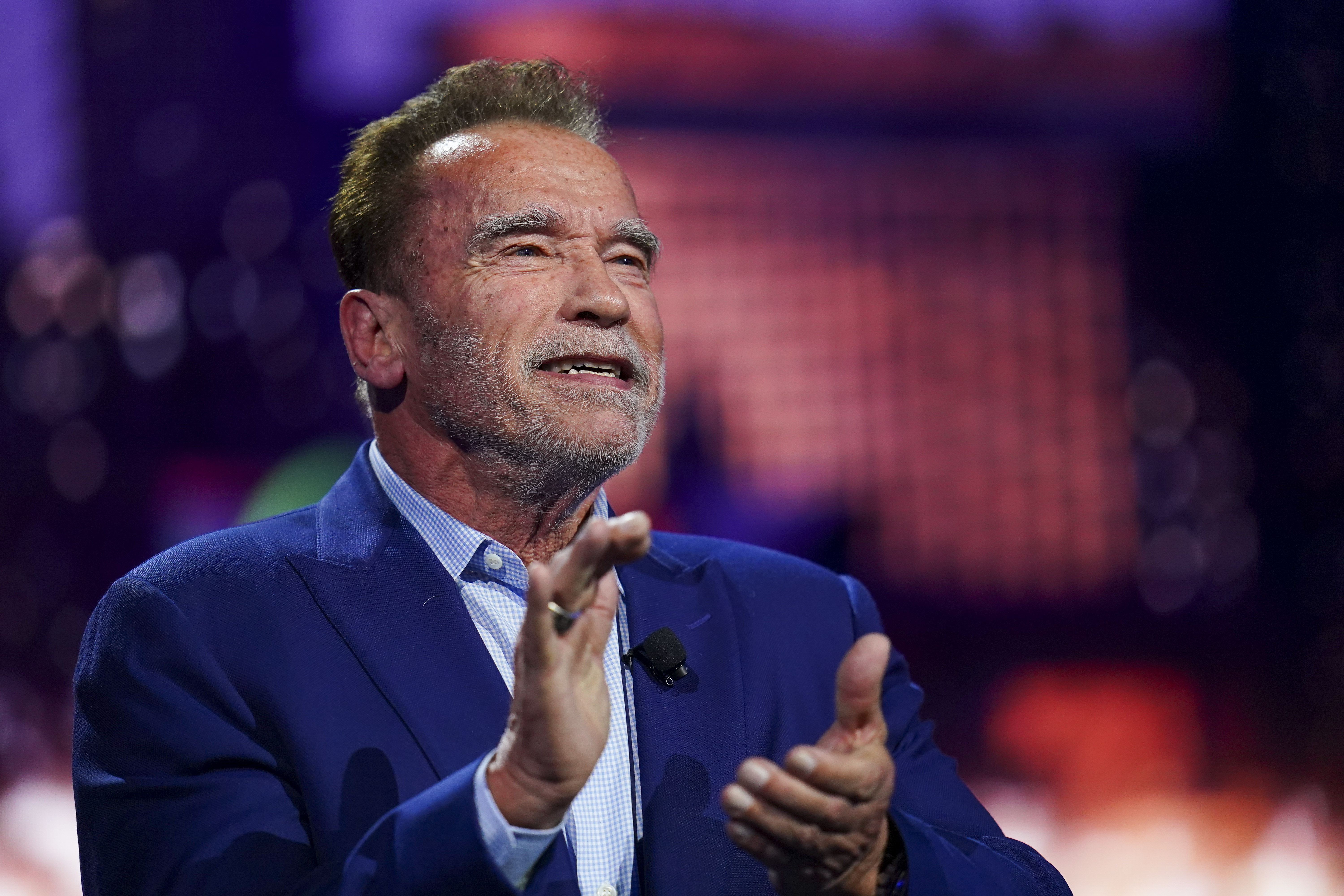
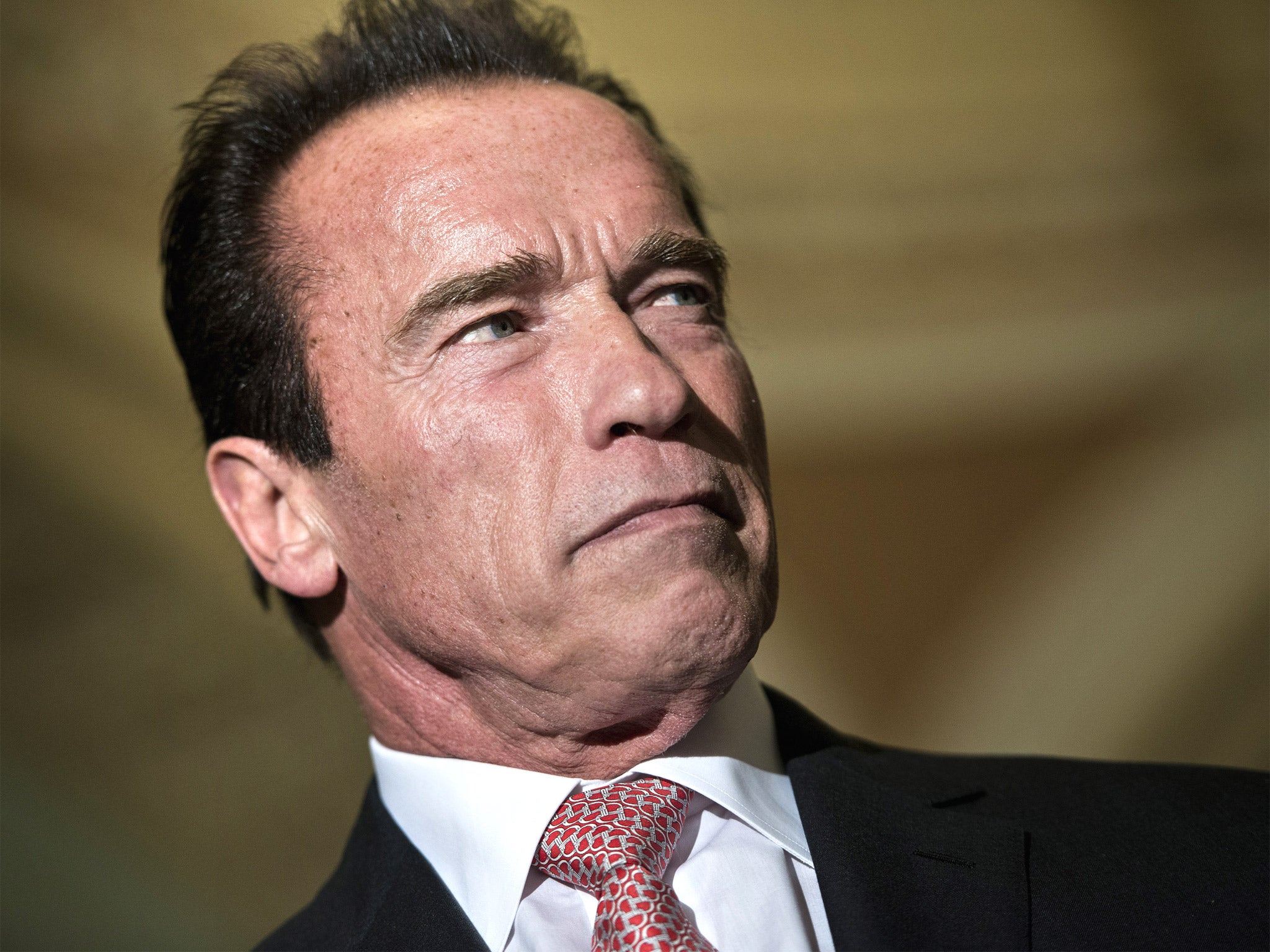
Arnold Schwarzenegger remains a committed member of the Republican Party, though his brand of conservatism is defined by fiscal discipline, environmental stewardship, and a pragmatic, centrist approach to social issues. While he often clashes with the modern populist wing of the GOP, his ideology is rooted in the classical liberalism and free-market principles of the mid-20th century.
The question of whether Arnold Schwarzenegger is a conservative often depends on how one defines the term in the political landscape of 2026. To the "Old Guard" of the Republican Party, Schwarzenegger represents the quintessential Eisenhower or Reagan-era conservative: a self-made immigrant who believes in the power of the individual, limited government interference in business, and a robust national defense. However, to the modern MAGA-influenced base, his stances on climate change, healthcare, and social inclusion often lead to labels like "RINO" (Republican In Name Only). To understand Schwarzenegger’s conservatism, one must look past modern partisan labels and examine the specific pillars of his governance and personal philosophy.
The Philosophical Roots: Why Arnold Schwarzenegger Became a Republican
Schwarzenegger’s alignment with the Republican Party was not an accident of geography or celebrity; it was a conscious choice made shortly after his arrival in the United States in 1968. The story is a cornerstone of his political identity. While watching the televised debates between Richard Nixon and Hubert Humphrey, Schwarzenegger asked a friend to translate what the candidates were saying.
Upon hearing that Nixon was advocating for free enterprise, getting the government off the backs of businesses, and strengthening the military, Schwarzenegger famously declared, "Put me down as a Republican." This foundational belief in individual responsibility and meritocracy has remained the North Star of his political life. Growing up in post-WWII Austria, he saw firsthand the limitations of socialist-leaning policies and the weight of a heavy state apparatus. To Schwarzenegger, conservatism meant the freedom to fail or succeed based on one’s own "muscle" and "drive."
In 2026, Schwarzenegger continues to emphasize that his conservatism is about "empowering the people, not the bureaucracy." He views the government’s role as a provider of infrastructure and a "safety net," rather than a "hammock," a distinction that places him firmly in the tradition of fiscal conservatism.
Fiscal Conservatism: The "Governator" and the Budget
When Schwarzenegger won the 2003 California recall election, he inherited a state in the midst of a massive fiscal crisis. His campaign was built on the promise to "tear up the credit cards" and "stop the crazy spending" in Sacramento. This era showcased his most traditional conservative credentials.
Workers' Compensation Reform
One of his most significant conservative victories was the overhaul of California’s workers' compensation system. Before his tenure, the system was widely criticized as being bloated and prone to fraud, driving businesses out of the state. Schwarzenegger pushed through reforms that significantly lowered premiums for employers while maintaining essential benefits for injured workers. This was a classic supply-side move intended to improve the business climate through deregulation and cost-cutting.
The Battle with Public Unions
In 2005, Schwarzenegger took a hardline conservative stance against public sector unions, proposing a series of initiatives that would have restricted union dues for political purposes and changed teacher tenure rules. While these initiatives were defeated at the ballot box, they solidified his reputation as a fiscal hawk willing to challenge the most powerful Democratic constituencies in California. He argued that the "special interests" of unions were bankrupting the state, a common refrain in conservative fiscal theory.
Environmentalism: The "Green Conservative"
Perhaps the most controversial aspect of Schwarzenegger’s conservatism is his leadership on climate change. In 2006, he signed the Global Warming Solutions Act (AB 32), which set a mandatory cap on greenhouse gas emissions in California. For many traditional conservatives, this looked like government overreach.
However, Schwarzenegger argues that environmentalism is inherently conservative. He often cites the word "conservative" as sharing the same root as "conservation." His philosophy is that a true conservative does not waste resources—whether they are financial or natural. By framing climate action as a way to spur green technology innovation and create jobs, he attempted to bridge the gap between environmental protection and free-market capitalism.
In 2026, he remains the most prominent global advocate for "Subnational Leadership." Through the Schwarzenegger Institute for State and Global Policy at USC, he promotes the idea that states and provinces should lead on climate action when national governments fail to act. He views the transition to renewable energy as a national security issue and a competitive economic advantage, rather than a regulatory burden.
Social Moderation and the "Big Tent" Strategy
Schwarzenegger’s social views have evolved significantly, moving him further away from the religious right that dominated the GOP in the early 2000s. While he initially vetoed same-sex marriage bills as Governor, citing the need for a judicial or voter-led mandate, he eventually became a vocal supporter of LGBTQ+ rights.
His stance on social issues is built on a "live and let live" libertarian-adjacent philosophy. He has argued that the Republican Party must become a "Big Tent" to survive in a diversifying America.
- Healthcare: He proposed a universal healthcare plan for California in 2007, which, although it failed, shared many similarities with the later Affordable Care Act. He argued that it was fiscally irresponsible for the state to pay for emergency room visits for the uninsured when preventative care was cheaper.
- Immigration: As an immigrant himself, he has consistently supported comprehensive immigration reform that includes a path to legal status, coupled with strong border security.
- Gun Control: He supports "common-sense" gun laws, such as background checks and bans on certain types of high-capacity magazines, which puts him at odds with the NRA and the current GOP platform.
Schwarzenegger vs. The Modern GOP (2026 Context)
By 2026, the rift between Schwarzenegger and the populist wing of the Republican Party has become a defining feature of his political commentary. He has been a fierce critic of the "America First" movement, which he views as isolationist and detrimental to the global standing of the United States.
| Issue | Schwarzenegger's Stance | Modern Populist GOP Stance |
|---|---|---|
| Trade | Strong advocate for free trade and global markets. | Prefers protectionism and tariffs to "protect" domestic industry. |
| Climate Change | Pro-active regulation and investment in green tech. | Skeptical of human-caused climate change; pro-fossil fuels. |
| January 6th/Democracy | Calls it a betrayal of conservative values and the Constitution. | Often frames it as a protest or downplays the events. |
| Government Spending | Focuses on entitlement reform and "paying as you go." | Often increases spending on military/infrastructure while cutting taxes. |
| Social Issues | Pro-choice (limited) and pro-LGBTQ+ rights. | Primarily pro-life and focused on traditional family values. |
Schwarzenegger’s criticism of the 2021 Capitol riot—comparing it to the Kristallnacht of his youth in Austria—was a seminal moment. He argued that the Republican Party’s duty is to defend the rule of law and the sanctity of elections, regardless of the outcome. To Schwarzenegger, the "conservative" position is to protect the institutions of the Republic from populist anger.
The Schwarzenegger Institute and Political Reform
A major part of Arnold's conservative identity in his post-governor years is his focus on political reform. He has spent years fighting against gerrymandering, arguing that when politicians choose their voters (rather than voters choosing their politicians), it leads to extremism on both sides.
He successfully championed an independent redistricting commission in California, a move he believes is fundamentally conservative because it returns power to the individual citizen and reduces the influence of political party machines. In 2026, he continues to fund legal challenges and advocacy groups aimed at ending gerrymandering nationwide, viewing it as the primary "clog" in the American democratic engine.
Policy Analysis: Was the "Governator" Successful?
Evaluating Schwarzenegger’s success as a conservative governor yields a mixed bag of results. On one hand, he was unable to fully curb California's spending, and the state's debt continued to grow during the 2008 financial crisis. On the other hand, his reforms in workers' compensation and his push for "Post-Partisanship" created a template for how a Republican could govern in a deeply blue state.
He proved that a Republican could win in California by focusing on "the middle," a lesson he frequently shares with current GOP leadership. He believes that the party’s obsession with ideological purity is a "suicide mission" that alienates the independent voters needed to win general elections.
Frequently Asked Questions
Is Arnold Schwarzenegger still a member of the Republican Party?
Yes, Arnold Schwarzenegger remains a registered Republican. Despite his frequent criticisms of the party's direction and specific leaders, he has stated repeatedly that he believes in the core Republican principles of free enterprise and individual liberty. He views himself as a "Lincoln Republican" or a "Reagan Republican," focusing on the party's historical roots rather than its current populist trends.
Why does Schwarzenegger support climate change legislation?
Schwarzenegger views climate change as a matter of physics and national security, not party politics. He believes that "conserving" the planet is a conservative value. Furthermore, he argues that the transition to green energy is an economic necessity that will keep the United States competitive against nations like China, which are investing heavily in renewable technologies.
What is Schwarzenegger's stance on the Second Amendment?
Schwarzenegger is a gun owner but supports what he calls "common-sense" gun control measures. This includes universal background checks and red-flag laws. He argues that these measures are compatible with the Second Amendment because they focus on keeping weapons out of the hands of dangerous individuals while preserving the rights of law-abiding citizens.
Did he support Donald Trump?
No, Schwarzenegger has been a consistent and vocal critic of Donald Trump. He famously announced in 2016 that he would not vote for the Republican nominee for the first time since becoming a citizen. He has criticized the former president on issues ranging from environmental policy to his rhetoric regarding the 2020 election results and the January 6th Capitol attack.
Can Arnold Schwarzenegger run for President?
No. Under the current U.S. Constitution, only "natural-born citizens" are eligible for the presidency. Since Schwarzenegger was born in Austria and became a naturalized citizen in 1983, he is ineligible for the office. He has often expressed frustration with this rule but has focused his political energy on state-level reform and global advocacy instead.
Practical Recommendation: Engaging with Centrist Conservatism
For those looking to understand or engage with the type of conservatism Arnold Schwarzenegger represents, the following steps are recommended:
- Study the "Schwarzenegger Institute" Archives: The USC Schwarzenegger Institute provides a wealth of data on non-partisan political reform, environmental policy, and the benefits of independent redistricting.
- Look into "Green Conservatism": Explore the works of conservative environmentalists who argue that market-based solutions (like carbon pricing or tax incentives for renewables) are more effective than top-down government mandates.
- Support Non-Partisan Redistricting: Schwarzenegger’s most lasting political legacy may be his fight against gerrymandering. Supporting organizations like Common Cause or local redistricting commissions is a way to act on his philosophy of political fairness.
- Adopt a "Post-Partisan" Mindset: Schwarzenegger’s tenure was defined by his eventual realization that nothing gets done without cross-aisle cooperation. In a polarized 2026, his model of "working with the other side" remains a vital, if difficult, path forward for effective governance.