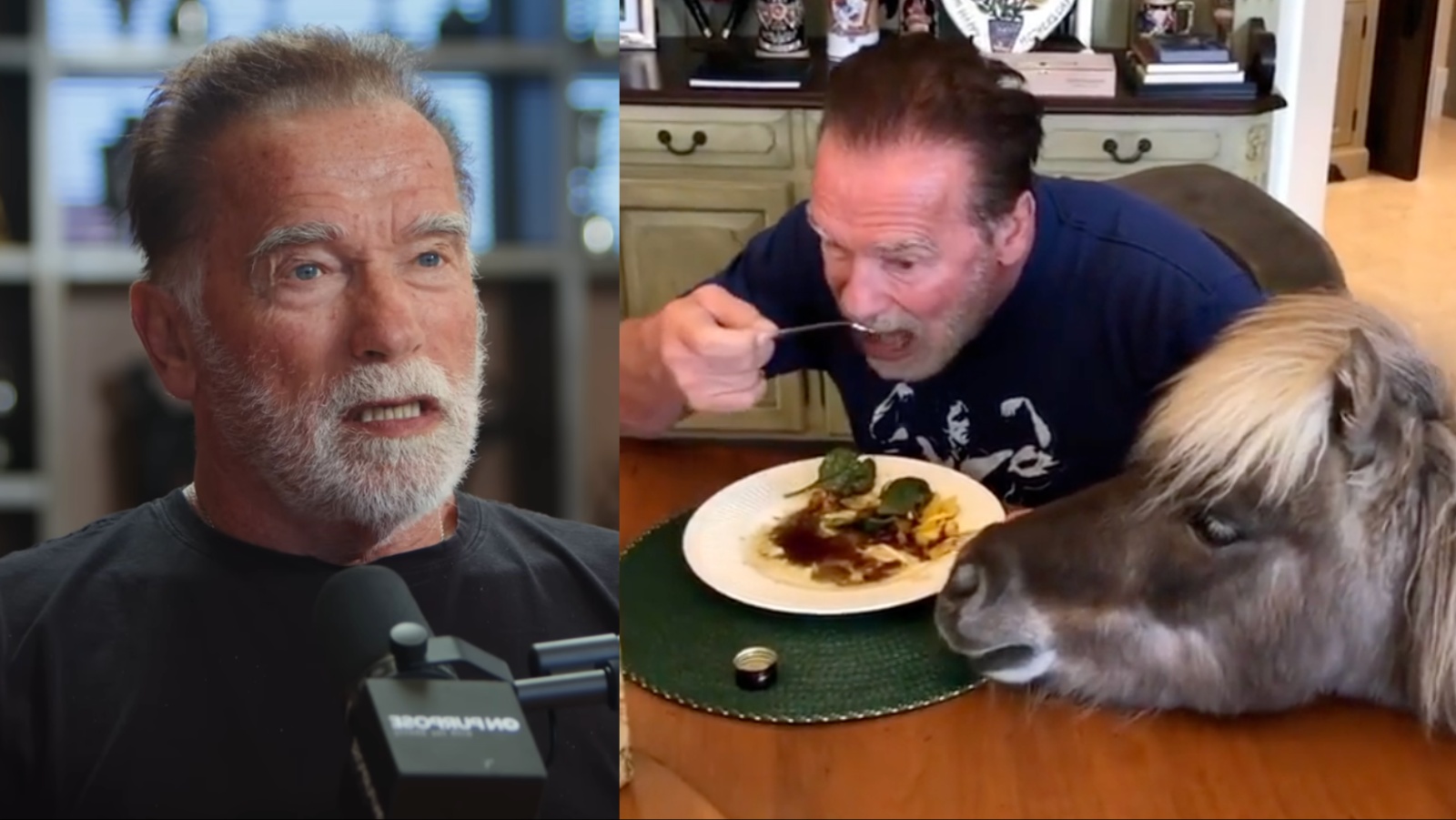
Arnold Schwarzenegger’s plant-based diet is a nutritional approach where approximately 80% to 99% of total caloric intake comes from plant sources like legumes, grains, and vegetables. By prioritizing plant proteins over red meat, Schwarzenegger focuses on reducing systemic inflammation, managing cholesterol levels, and supporting cardiovascular health while maintaining muscle mass and high energy levels at age 79.
For decades, the name Arnold Schwarzenegger was synonymous with steak, eggs, and massive amounts of animal protein. As a seven-time Mr. Olympia, his dietary habits defined the "golden era" of bodybuilding. However, in recent years, the former Governor of California has undergone a radical nutritional transformation. In 2026, Schwarzenegger remains one of the most prominent global advocates for a plant-forward lifestyle, proving that elite physical conditioning and plant-based nutrition are not mutually exclusive.
This transition was not merely a trend-following move; it was a calculated response to health requirements and a growing concern for environmental sustainability. Understanding how the "Austrian Oak" manages his macros without a meat-heavy regimen provides a blueprint for anyone looking to balance muscle preservation with long-term longevity.
The Evolution of the "Austrian Oak": From Carnivore to Plant-Forward
The shift in Schwarzenegger’s diet began in earnest after several heart surgeries and a realization that his traditional high-protein, meat-heavy diet was contributing to elevated cholesterol levels. While his younger years were fueled by "schnitzels and steaks," his current philosophy focuses on heart health and "staying hungry" for a long life.
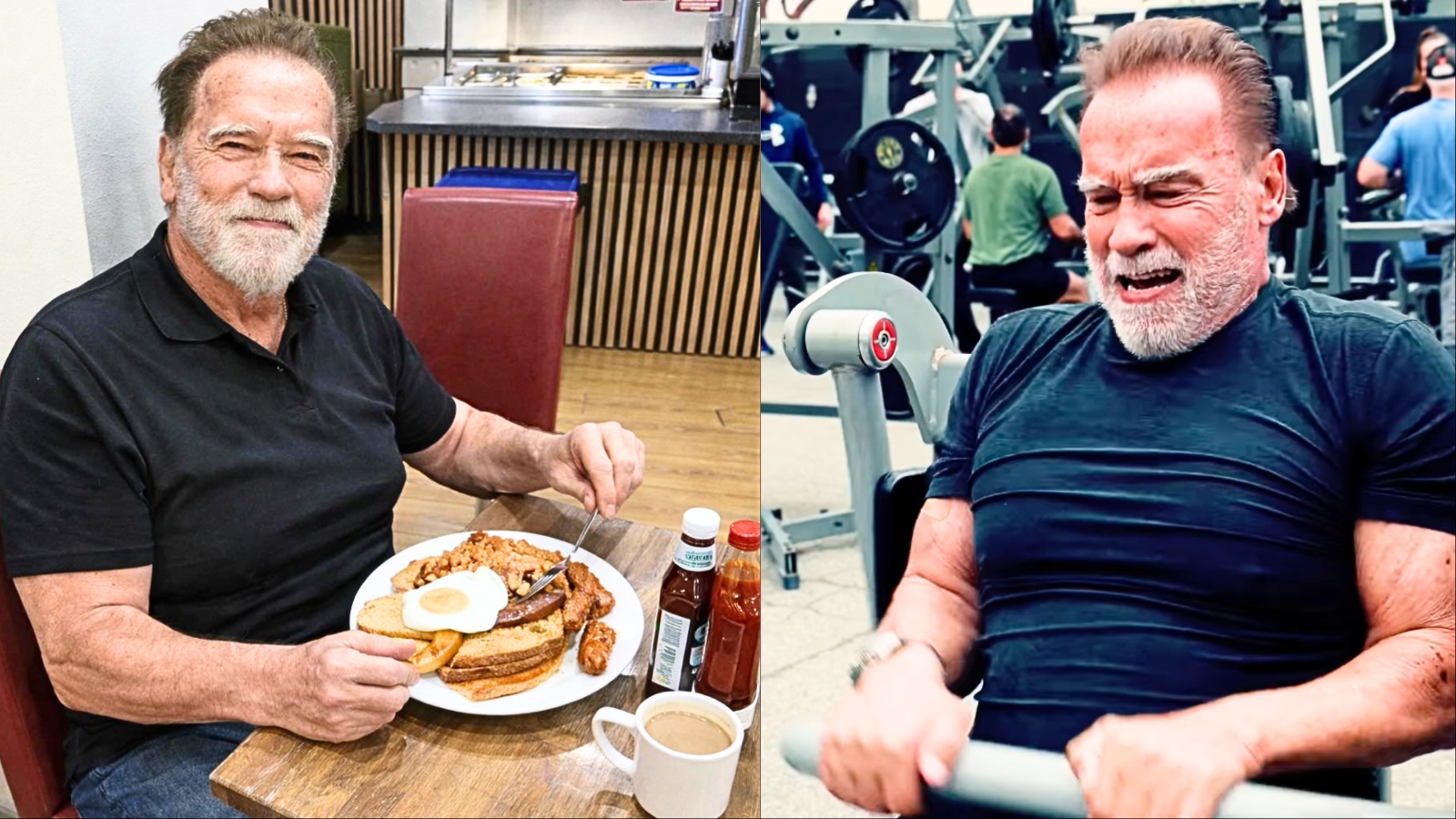
Schwarzenegger describes his diet as approximately 80% to 99% plant-based. He is famously quoted as saying he still allows for the occasional steak or "Wiener Schnitzel" when he feels like it, but these are rare exceptions rather than the rule. This "flexible" plant-based approach—often categorized as flexitarian—is what makes his routine sustainable for the average person. It removes the psychological barrier of "perfection" while delivering the physiological benefits of a vegan or vegetarian lifestyle.
The core motivation for this change was his cardiovascular health. After undergoing pulmonary valve replacements, Schwarzenegger worked closely with medical professionals to lower his LDL (bad cholesterol) levels. By swapping animal fats for plant-based fats and proteins, he reported a significant drop in cholesterol and an increase in overall energy, which allowed him to maintain his rigorous training schedule at Gold's Gym even as he approached 80.
Breaking the Protein Myth: How Arnold Builds Muscle on Plants
The most common question regarding a plant-based bodybuilding diet is: "Where do you get your protein?" For a man who built his career on muscle, this was the first hurdle to clear. Schwarzenegger has spent the last decade debunking the myth that muscle can only be built with animal tissue.
Primary Plant Protein Sources
Schwarzenegger’s diet relies heavily on a variety of plant-based protein sources that provide a complete amino acid profile. He emphasizes the importance of diversity in food intake to ensure that all essential amino acids are present for muscle protein synthesis.
- Pea Protein: This is a cornerstone of his supplementation. Schwarzenegger co-founded the supplement brand Ladder, which features a pea protein powder as its flagship vegan offering. Pea protein is high in branched-chain amino acids (BCAAs), particularly leucine, which is critical for triggering muscle growth.
- Lentils and Beans: These are staples in his solid food meals. Lentils provide not only protein but also significant amounts of fiber, which aids in digestion and blood sugar regulation—two factors often ignored in traditional bodybuilding diets.
- Grains and Seeds: Quinoa, pumpkin seeds, and hemp seeds are frequently included in his salads and bowls. These provide "complete" proteins or supplemental amino acids that round out his nutritional profile.
The Role of Fiber and Micro-nutrients
Unlike his early years, where fiber was an afterthought, his current diet is rich in phytonutrients and antioxidants. These compounds, found in leafy greens, berries, and cruciferous vegetables, help combat the oxidative stress caused by heavy weightlifting. This reduction in inflammation is why many plant-based athletes report faster recovery times between workouts compared to those on high-meat diets.
A Typical Day of Eating: The Schwarzenegger Plant-Based Menu
While his specific meals can vary, Arnold’s daily routine focuses on simplicity and nutrient density. He often shares his meals through his newsletter, "Arnold's Pump Club," emphasizing that healthy eating shouldn't be complicated.
Breakfast: The Power Start
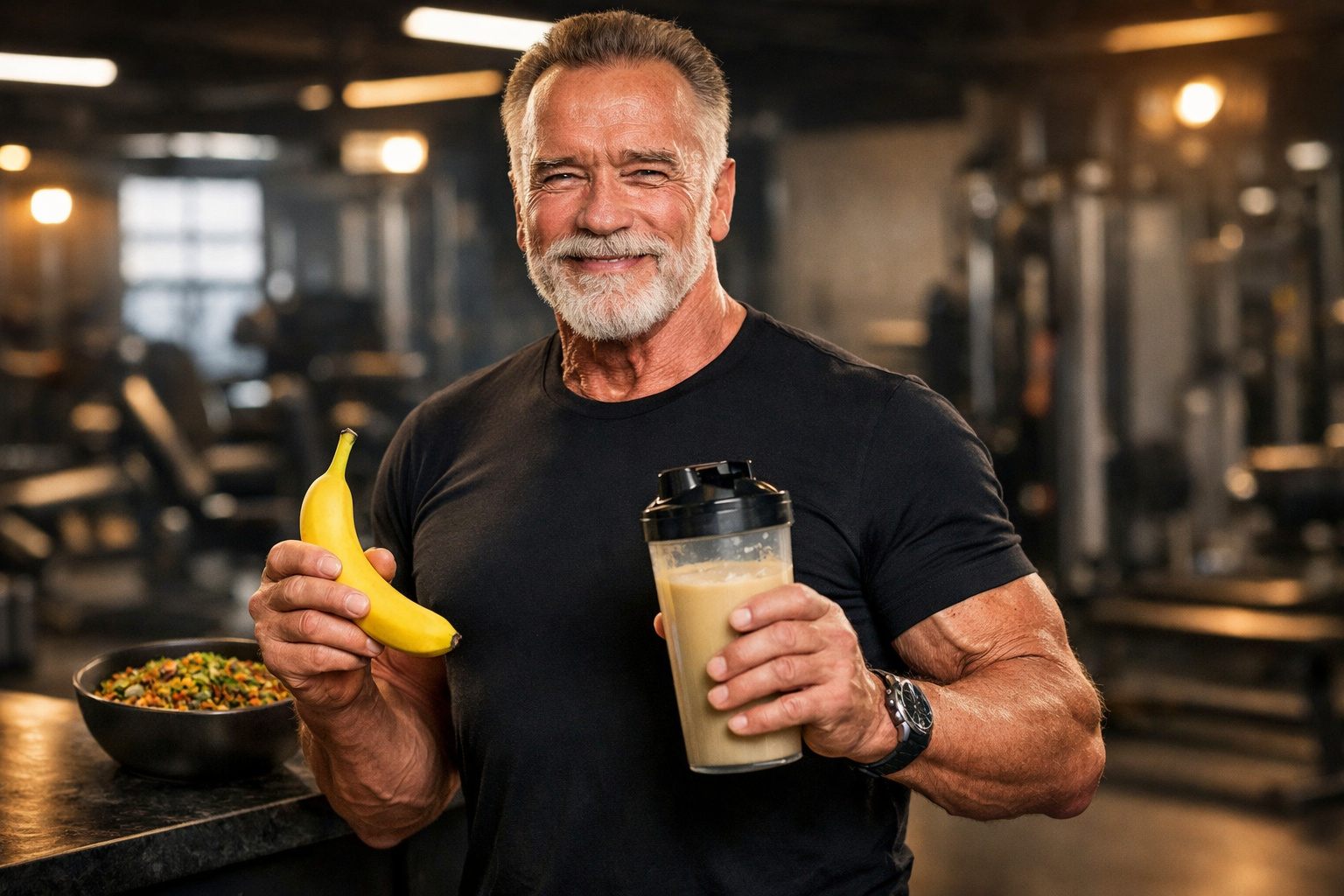
Schwarzenegger typically starts his day with oatmeal or a protein-rich smoothie. His "go-to" smoothie often includes:
- Almond milk or oat milk.
- A scoop of plant-based protein powder (pea and rice blend).
- A banana.
- Occasionally, a whole raw egg. (While mostly plant-based, he has mentioned including the shell of the egg in the past for calcium, though this is a "classic Arnold" quirk and not a requirement for the diet).
Lunch: Fresh and Functional
Lunch is usually a large salad or a vegetable-heavy bowl. A favorite is a cucumber salad with a light vinaigrette or a chickpea-based Mediterranean salad. He emphasizes the inclusion of "colorful" vegetables—beets, carrots, and peppers—to ensure a wide spectrum of vitamins.
Dinner: Hearty and Warm
For dinner, he often consumes a vegetable soup or a plant-based burger. He has been a vocal supporter of meat alternatives that allow people to enjoy the "texture" of meat without the saturated fat and cholesterol. Lentil stews and veggie stir-fries with tofu or tempeh are also regular features in his evening routine.
Snacks and Supplements
Schwarzenegger utilizes almond butter and walnuts as healthy fat sources. His supplementation is minimal but targeted, focusing on plant-based protein, Vitamin B12 (which is often lacking in plant-heavy diets), and Vitamin D.
Nutritional Comparison: Traditional Bodybuilding vs. Arnold's Plant-Based Approach
To understand why this shift is significant, it is helpful to compare the macronutrient sources of a traditional "bulking" diet versus Schwarzenegger's current plant-forward model.
| Feature | Traditional Bodybuilding Diet | Schwarzenegger’s Plant-Based Diet |
|---|---|---|
| Primary Protein | Chicken, Beef, Whey, Eggs | Pea Protein, Lentils, Beans, Tofu |
| Primary Fats | Animal Fats, Butter, Yolks | Avocado, Almonds, Olive Oil, Seeds |
| Fiber Intake | Low to Moderate | High (Essential for heart health) |
| Inflammatory Markers | Often higher due to red meat | Lower due to phytonutrients |
| Cholesterol Impact | Can increase LDL (Bad) | Helps lower LDL and improve heart health |
| Sustainability | High environmental footprint | Low environmental footprint |
The Impact on Health and Performance
Schwarzenegger’s transition has been validated by his medical results. In various interviews and documentaries like The Game Changers, he has noted that his blood work improved drastically after cutting out meat. Specifically, his inflammatory markers decreased, and his blood pressure stabilized.
Cardiovascular Longevity
For individuals over 50, cardiovascular disease is the primary health risk. By focusing on plant-based fats (monounsaturated and polyunsaturated) instead of the saturated fats found in red meat, Schwarzenegger has reduced the strain on his heart. This is particularly vital for someone with a history of congenital heart issues and multiple surgeries.
Sustained Energy Levels
A common misconception is that plant-based diets lead to lethargy. Schwarzenegger argues the opposite. By consuming complex carbohydrates from grains and legumes, he maintains steady blood glucose levels, avoiding the "crashes" often associated with heavy, meat-laden meals that take longer to digest.
The Environmental and Ethical Catalyst
Beyond personal health, Schwarzenegger is a fierce advocate for the planet. He has stated that "less meat, less heat," referring to the massive carbon footprint of the livestock industry. In 2026, as climate change remains a central global issue, his stance on plant-based eating as a tool for environmental preservation is more relevant than ever.
He doesn't demand that everyone becomes a strict vegan. Instead, he advocates for a "reductarian" approach. He believes that if the fitness community reduces meat consumption by even 50%, the cumulative impact on global CO2 emissions and water usage would be monumental. This pragmatic advocacy has helped bridge the gap between "hardcore" fitness enthusiasts and environmental activists.
Practical Steps to Adopt the Arnold Approach
Transitioning to a plant-based diet can be daunting for those used to eating meat at every meal. Schwarzenegger recommends a gradual transition rather than an overnight change.
- Start with "Meatless Mondays": Build the habit of exploring plant-based recipes one day a week.
- Find "Like-for-Like" Swaps: If you love burgers, try a high-quality plant-based patty. If you love milk, switch to almond or soy.
- Prioritize Protein Density: Don't just eat salad. Ensure you are getting 20-30 grams of protein per meal through beans, lentils, or plant protein shakes to maintain muscle mass.
- Listen to Your Body: Arnold emphasizes that your diet should make you feel better, not worse. If you feel weak, increase your caloric intake or check your iron and B12 levels.
- The 80% Rule: Don't stress over social situations. If you are 80% to 90% plant-based, the occasional non-vegan meal will not ruin your progress or your health markers.
Common Challenges and Troubleshooting
Despite the benefits, there are hurdles to a plant-based lifestyle that Schwarzenegger and his team often address in his fitness community.
- Digestive Adjustment: High fiber intake can cause bloating initially. It is recommended to increase fiber intake gradually and drink plenty of water to help the digestive system adapt.
- Caloric Density: Plant-based foods are often less calorie-dense than meat. To avoid unwanted weight loss, athletes may need to eat larger volumes of food or include more calorie-dense plant fats like nuts and avocados.
- Micronutrient Gaps: While plants are nutrient-dense, certain vitamins like B12, Creatine, and Carnosine are primarily found in animal products. Schwarzenegger supplements strategically to fill these gaps.
Frequently Asked Questions
Is Arnold Schwarzenegger 100% vegan?
No, Arnold Schwarzenegger is not a strict vegan. He describes himself as 99% plant-based. He occasionally consumes eggs or meat in rare social settings or for specific cravings, but his daily routine is entirely plant-focused.
How does he get enough protein for bodybuilding?
He relies on a combination of whole food plant proteins (beans, lentils, chickpeas) and high-quality pea protein isolates. He emphasizes that a varied plant diet can easily provide all the essential amino acids needed for muscle repair.
Does he recommend plant-based eating for young athletes?
Yes, but with the caveat that they must consume enough calories. Younger athletes have higher metabolic demands, so they must ensure they are not just eating "rabbit food" but are getting dense nutrients from grains, nuts, and legumes.
What is Arnold's favorite plant-based meal?
He has frequently praised his own "Schwarzenegger Vegetable Soup" and high-protein lentil stews. He also enjoys veggie burgers as a replacement for the traditional beef burgers he ate for decades.
Can you really maintain muscle on plants at age 79?
Schwarzenegger is living proof that you can. By focusing on leucine-rich plant proteins and maintaining a consistent resistance training program, he has preserved a physique that remains the envy of men half his age.
The Future of Fitness is Green
Arnold Schwarzenegger’s transition to a plant-based diet represents a seismic shift in fitness culture. He has successfully rebranded "veganism" from a niche lifestyle to a high-performance tool for athletes and aging adults alike. By focusing on heart health, environmental responsibility, and muscle preservation, he has provided a sustainable model for the next generation of health-conscious individuals.
The "Arnold approach" is ultimately about flexibility and longevity. It’s not about being perfect; it’s about being better—for your heart, for your muscles, and for the planet.