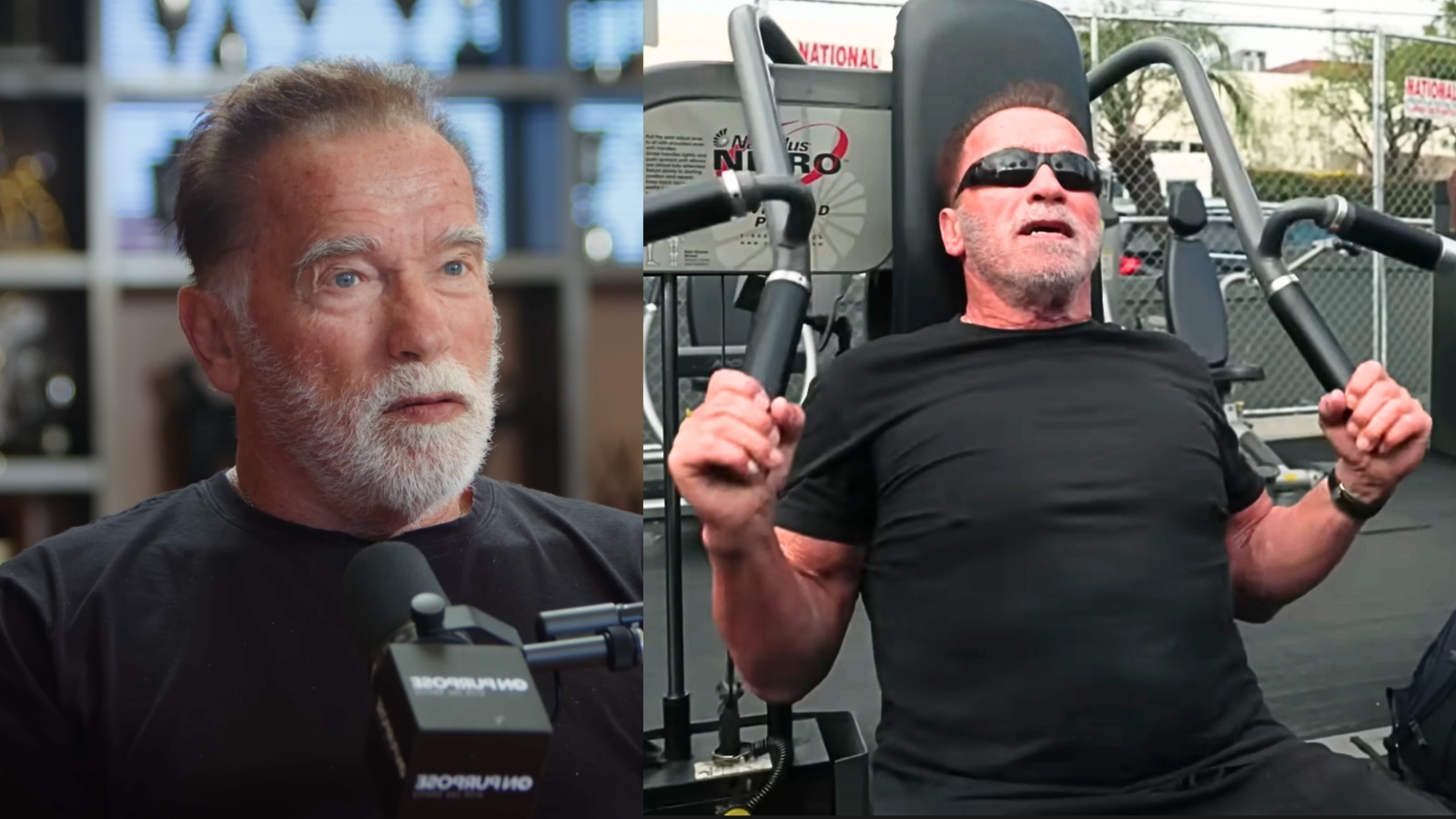
As of 2026, Arnold Schwarzenegger continues to defy the traditional expectations of aging, maintaining a physique characterized by remarkable muscle density and functional mobility at the age of 79. While he has moved away from the massive proportions of his seven-time Mr. Olympia reign, his current physical state is a testament to high-volume machine training, a predominantly plant-based diet, and a disciplined approach to cardiovascular health following multiple cardiac interventions.
The Evolution of a Legend: From Bodybuilding Icon to Longevity Advocate
To understand Arnold Schwarzenegger’s physique in 2026, one must first recognize the transition from "The Austrian Oak" to a global ambassador for healthy aging. In his competitive prime during the 1970s, Arnold’s physique was defined by its "V-taper"—massive lats, a barrel chest, and a tiny waist. Today, that aesthetic has evolved. At 79, the focus is no longer on hypertrophy for the sake of stage presence, but on muscle preservation to combat sarcopenia and maintain metabolic health.
Arnold’s journey through the last decade has been marked by a shift in philosophy. He has moved from the "no pain, no gain" mantra of the Golden Era to a "stay active, stay useful" mindset. This shift was necessitated not only by the natural aging process but also by significant medical milestones, including heart valve replacements and the 2024 installation of a pacemaker. In 2026, his physique represents a successful case study in geriatric fitness, demonstrating how resistance training can be adapted for a lifelong trainee with a history of intensive athletic performance.
Breaking Down the 2026 Physique: Aesthetics and Composition at 79
Arnold’s 2026 physique is characterized by a "hard" look that is rare for men in their late 70s. While skin elasticity naturally decreases with age, Arnold retains significant muscle bellies, particularly in his signature areas: the chest and biceps.
Upper Body and Torso
The Schwarzenegger chest remains one of his most prominent features. While it lacks the 57-inch circumference of his prime, the pectoral development is still visible through his clothing, indicating a commitment to "pump-focused" training. His shoulders have narrowed slightly as the lateral deltoids naturally atrophy more quickly than other muscle groups in seniors, but his postural alignment remains upright—a direct result of his focus on "pulling" movements to counteract the rounded shoulders common in aging populations.
Arms and Extremities
Arnold’s biceps still possess a recognizable peak, though the "peak" is now more a result of low body fat and muscle maturity than sheer mass. His forearms remain thick, likely due to his daily habit of cycling and consistent grip-intensive machine work. In 2026, his vascularity is notable; while some of this is due to thinner skin associated with aging, it also points to a healthy cardiovascular system and efficient blood flow during his daily workouts.
Midsection and Lower Body
The waistline is where Arnold has seen the most change. Like most aging men, the deep abdominal wall loses some of its "vacuum" capability. However, Arnold has avoided the significant central obesity often seen in retirees. His legs, once the foundation of his 250-pound frame, are slimmer now, as he prioritizes joint health over the heavy squats that once defined his routine. He maintains enough leg strength for high-mileage cycling, which is his primary form of active recovery.
The 2026 Training Regimen: Engineering the "Pump" for Longevity
Arnold’s current training methodology is a departure from the free-weight-heavy routines of the 1970s. In 2026, he is a vocal advocate for machine-based training, particularly for the older demographic.
The Shift to Machines
Arnold has explicitly stated that he no longer performs heavy deadlifts or squats with free weights. The rationale is two-fold:
- Joint Preservation: At 79, the cartilage in the knees and lower back is less resilient. Machines provide a fixed path of motion that minimizes shearing forces on the joints.
- Safety and Control: With a pacemaker and a history of heart surgeries, Arnold avoids the "Valsalva maneuver" (holding one's breath during heavy exertion), which can spike blood pressure. Machines allow him to focus on the contraction and "the pump" without the risk of dropping weights or losing balance.
Training Frequency and Volume
In 2026, Arnold still trains daily, usually at Gold's Gym in Venice or his home gym. His routine typically involves:
- Morning Cardio: 45 to 60 minutes of cycling. This serves as both a warm-up and a fundamental cardiovascular requirement for his heart health.
- Circuit Training: He often performs circuits with little to no rest between sets. This keeps his heart rate elevated, providing a secondary cardiovascular benefit while he works on muscle hypertrophy.
- High Repetitions: He focuses on 12–20 repetitions per set, emphasizing the mind-muscle connection. This approach ensures that muscle fibers are stimulated through metabolic stress rather than mechanical tension from heavy loads.
Heart Health and Exercise: Training Post-Pacemaker
A critical component of Arnold’s 2026 physique is his adaptation to cardiac health requirements. Following his pacemaker installation in 2024, his training has become even more data-driven.
The pacemaker acts as a regulator, ensuring his heart rate stays within a safe, efficient range. Arnold uses this technology to his advantage, monitoring his recovery times between sets. His ability to maintain muscle mass while managing a history of bicuspid aortic valve issues is an inspiration to the medical community. He demonstrates that "heart patients" are not fragile; rather, they require specific, monitored resistance training to strengthen the heart muscle and improve peripheral circulation.
The Schwarzenegger Diet in 2026: Fueling the Senior Athlete
Nutrition is the silent architect of Arnold’s current physique. By 2026, he has fully leaned into a dietary pattern that is approximately 80% plant-based. This transition was motivated by three primary factors: inflammation reduction, cholesterol management, and environmental concerns.
Protein Sources and Micronutrients
While he was once famous for consuming vast amounts of steak and eggs, his 2026 protein sources include:
- Plant-Based Shakes: He uses pea and pumpkin protein blends to maintain muscle synthesis.
- Lentils and Beans: These provide the fiber necessary for digestive health, which is a priority for seniors.
- Eggs and Occasional Meat: He has not gone strictly vegan, allowing for high-quality animal proteins in moderation to ensure a full amino acid profile.
The Impact of Fiber and Hydration
Arnold emphasizes that as he has aged, his body’s ability to process heavy, calorie-dense foods has decreased. His diet is now high in volume but lower in caloric density, allowing him to stay lean without the "hunger" associated with traditional bodybuilding cutting phases. Hydration is also a key focus to maintain kidney function and skin health, both of which contribute to his overall physical appearance.
Sarcopenia and the Science of Aging Muscle
The primary challenge Arnold faces in 2026 is sarcopenia, the age-related loss of skeletal muscle mass and strength. Research shows that after the age of 50, humans can lose 1-2% of their muscle mass per year if they are sedentary.
Arnold’s physique is "explained" by his proactive stance against this biological decline. By maintaining a high protein intake and consistent resistance training, he engages in protein synthesis at a rate that offsets muscle wasting. His current physique is essentially a "functional" version of his younger self; he has preserved the Type II (fast-twitch) muscle fibers that are usually the first to go in the elderly. This preservation is what allows him to still look "muscular" rather than just "thin" or "fit."
Comparison: Arnold's Physique Evolution
The following table compares Arnold’s physical and training metrics between his peak competitive years and his current status in 2026.
| Metric | Golden Era (1970-1980) | Current Status (2026) |
|---|---|---|
| Primary Goal | Maximum Hypertrophy & Definition | Longevity & Functional Mobility |
| Training Style | Heavy Free Weights / High Volume | Machines / Circuit Training |
| Body Weight | 235 - 250 lbs | 215 - 225 lbs (Estimated) |
| Protein Source | Red Meat, Whole Eggs, Milk | Plant-based Proteins, Lentils, Eggs |
| Cardio | Minimal (mostly pre-contest) | Daily (45-60 mins cycling) |
| Heart Health | High Stress (Intense exertion) | Regulated (Post-Pacemaker/Surgeries) |
| Focus Area | Aesthetics and Symmetry | Bone Density and Metabolic Rate |
Lessons for the Modern Fitness Enthusiast
Arnold Schwarzenegger’s 2026 physique provides a blueprint for anyone looking to maintain health into their 70s and 80s. The "explanation" for his look isn't a secret supplement or a "fountain of youth" procedure; it is the compounding effect of 60 years of consistency.
- Adaptability is Key: Arnold did not stop training when he could no longer bench press 400 pounds. He adapted his tools (machines) and his goals (longevity).
- The Pump Still Matters: Even at 79, forcing blood into the muscle (the pump) provides the nutrients and stimulus needed to prevent atrophy.
- Nutrition Over Ego: Switching to a mostly plant-based diet helped him manage inflammation and heart health, which in turn allowed him to keep training.
- Consistency Over Intensity: In 2026, Arnold’s physique is maintained by showing up every single day, regardless of the intensity of the session.
FAQs: Arnold Schwarzenegger's Current Physique
Does Arnold Schwarzenegger still lift heavy weights in 2026?
No, Arnold has moved away from heavy lifting. He prioritizes machines and higher repetitions (12–20 per set) to protect his joints and manage his heart health. He focuses on the quality of the contraction rather than the weight on the bar.
How does Arnold's heart condition affect his physique?
His heart surgeries and 2024 pacemaker installation have made him more cautious about high-intensity bursts that spike blood pressure. However, this has resulted in a more "cardio-fit" physique, as he incorporates more cycling and circuit training to maintain his cardiovascular health.
Is Arnold Schwarzenegger vegan in 2026?
He is approximately 80% plant-based. While he promotes plant-based living for health and environmental reasons, he still occasionally consumes animal products like eggs. This flexible approach helps him maintain the protein intake necessary for muscle preservation at age 79.
Why does Arnold use machines instead of free weights now?
Machines provide a safer range of motion and keep constant tension on the muscle, which is ideal for "the pump." They also reduce the risk of injury to the joints and spine, which are more vulnerable in senior athletes.
Has Arnold Schwarzenegger lost a lot of muscle mass?
Compared to his bodybuilding days, yes. However, compared to the average 79-year-old male, he has an extraordinary amount of muscle mass. His physique is a result of "successful aging," where muscle loss is minimized through constant resistance training.
Practical Recommendation for Aging Trainees
If you are looking to emulate Arnold’s longevity-focused approach in 2026, the first step is to prioritize consistency over PRs (personal records). Focus on a 30-minute daily routine that combines resistance machines with cardiovascular work like cycling or walking. Transition your diet to include more plant-based whole foods to reduce systemic inflammation, and never underestimate the power of "the pump" for maintaining muscle vitality as you age. For those with pre-existing conditions, Arnold’s journey proves that with medical guidance and a regulated heart rate, physical excellence is possible at any age.